Parks and reserves. Updated November 2026. 4 min read.
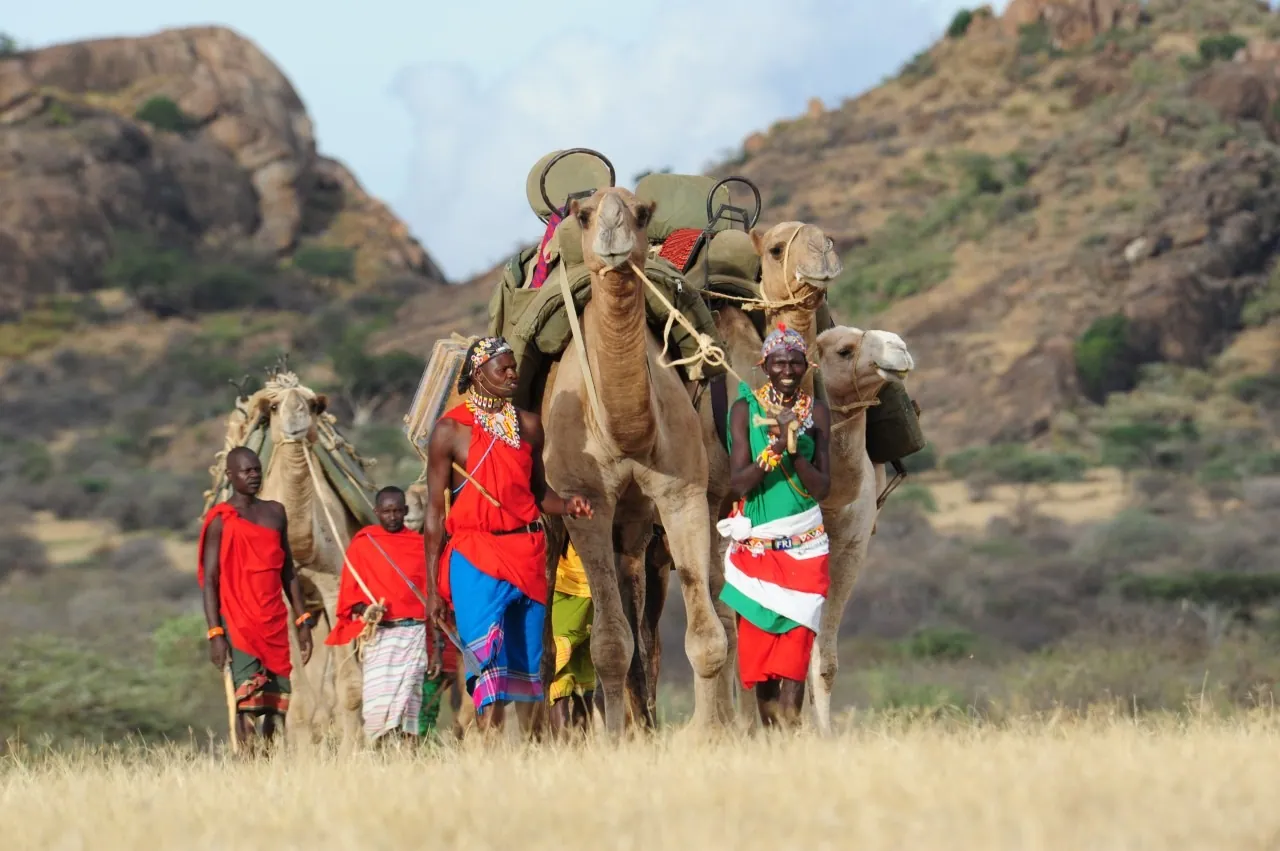
At Il Ngwesi, the people who show you to your room, guide your walk and track the elephants also own the land, the lodge and the decisions. A Maasai community in northern Laikipia set aside about 16,500 hectares (some 64 square miles) of its grazing land for wildlife and opened its own eco lodge in 1996, when community-owned tourism in Kenya was rare. It worked, it won international recognition, and it became a model that community conservancies across northern Kenya have looked to ever since.
The short answer: Il Ngwesi is the place in Laikipia to walk with Maasai guides, sleep under the stars and know that the money stays in the community. Game is lighter than on Lewa or Ol Pejeta, and the lodge is simple next to Laikipia's top-end houses, which is also why it is one of the better-value stays on the plateau. Our Laikipia where-to-stay guide compares it with the other lodges; this page is about how Il Ngwesi works and what you do there.
The name and the owners
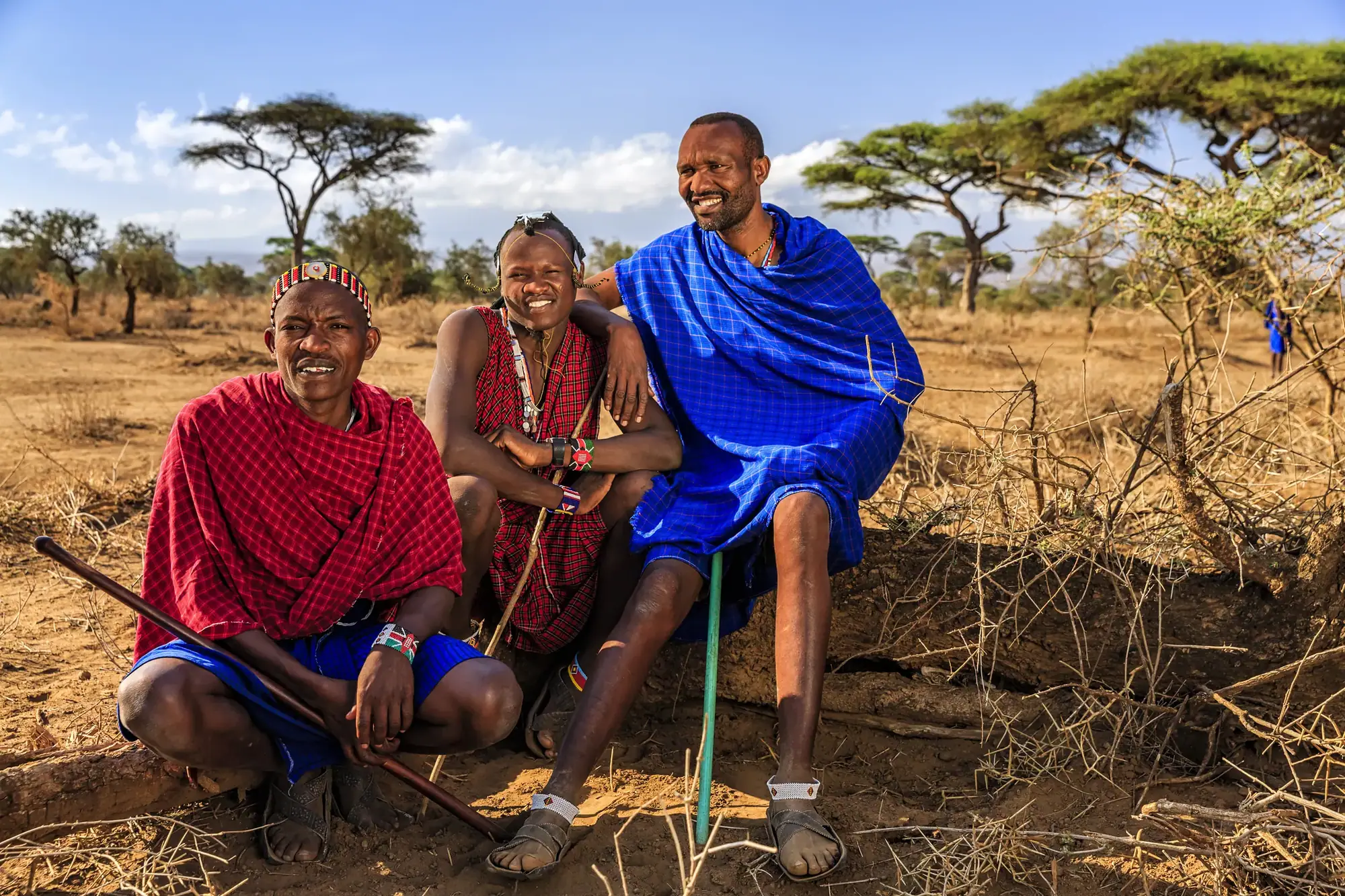
Il Ngwesi is usually translated from Maa as 'people of wildlife'. The owners are Maasai of the Mukogodo area, pastoralists who still keep cattle, goats and sheep on the land around the conservancy. They hold the land in common as a group ranch, they employ the lodge staff and rangers from among their own members, and the members decide how lodge income is used for the community. Grazing is planned, so livestock and wildlife share the land rather than compete for it.
Il Ngwesi works closely with its neighbors, including Lewa to the south, and it is part of the network of community conservancies supported by the Northern Rangelands Trust, which helps with rangers, grazing plans and training. When you hear about community conservation in northern Kenya, this is one of the places where it started.
What makes a stay here different
- Walks with Maasai guides who read tracks, birds and plants, and explain which ones their families use for food and medicine
- Rooms open to the view, and on clear nights the chance to sleep out under the stars
- A visit to a Maasai village run by the community, with time to talk rather than a staged show
- Game drives with guides who grew up on this land
- Bush skills: fire-making, spear throwing and tracking, for those who want them
- Evenings around the fire with your hosts, which is often what guests remember most
The rhinos
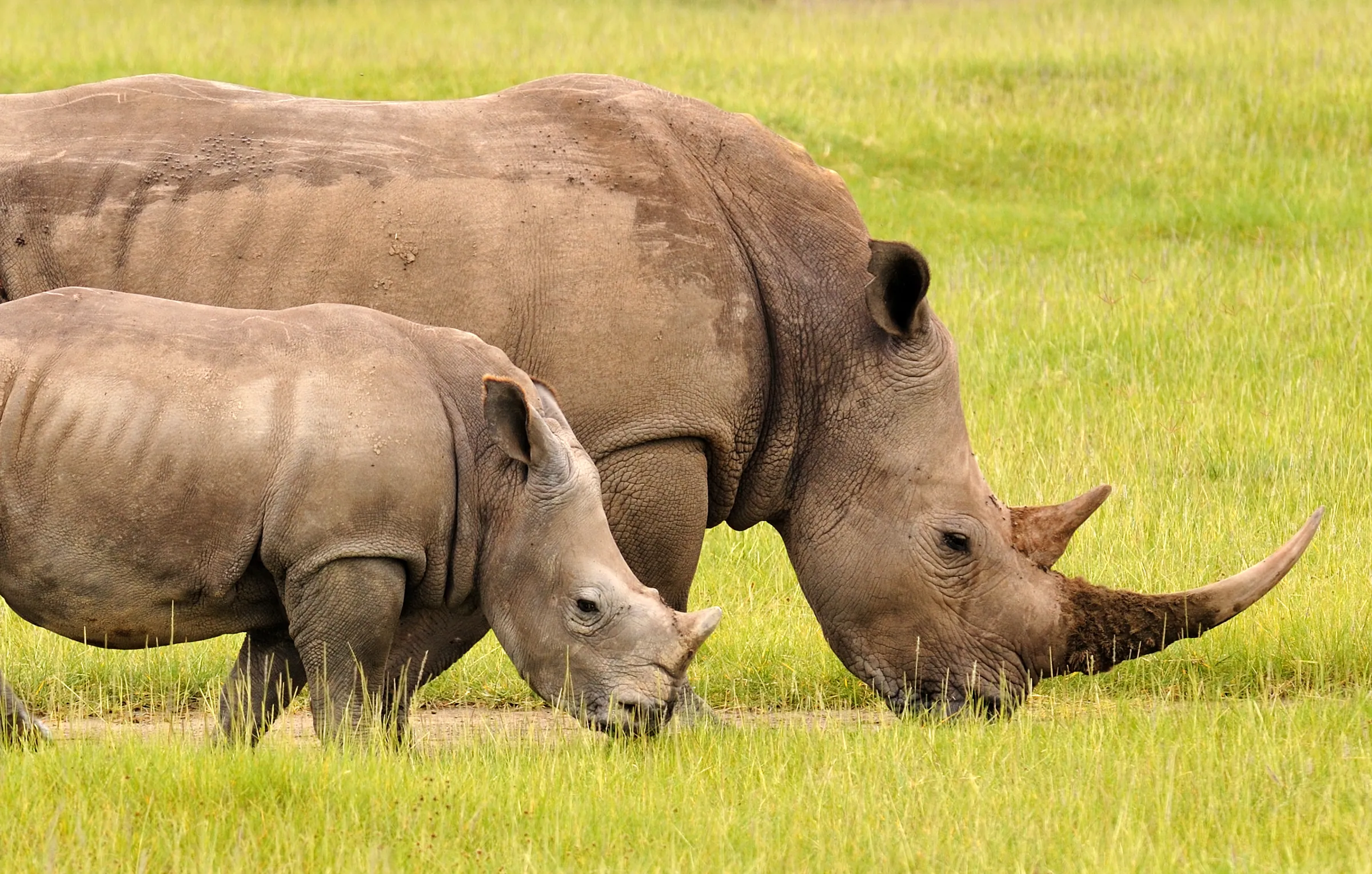
Il Ngwesi has a rhino sanctuary, part of the wider effort to return black rhinos to community land in northern Kenya. Rhino sightings are not the reason to come here, and access depends on the rangers and the animals, so ask us what is possible at the time of your visit. If rhinos are top of your list, combine Il Ngwesi with a night or two on Lewa, Borana or Ol Pejeta.
Wildlife
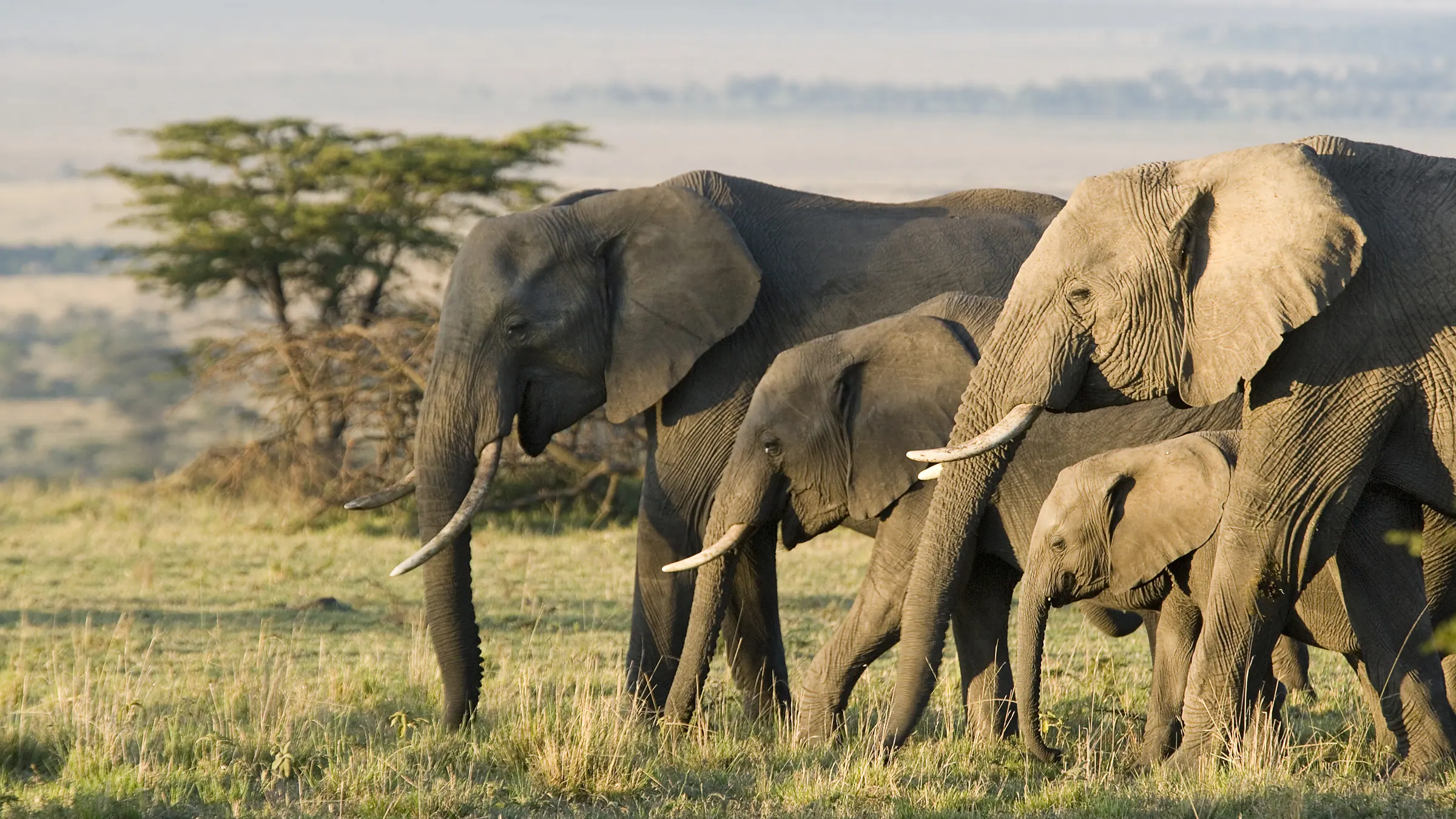
- Elephants, which use the conservancy as part of the corridor between Mount Kenya and the north
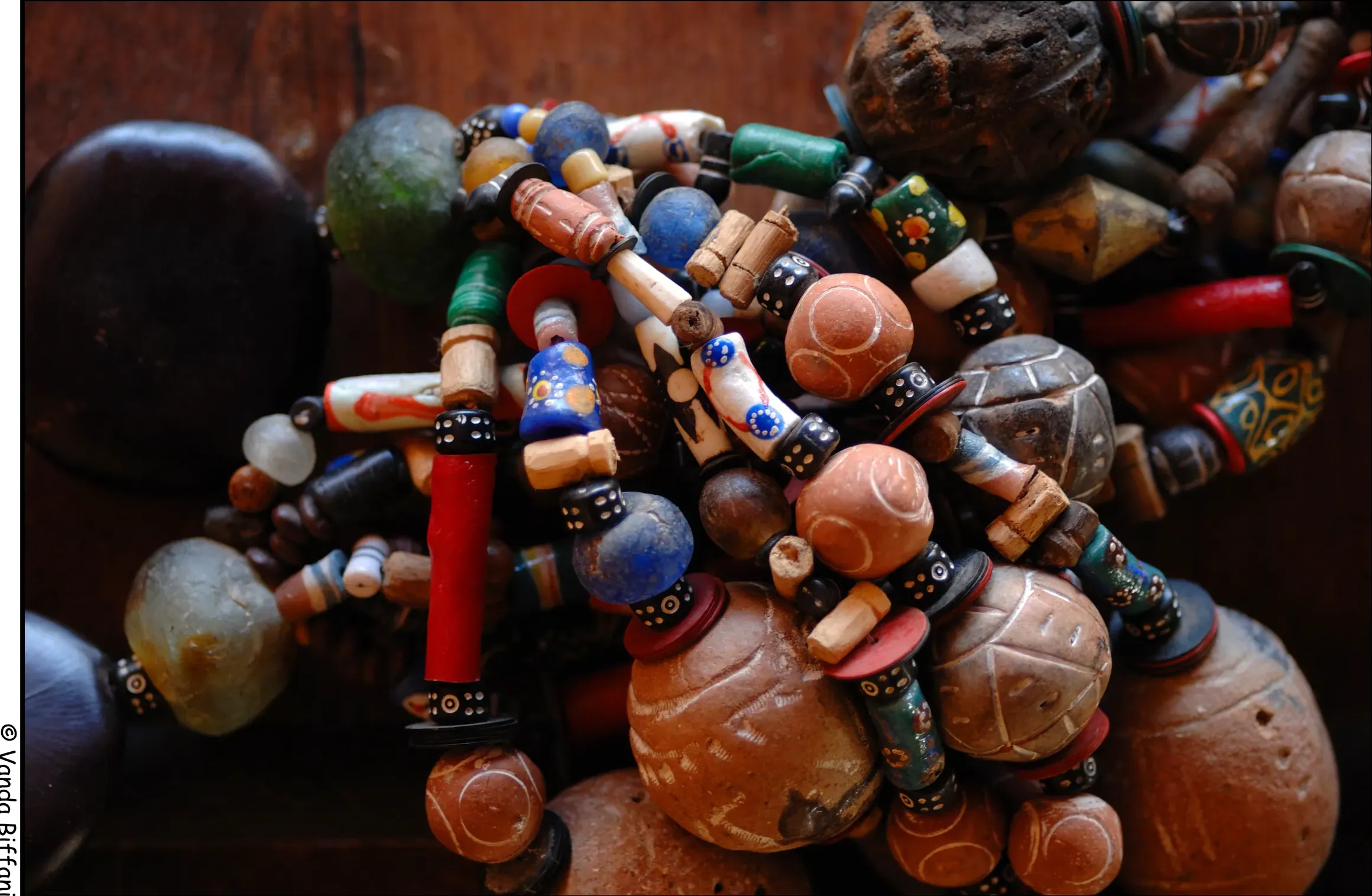
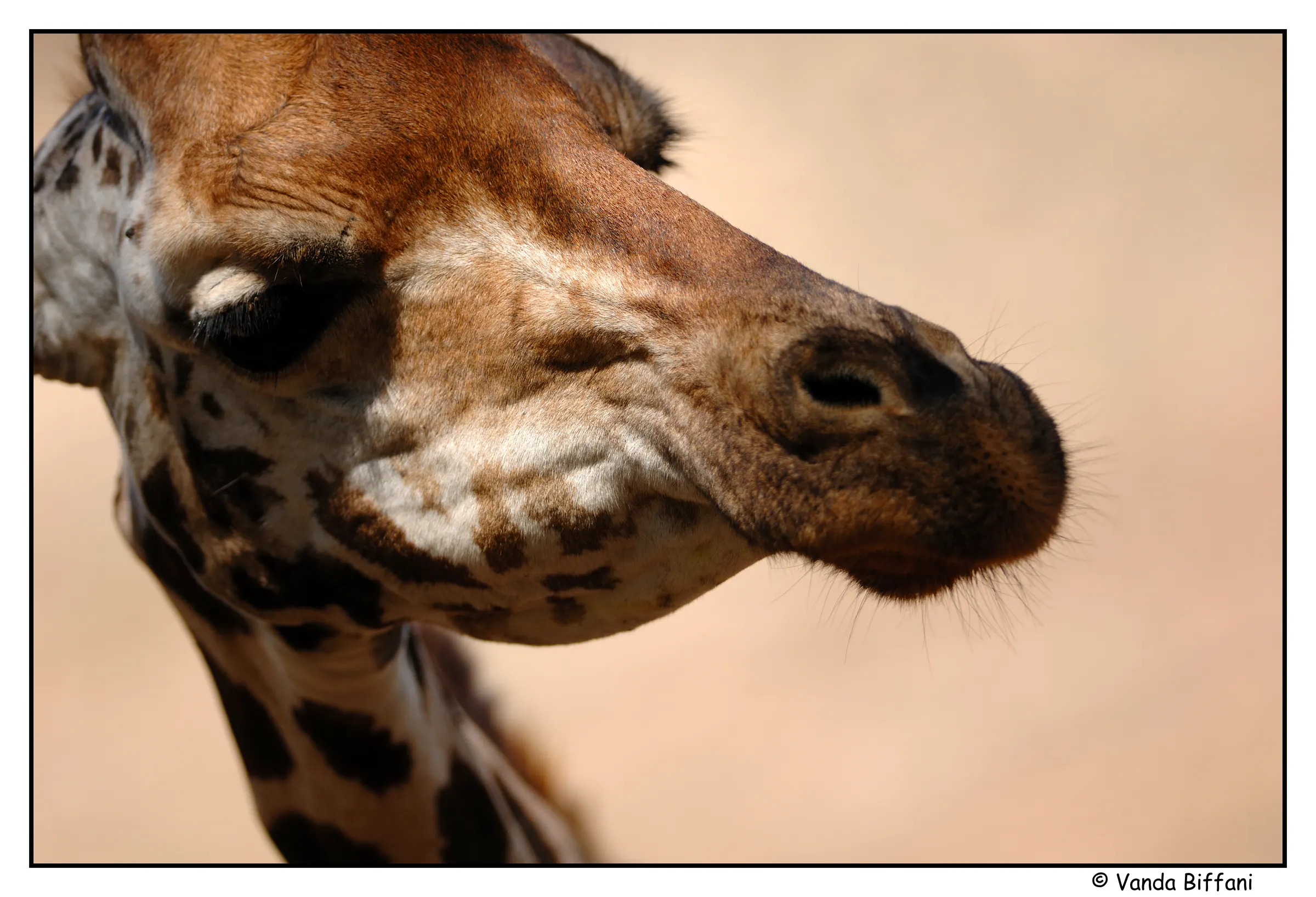
- Reticulated giraffe, gerenuk, dik-dik and Grant's gazelle
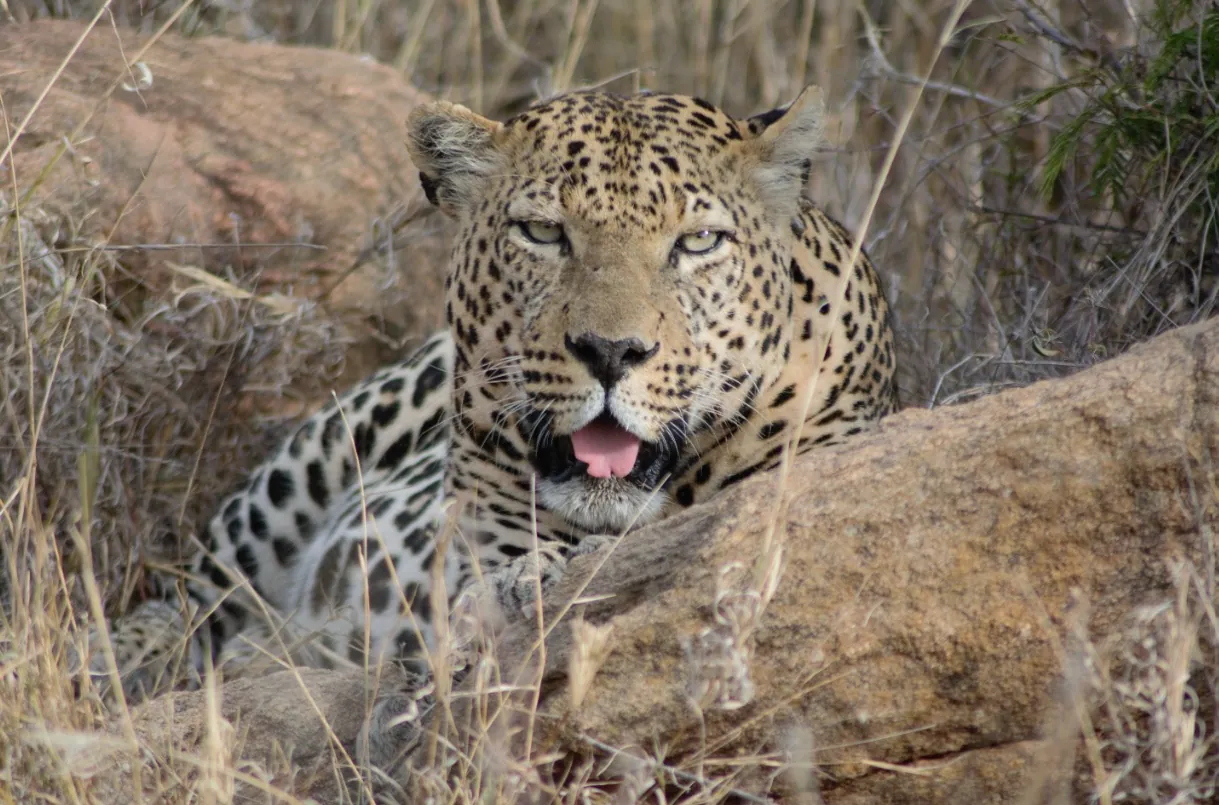
- Lions and leopards, present but seen less often than in the big conservancies
- African wild dogs, which range across northern Laikipia and turn up unpredictably
- Dryland birds: hornbills, bustards, sandgrouse and raptors
Think of the game here as quality rather than quantity. You come for a morning on foot following elephant tracks, a giraffe in the evening light and an afternoon of talking with your guide, not for a tally of sightings.
Il Ngwesi and its neighbors
| Conservancy | Owned by | Feel | Price band | Best for |
|---|---|---|---|---|
| Il Ngwesi | Maasai community | Simple eco lodge, walking and culture | Value | Walking, community tourism |
| Lewa | Non-profit conservancy | Small, polished lodges, rhinos and Grevy's zebra | Top end | A classic rhino safari |
| Borana | Private ranch | Hills, riding and biking | Top end | Active travelers and families |
| Ol Pejeta | Not-for-profit conservancy | Big Five, chimpanzees, many lodges | Value to top end | First visits |
Getting there
Il Ngwesi lies north of Lewa on the edge of the Mukogodo hills. Most guests fly from Wilson Airport to Lewa's airstrip in about an hour and are driven in by the lodge. By road it is about 4.5 to 5 hours from Nairobi via Nanyuki and Timau, and the last stretch is rough dirt.
When to go and how long
Two or three nights is right: enough for two walks, a drive, the village and a night under the stars. The dry months, late June to October and January to March, are best for walking. Many Laikipia lodges close for part of November, so check dates then. Il Ngwesi pairs well with a rhino conservancy to the south and with Samburu to the north.
Before you book
- The lodge is simple and open to the elements: expect solar power, open rooms and the sounds of the bush
- Walking needs moderate fitness; walks start early, before the heat
- Ask about minimum ages for walks, which the lodge sets
- Ask before photographing people, in the village and anywhere else
- Tipping follows the usual Kenyan safari pattern; our tipping guide has the amounts
We are Kenyan-led, with two U.S. companies behind us, and we like sending travelers here because the model is honest and the guiding is excellent. Pay in full or monthly with no deposit.