Towns and places. Updated November 2026. 5 min read.
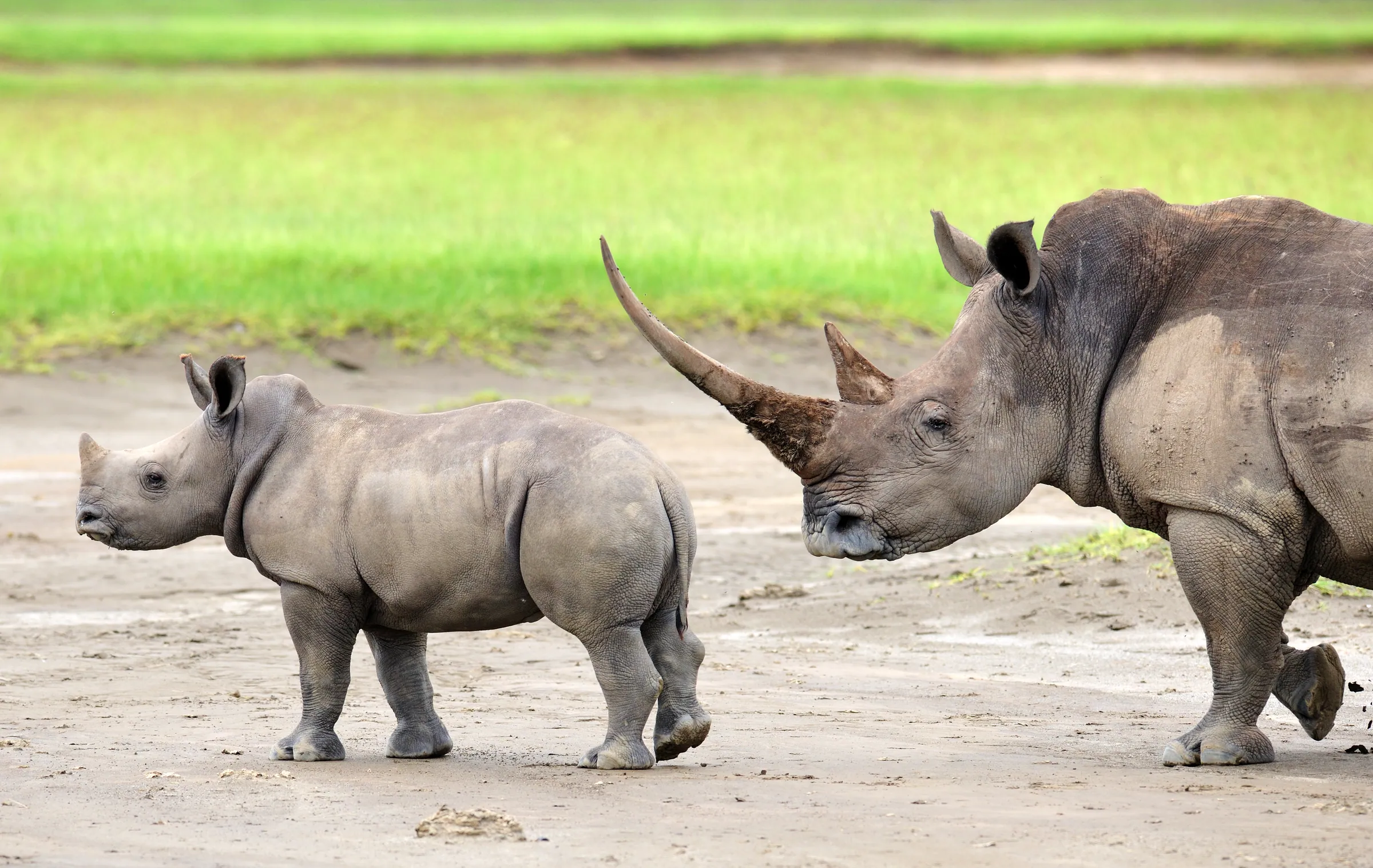
Laikipia is a high plateau of private ranches turned conservancies, home to roughly half of Kenya's rhinos and to Najin and Fatu, the last two northern white rhinos on Earth. Nanyuki, a market town on the equator under Mount Kenya, is the gate.
What makes Laikipia different is not the animals, though they are superb, but the rules. Almost none of it is a national park. It is a patchwork of private and community conservancies, and each one decides how you see wildlife: on foot with an armed ranger, on horseback, on a camel, by spotlight at night or from a bed on an open platform under the stars. Vehicles are few and often go off-road. Three or four nights here is the best counterweight we know to a busy Mara safari. This page explains how the plateau works and how to choose; our Laikipia stay guide names the lodges, and our Nanyuki page covers the town.
How the conservancies work
In the twentieth century most of Laikipia was cattle ranches. From the 1980s and 1990s, many ranchers and neighbouring communities found that wildlife and tourism paid better than cattle alone, and the ranches became conservancies, many still grazing cattle alongside the wildlife. Some are owned by trusts and non-profits, some by families, and some, such as Il Ngwesi, by the local community, with the Northern Rangelands Trust supporting community conservancies across the north. You pay a daily conservancy fee, usually about $60 to $150 per person at the time of writing and normally folded into your lodge rate. That fee is what pays the rangers and the community, and it buys you something national parks cannot: very few vehicles and the freedom to do more than drive.
The conservancies at a glance
| Conservancy | Known for | Getting there |
|---|---|---|
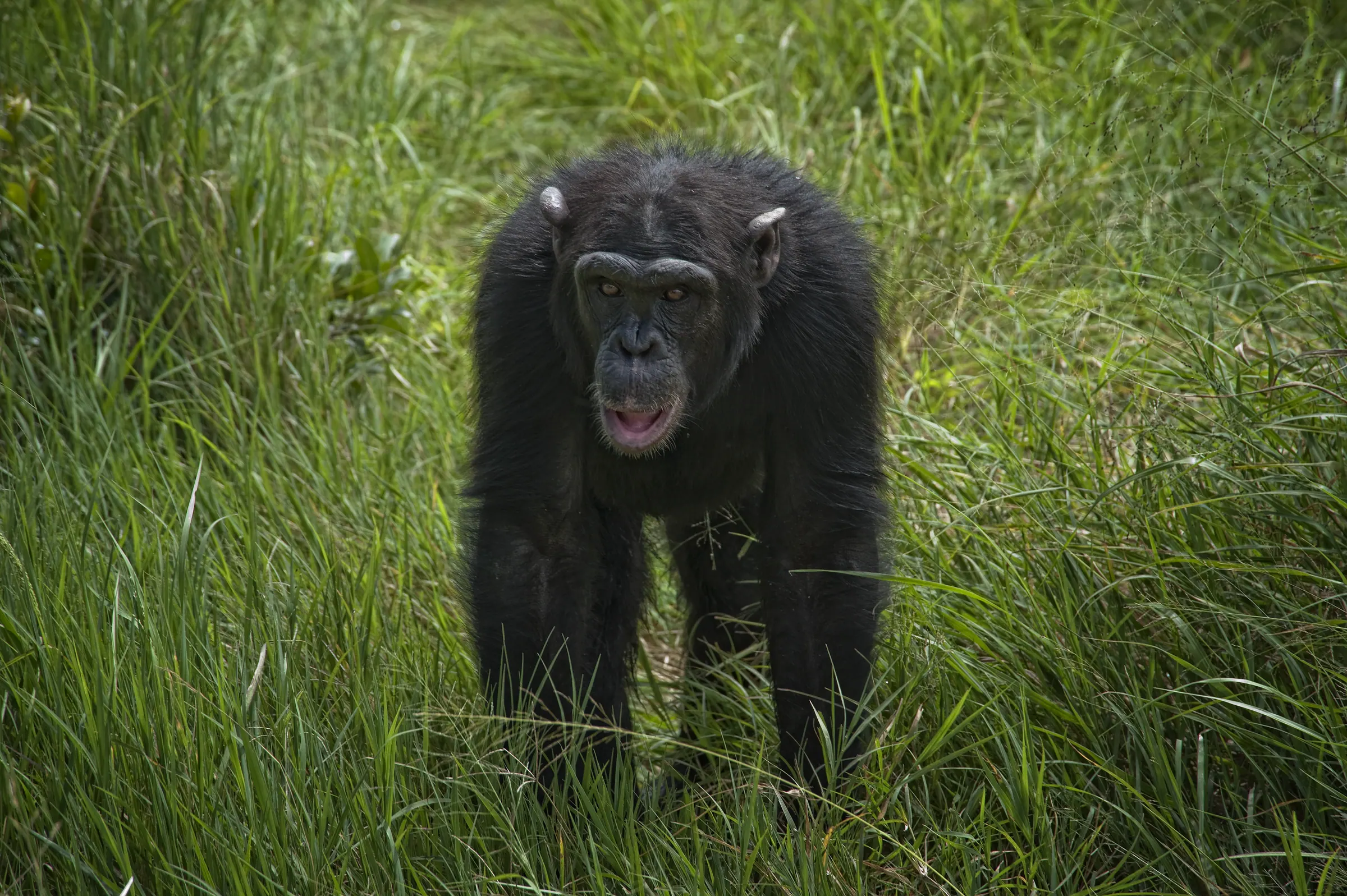
| Ol Pejeta | About 90,000 acres; Najin and Fatu; black rhinos; a chimpanzee sanctuary; the Big Five; the most accessible | 20 to 30 minutes from Nanyuki |
| Lewa | A founding rhino sanctuary, Grevy's zebra, part of the Mount Kenya World Heritage Site | Lewa airstrip, or about 4 hours by road from Nairobi |
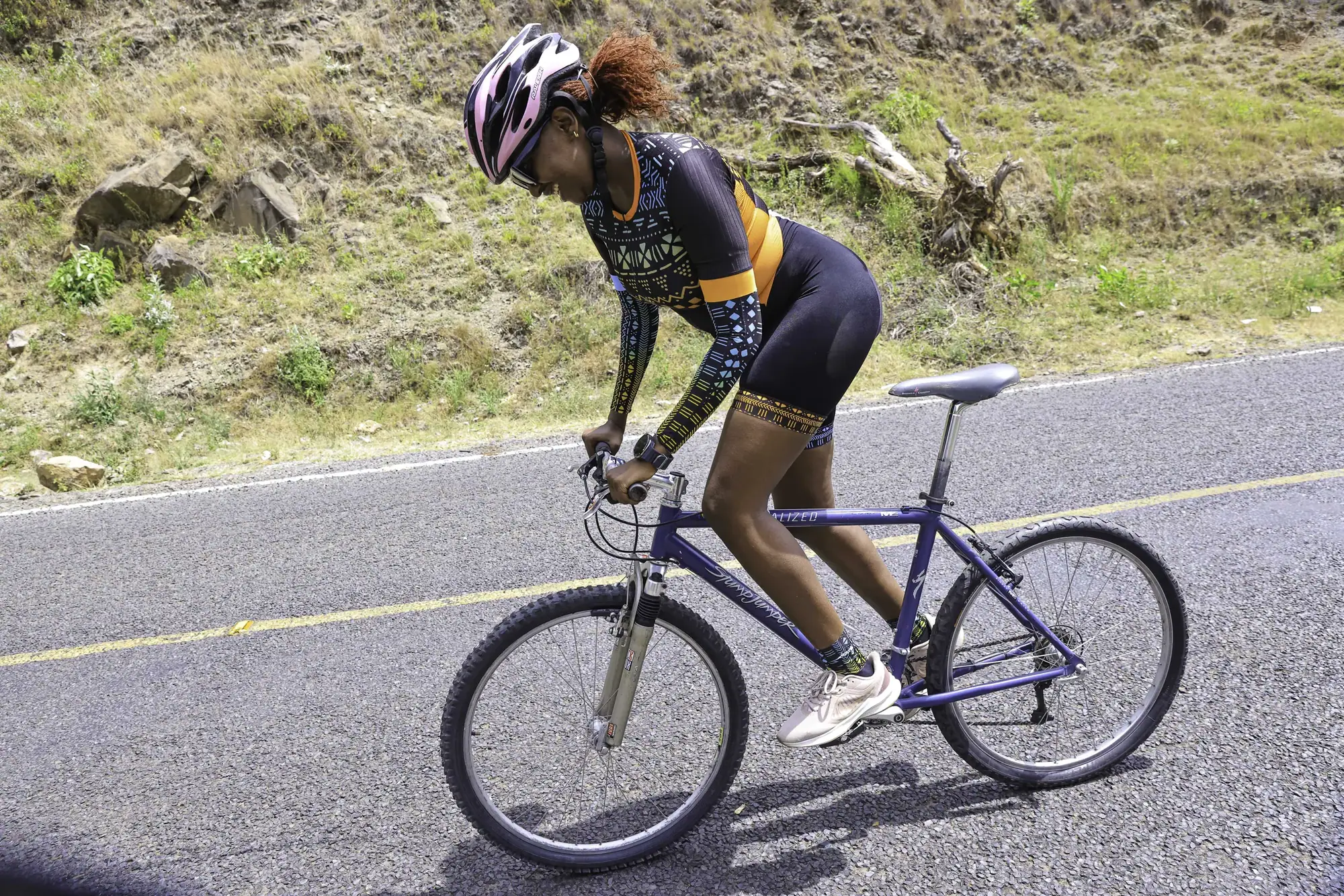
| Borana | About 32,000 acres sharing a fenceless rhino landscape with Lewa; riding and mountain biking | Lewa or Borana airstrips |
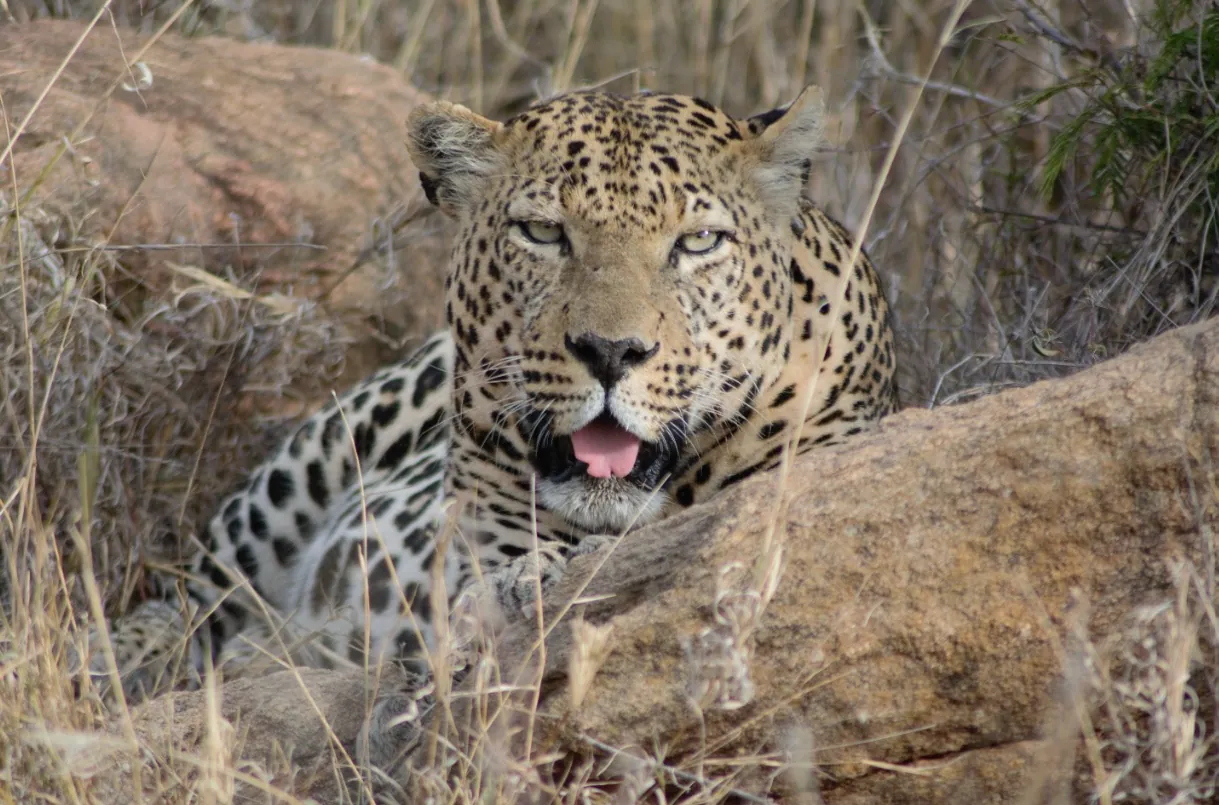
| Loisaba | About 57,000 acres in the north; star beds, wild dogs, leopards, camel walks | Its own airstrip; a long drive by road |
| Segera | A high-end retreat with an art collection in the center of the plateau | Airstrip or road from Nanyuki |
| Il Ngwesi | A Maasai community-owned lodge and conservancy since 1996 | North of Lewa, by air or rough road |
| Solio | A rhino sanctuary between Nyeri and Nanyuki with some of the closest rhino viewing in Kenya | About 45 minutes from Nanyuki |
What you can do here that the parks do not allow
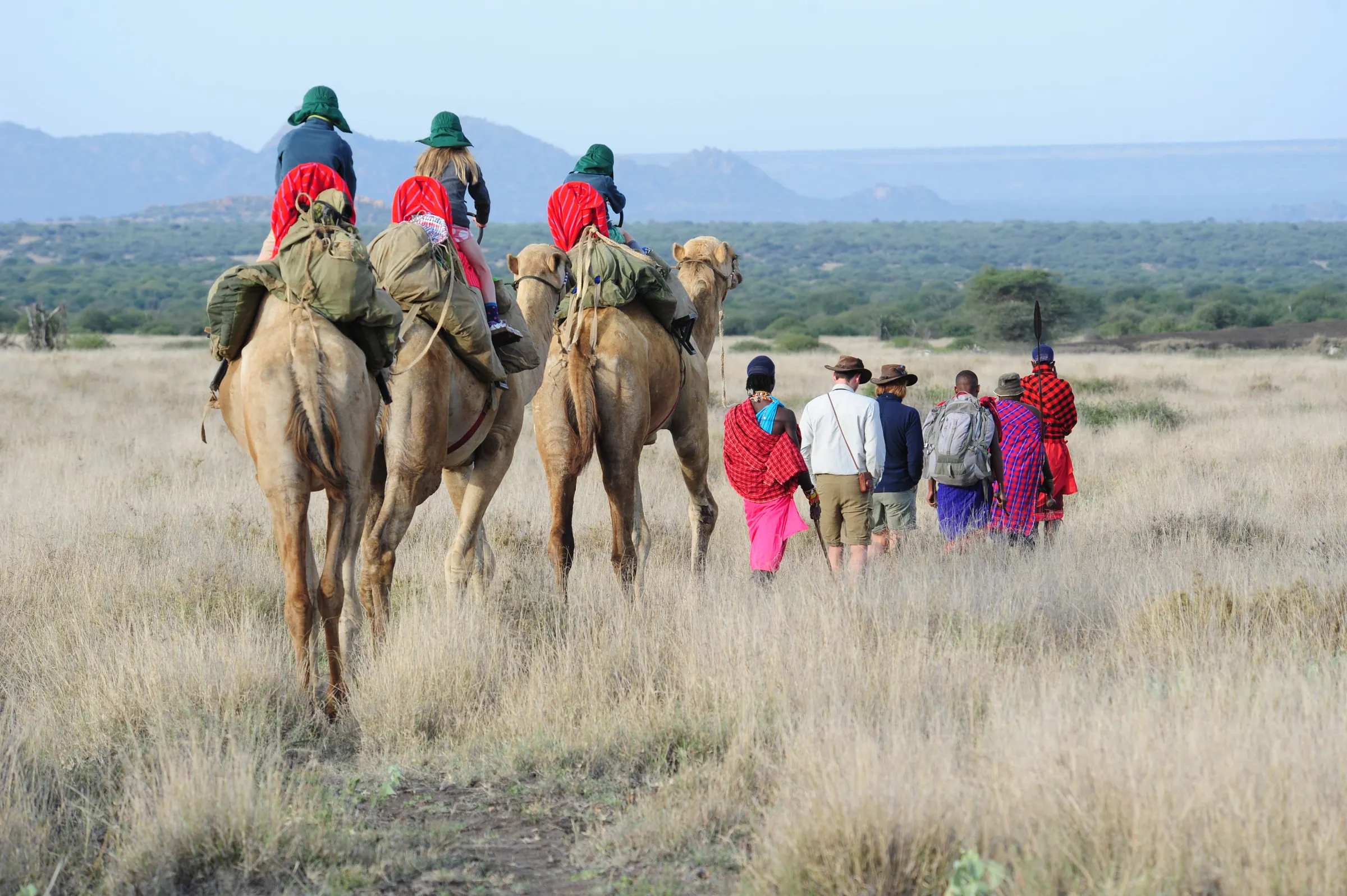
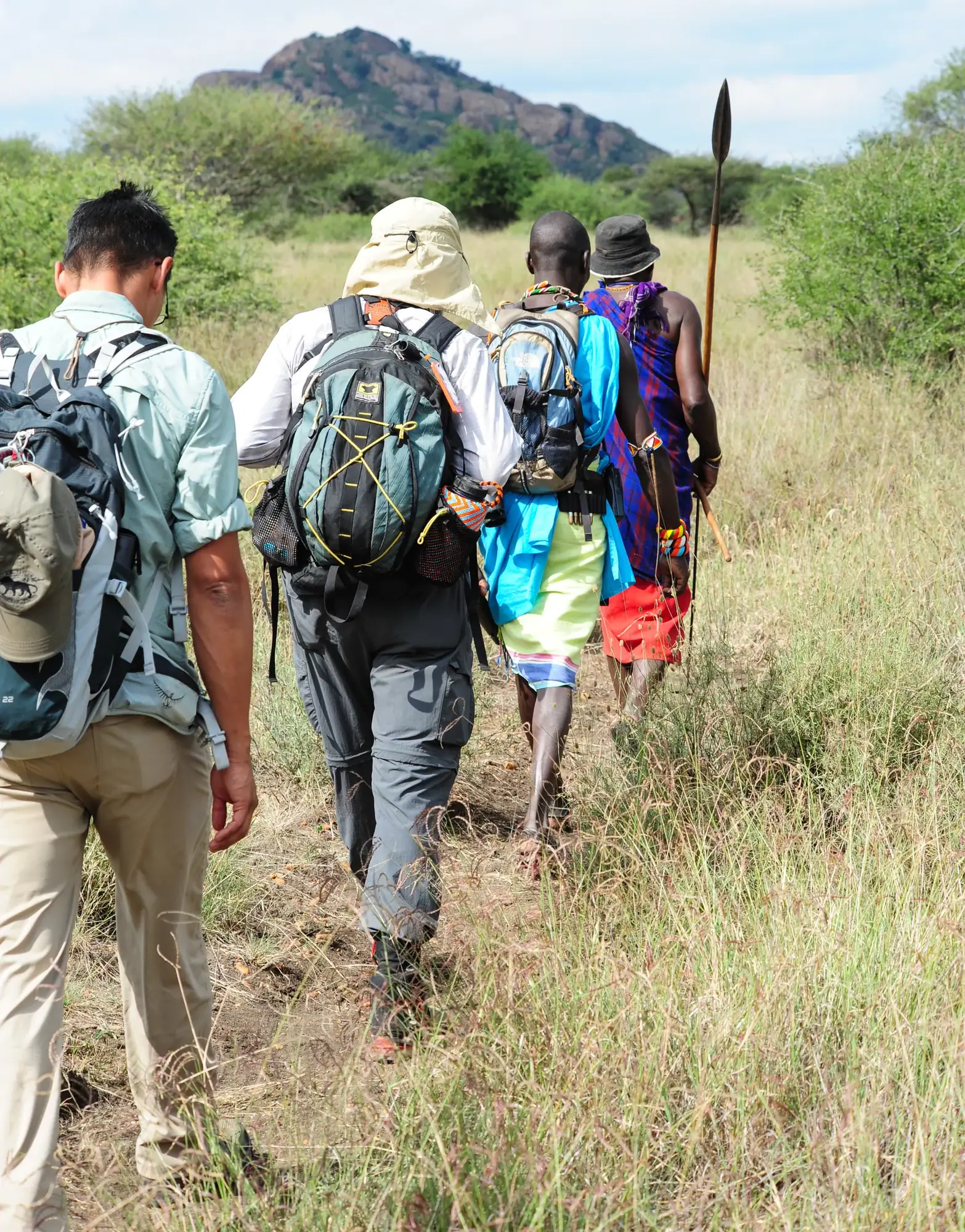
- Walking safaris with an armed ranger and often a Samburu or Maasai guide, including tracking black rhinos on foot in some conservancies
- Horse riding among giraffes and zebras, for riders with some experience
- Camel walks, with camels carrying the load and sometimes the children
- Night drives with a spotlight for aardvarks, bushbabies, hyenas and the chance of a leopard
- Off-road driving to a sighting, with conservancy rules on distance and time
- Sleeping out on star beds, open-sided platforms above the bush
- Meeting the researchers and rangers behind the rhino and elephant programs
The rhinos, and the rest
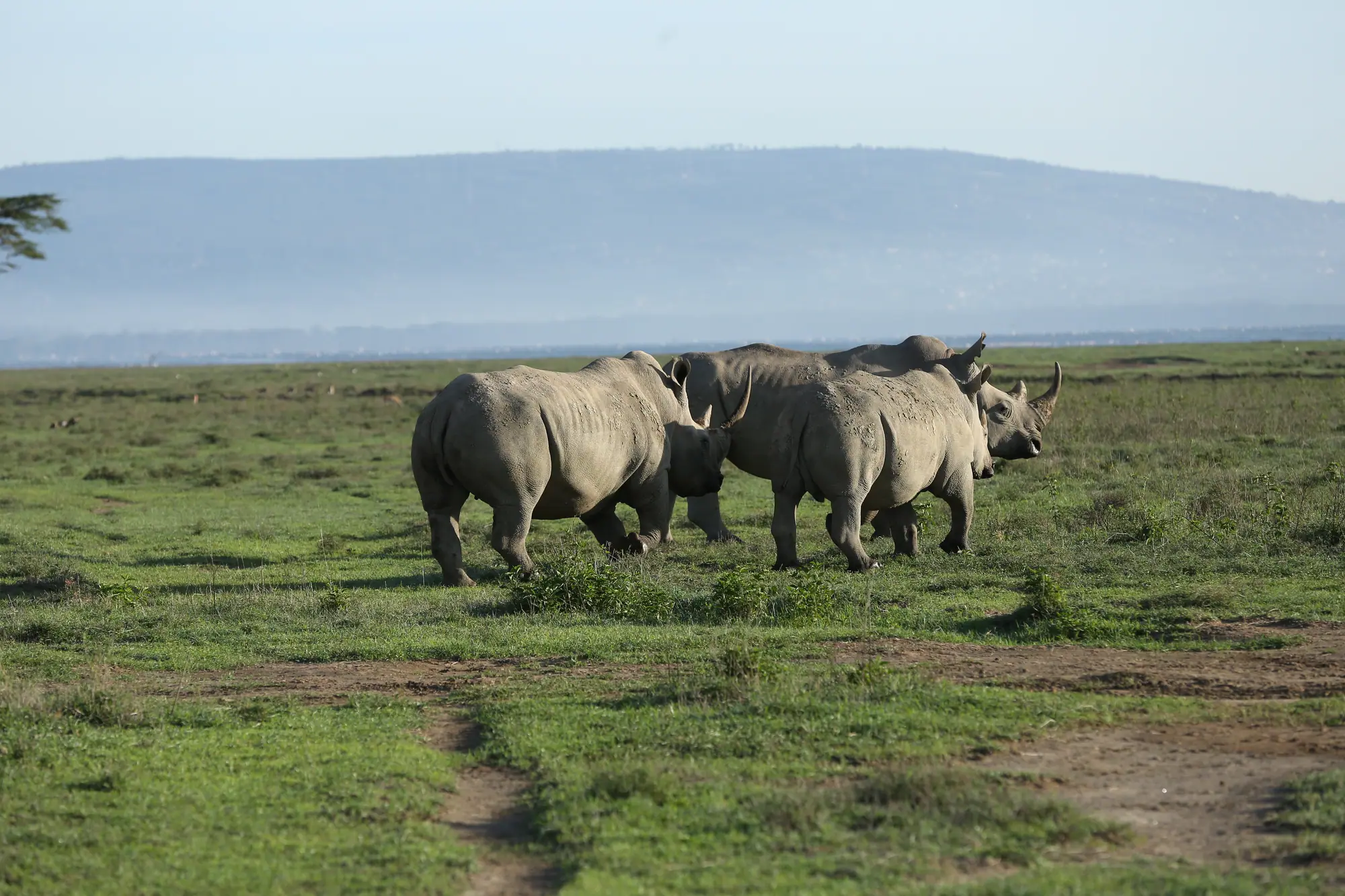
Laikipia holds more rhinos than any other part of Kenya, black and southern white, protected by fences, rangers and dogs. The most visited are at Ol Pejeta, where Najin and Fatu, the last two northern white rhinos, live under guard while scientists work on an IVF rescue program; visits to their enclosure are arranged through the conservancy, usually for an extra fee. Our page on meeting the northern white rhinos explains how. The plateau also has large elephant herds that move between the conservancies and the forests of Mount Kenya, reticulated giraffe, Grevy's zebra on Lewa, lions, leopards, wild dogs in the north and, at Ol Pejeta, rescued chimpanzees, which are not native to Kenya and live in a sanctuary there.
When to go
| Months | What to expect |
|---|---|
| Late December to March | Dry, warm days, green turning gold; excellent game viewing |
| April and May | The long rains; some camps close, roads soften, rates fall |
| June to October | Dry and cool, the classic season; book the small camps early |
| November | The short rains, usually afternoon showers; quiet and good value |
Getting there
By road, Nanyuki is about 3 hours from Nairobi on a good tarmac road through the central highlands, and Ol Pejeta is a short drive beyond. Scheduled light-aircraft flights from Wilson Airport reach Nanyuki in about 45 minutes and Lewa in about an hour, and most of the northern lodges have their own airstrips. The roads into the north and center of the plateau are long and rough, so for Loisaba, Segera or Il Ngwesi most guests fly. Our safari flight luggage guide explains the soft-bag limits on those small planes.
How long to stay, and how it fits a trip
Give it three or four nights, ideally split between two conservancies, such as Ol Pejeta for rhinos and chimps and Lewa, Borana or Loisaba for walking and riding. Laikipia pairs naturally with Samburu, about 2 to 3 hours north by road, with a Mount Kenya trek from Nanyuki, and with the Mara, a flight away. Our Samburu versus Laikipia comparison helps if you only have time for one.
What it costs
Laikipia leans to the top end. Many of the best camps are small, family-run and priced as luxury, with meals, activities and conservancy fees included. Ol Pejeta has the widest range, down to good-value tented camps and simple rooms, and Il Ngwesi is the value way into the community conservancies. Our Kenya safari cost guide sets out the daily rates by level, and our stay guide gives the price band for each lodge.
Why plan with us: Kenya Experience is Kenyan-led, with two U.S. companies behind it and Kenyan guides on the ground. You can pay in full or monthly with no deposit, and a specialist replies within two business days.