Towns and places. Updated November 2026. 4 min read.
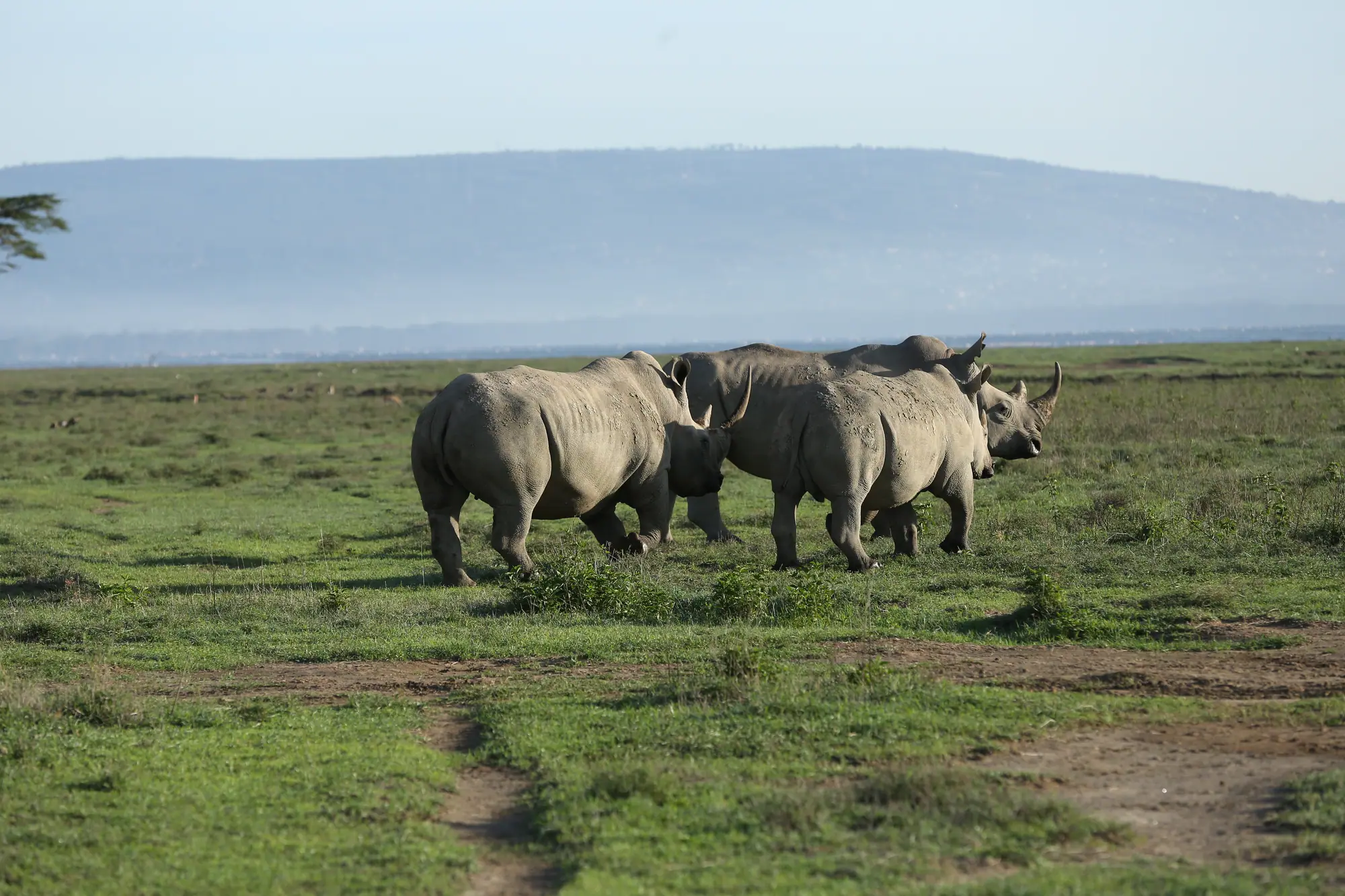
Nakuru shares a trick with Nairobi: a national park at the end of its streets. Drive ten minutes from the center and you are among black and white rhinos on the shore of a Rift Valley lake; look north and the long rim of Menengai Crater fills the skyline.
Nakuru became Kenya's fourth city in 2021. For travelers it is two things: the base for Lake Nakuru National Park, and the crossroads where the roads from Nairobi split for the Maasai Mara, Lake Baringo, Kericho, Kisumu and Eldoret. Most people spend one night, game-drive in the park at dawn and move on; add a second night if you want to walk Menengai Crater. Our Lake Nakuru park guide covers the wildlife and fees in full, and our Nakuru County page has the county facts; this page is about the town.
What to see
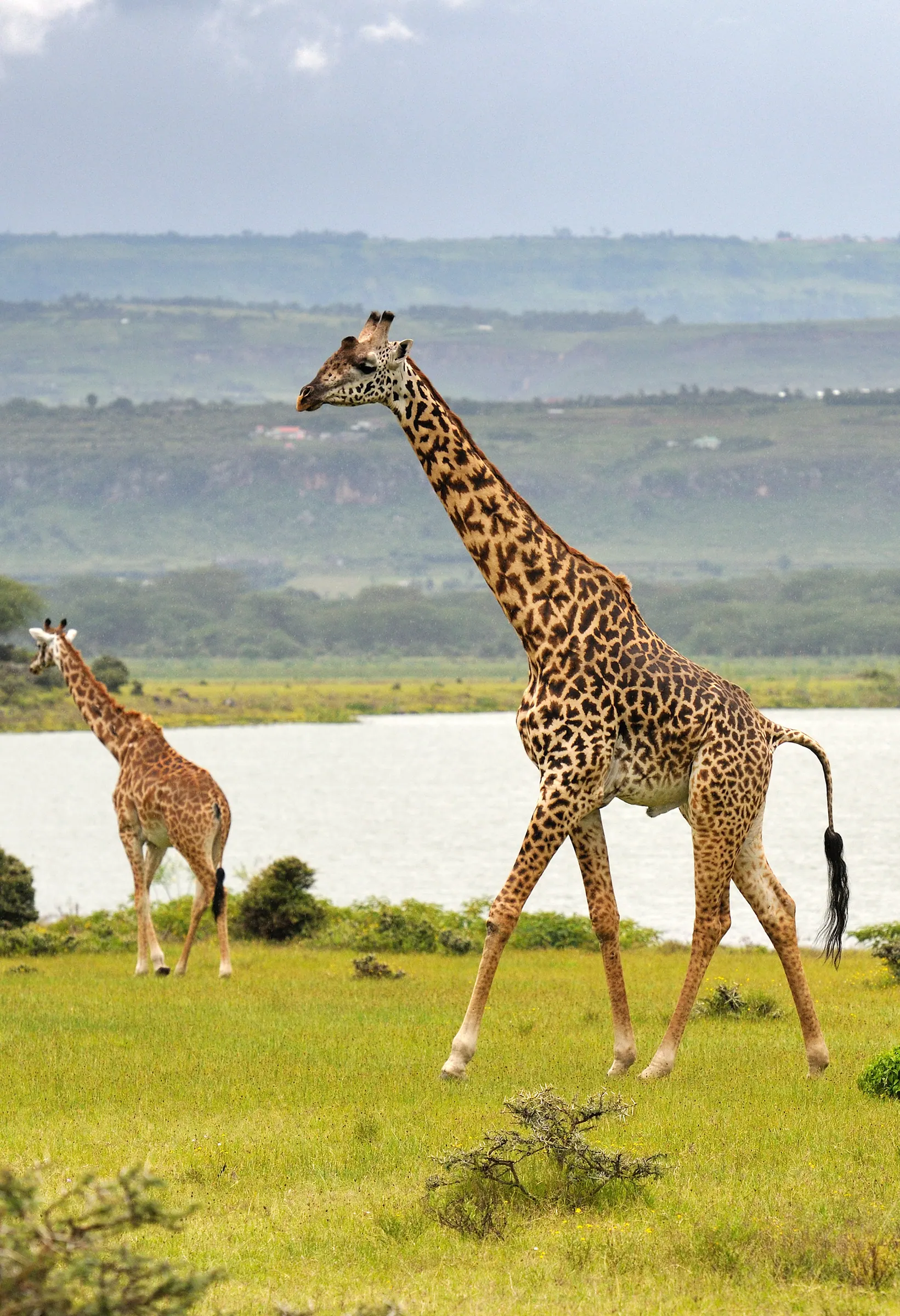
- Lake Nakuru National Park: Kenya's easiest place to see both black and white rhinos, with Rothschild's giraffe, lions, leopards and, depending on the water level, flamingos; non-resident entry is $90 per adult per day at the time of writing, paid through KWS's eCitizen portal
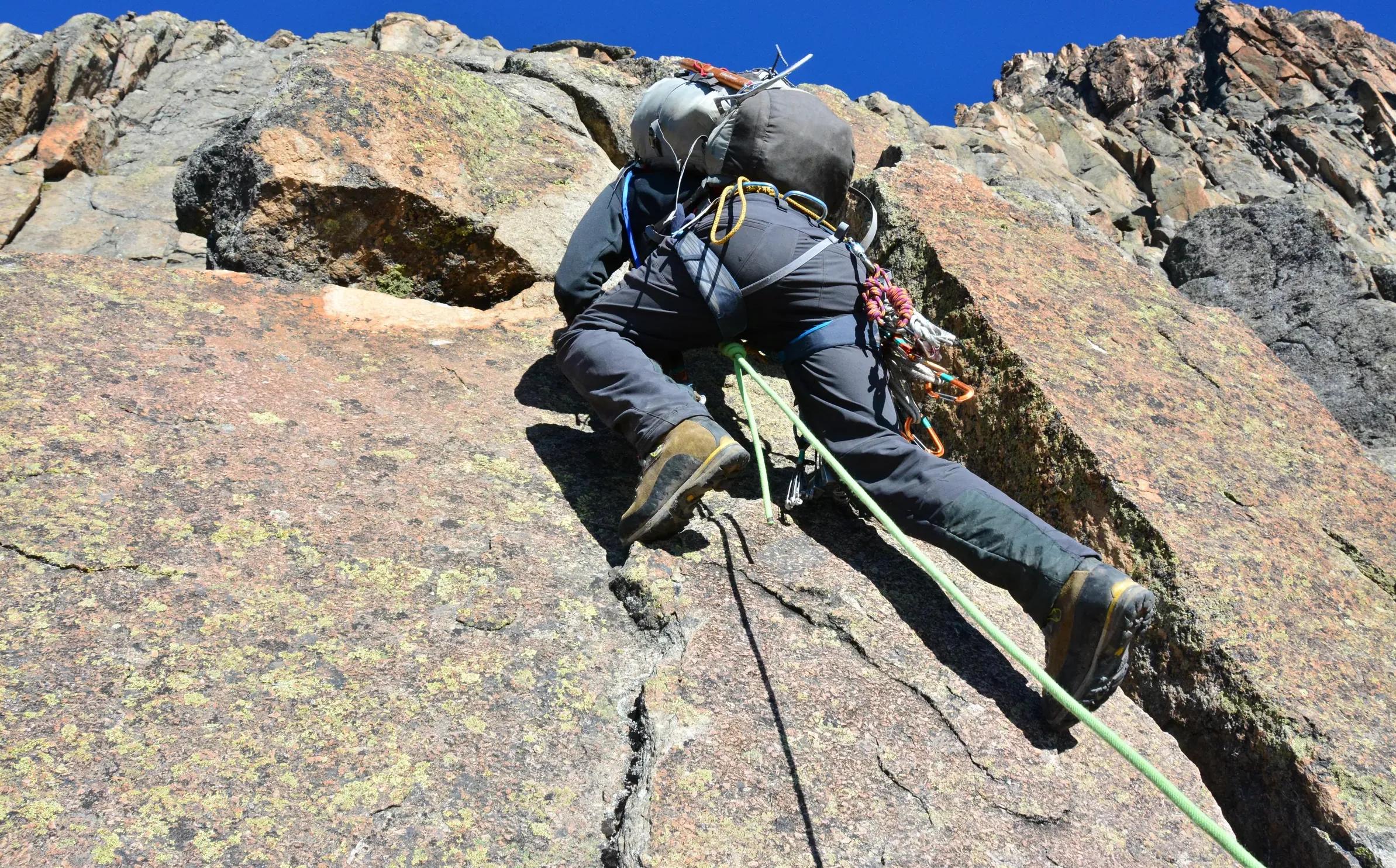
- Menengai Crater: one of the largest volcanic calderas in the world, about 12 km across, on the northern edge of town; drive up to the rim viewpoint for the view over the crater floor, or hike down and back, which takes 4 to 6 hot hours
- Hyrax Hill: a prehistoric site a few kilometres from the center, run by National Museums of Kenya, with Neolithic and Iron Age remains, a small museum and a bao board cut into the rock
- Lake Elementaita: a quieter soda lake about 30 minutes toward Nairobi, with flamingos, pelicans and hot springs, part of the same UNESCO World Heritage lake system as Nakuru and Bogoria
- The roadside choma: the stretch of highway around Nakuru is lined with butcheries and grills serving nyama choma, roast goat or beef, with kachumbari and ugali; ask your driver for his favourite
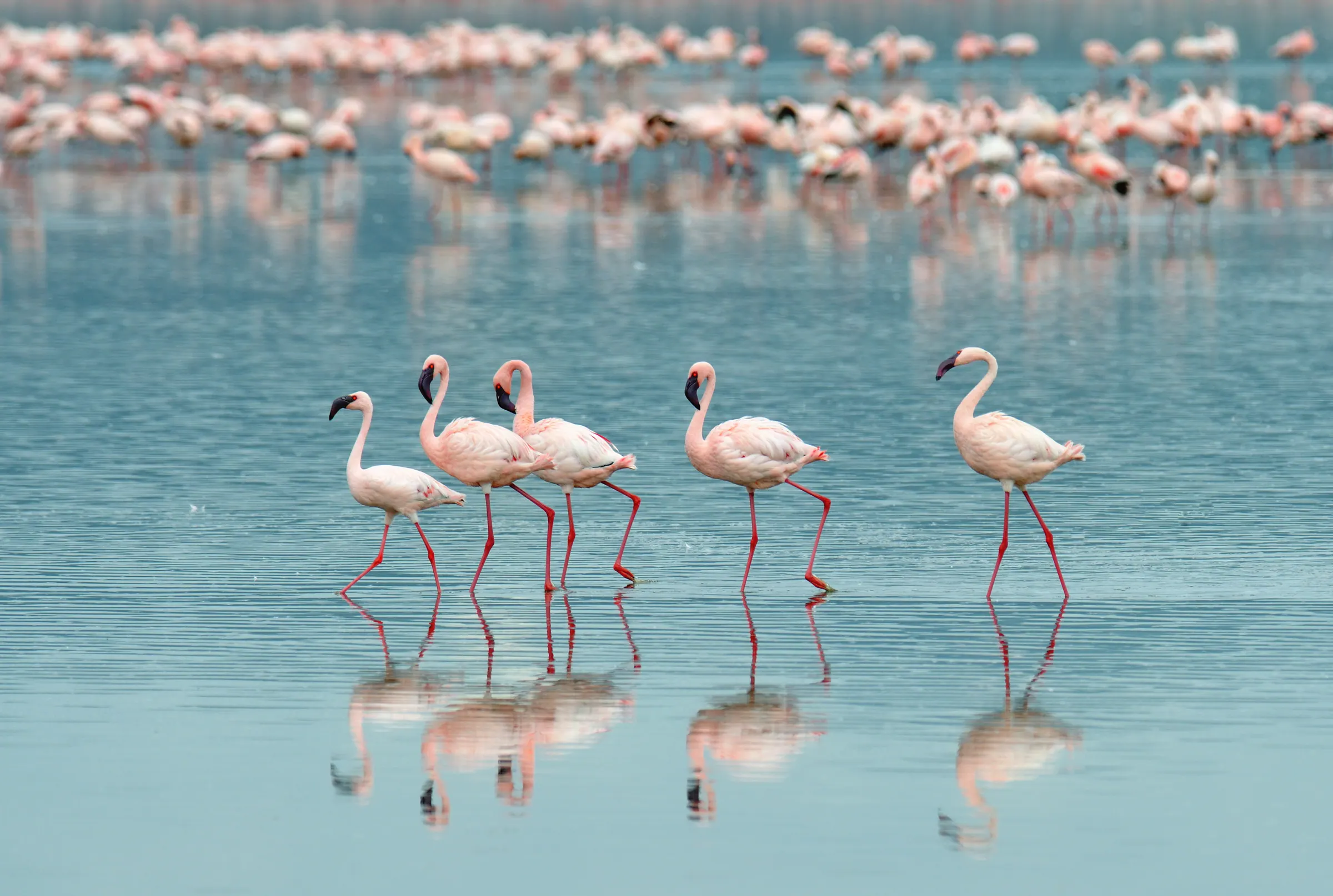
The flamingo question
Lake Nakuru made the pink flamingo famous, but numbers depend on the water. The lake has risen sharply since about 2013, flooding the old main gate and diluting the salty water the flamingos' algae need, so in some years there are few birds and in others there are large flocks. If flamingos are the reason for your trip, ask us before you go; Lake Bogoria, about 2 hours north, often has more. The rhinos are reliable either way.
Where to eat and sleep
Choose by what you want from the night. Inside the park, the lodges let you start a game drive at first light without a gate queue. In town, business and mid-range hotels are 10 minutes from the gate, cheaper and close to restaurants. Around Lake Elementaita, small camps and lodges are quieter and prettier. Our Nakuru stay guide names the hotels in each area. For food, the town has good Kenyan and Indian restaurants and cafes, and the roadside grills on the highway are the local favourite.
Getting there and on
| Route | Time by road | Notes |
|---|---|---|
| Nairobi to Nakuru | About 2.5 to 3 hours | Via the Rift Valley viewpoint and Naivasha; heavy trucks on the highway |
| Naivasha to Nakuru | About 1 to 1.5 hours | The most common pairing |
| Nakuru to the Maasai Mara | About 3 to 4 hours to Narok and on, often more | Via Narok; leave early to arrive for an afternoon drive |
| Nakuru to Lake Bogoria and Baringo | About 2 hours | Hot springs, flamingos and birds |
| Nakuru to Kericho | About 2 hours | Tea country, on the way west |
| Nakuru to Eldoret | About 2.5 to 3 hours | For Iten |
How long to stay, and how it fits a trip
One night is the norm: arrive in the afternoon, game-drive at dawn, and leave after breakfast for the Mara, Baringo or the west. Two nights lets you add Menengai and Hyrax Hill or Elementaita. Nakuru appears on our 7-day and 14-day itineraries between Naivasha and the Mara, and it opens our western Kenya route toward Kericho and Kisumu.
A short history
Nakuru takes its name from a Maasai word usually translated as a dusty place. It grew up as a station on the Uganda Railway in the early 1900s and became the farming capital of the Rift Valley highlands during the colonial era, when much of the surrounding land was taken for settler farms. Today it is one of Kenya's fastest-growing cities, a center for agriculture, geothermal power from Menengai and trade along the highway to Uganda.
Why plan with us: Kenya Experience is Kenyan-led, with two U.S. companies behind it and Kenyan guides on the ground. You can pay in full or monthly with no deposit, and a specialist replies within two business days.