Towns and places. Updated November 2026. 4 min read.
Every road safari to the Maasai Mara stops in Narok. It is the last town with fuel, a bank machine and a supermarket before the reserve, and the place where the plains start to feel like Maasai land.
Narok is the capital of Narok County, about 145 km and 2.5 to 3 hours from Nairobi, and roughly halfway to the Mara. Most visitors spend 30 minutes here: fuel, washrooms, coffee or lunch, cash and a jar of Maasai honey. That is the right amount of time for most trips. But Narok is also the town that runs the Mara, since the county government manages the reserve and sets its fees, and it is worth knowing what it offers if you arrive late, break down or want to see a working Maasai market town rather than a lodge. Our Nairobi to the Mara by road guide covers the drive leg by leg; this page is about the town.
What to do in 30 minutes
- Fill the tank: fuel beyond Narok is scarce and expensive, so your driver will fill up here
- Get cash: the ATMs in town are the last reliable ones before the Mara, useful for tips, village visits and small purchases, even though the reserve gates take cards
- Stock up: the supermarkets have water, snacks, sunscreen, batteries and anything you forgot
- Use a clean washroom: the restaurants and fuel stations on the main road are the last good ones for a while
- Buy honey: Maasai honey, sold in jars and bottles along the main road, is dark and smoky, and makes a good gift
A Maasai market town
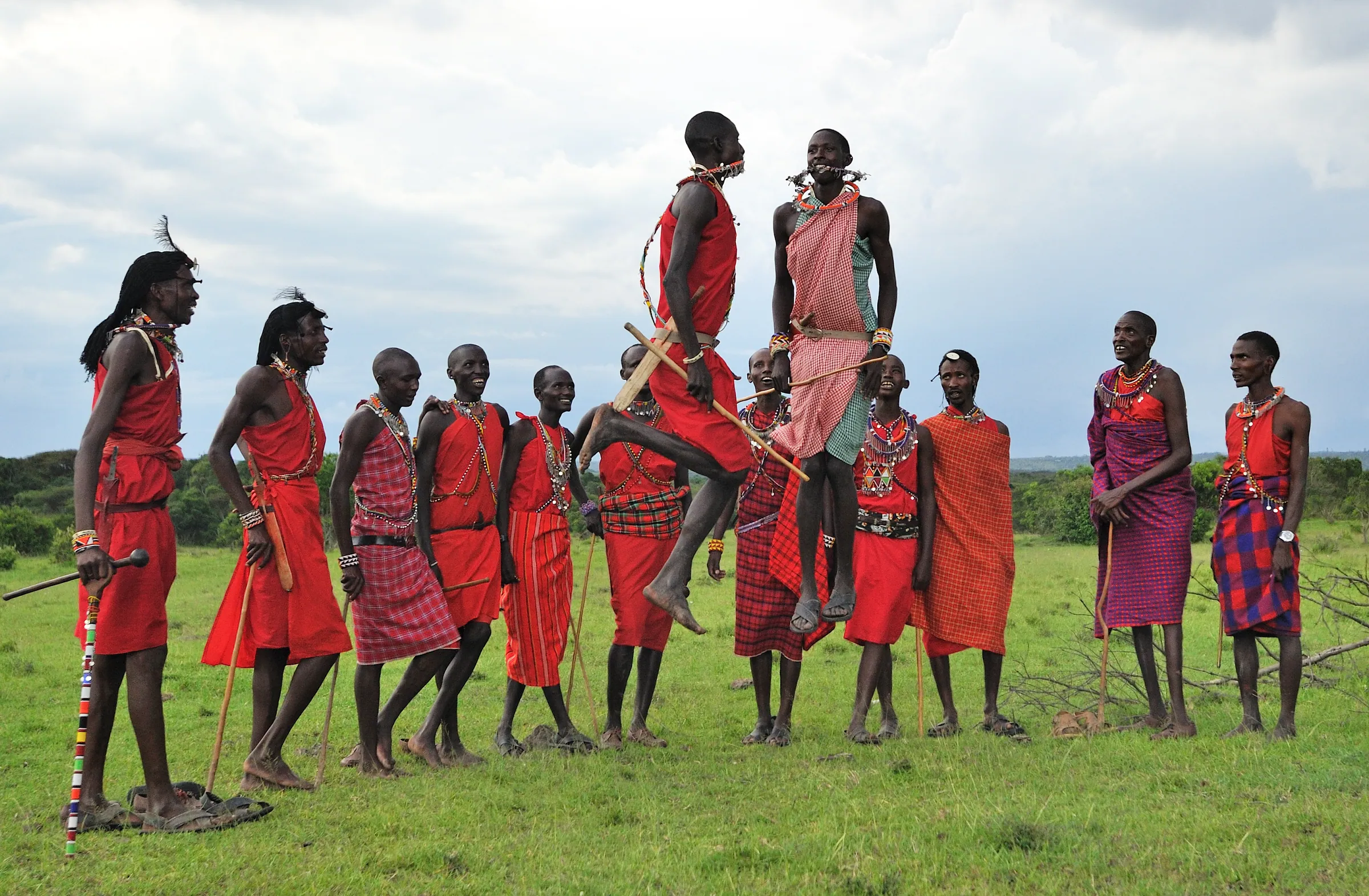
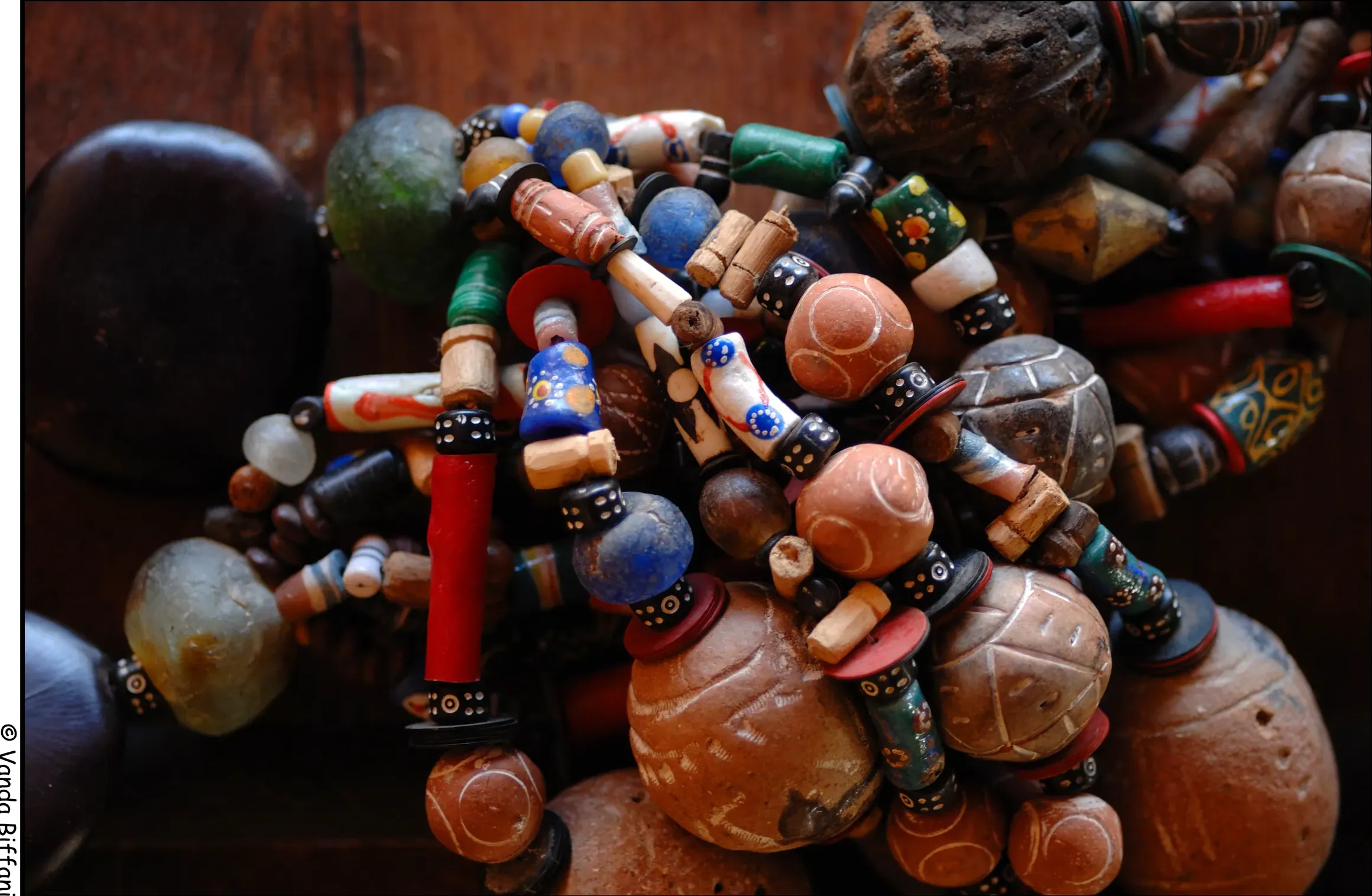
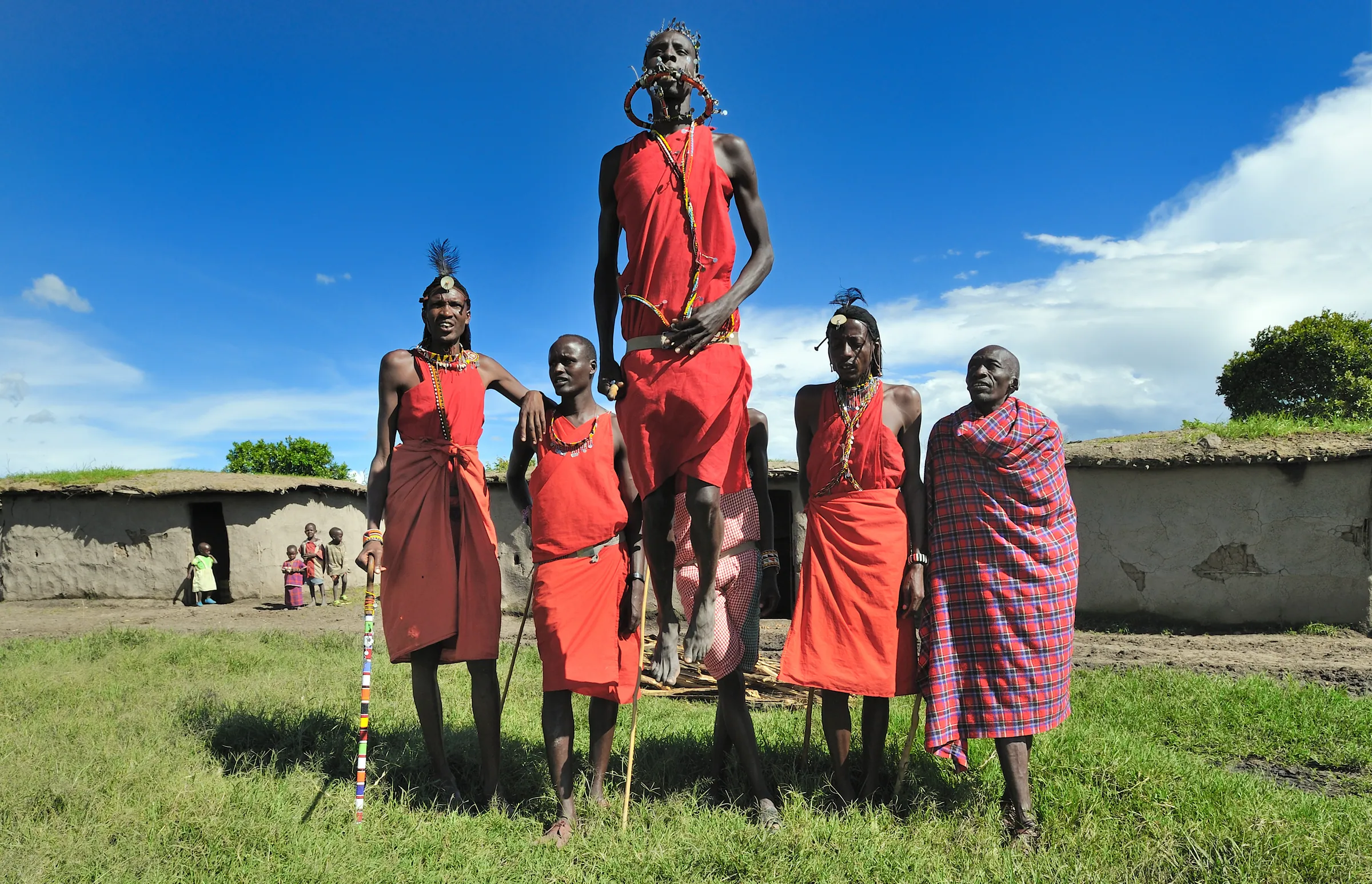
Narok means black in the Maa language, after the dark water of the Enkare Narok, the river that runs through town. It is a county capital and a trading town for the Maasai of the surrounding plains, and on market days the town fills with herders, traders and livestock. Around it lies one of Kenya's main wheat and barley belts, the open farmland you drive through before the plains, and north and west the land rises toward the Mau forest. Beadwork from the women's groups around Narok is sold in town and at the curio shops; prices are better than inside the lodges, and buying from a cooperative means the money goes to the women who made it. Our Maasai page explains the beadwork colours and the culture behind them.
The county that runs the Mara
The Maasai Mara National Reserve is not run by Kenya Wildlife Service but by the Narok County Government, and its fees fund much of the county's budget. At the time of writing, non-resident adults pay $100 per day from January to June and $200 from July to December, paid at the Sekenani, Talek and Musiara gates by cash or card; the Mara Triangle, on the far side of the river, is run separately and is cashless. Our park fees page has the full table, and fees change, so check before you travel.
Where to eat and break the drive
Along the main road there are restaurants, cafes and fuel-station shops serving coffee, sandwiches, chips and Kenyan lunches; your driver will have a regular stop with clean washrooms. If you leave Nairobi late or the road is slow, stay the night in one of Narok's simple hotels rather than driving the last stretch in the dark: the gates close at 6pm and the road beyond is rough. You will arrive in the Mara fresh the next morning.
Distances from Narok
| To | Distance | Time by road |
|---|---|---|
| Nairobi | About 145 km | About 2.5 to 3 hours |
| Sekenani Gate (main reserve) | About 90 km | About 1 hour 45 minutes to 2 hours |
| Oloololo Gate (Mara Triangle) | About 120 km | About 2.5 hours |
| Lake Naivasha | About 120 km | About 2 hours |
| Bomet and Kericho | West on the B3 | About 1.5 hours to Bomet, 2.5 to 3 hours to Kericho |
Beyond the main road
Few visitors know that Narok County holds more than the Mara. South of town, the Loita Hills are Maasai highland country of forest and grass, with walking safaris led by Maasai guides for travelers who want days on foot rather than in a vehicle. West of town, the road through Bomet to Kericho links the Mara with the tea country and western Kenya, which is how our safaris continue to Lake Victoria without returning to Nairobi.
Good to know
- Expect police checks on the approach to Narok; they are routine, and a licensed safari vehicle passes quickly
- Curio sellers can be persistent at the stops; a smile and a firm no thanks is enough
- Phone signal fades after Narok, so download maps and send messages here
- It can be cold in the early morning and hot by midday; keep a layer handy
Why plan with us: Kenya Experience is Kenyan-led, with two U.S. companies behind it and Kenyan guides on the ground. You can pay in full or monthly with no deposit, and a specialist replies within two business days.