Travel essentials. Updated November 2026. 5 min read.
Park fees are the biggest line item most people never budget for: $200 per person per day in the Maasai Mara in August, $90 in Amboseli, $80 in Nairobi National Park. A couple spending three days in the Mara in August and two in Amboseli pays $1,560 in fees alone, before a single night's accommodation.
Here is every major fee in one table, who collects it and how to pay. The short version: Kenya's national parks are run by the Kenya Wildlife Service (KWS) and paid through eCitizen; the Maasai Mara National Reserve is run by Narok County, with the Mara Triangle managed by the Mara Conservancy; Samburu belongs to the counties; and private conservancies set their own fees, which are usually included in your camp's rate.
The fee table: non-resident rates
| Park or reserve | Non-resident adult, per day | Child, per day | Who runs it and how to pay |
|---|---|---|---|
| Maasai Mara National Reserve | $100 January to June; $200 July to December | $50 (ages 9 to 17); young children free | Narok County: cash or card at Sekenani, Talek and Musiara gates. Mara Triangle gates are cashless: Visa, Mastercard, M-Pesa |
| Mara conservancies | $80 to $120 per night | $45 to $75 | Set by each conservancy; usually inside the camp rate |
| Amboseli National Park | $90 | $45 | KWS, eCitizen |
| Lake Nakuru National Park | $90 | $45 | KWS, eCitizen |
| Nairobi National Park | $80 | $40 | KWS, eCitizen |
| Tsavo East and Tsavo West | $80 | $40 | KWS, eCitizen |
| Mount Kenya National Park | $80; separate climbing rates apply | $35 | KWS, eCitizen |
| Meru and Aberdare National Parks | $70 | $35 | KWS, eCitizen |
| Hell's Gate National Park | $50 | $25 | KWS, eCitizen |
| Samburu, Buffalo Springs and Shaba | About $85 | Check with the county | Samburu and Isiolo county governments; at the gate or through your lodge |
| Ol Pejeta and Laikipia conservancies | $60 to $150 | Varies by conservancy | Private; usually included in the camp rate |
Kenyan citizens, East African citizens and residents of Kenya pay much lower rates, in shillings, when they show the right ID. If you are a Kenyan living in the U.S., our citizen park fees guide explains which documents to carry and how the categories work.
How fees are counted
Fees are charged per person, per day, and the clock matters. In the Maasai Mara, the reserve ticket runs from 6am to 6pm, and leaving after your ticket ends can cost you another full day's fee. Your guide times the exit so that does not happen by accident. KWS tickets are bought for a number of days on eCitizen, so check the validity printed on yours. Conservancy fees are charged per night you sleep there.
KWS raised its fees in 2025, after an 18-year freeze, with the new rates in force from October 1, 2025, and peak-season pricing applies in some parks. Vehicle fees are extra, from about KSh 400 to KSh 5,000 per day depending on the size of the vehicle; on a guided safari, your operator pays them. Student groups can get student rates in the Mara with two weeks' notice, which is worth knowing for school trips.
How to pay: the eCitizen steps for KWS parks
- Go to kws.ecitizen.go.ke, the official KWS payment portal, and create an eCitizen account with your passport details.
- Choose the park, your date of entry, the number of days and each person's category: non-resident adult or child.
- Add your vehicle if you are driving yourself.
- Pay by card or M-Pesa.
- Print the receipt or keep it on your phone, and show it with your passport at the gate.
In the Mara, you pay at the gate. Narok County's gates at Sekenani, Talek and Musiara take cash and cards. The Mara Triangle's gates are cashless and take Visa, Mastercard and M-Pesa only. Carry a backup card either way, because card machines and connections at remote gates can fail.
Fees people forget
- Vehicle fees: charged per vehicle per day on top of the per-person fees, from about KSh 400 to KSh 5,000 by size.
- The late exit: in the Mara, leaving after your ticket ends can cost a whole extra day.
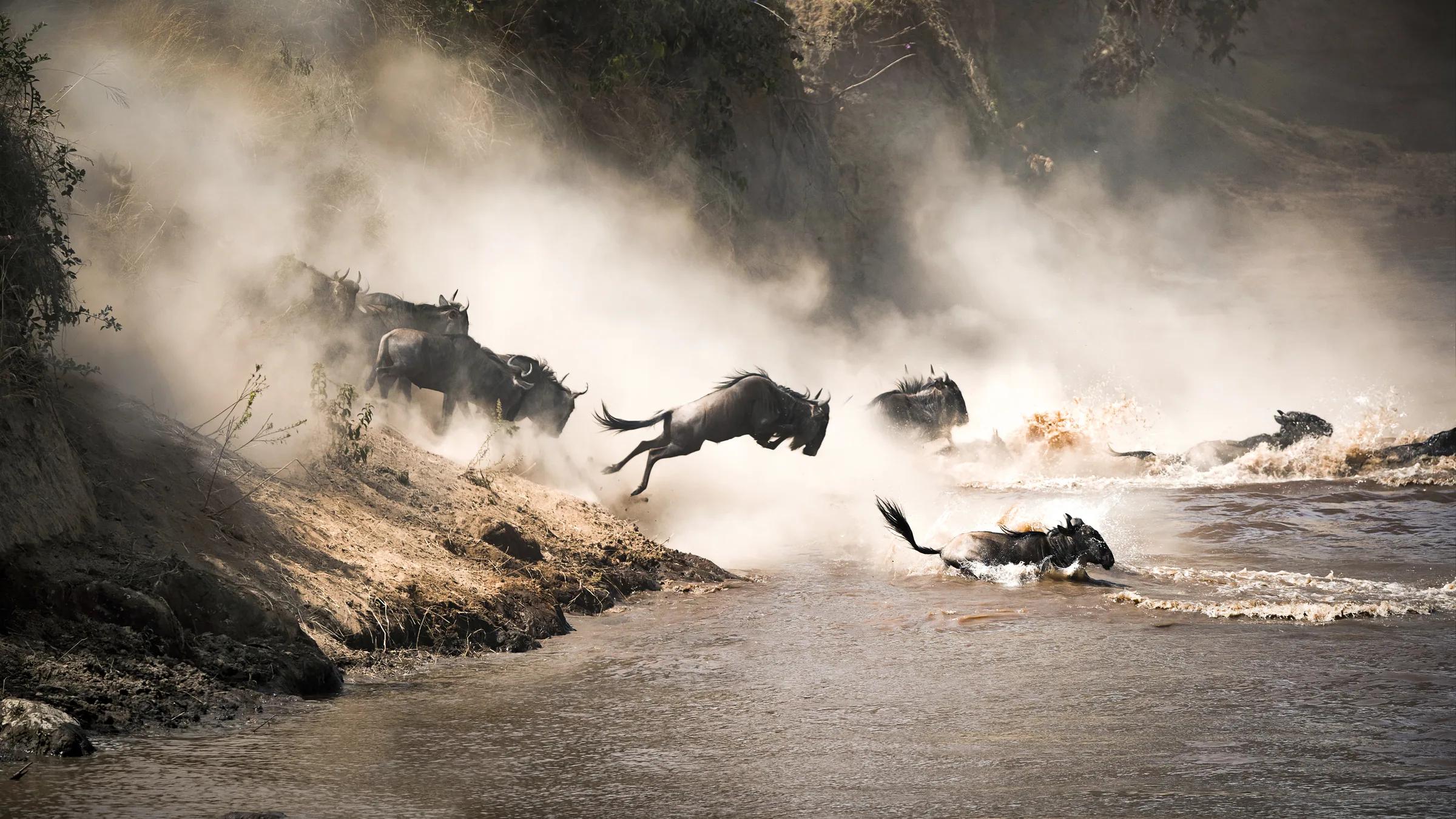
- Reserve days from a conservancy: if you sleep in a Mara conservancy and drive into the reserve for the river crossings, you pay the reserve fee for each day you enter, on top of the conservancy fee.
- Two parks in one day: crossing from one park to another on the same day means two sets of fees.
- Peak dates: some KWS parks charge more in peak season, so the same itinerary can cost more in August than in May.
What packages include
Most safari packages include park fees, and the quote should say so in writing. Fly-in safaris sometimes do not: the camp collects the fee on arrival, which makes the advertised price look lower. Read the fine print for the words park fees not included. On our itineraries, park and conservancy fees are included in the price, and your quote lists them.
| Example trip, two adults | Fee days | Park fees for two |
|---|---|---|
| Three days in the Mara reserve in August | 3 x $200 | $1,200 |
| Three days in the Mara reserve in March | 3 x $100 | $600 |
| Two days in Amboseli | 2 x $90 | $360 |
| One day in Lake Nakuru | 1 x $90 | $180 |
| A morning in Nairobi National Park | 1 x $80 | $160 |
Where the money goes
Park fees are not a tourist tax. KWS fees pay for rangers, anti-poaching patrols, roads, rhino protection and the many parks that never earn back their costs. Mara reserve fees fund Narok County's management of the reserve, and a share goes to surrounding communities. Conservancy fees are paid to the Maasai landowners who lease their land for wildlife instead of farming or fencing it, which is the reason the conservancies exist. Our guide to conservancies and national reserves explains the difference, and our sustainable travel page explains how we choose camps.
Changelog
- November 12, 2026: page published with the fees published by KWS (October 2025 schedule), Narok County, the Mara Triangle and the conservancies at the time of writing.
- October 1, 2025: new KWS conservation fees took effect, the first rise after an 18-year freeze.