Travel essentials. Updated November 2026. 4 min read.
Kenya banned plastic carrier bags in 2017, with some of the toughest penalties in the world, then banned single-use plastics in every national park, reserve and beach in 2020. Nobody is going to arrest you for a ziplock. But here is what to leave at home, and the other rules visitors trip over.
In plain words: do not bring thin plastic shopping bags, including duty-free bags, because they can be taken from you at the airport. Do not carry single-use plastic water bottles, straws or cutlery into parks or onto beaches. Bring a refillable bottle and pack in cloth or paper. Ziplock bags for toiletries are fine as long as they stay in your luggage. That is almost all of it.
The plastic rules in plain words
Since August 28, 2017, plastic carrier bags, the thin kind you get at a shop, have been banned in Kenya: making them, selling them and using them. On paper the penalties are severe, up to KSh 4 million or four years in prison, as UNEP and others widely reported. In practice, visitors simply have the bags taken, most often duty-free bags at JKIA. Move duty-free purchases into your luggage before you land.
Since June 5, 2020, single-use plastics have been banned in national parks, reserves, beaches, forests and conservation areas. That covers PET water bottles, straws, cutlery, plates and cups. Camps and lodges provide filtered water, usually in refillable bottles, so bring your own bottle or use theirs. Kenya's environment regulator, NEMA, is responsible for the bans.
Pack this, not that
| Do not bring or buy | Use instead |
|---|---|
| Thin plastic shopping bags and duty-free bags | A cloth tote, paper bags or packing cubes |
| Single-use water bottles for the parks | A refillable bottle; camps provide filtered water |
| Plastic straws, cutlery and cups | A reusable straw, or none; camps supply cutlery |
| Plastic laundry bags | A cloth laundry bag or a packing cube |
| A drone, unless you hold permits | Binoculars and a long lens |
| Ivory, shell, coral or horn souvenirs | Beadwork, wood carvings, kikoi and kanga cloth, bought from the makers |
Ten other rules visitors trip over
- Photography: do not photograph military sites, police, government buildings, airports or the presidential motorcade. Our drones and photography page has the details.
- Drones: they need permits from the Kenya Civil Aviation Authority and are not allowed in national parks or reserves.
- Smoking: only in designated smoking areas. Smoking on the street in Nairobi can bring a fine.
- Drinking: drink in bars, restaurants and lodges, not on the street; public drinking breaks local rules in Nairobi and other towns.
- Cannabis is illegal in Kenya, whatever the law in your home state.
- Same-sex relations are criminalized under Kenyan law. LGBTQ+ travelers do visit Kenya, and public displays of affection are uncommon for any couple; read the State Department's guidance for LGBTQI+ travelers before you go.
- Wildlife products: no ivory, shells, coral, horn, skins or other animal products may leave the country, and customs check for endangered species.
- Paperwork: your eTA details must match your passport exactly. Carry your passport or a copy, as police can ask for ID.
- Dress: on the Muslim coast, in Lamu and Mombasa's Old Town, cover shoulders and knees away from the beach. Swimwear is for the beach and the pool.
- Money manners: tipping is expected on safari, and bargaining is expected in markets. Our tipping guide has the amounts; bargain with a smile.
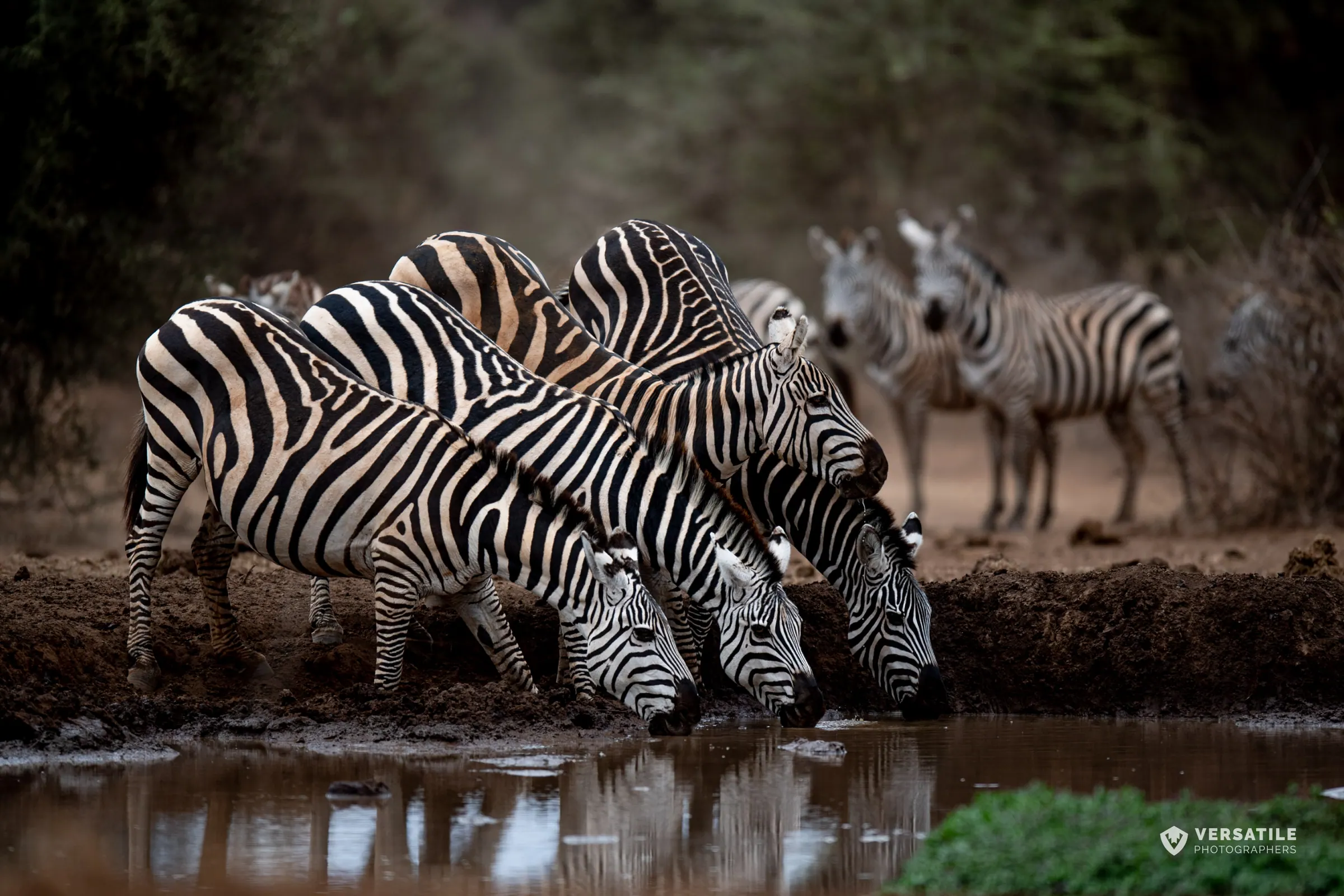
Rules in the parks
- Stay in the vehicle except at marked picnic sites, viewpoints or with a ranger.
- Never feed animals, including the monkeys and baboons at lodges and picnic sites.
- No off-road driving in national parks and reserves; conservancies set their own rules.
- Keep to park speed limits, commonly about 40 km/h; check the rules at each gate.
- No flash photography at night, and no calling or banging to get an animal's attention.
- Take every scrap of litter out with you.
Our game drive etiquette guide covers the unwritten rules too: noise, distance, sharing sightings and how to treat your guide.
Customs: what to declare
- Drones, always. Undeclared drones are commonly confiscated, and declaring one does not guarantee entry without a KCAA permit.
- Alcohol and tobacco above the duty-free allowance. Check the current limits with the Kenya Revenue Authority before you fly.
- Large amounts of cash. Declare what the official customs form asks you to declare, and keep exchange receipts.
- Prescription medicines: carry them in their original packaging with a copy of the prescription, especially for strong painkillers or sleeping pills.
- Gifts and goods for sale or donation, such as school supplies for a group project, which may attract duty. Tell us in advance and we will advise.
On the way out, the rules flip: no shells, coral, ivory, horn, skins or other wildlife products in your bags, however small or however they were sold to you. Carvings, beadwork, coffee, tea and textiles are all fine. If a seller tells you a product made from an animal is legal to export, do not buy it.

What happens if you get it wrong
Almost always, nothing dramatic. A plastic bag is taken at the airport. A ranger asks your driver to get back on the track. A police officer asks you to delete a photo. Stay polite and comply, and if anyone asks for money on the spot, ask for an official receipt and the officer's name, and call us. The serious exceptions are drugs, wildlife products and undeclared drones, which can mean fines, confiscation or arrest.