Planning a safari. Updated November 2026. 4 min read.
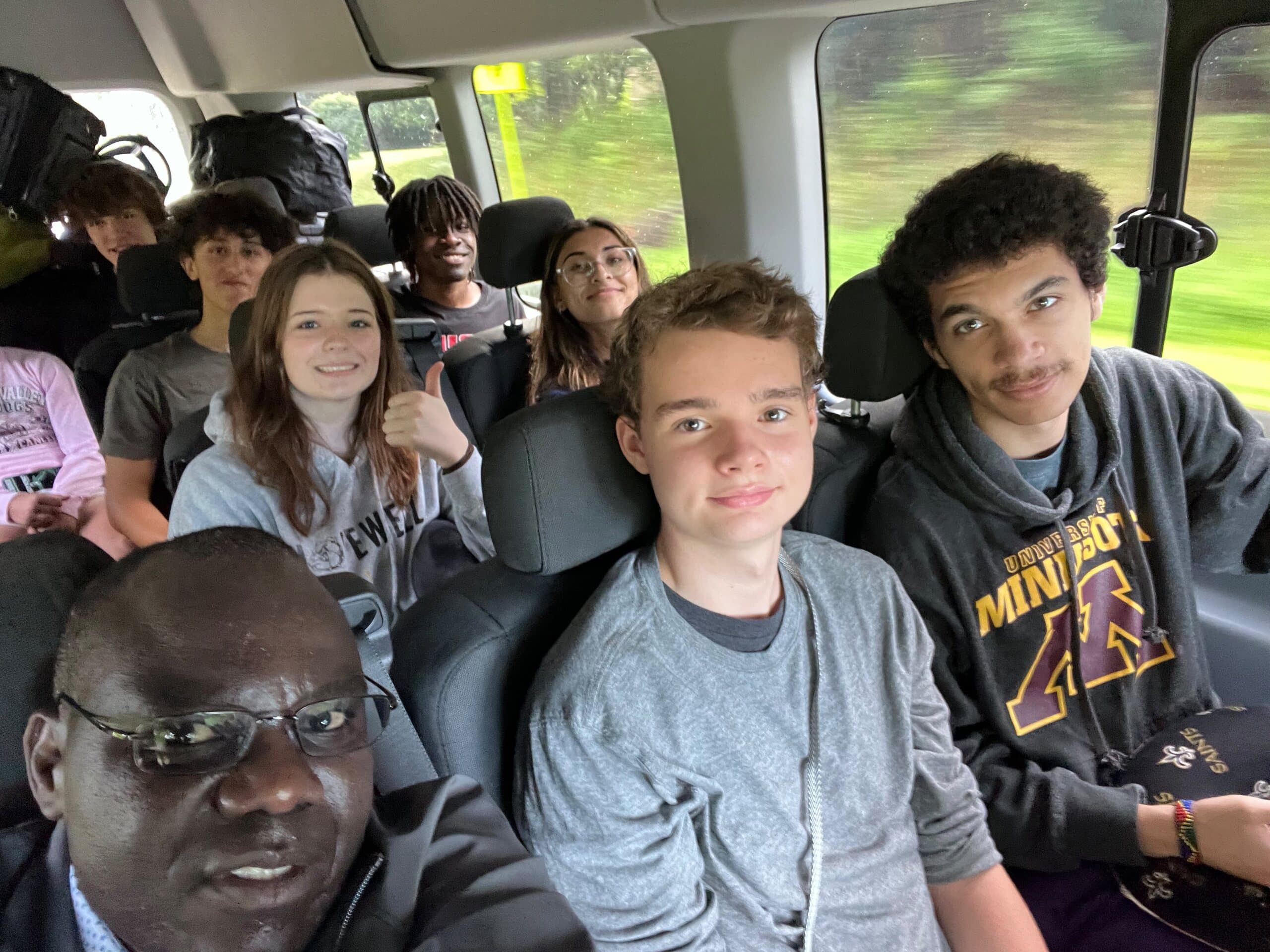
A game drive is a shared room on wheels with a leopard outside. The rules are simple: stay quiet, stay seated, be patient, and remember that the animal always has right of way.
Some of the rules protect the wildlife, and the parks enforce them. Others protect the mood in the vehicle, and nobody enforces them but you. Both matter. Here is what to do, what not to do, and how to get the best from your guide, whether you share a vehicle with strangers or with your own family.
The rules that protect the animals
Kenya's parks and reserves publish their own rules: Kenya Wildlife Service for the national parks, Narok County for the Maasai Mara National Reserve, and the Mara Conservancy for the Mara Triangle. They differ in detail, so check the rules for your park, but the core is the same everywhere. Breaking them can mean a fine or a ban for your guide.
- Stay in the vehicle, except at designated points such as picnic sites, viewpoints and ranger-guarded hippo pools
- Keep to the speed limits; they protect animals crossing the tracks, and you
- No off-road driving in the national reserve; conservancies allow it, with limits on when and how close
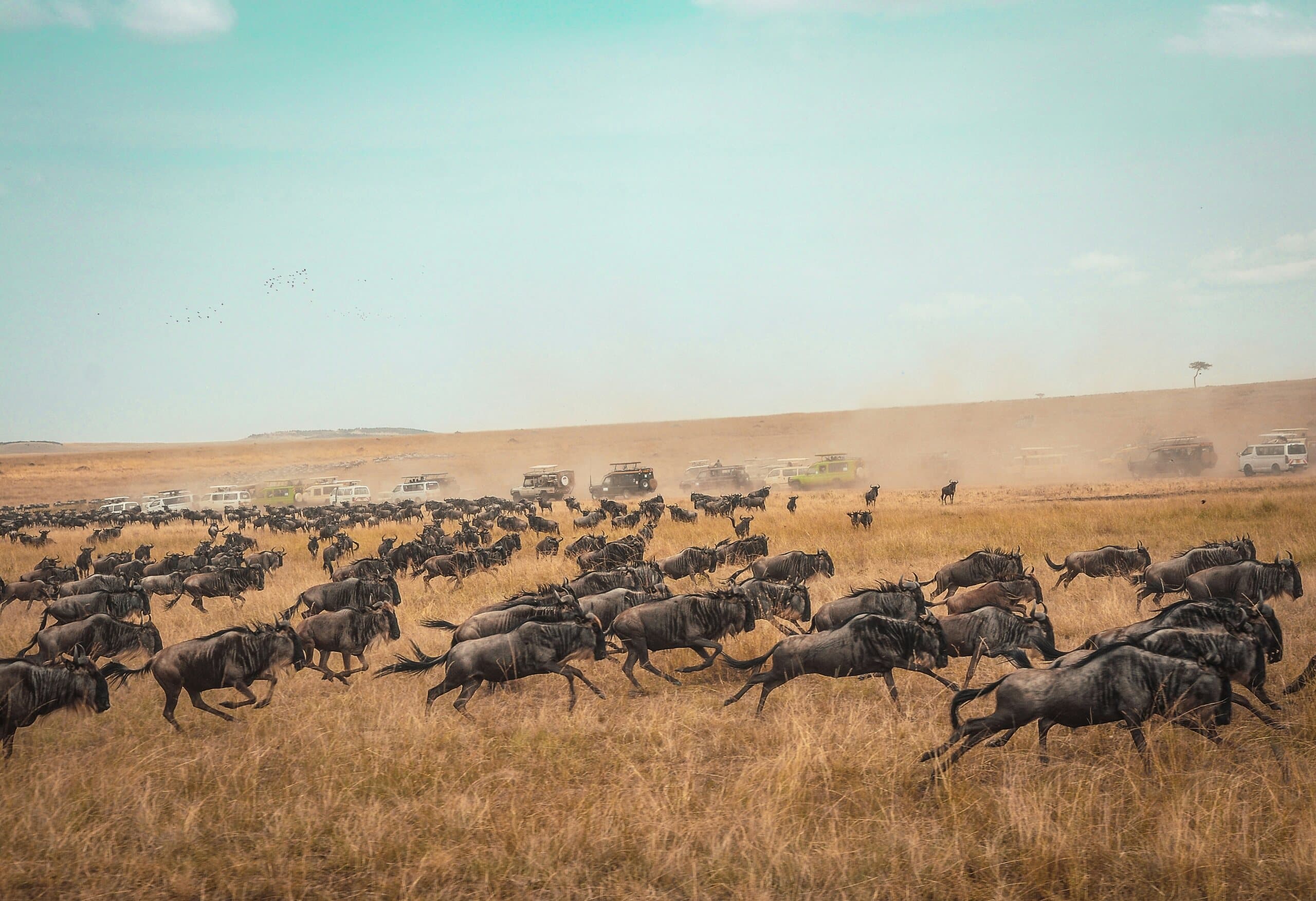
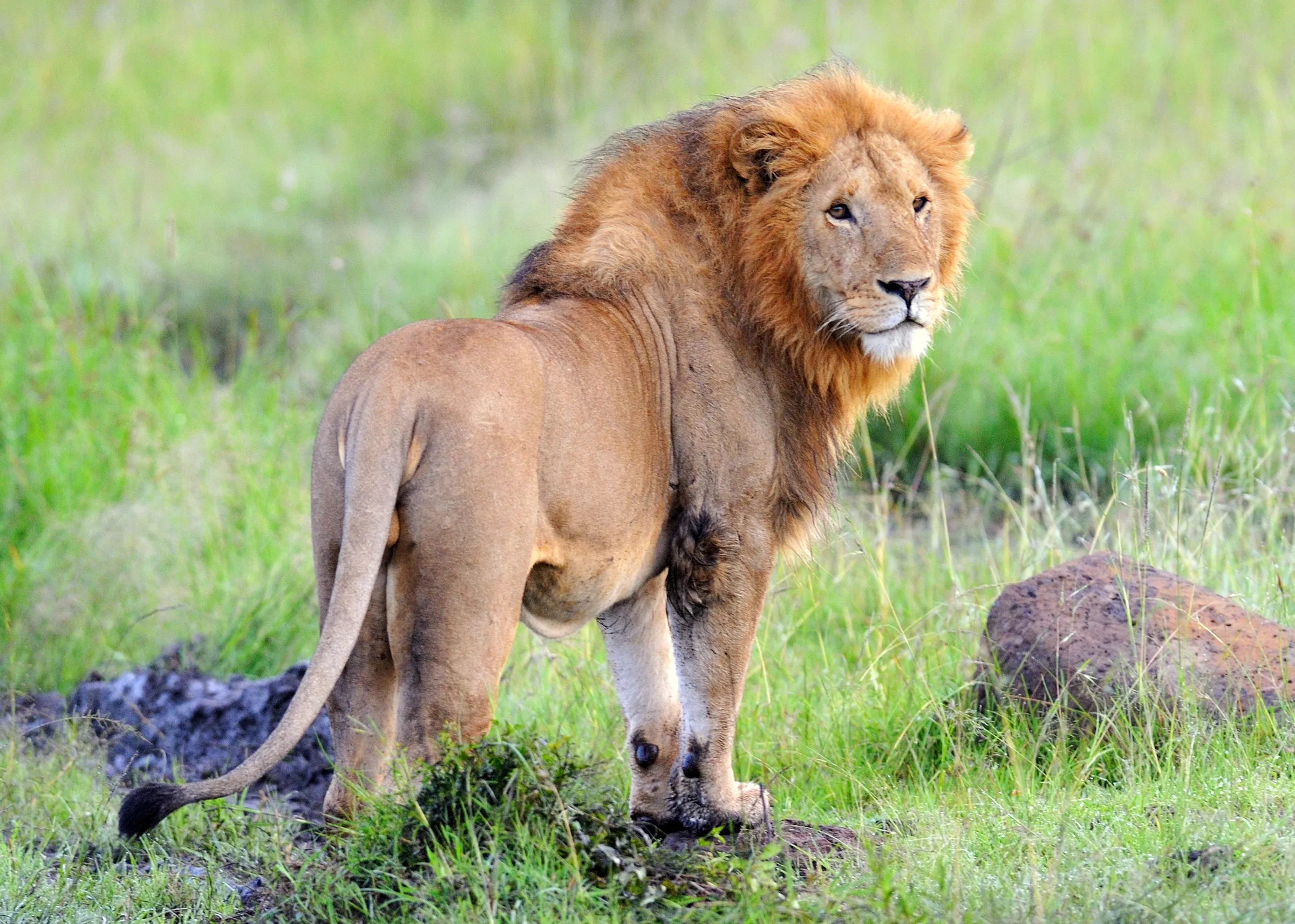
- Keep your distance from predators, never block a hunting animal, and always let animals cross the track
- Never feed any animal, including the monkeys and baboons at picnic sites
- No music, no shouting, no banging on the vehicle to make an animal look up
- No flash photography at night; it blinds animals and can cost a hunting predator its meal
- No drones in parks and reserves without permission; see our drones and photography guide
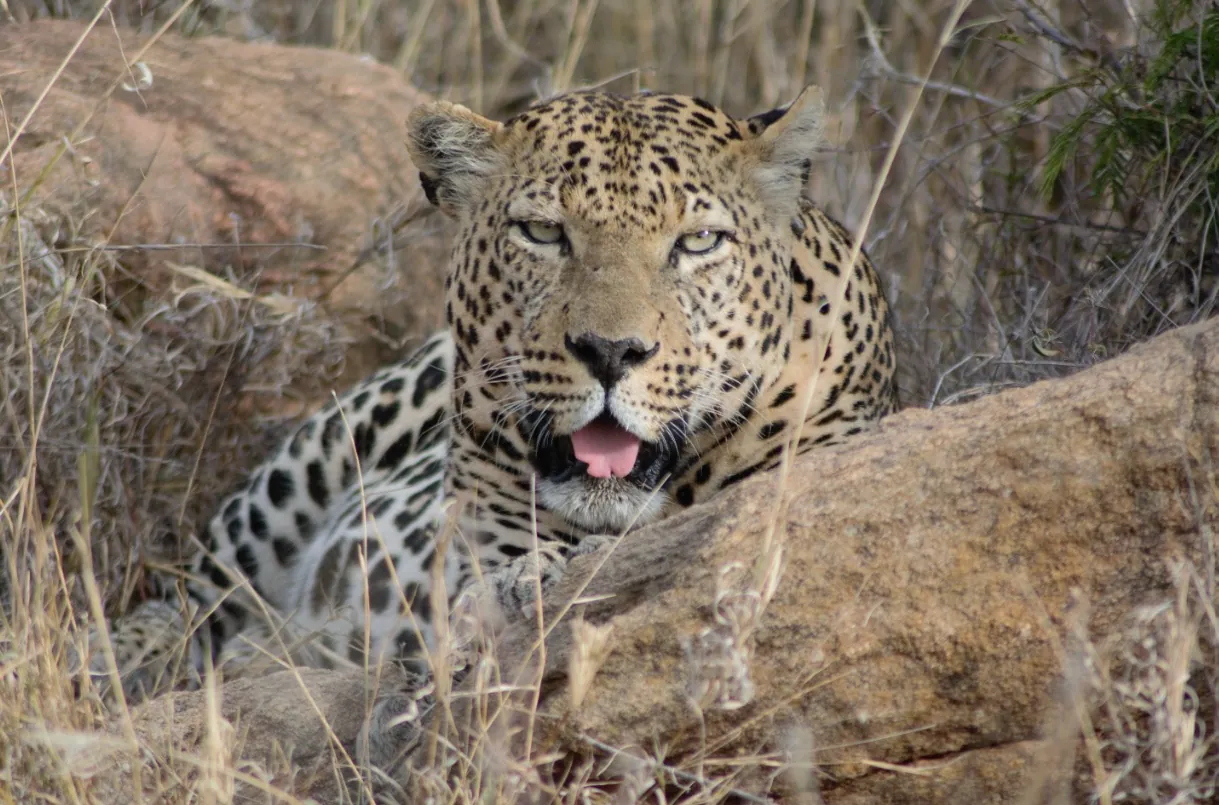
The rules that keep the vehicle happy
- Rotate window seats each day, so everyone gets the best view
- Ask before you stand in the roof hatch, and sit down when the vehicle moves
- Keep your camera and lens out of other people's frames, and hold still when others are shooting; every movement shakes the vehicle
- Whisper at sightings; sound carries further than you think
- Let the guide decide when to leave a sighting, and say so if you want to stay longer
- No phone calls during the drive; text if you must, on silent
- Agree bathroom stops before you leave camp, and tell the guide early; they will find a safe spot and check it first
Working with your guide
Your guide is the most important person on your safari, and they do their best work when they know what you want. Tell them on the first drive: birds, cats, photography, the small things, or just the big picture. Ask questions, about animals, plants, tracks and their own lives. Kenyan guides are proud of what they know, and the best conversations of a trip often happen while waiting for something to move.
Trust the patience. If your guide parks and turns the engine off by an empty-looking bush, there is usually a reason. Guides share sightings over the radio, and a good guide balances chasing a call with staying where something is about to happen. Do not push them to race. Thank them at the end of the trip; our tipping guide has the amounts.
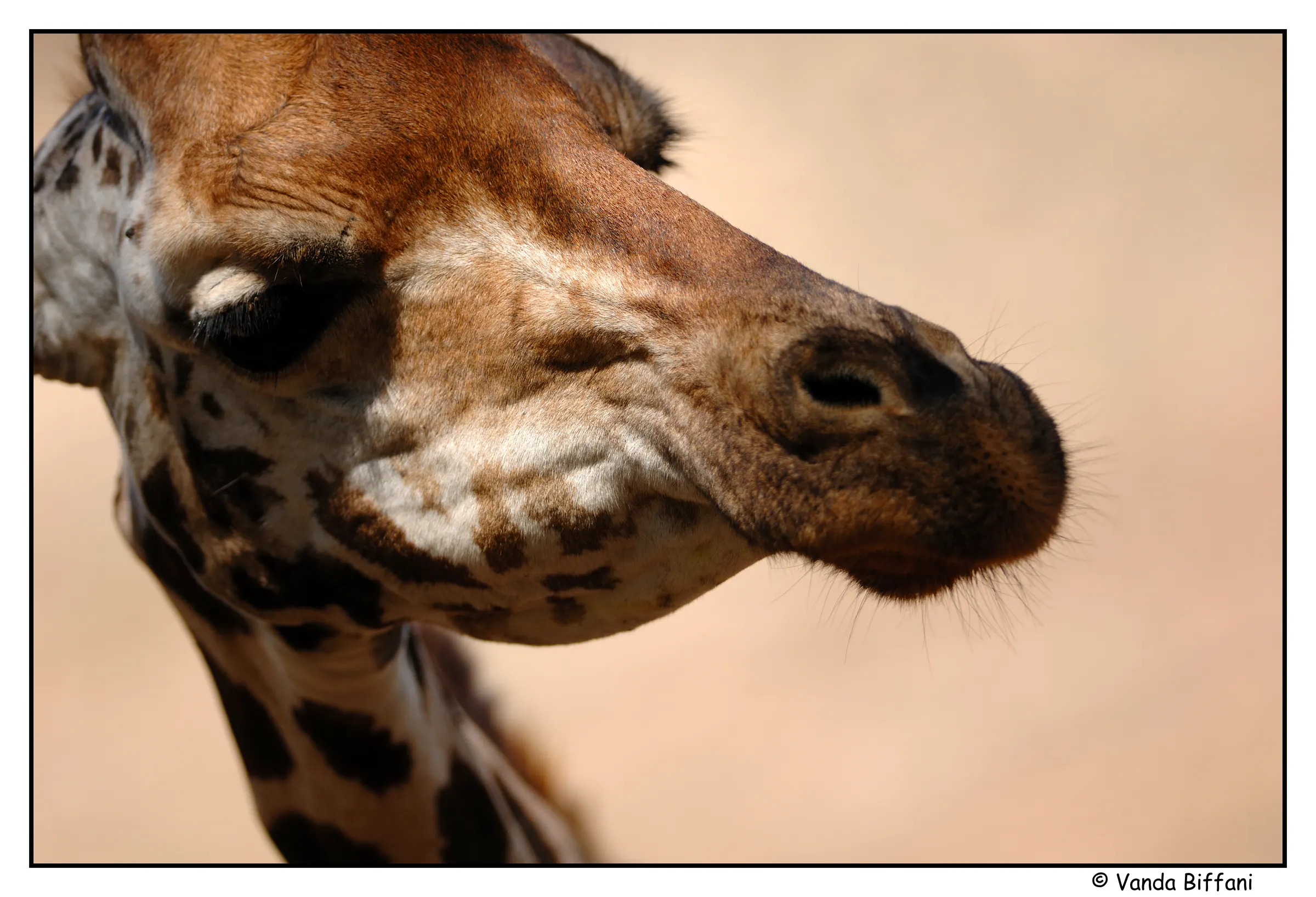
At the sighting: the crowded leopard
The classic scene: a leopard on a branch near the track, and eight vehicles jostling for the view. What good looks like: your guide takes a place without cutting anyone off, switches off the engine, and you wait your turn. You do not ask to move closer. If others are waiting, you move on after 10 to 15 minutes so they can have the view. That is an informal rule in the reserve, and in many conservancies a formal one, with caps on vehicles at a sighting, often five. It is one reason conservancy sightings feel so calm.
Photographing people and villages
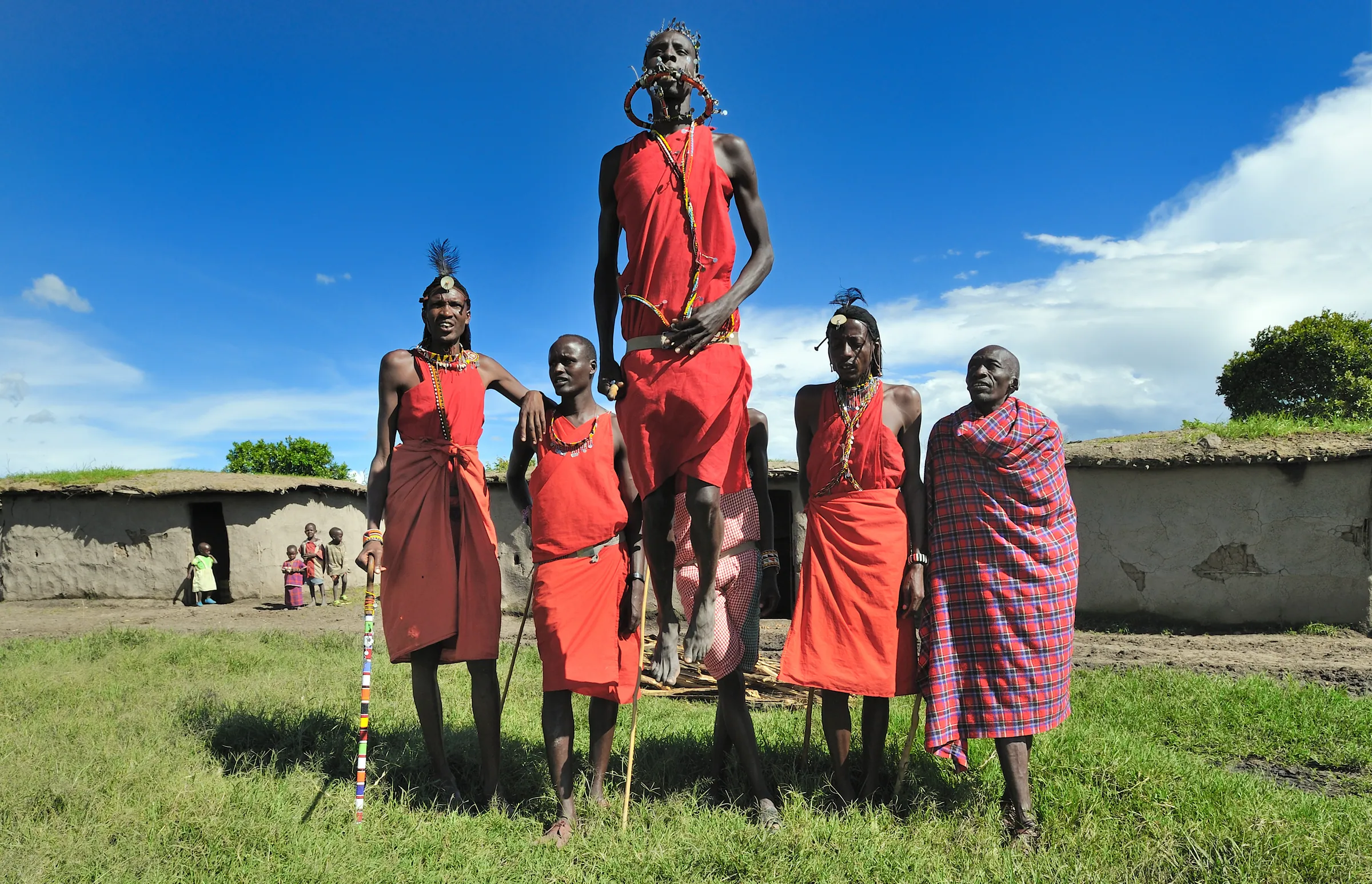
Always ask before you photograph a person, and accept a no with a smile. On a visit to a Maasai or Samburu village arranged by your camp, photography is usually part of the arrangement, but ask individuals before close portraits. Do not photograph people by the roadside from a moving vehicle, and do not pay children for photos. Kenya also restricts photographing government buildings, police and military sites, so keep the camera down near them. Our responsible travel page covers visiting communities well.
The sundowner
The evening drink in the bush is one of safari's great traditions. Your guide picks a safe spot, usually with a view, and only then do the drinks come out. Alcohol is for when the vehicle has stopped for the evening, not for the drive. Step out only where your guide says, stay close to the vehicle, and take every bottle cap and wrapper back with you.
Children on game drives
Children make wonderful safari spotters. Ask them to stay seated and quiet near predators, and explain why before you leave camp, not at the sighting. For the long stretches between animals, give them a job: a spotting list, a count of species, the binoculars for the next giraffe. A private vehicle makes all of this easier, and some camps set minimum ages for shared drives, so check when you book. Our guide to taking children to Kenya has more.
The one-page card
- Stay inside, and stay seated when moving
- Speak softly; no music, no shouting
- The animal always has right of way
- Never ask to go closer, off the track or faster
- No feeding, no litter, no flash at night, no drones
- Share the windows and the view; move on after 10 to 15 minutes if others wait
- Ask before photographing people
- Tell your guide what you love, then trust them