Travel essentials. Updated November 2026. 4 min read.
Leave the drone at home. Kenya treats drones as restricted imports, the parks treat them as banned, and the permit process is built for film crews, not holidays. Here is the honest version, plus the camera rules that actually matter on the ground.
Can you bring a drone to Kenya on holiday? In practice, no. You would need a KCAA import permit, registration, operator authorization and the landowner's permission, and drones are not permitted for casual photography in national parks or reserves at all. There is no clear exemption for small drones under 250 g. Undeclared drones are commonly confiscated at the airport. We do not support drone use on our trips, except for permitted productions.
Drones in five points
- The Kenya Revenue Authority classes drones as restricted items. Importing one needs a Kenya Civil Aviation Authority (KCAA) import permit, arranged before you travel.
- Flying one needs registration with KCAA and operator authorization, plus permission from the landowner.
- Casual drone photography is not permitted in national parks or reserves.
- Private conservancies need written approval from the conservancy, on top of the KCAA permits.
- There is no clear sub-250 g exemption, so treat a mini drone exactly like a big one.
If you are part of a professional production, we can help with KCAA permits and KWS filming permits. Allow plenty of time: the process is designed for crews, with paperwork to match.
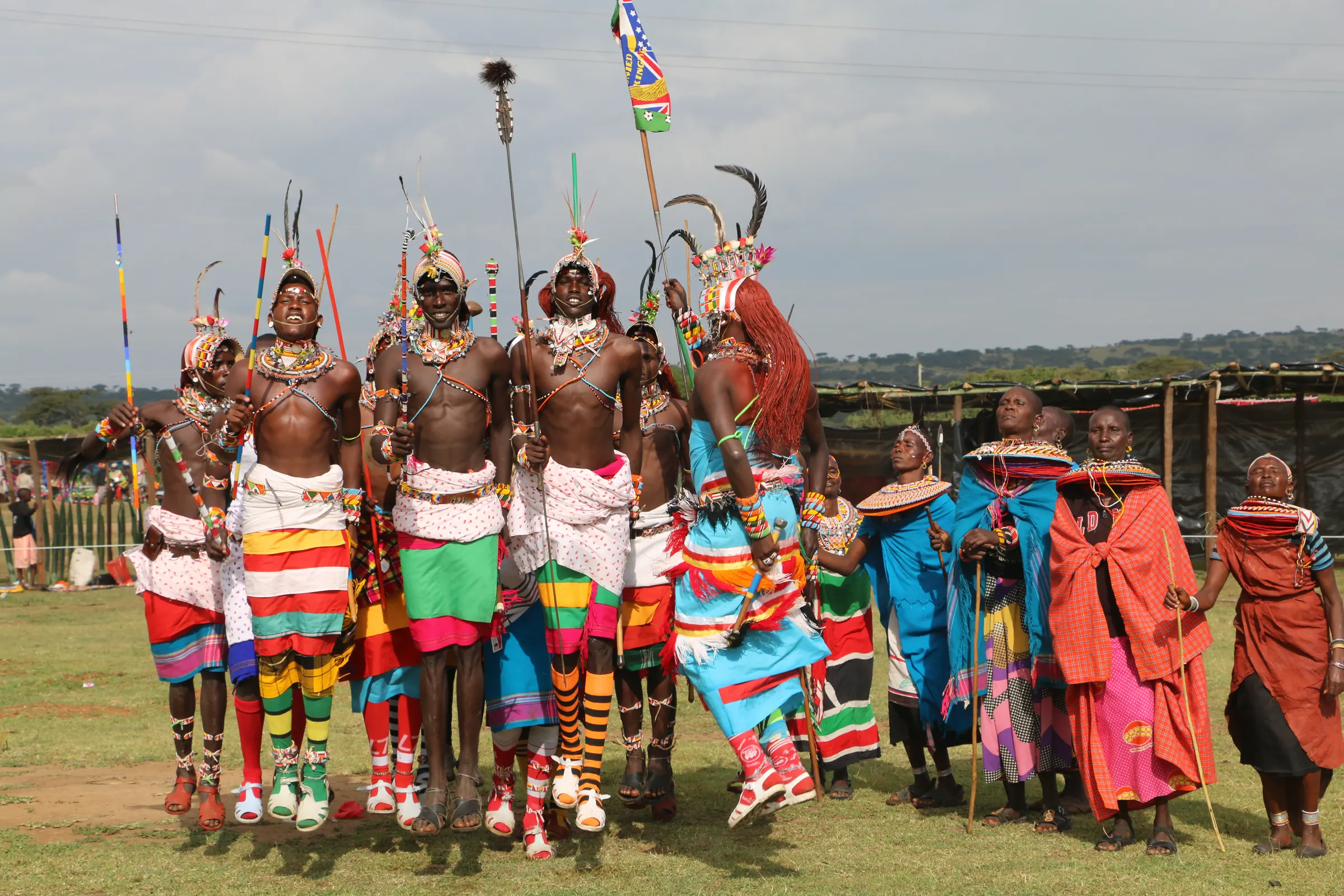
Photographing people
- Ask first, always, and accept a no with a smile. A gesture at your camera and a raised eyebrow is enough when you share no language.
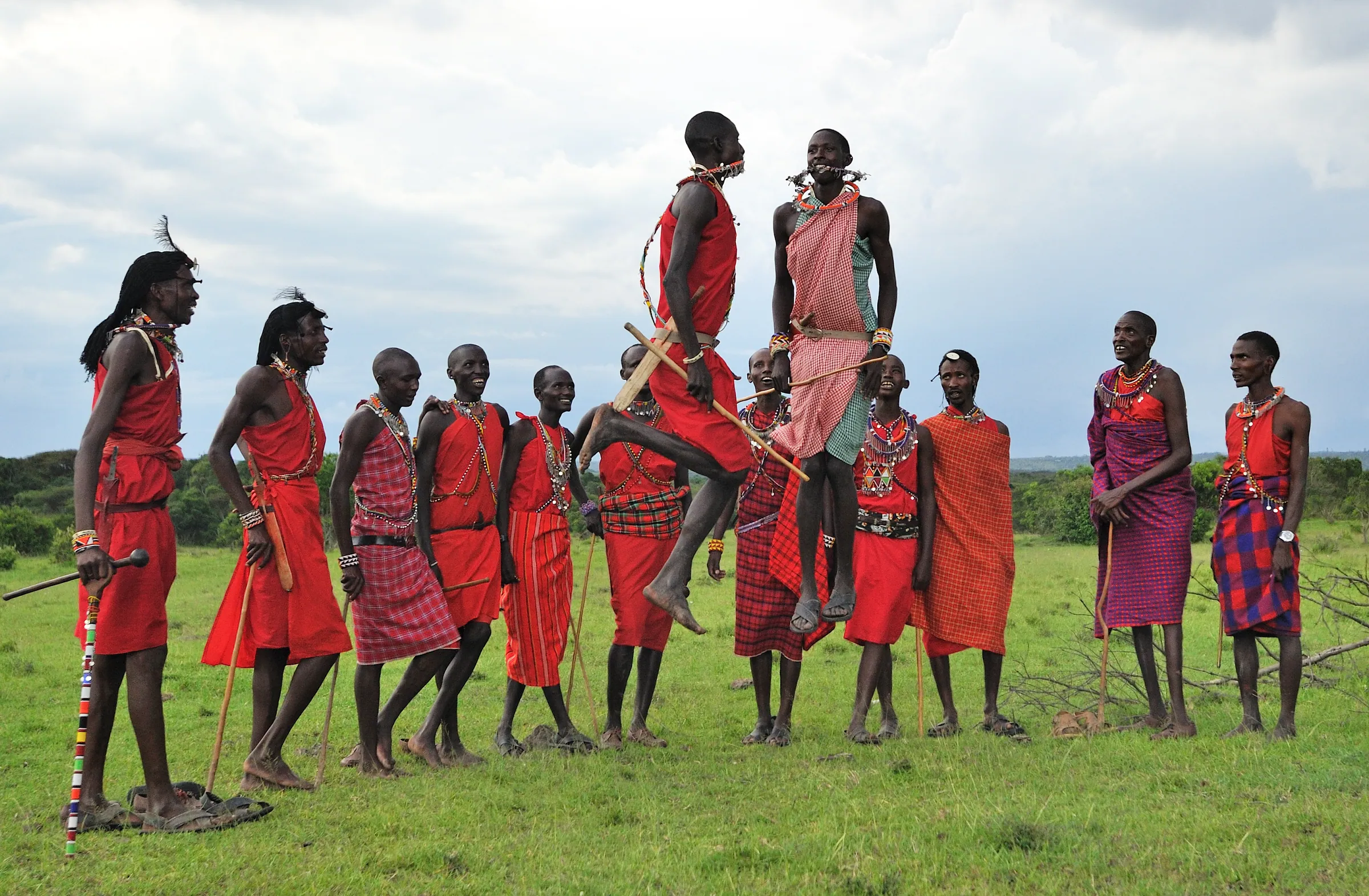
- In Maasai and Samburu villages, posed portraits are part of a visit and are paid for at a price agreed in advance. Agree first, pay after.
- Never photograph children without a parent's consent.
- Show people the photo you took. It is often the start of a conversation.
- On the coast, in Lamu and Mombasa's Old Town, many people, especially women, prefer not to be photographed. Ask, and respect the answer.
Our responsible travel page and our Kenya culture guide go further on visiting communities with respect.
Photographing places
Do not photograph military installations, police officers or stations, airports, State House, the presidential motorcade, some government buildings or bridges. Signs are not always posted, so if in doubt, do not point the camera. Near a checkpoint, a barracks or a government compound, ask your guide before you lift it: they will tell you straight, and they know where the lines are.
A known scam plays on this rule. Travelers have described being approached in Mombasa after a supposedly forbidden photo, then asked for money to make it go away. Stay polite, delete the photo if asked, ask for the name of a uniformed officer, and do not pay. Then call us.
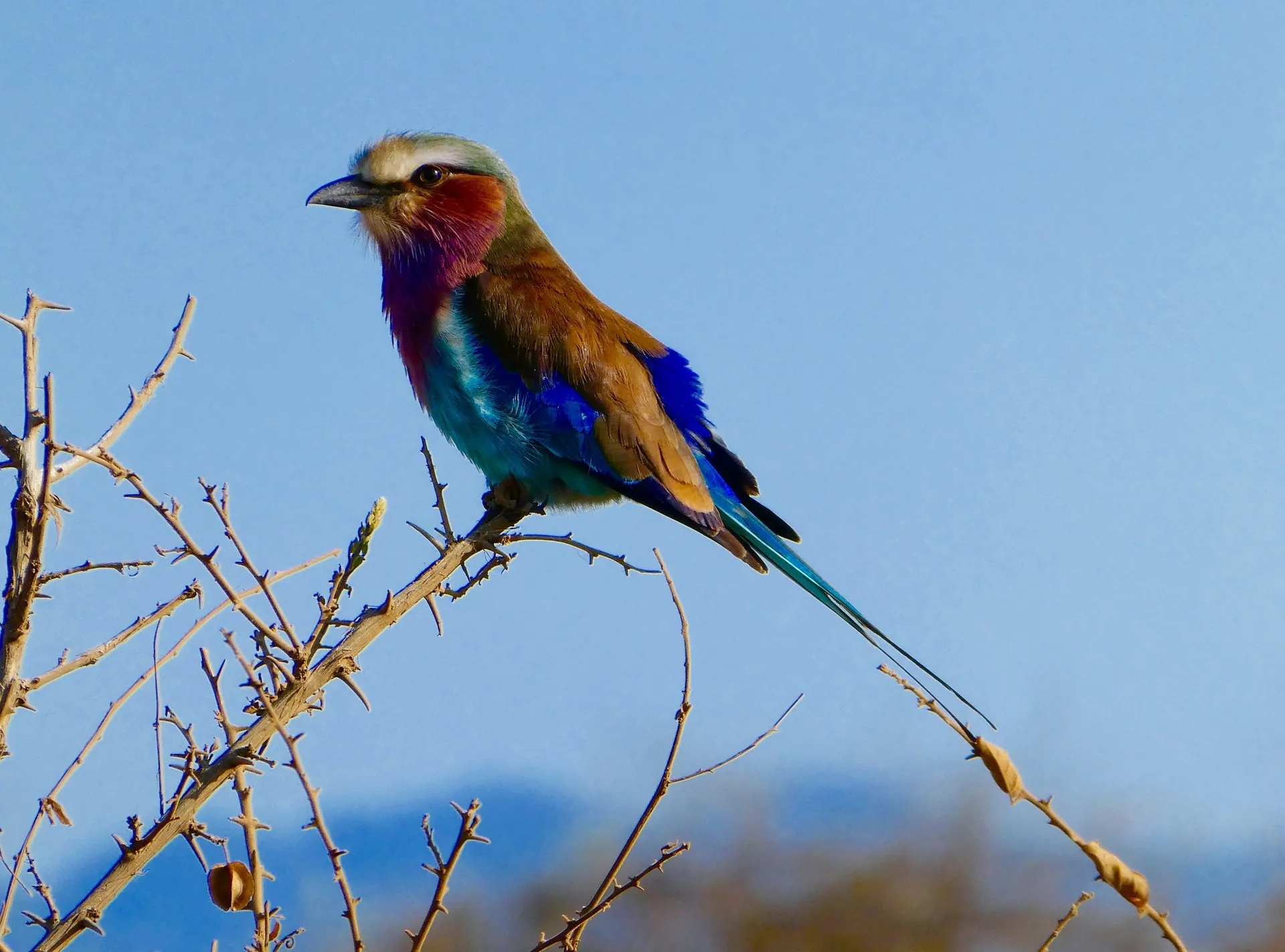
Wildlife photography rules
- No flash at night. It blinds animals and disrupts hunts.
- No drones, as above.
- No calling, whistling, clapping or banging the vehicle to make an animal look up.
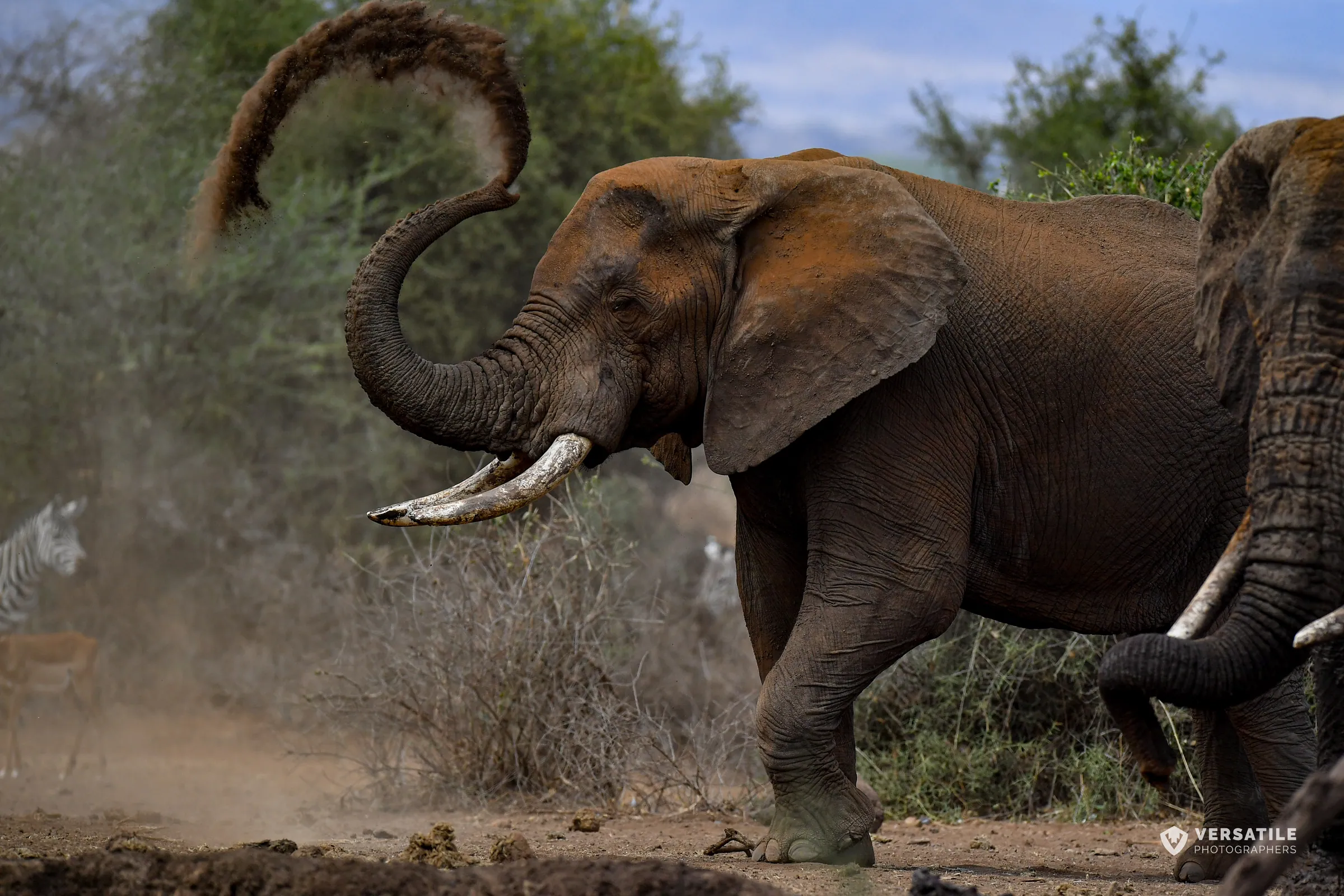
- Keep a respectful distance from predators; at least 20 meters is a commonly given guide, and your guide and the park rules come first.
- Do not ask your driver to leave the track in a national park or reserve for a closer shot.
- Turn off the engine at sightings when your guide does, and keep your voice low.
Our game drive etiquette guide covers the rest: sharing sightings, how long to stay, and why the best photographers are the quietest people in the vehicle.
If you have already packed a drone
Take it out of your bag. That is the only certain way to avoid trouble. If you arrive with a drone anyway, declare it at customs on arrival rather than hiding it, expect it to be held, and ask what you need to do to collect it when you leave. Never fly it at a lodge, a beach or a conservancy on the strength of someone saying it is fine: the KCAA rules apply everywhere in Kenyan airspace, and a drone near a game drive or an airstrip is a real hazard to wildlife and to light aircraft.
Aerial photos without a drone
- A hot-air balloon flight over the Maasai Mara at dawn gives you the aerial view, legally, with the herds below.
- Bush flights give everyone a window seat. Sit on the shady side, wipe the window, and shoot through it at an angle.
- Viewpoints and escarpments, such as the Oloololo escarpment above the Mara, give height from the ground.
- A good long lens, braced on a bean bag, does more for wildlife photos than any drone could inside a park.
Filming permits for professionals
Commercial filming and photography in Kenya need permits. The Kenya Film Commission handles filming licences, KWS issues filming permits for national parks and reserves, and KCAA covers any drone. Conservancies and county reserves set their own conditions. Start early, list every location and every piece of equipment, and budget for permit fees. We can help crews with the KCAA and KWS permits and connect you with the right offices.
Gear on safari
- Carry camera batteries and power banks in your hand luggage; airlines require it.
- Remember the safari flight limit of about 15 kg per person, camera bag included.
- A bean bag or a soft rest steadies a long lens on the vehicle's window frame.
- Camps may only have power at certain hours, so charge whenever you can.
- Bring spare memory cards: there is nowhere to buy them in the bush.