Planning a safari. Updated November 2026. 5 min read.
Every guide has a list. The guest who packed a hard suitcase for a Cessna. The couple who booked two nights and heard about the leopard on the morning they left. The photographer who wore black in tsetse country. None of these are disasters, but each one costs a little of a trip you have saved hard for. Here are the twelve mistakes we see most, each with the fix, and three mistakes guides make that you should watch for.
1. Too few nights in each park
The classic version: two nights in the Mara, an afternoon drive on arrival, one full day, and a dawn drive on the way out. The leopard everyone talks about at dinner was found on day three. The fix: three nights per park and two parks per week. Our guide to how many days you need explains why the third night is the one that makes the trip.
2. Booking the Mara in August without knowing the costs
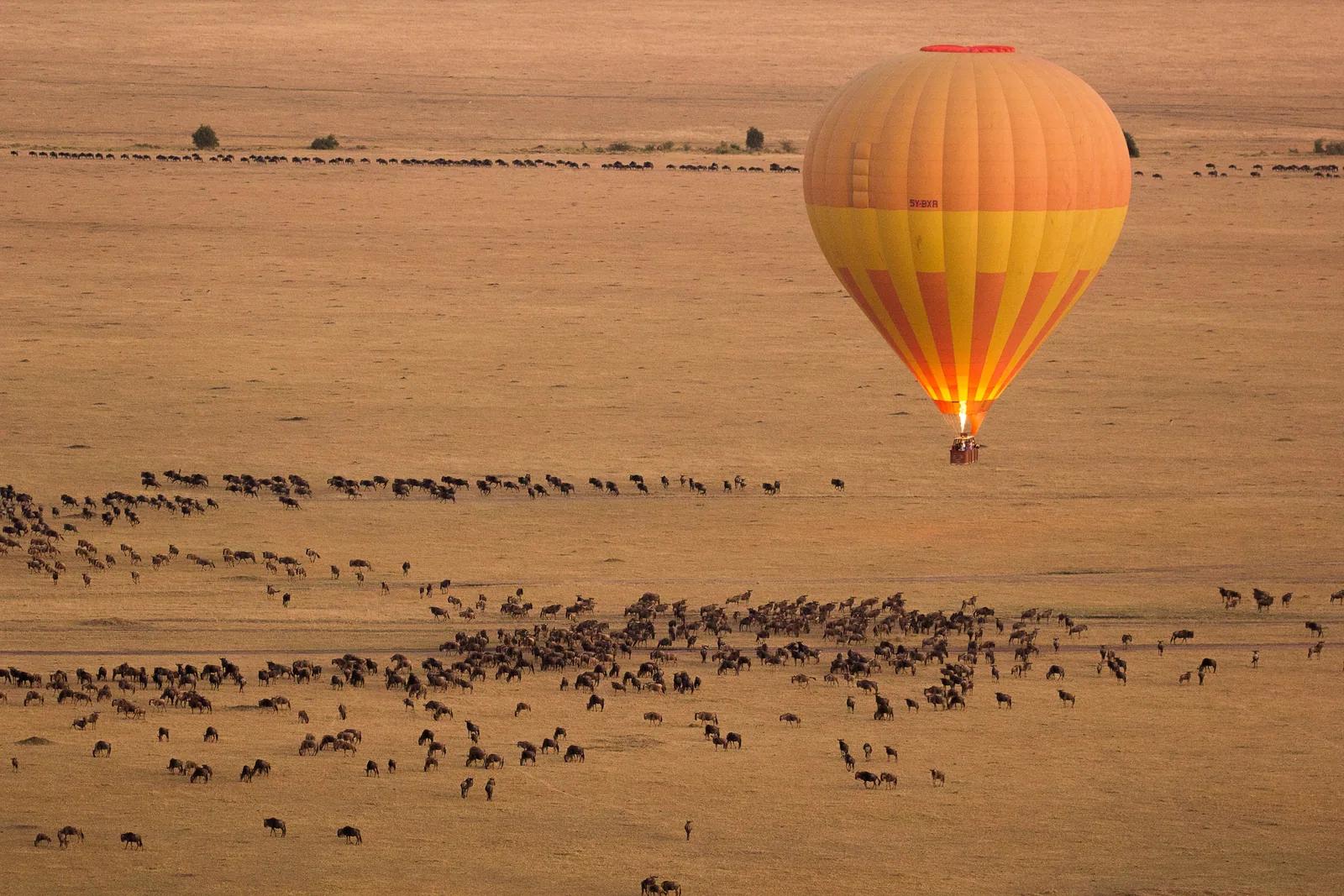
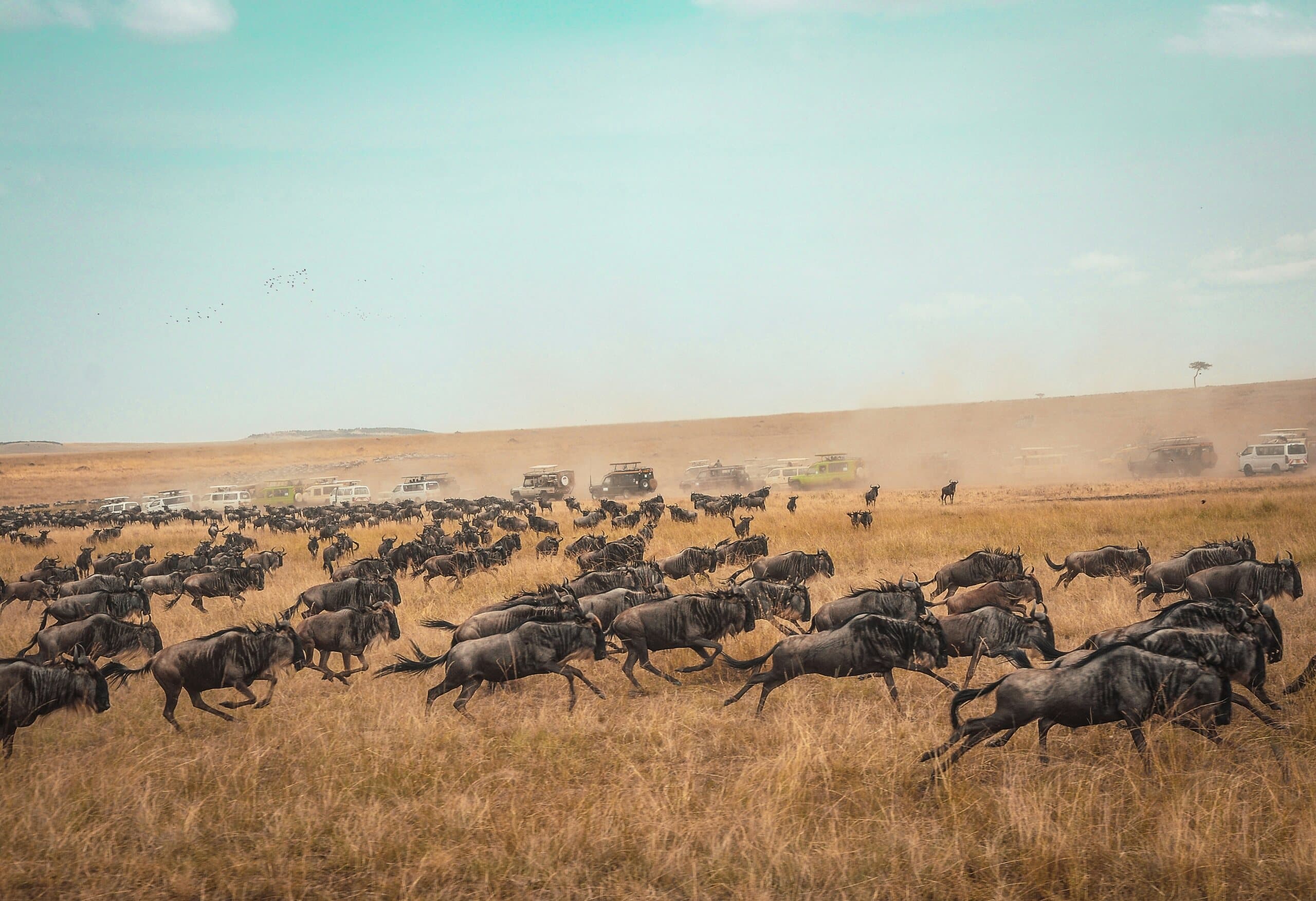
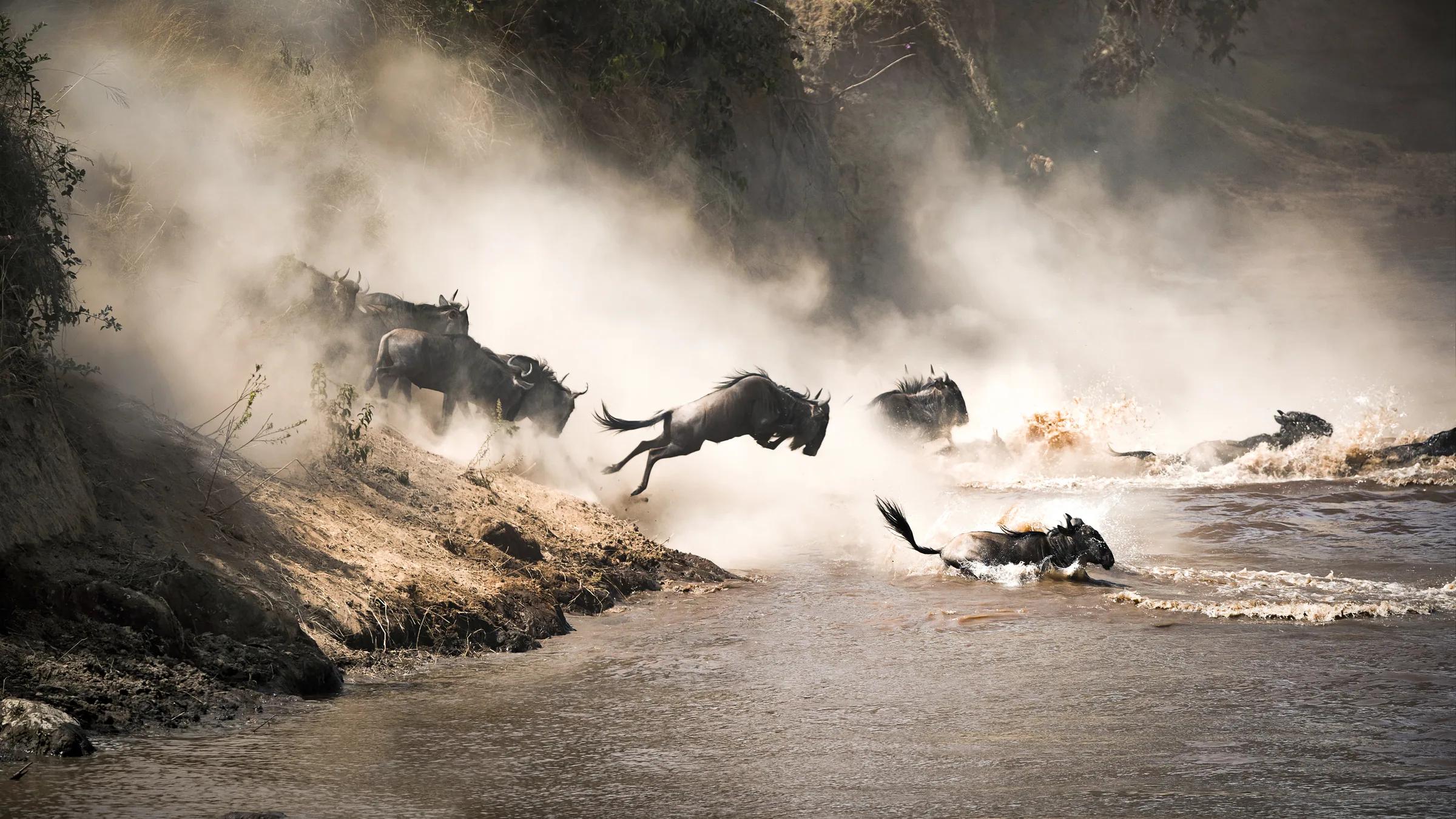
The classic version: a trip built around the river crossings, then the surprise that the Maasai Mara reserve fee doubles from $100 to $200 per adult per day from July, lodges charge their peak rates, and the riverbank is lined with vehicles. The fix: if the crossings are your dream, book nine to twelve months ahead and add nights in a conservancy, where vehicles are limited. If they are not, January to March gives you superb game viewing at half the fee. See park fees and our August page.
3. Expecting the Big Five by lunch
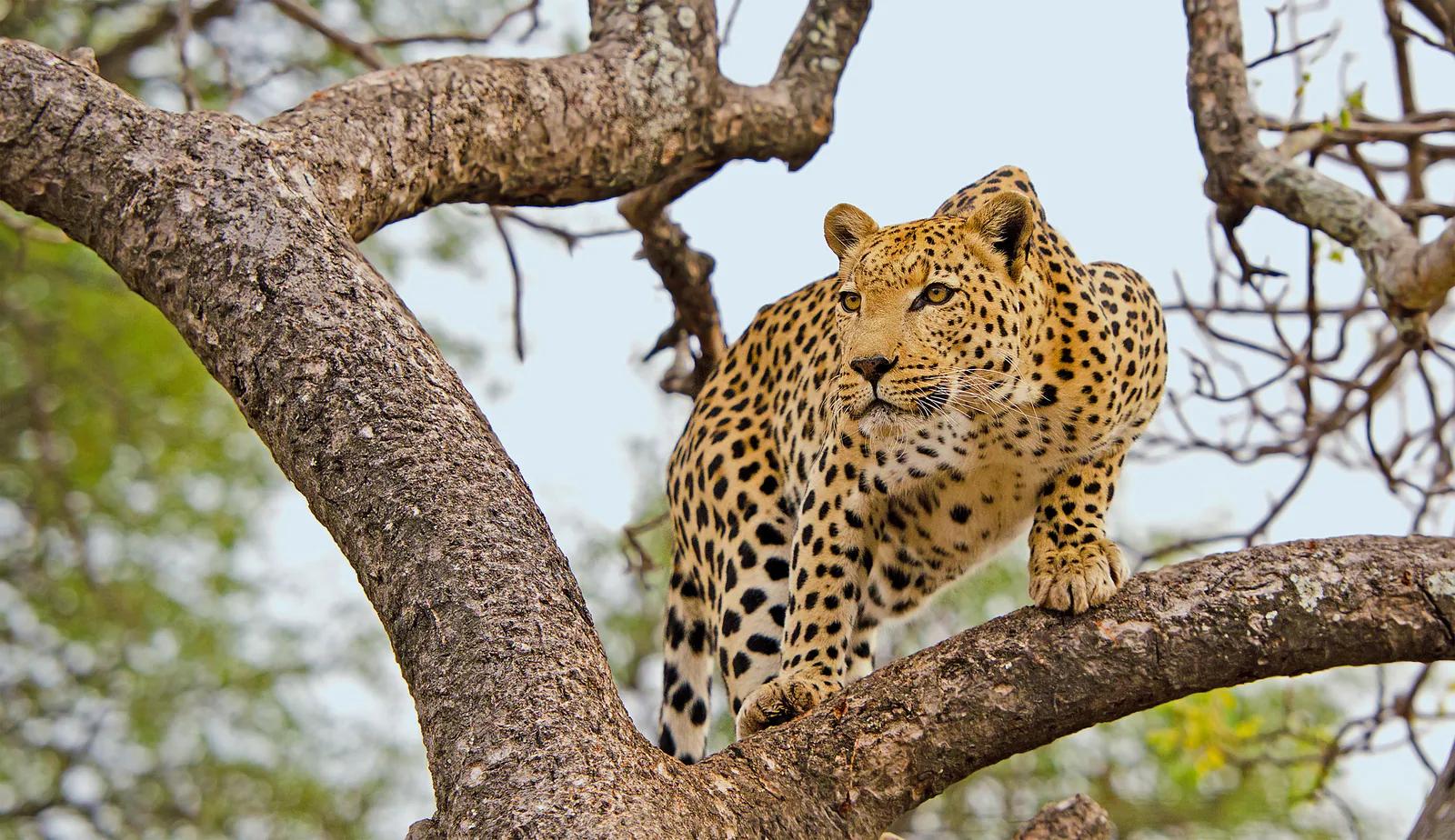
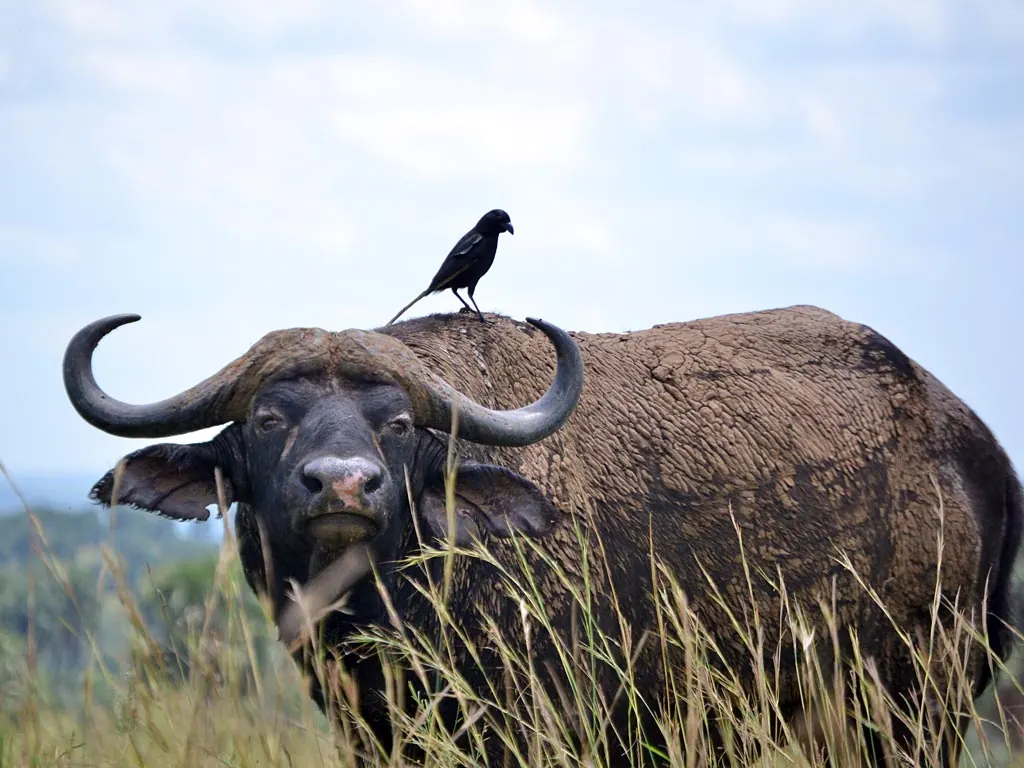
The classic version: a checklist on the first morning and disappointment by noon. The fix: know the honest odds. Lion, elephant and buffalo are common in the Mara; leopard needs time and luck; rhino needs a park such as Lake Nakuru, Ol Pejeta or Lewa. Guests who stop ticking boxes and start watching behavior, a lioness teaching cubs or elephants at a waterhole, almost always have the better trip.
4. A hard suitcase and 30 kg for a 15 kg flight
The classic version: repacking on the floor of Wilson Airport while the pilot waits, and leaving half a wardrobe in a storage room. The fix: one soft duffel per person, 15 kg including hand luggage, which is the limit on most safari flights. Leave a city bag at your Nairobi hotel if you need one. See our safari flight luggage guide before you buy a bag.
5. Wearing blue, black or camouflage
The classic version: a navy fleece in tsetse fly country and a day of bites, or camouflage trousers that earn a long conversation at a checkpoint. The fix: khaki, olive, grey and tan for game drives, and no camouflage anywhere in Kenya. Our guide to what to wear explains the colour rule and how to dress for the coast.
6. Forgetting that dawn is cold
The classic version: shorts and a T-shirt for a 6am drive in July, about 50°F in an open vehicle, and an hour wrapped in the guide's spare blanket. The fix: a fleece, long trousers and a buff for every morning drive, peeled off as the sun climbs. Midday will be warm; the first two hours will not.
7. Skipping the travel clinic until the last minute
The classic version: calling a travel clinic two weeks before departure, finding no appointments, and scrambling for a malaria prescription. The fix: book a travel clinic six to eight weeks before you fly, and get any malaria prescription at least four weeks out. Our vaccines and malaria pages explain what to ask; your clinic decides what you need.
8. Standing, shouting, or asking the guide to go closer
The classic version: a guest stands up and calls out at a resting lion, which gets up and walks away from every vehicle at the sighting. Or a guest keeps asking for closer, pushing the guide toward breaking the park's rules. The fix: stay seated, speak softly, and trust your guide's distance. They know how close is too close. Our game drive etiquette guide covers the rest.
9. No cash for tips, or torn dollar bills
The classic version: the last morning, a wonderful guide, and a wallet holding a credit card and two creased pre-2009 twenties that no bank will take. The fix: bring clean, small U.S. bills issued after 2009, decide the amounts before you leave, and put them in named envelopes. Our tipping guide has the amounts, and our money page covers cash, cards and M-Pesa.
10. Leaving the eTA and the insurance to the airport
The classic version: at check-in in the U.S., the airline asks for the Kenya eTA approval, and it has not been applied for. Processing can take up to 72 hours. The fix: apply on etakenya.go.ke as soon as your flights are booked, for every traveler including infants. Since October 6, 2026, also buy Kenya's inbound travel health insurance through eCitizen, about $52 per person. Our cost guide explains both.
11. Filling every single day
The classic version: day eight of ten, a 5:30am wake-up call, and everyone asleep in the vehicle by seven. The fix: a slow morning every third day, an afternoon by the pool, and a few nights on the coast at the end of a long trip. Rest is not wasted safari time. It is what lets you enjoy the rest of it.
12. Choosing a company on price alone
The classic version: the cheapest quote turns out to mean a shared minivan, park fees not included and a different guide every day. The fix: compare like with like. Check what vehicle, whether it is private or shared, which fees are included and who your guide is. Our guide to choosing a safari company has the checks and the ten questions to ask.
Three mistakes guides make, and what to do about them
Most Kenyan guides are superb. But a few habits, usually driven by guests who want more, hurt the animals and spoil sightings for everyone. You are the client, and your voice counts.
- Racing to a sighting: a radio call comes in and the vehicle tears across the plains. Say you are happy to arrive late; speed limits exist for the animals and for you
- Crowding a kill or a hunt: vehicles circling a cheetah until it gives up its chase. Ask your guide to hold back, and leave when the animal looks pressured
- Driving off-road in the reserve: it is not allowed in the Maasai Mara National Reserve, it scars the grassland, and guides can be fined. Conservancies allow some off-road driving, with limits. If it happens in the reserve, ask your guide to stay on the track, and tell the company
What good looks like
The best first safaris we see share a shape: three nights in each park, a soft bag at 15 kg, a fleece for the morning, envelopes ready for the guide, the paperwork done a month before the flight, and at least one slow morning. Guests on those trips come home talking about one sighting they watched for an hour, not the twenty they ticked off. That is the trip to plan for.