Planning a safari. Updated November 2026. 5 min read.
Nobody warns you that a Kenyan safari is cold. Dawn in the Mara in August is about 50 degrees in an open vehicle, lunch is 80 in the sun, and the coast feels like a different country. Pack for three climates and one rule: no blue, no black, nothing that shouts.
In practice that means layers in neutral colours for the parks, closed shoes, a wide-brimmed hat, one smart outfit for Nairobi, and loose clothes that cover your shoulders and knees for the coast towns. This page is about the judgment: what to wear where, and why. For the item-by-item checklist, use our What to pack page.
Three climates in one trip
Kenya sits on the equator, so temperatures barely change through the year. Altitude is what changes them. Nairobi sits at about 5,900 feet, most safari parks are high plateaus, and the coast is at sea level. A typical trip moves through all three.
| Where | Daytime | Mornings and evenings | What it means for clothes |
|---|---|---|---|
| Nairobi and the highlands | Highs about 72 to 81°F all year | Cool; July nights can drop to the low 50s | A warm layer every evening, and one smart outfit |
| Mara and Amboseli | Mara about 77 to 82°F | Dawn drives can be about 50°F in July and August | Layers you peel off by mid-morning |
| Samburu and the north | About 88 to 93°F | Warm | Light, loose, long sleeves against the sun |
| The coast: Mombasa, Diani, Watamu, Lamu | About 82 to 90°F, humid | Warm | Cotton and linen, plus a wrap for town |
The colour rule, and why
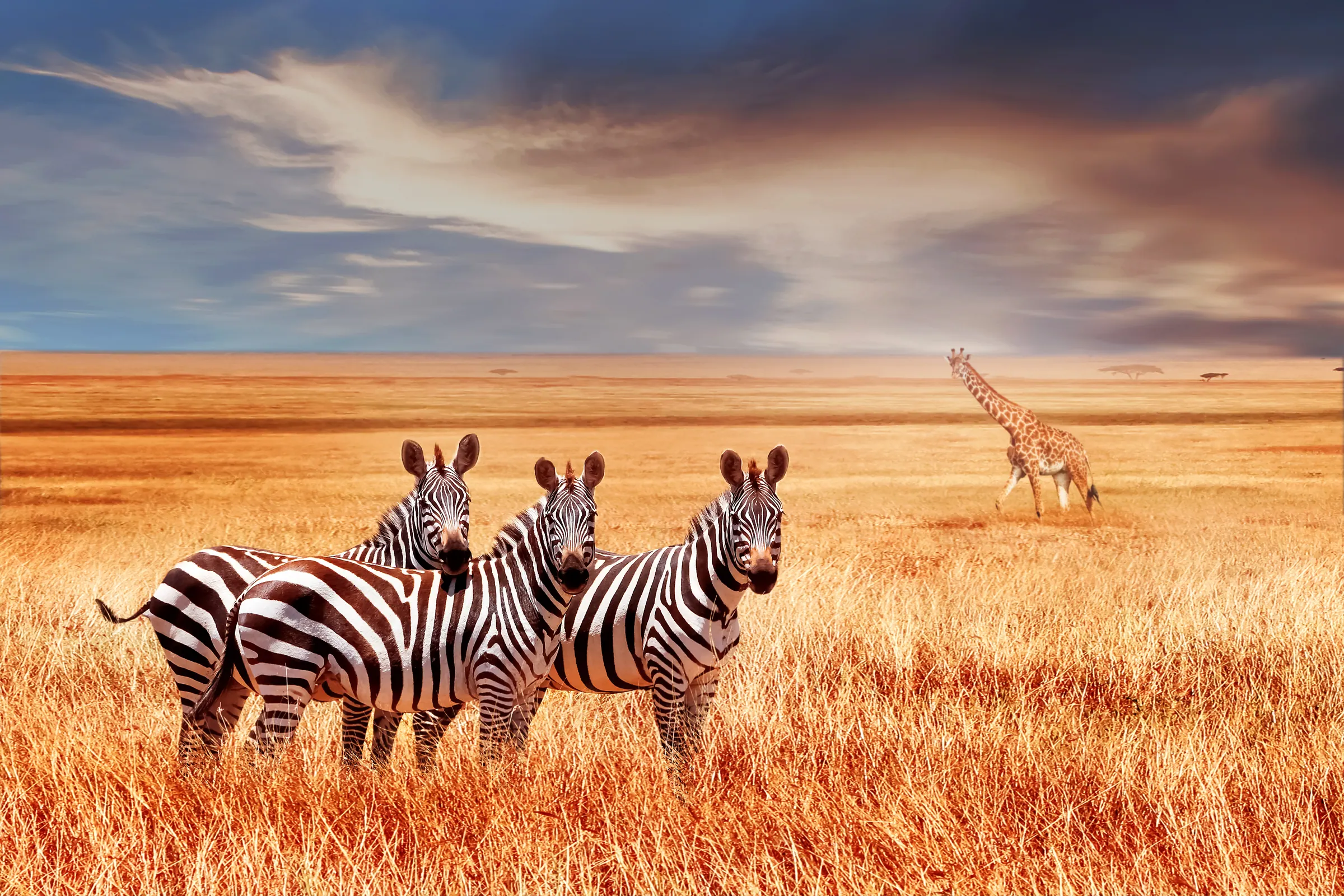
Avoid dark blue and black. Tsetse flies, found in some bush areas, are drawn to both, and black soaks up heat in the midday sun. Avoid bright red and orange on game drives: they stand out to wildlife and to the other guests trying to watch quietly. Avoid white, which is brown with dust by the first afternoon. Wear khaki, olive, grey, tan and soft greens and browns, the colours of the grass.
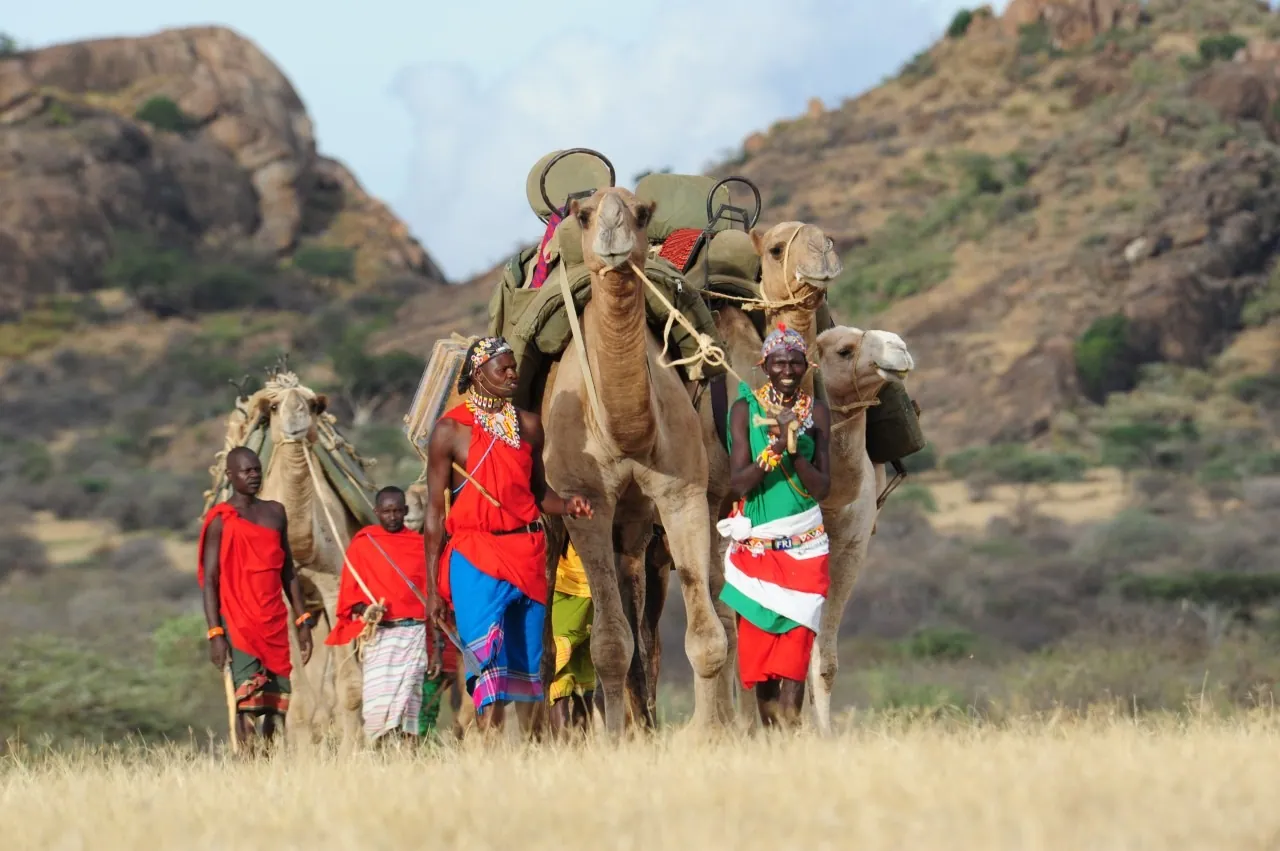
You will see Maasai and Samburu people in red shukas, walking calmly through lion country. That is their dress and their land. On a game drive, you are a visitor in a vehicle, and the aim is to be a quiet shape. One more rule, and this one is our advice: leave camouflage prints at home. In Kenya camouflage is associated with the military, and it can draw unwanted attention at police checkpoints and airports.
A safari day, layer by layer
- 6am, the morning drive: a long-sleeved base layer, a fleece or soft-shell on top, long trousers, and a buff or scarf that doubles as a dust mask. This is the coldest you will be all trip
- 10am, as the sun climbs: the fleece comes off; a light long-sleeved shirt, the wide-brimmed hat and polarized sunglasses go on
- Midday in camp: light cotton or linen, sandals around camp, and a swimsuit if the lodge has a pool
- 4pm, the afternoon drive: shirt and hat, with the fleece in your bag for the way back
- Sundowner and dinner: fleece back on, long trousers and socks. Dawn and dusk are when mosquitoes bite, so covered skin helps as much as repellent
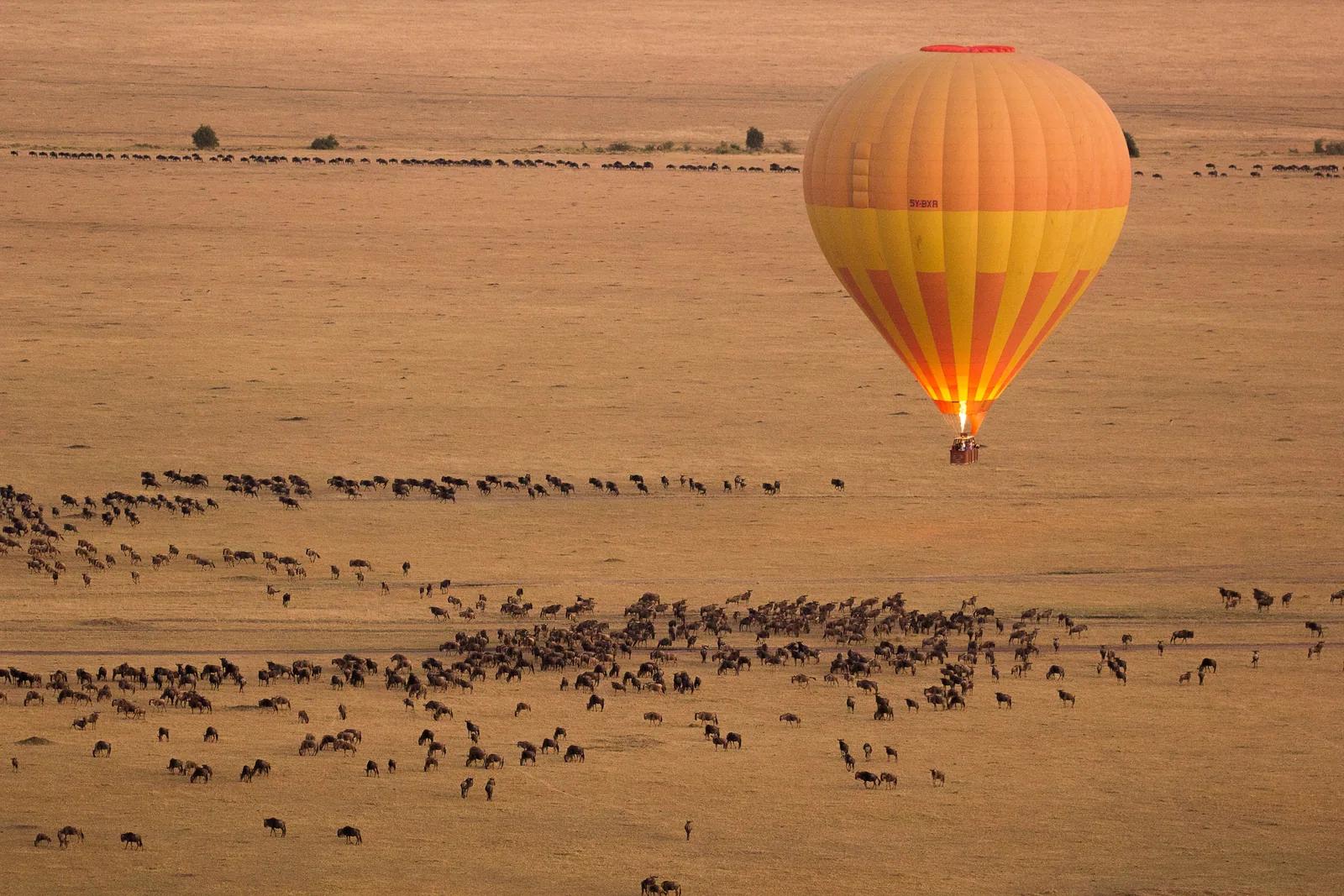
- A balloon flight: launches before dawn, so wear your warmest layer and a hat
Fabrics matter more than brands. Lightweight cotton, linen and quick-dry blends with UV protection all work. Skip denim on game drives: it is hot, slow to dry and stiff after hours sitting. Choose loose over tight, and shirts with pockets for lens caps and lip balm.
Shoes and hats
Broken-in trainers or light walking shoes do everything a safari asks, from climbing in and out of the vehicle to a guided bush walk. Sandals are for camp. Never wear flip-flops out of the vehicle: thorns, uneven ground and the occasional ant column will find your feet. A wide-brimmed hat needs a chin strap, because the wind through an open roof hatch will take it otherwise.
Rain
Pack a light, packable rain shell if you travel during the long rains, roughly late March to May, or the short rains in November. Rain usually comes in afternoon bursts rather than all day, and a shell that packs into its own pocket also works as a windbreaker on cold dawn drives.
Nairobi: smart casual
Kenyans dress well, especially for dinner, church and business. Smart casual is the norm in Nairobi restaurants and hotels, and shorts in the city read instantly as tourist. Bring one nicer outfit: chinos or a dress, a collared shirt or a smart top. If you are visiting family, attending a church service or meeting colleagues, dress up a level; it is noticed and appreciated.
The coast and Lamu: modesty without fuss
Mombasa's Old Town, Lamu town and Malindi are largely Muslim, Swahili communities. Away from the beach and the hotel pool, both women and men should cover shoulders and knees. It is easy: a loose shirt, light trousers or a long skirt, and a kikoi or kanga wrap. A kikoi is the striped cotton cloth Swahili men wrap at the waist; a kanga is the printed cloth with a Swahili saying along its edge, worn by women. Both solve most dress questions on the coast, and both make good souvenirs.
Swimwear stays on the beach and by the pool. Women visiting a mosque should cover their hair, and everyone should dress more conservatively in town during Ramadan. None of this needs to feel heavy. People on the coast are welcoming, and a little care in how you dress opens a lot of conversations.
Kids and teens
The colour rule applies to children too, at least on game drives; bright colours are fine around camp. Children feel the cold faster in an open vehicle at dawn, so a fleece, a hat and a small blanket matter more for them than for you. On the coast, long-sleeved rash vests save a lot of sunscreen arguments. Brief teenagers before Lamu or Mombasa's Old Town that the beach outfit stays at the beach; they usually take it well when it is explained as respect, not rules. Our guide to taking children to Kenya covers the rest.
Laundry, and the 15 kg bag
Almost every safari camp washes clothes daily, often for free, so three days of clothes is enough for a two-week trip. Many camps will not wash underwear, for cultural reasons, so pack enough or bring a little travel wash and do it yourself. The real limit on what you bring is the light aircraft: 15 kg in a soft bag, hand luggage included, on most safari flights. See our safari flight luggage guide.
Things people forget
- A buff or scarf for dust and cold
- A swimsuit for the lodge pool, even on a safari-only trip
- A warm layer and hat for a balloon flight
- A kikoi or sarong, which is a towel, a wrap and a blanket in one
- A light scarf for women, for mosques and coast towns
- Socks for the evening, when mosquitoes are out
- One smart outfit for Nairobi