Planning a safari. Updated November 2026. 5 min read.
Three nights in one park. That is the number almost every Kenyan guide gives when you ask them off the record. Two nights is a glimpse, three is a safari, and five is when you stop looking for animals and start watching them.
So the answer for most first-timers is seven days for two parks, ten days if you want a beach at the end, and never fewer than three nights in the Maasai Mara. If you only have four or five days, spend them all in one park rather than rushing between two. The rest of this page explains why, and what each length of trip really gives you.
Why three nights
Day one is arrival. You land at the airstrip or roll in after the drive, check in, have lunch, and go out for an afternoon drive. It is lovely, and it is short. Day two is the full day: out at dawn, perhaps a picnic breakfast under a tree, and time to reach the far corners of the park. Day three is the day that makes the trip, because by now your guide knows what you have not seen yet. They have heard on the radio where the cheetah was hunting, they know which riverbed the leopard uses, and they can go looking with intent.
Two nights gives you roughly a day and a half of game drives. Three nights gives you two and a half, nearly double, for one more night's cost. And every extra night after the third is the best-value night of the trip, because there is no travel in it: just more time in the field.
What each trip length gives you
| Trip length | Shape | What it gives you | Sample itinerary |
|---|---|---|---|
| 3 nights or fewer | One park | A glimpse; good as an add-on to a business trip or a family visit | A Mara extension |
| 4 to 5 days | Nairobi and the Mara only | A real taste of one great park, with time to settle in | 5 days in Kenya |
| 7 days | Two parks, such as Amboseli or Naivasha with the Mara | The classic first safari: elephants below Kilimanjaro, then the Mara's cats | 7 days in Kenya |
| 10 days | Two parks plus the coast | A full safari, then three or four nights to rest at Diani or Watamu | 10 days in Kenya |
| 14 days | The loop: Laikipia or Samburu, the Rift Valley lakes, the Mara, the coast | Northern species, rhinos, the Mara and time to slow down | 14 days in Kenya |
The travel-day math
Travel eats more of a trip than people expect. Changing parks by road takes about half a day. Changing by air takes about a morning, once you count the transfer to the airstrip, the flight and the drive to camp. Your arrival from the U.S. and your departure each take most of a day too. So a seven-day trip has about five days of real game viewing, and every extra park you add takes another half day away from it.
Here is how a typical week falls: day one, land in Nairobi; day two, travel to Amboseli and an afternoon drive; day three, a full day in Amboseli; day four, travel to the Mara and an afternoon drive; days five and six, full days in the Mara; day seven, back to Nairobi for the evening flight home. That is two nights in Amboseli and three in the Mara. If a week only allows six nights, give the Mara the three. Whether to cover those distances by road or by air is a separate decision, and our guide to fly-in versus road safaris weighs it up.
What you are likely to see, honestly
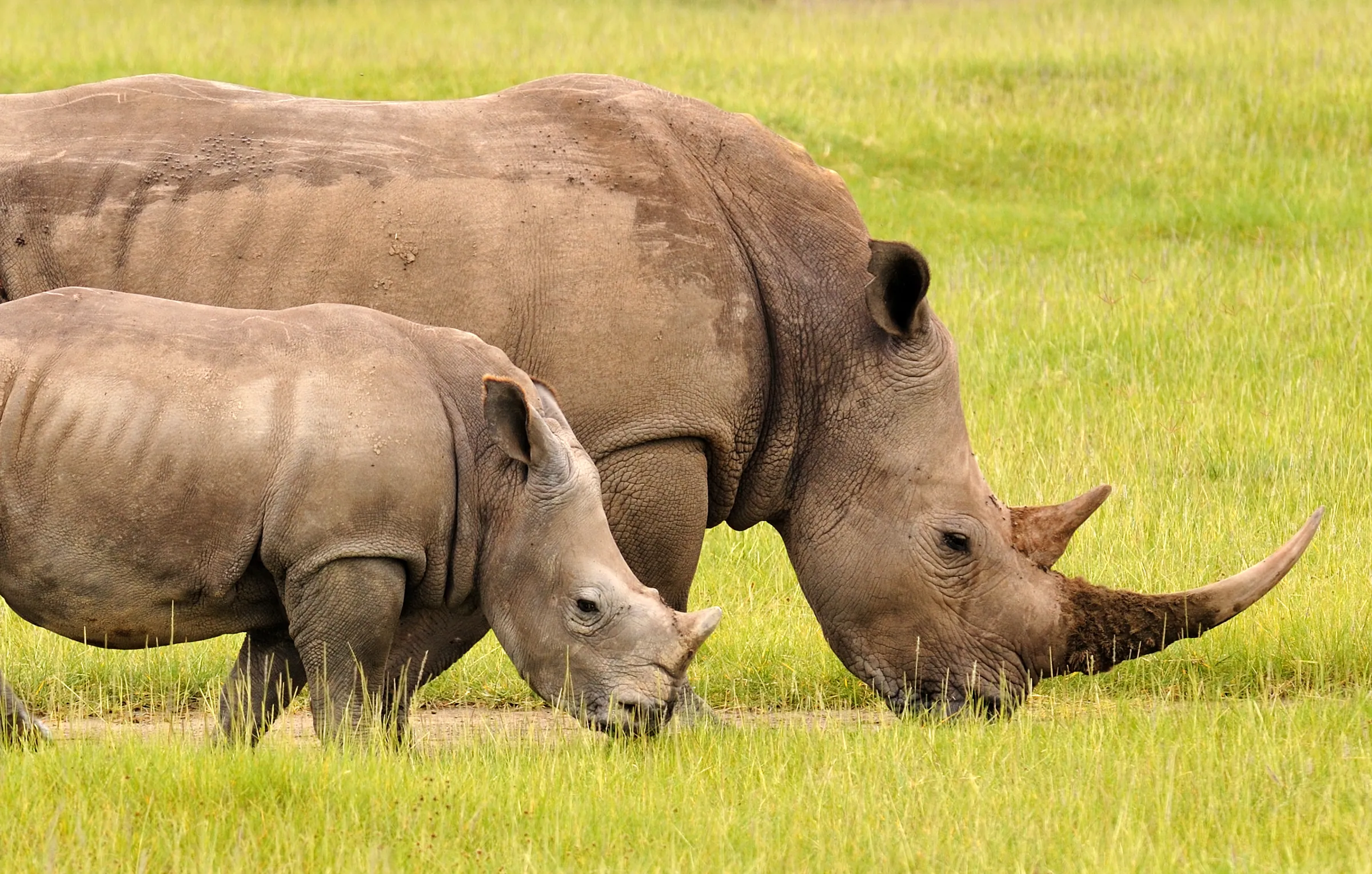
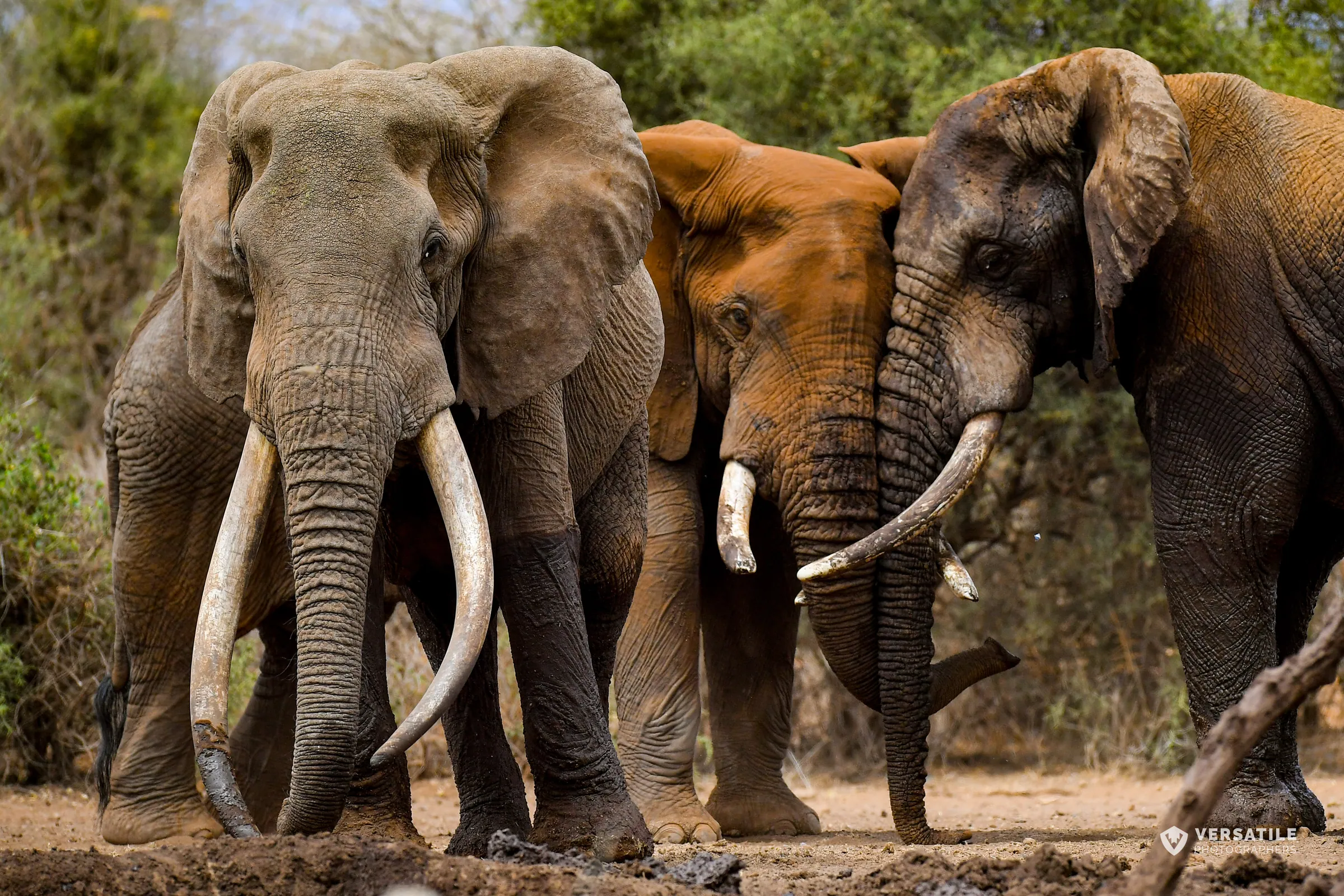
Wildlife statistics are unreliable, so we go by experience. On a three-night stay in the Mara in the dry season, most guests see lion, elephant, giraffe, zebra, hippo and buffalo, usually many times over. Leopard and cheetah need luck and time, and that is where the third and fourth nights earn their keep. Rhino is the exception: the Mara has very few and they are rarely seen, so if the Big Five matters to you, add a rhino stronghold such as Lake Nakuru, Ol Pejeta or Lewa.
- Two nights: the big, common animals in most cases, and a cat if you are lucky
- Three nights: the common animals many times over, a good chance of lions, and time for a full day out
- Five nights across one or two areas: real chances at leopard and cheetah, time to watch behavior, and perhaps a hunt
- Ten nights or more with a rhino park: the Big Five becomes a realistic goal rather than a hope
Jet lag and the first morning
Kenya is 7 to 8 hours ahead of New York, depending on daylight saving time, and 10 to 11 hours ahead of Los Angeles. Most routes from the U.S. are overnight, and the first dawn drive after a night on a plane is a blur. Build in a night in Nairobi on arrival: a hot shower, a real bed, perhaps the elephant orphanage or the Giraffe Centre the next morning. The exception is the late-morning nonstop from New York, which can connect to the Mara the same day; even then, many travelers are glad of a gentle first afternoon. Our flights guide explains the arrival times.
Safari fatigue is real
A 5:30am wake-up call every day for ten days wears people out, and tired guests stop enjoying sightings. Plan a slow morning every third day: skip the dawn drive, sleep in, have breakfast in camp and go out in the afternoon. Mix in something different, such as a guided walk, a cultural visit or an afternoon at the pool. On longer trips, a few nights on the coast at the end is not an indulgence. It is what lets you remember the safari instead of just surviving it.
Our rules of thumb
- Never fewer than three nights in the Mara
- Two parks per week, not three
- One Nairobi night on arrival, unless you land on the morning nonstop and are keen to go
- A slow morning every third day
- Add the coast once your trip runs past eight days
- If you have to cut, cut a park, not a night
Each extra night adds cost, of course. Our guide to what a Kenya trip costs shows the per-day ranges, so you can price a fourth night in the Mara against a third park. Our sample itineraries for 5, 7, 10 and 14 days show each shape day by day.