Itineraries. Updated November 2026. 5 min read.
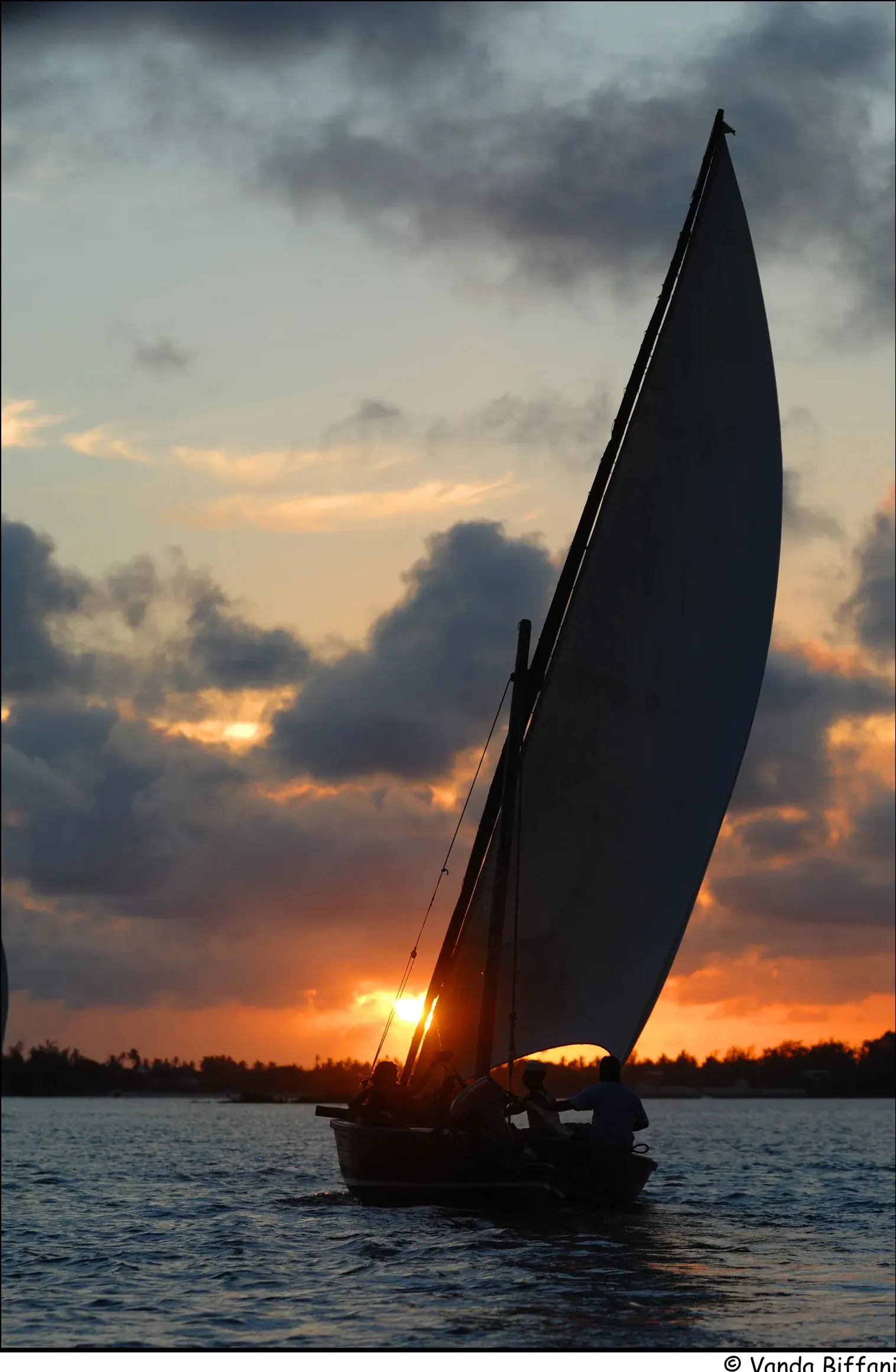
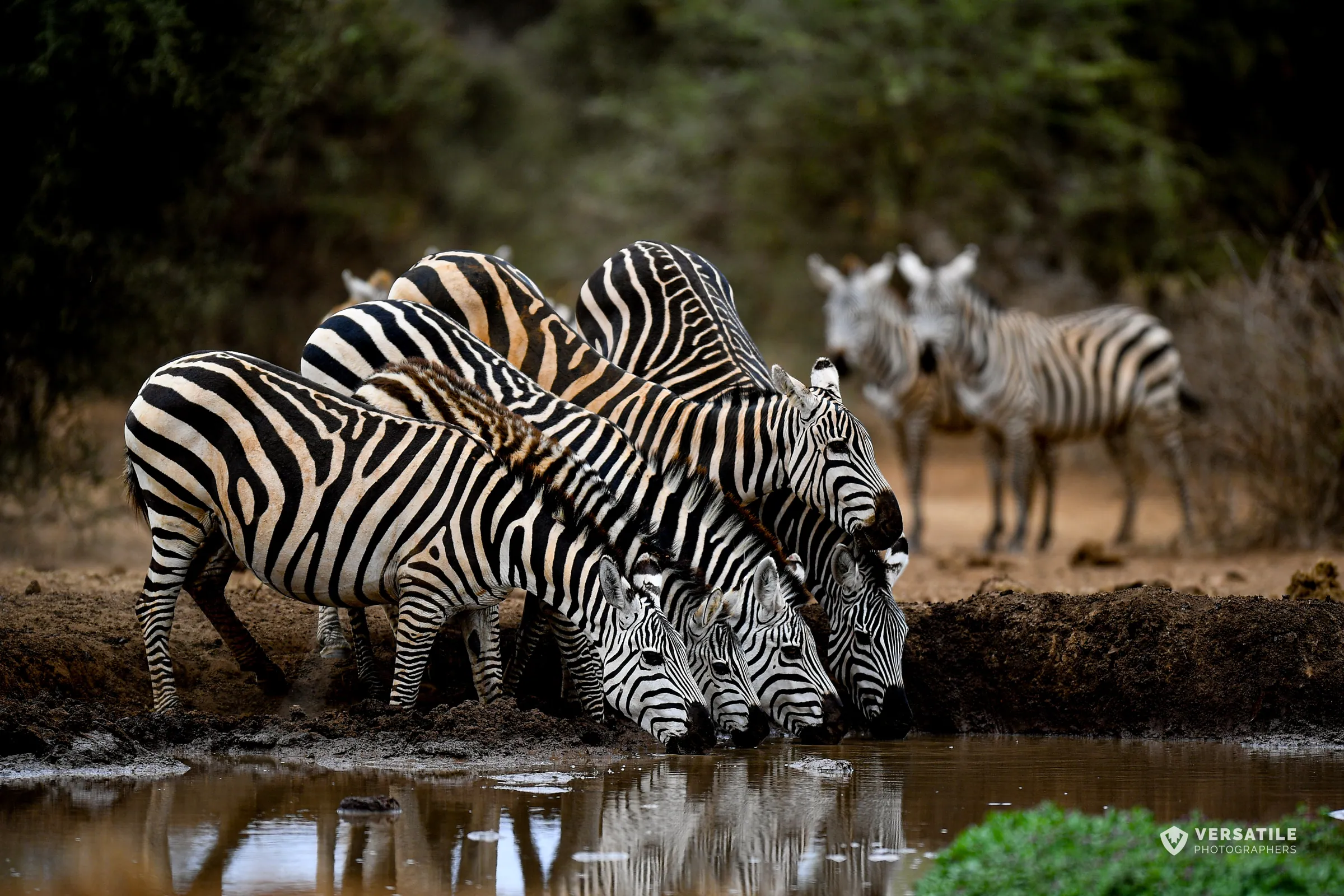
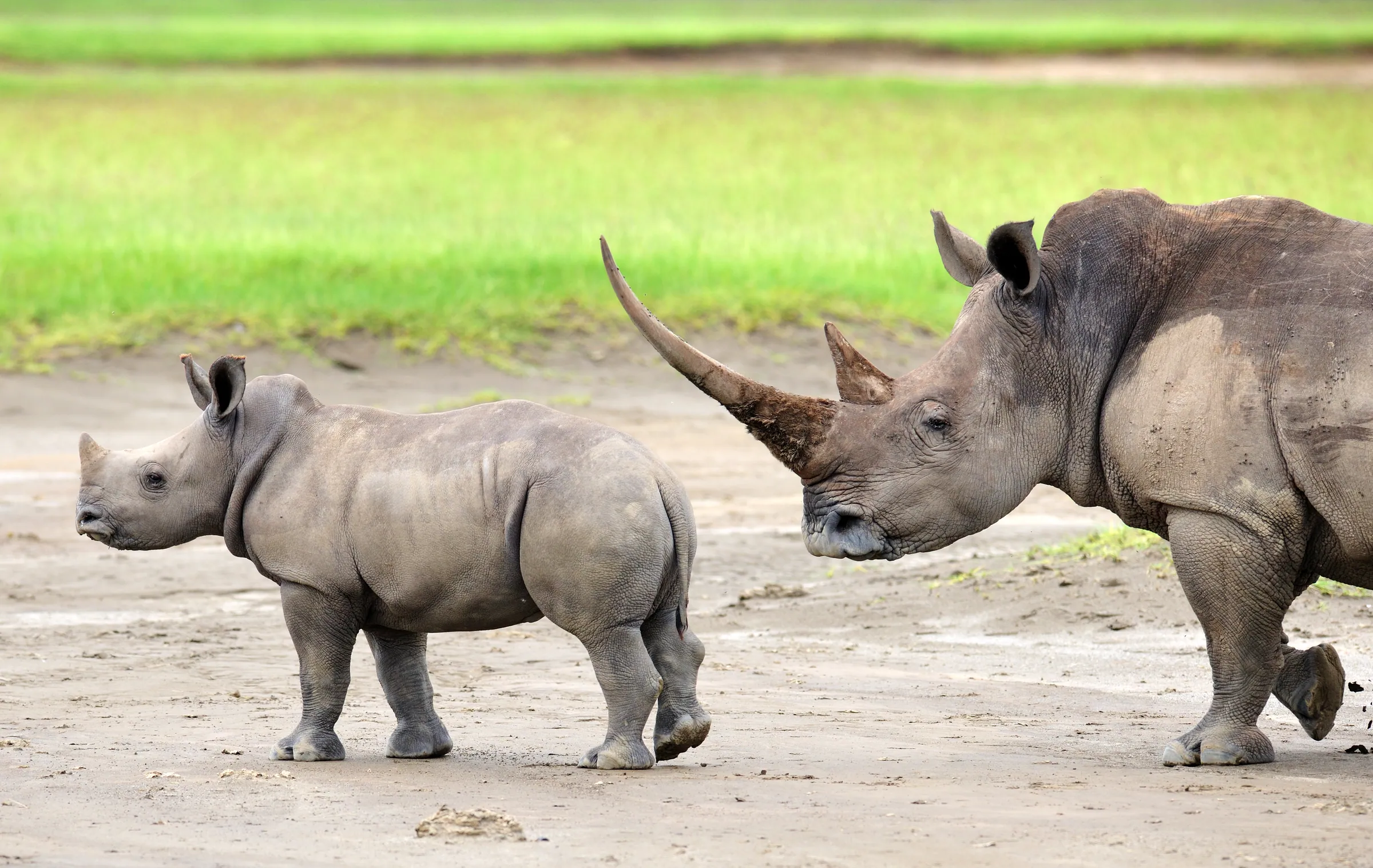
Two weeks is when Kenya stops being a safari and becomes a country. You get the north, where the giraffes wear a different pattern and the zebras have narrow stripes; Laikipia, where rhinos graze under Mount Kenya; the Rift Valley lakes; three nights in the Maasai Mara; and the Swahili coast, whose stone towns were trading across the Indian Ocean long before Columbus sailed.
Our 14-day loop runs clockwise from Nairobi: north to Samburu, across to Laikipia, down through the Rift Valley to Lake Nakuru or Naivasha, west to the Mara, then a flight to the coast for three or four nights. With three internal flights it starts at about $5,500 per person sharing, mid-range. This is a sample route we tailor to you, not a fixed departure, and it is the length where tailoring matters most.
Who two weeks suits
- Travelers who have the time and want to see Kenya properly, not just its most famous reserve
- Diaspora families home for two weeks who want to show their children the country, with time for relatives (see the diaspora version below)
- Second-time visitors who have done the Mara and want the north
- Keen birders and photographers: the range of habitats on this loop is hard to match
The three Kenyas
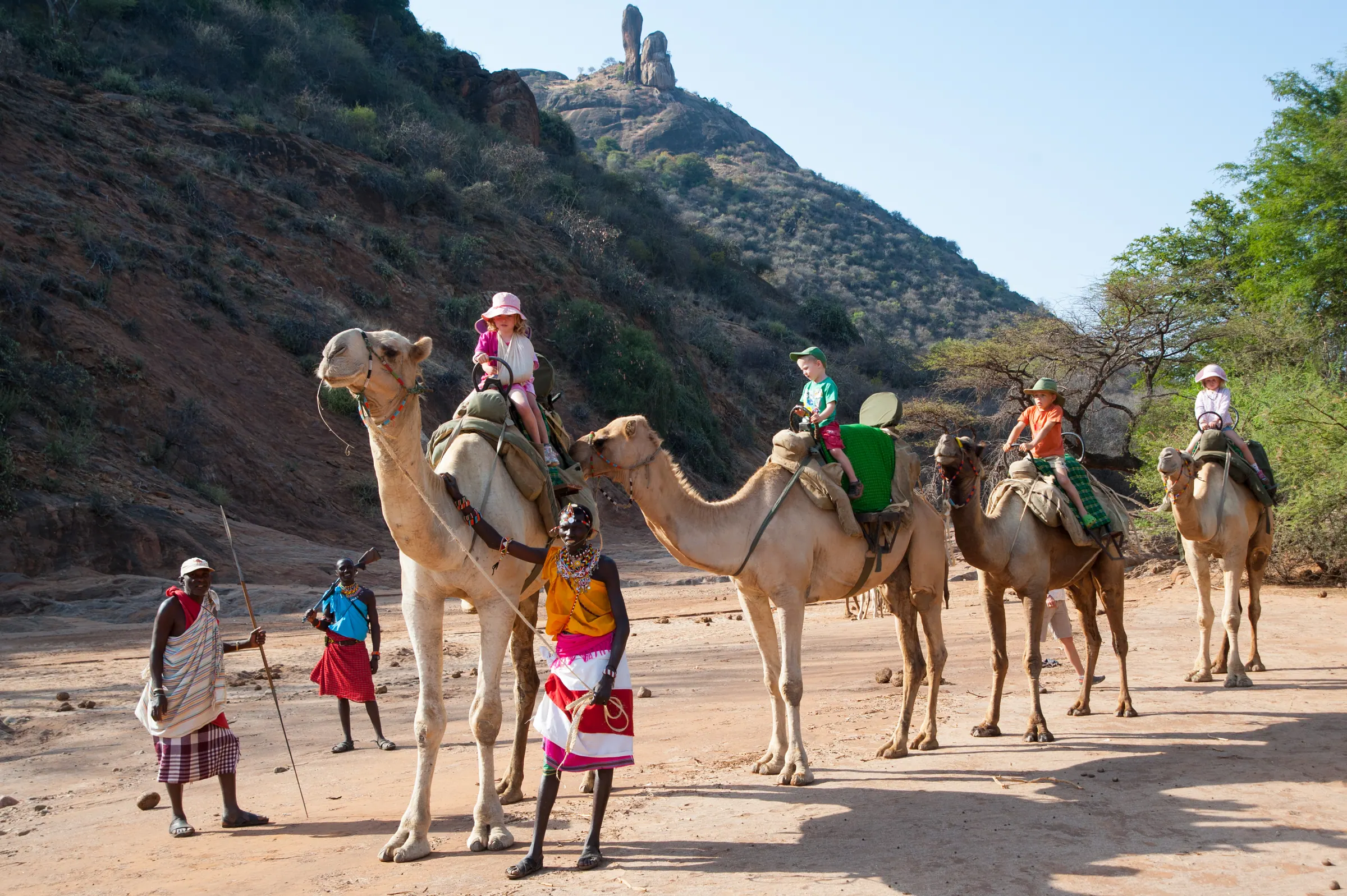
The north is dry country. Samburu's river is lined with doum palms, and its wildlife is adapted to heat and scarce water. It is the home of the Samburu Special Five: Grevy's zebra, reticulated giraffe, Somali ostrich, gerenuk and beisa oryx, none of which you will see in the Mara. Laikipia, just south, is ranch and conservancy country under Mount Kenya, with some of Kenya's best rhino protection and activities the national parks do not allow, such as walking and night drives.
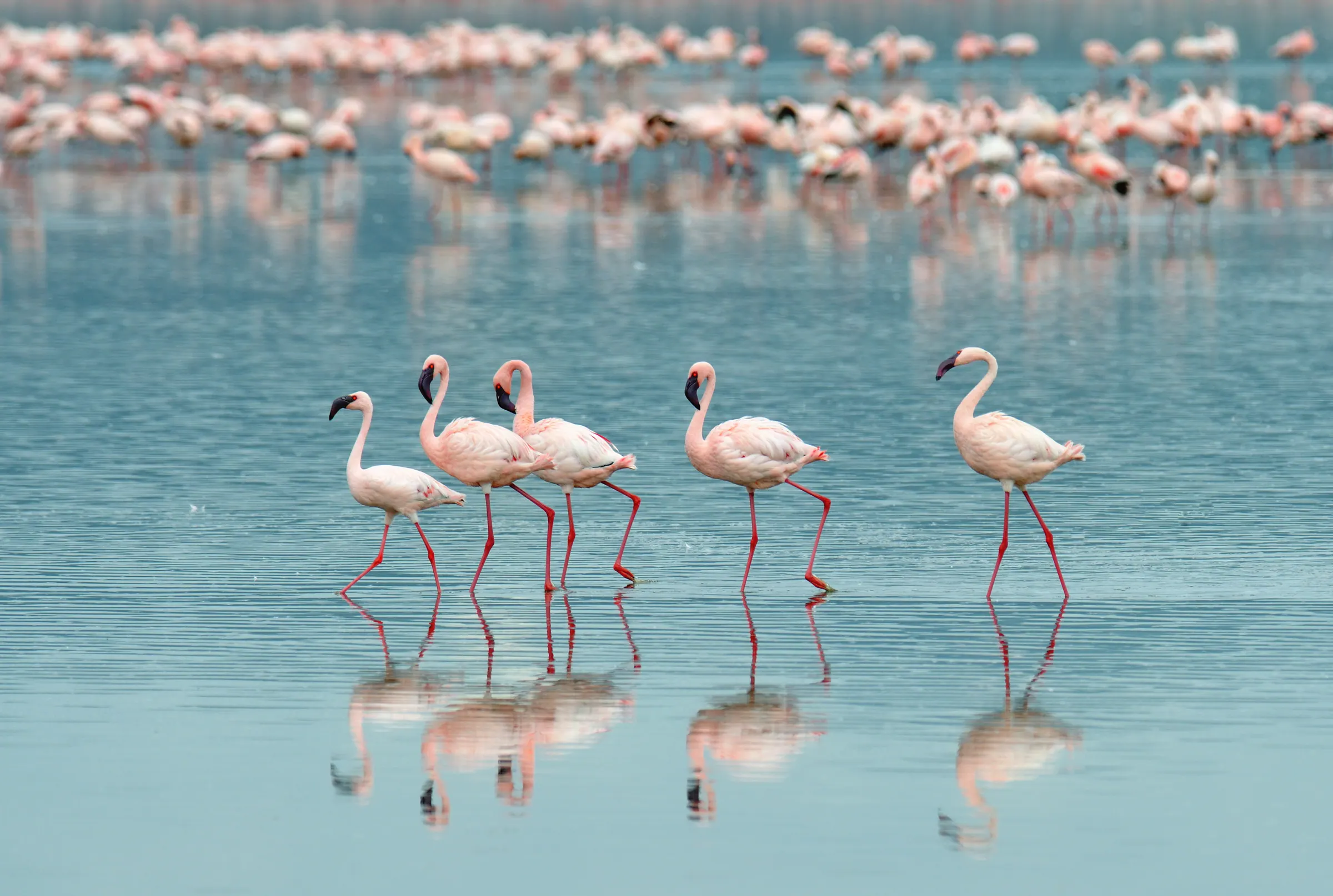
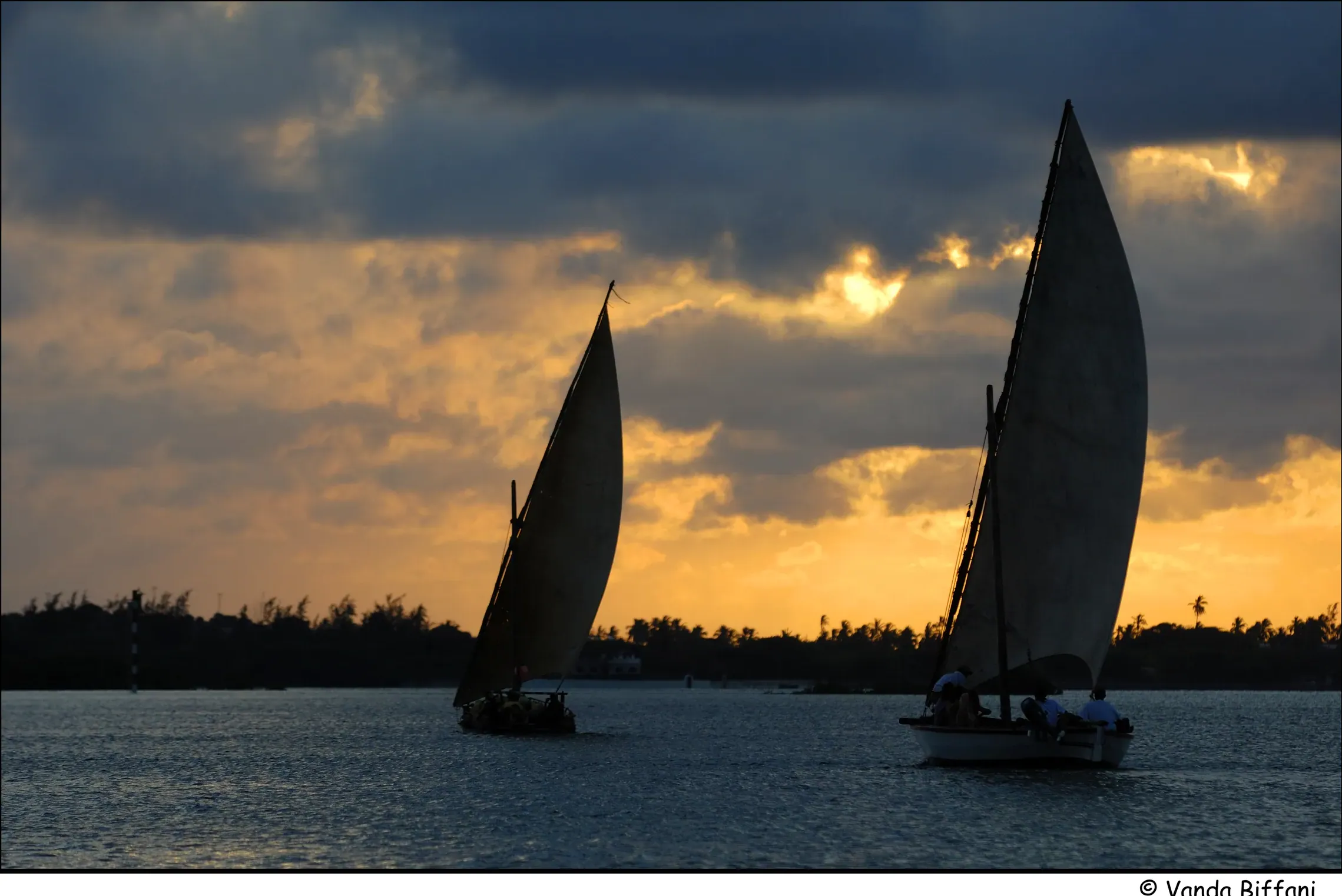
The Mara is the Kenya on the posters: open grassland, big prides, cheetahs and, from about late July into October, the migration. Three nights is the number guides recommend for a real chance of watching cats hunt. The coast is the third Kenya: Swahili towns, coral reefs, dhows and seafood. Doing all three in one trip is what makes two weeks worth the time.
Why clockwise
Going north first puts the hottest, most remote part of the trip at the start, while you are fresh. The road south from Laikipia through Nyahururu to the lakes and then west to the Mara follows the land without doubling back, and the Mara airstrips have direct flights to the coast, so you finish on the beach and fly home rested. Reverse it and you start relaxed and end tired, which is the wrong way round.
Drive or fly: the loop leg by leg
| Leg | By road | By air | In our sample |
|---|---|---|---|
| Nairobi to Samburu | About 6 hours via Nanyuki and the equator | About 1 hour 15 minutes from Wilson | Fly |
| Samburu to Laikipia | 2 to 3 hours via Isiolo | Not needed | Road |
| Laikipia to Nakuru or Naivasha | About 4 hours via Nyahururu | Not needed | Road, with a stop at Thomson's Falls |
| Nakuru or Naivasha to the Mara | About 5 hours via Narok | Possible from Nanyuki or Nakuru | Road |
| Mara to the coast | Not practical | Direct to Diani (Ukunda) or Mombasa | Fly |
| Coast to Nairobi | Long road, or the train from Mombasa | About 1 hour 15 minutes | Fly |
The mid-range price assumes three flights and private road transfers with one driver-guide for the middle of the loop. That driver-guide stays with you from Samburu to the Mara, which many travelers count as the best part: by day 7 they know what you want to see. If you would rather fly more legs, our fly-in or road guide sets out what you gain and what it costs.
The diaspora version
Many Kenyan-American families come home for two weeks and want a safari that leaves time for family. In this version we replace Samburu with a stay in your home county, such as Kisumu, Nyeri, Uasin Gishu around Eldoret, or Machakos, and add a week in Nairobi for relatives, school visits and errands, then finish with the Mara and the coast. We also price at citizen and resident rates where your family qualifies; our diaspora page explains how.
Swaps
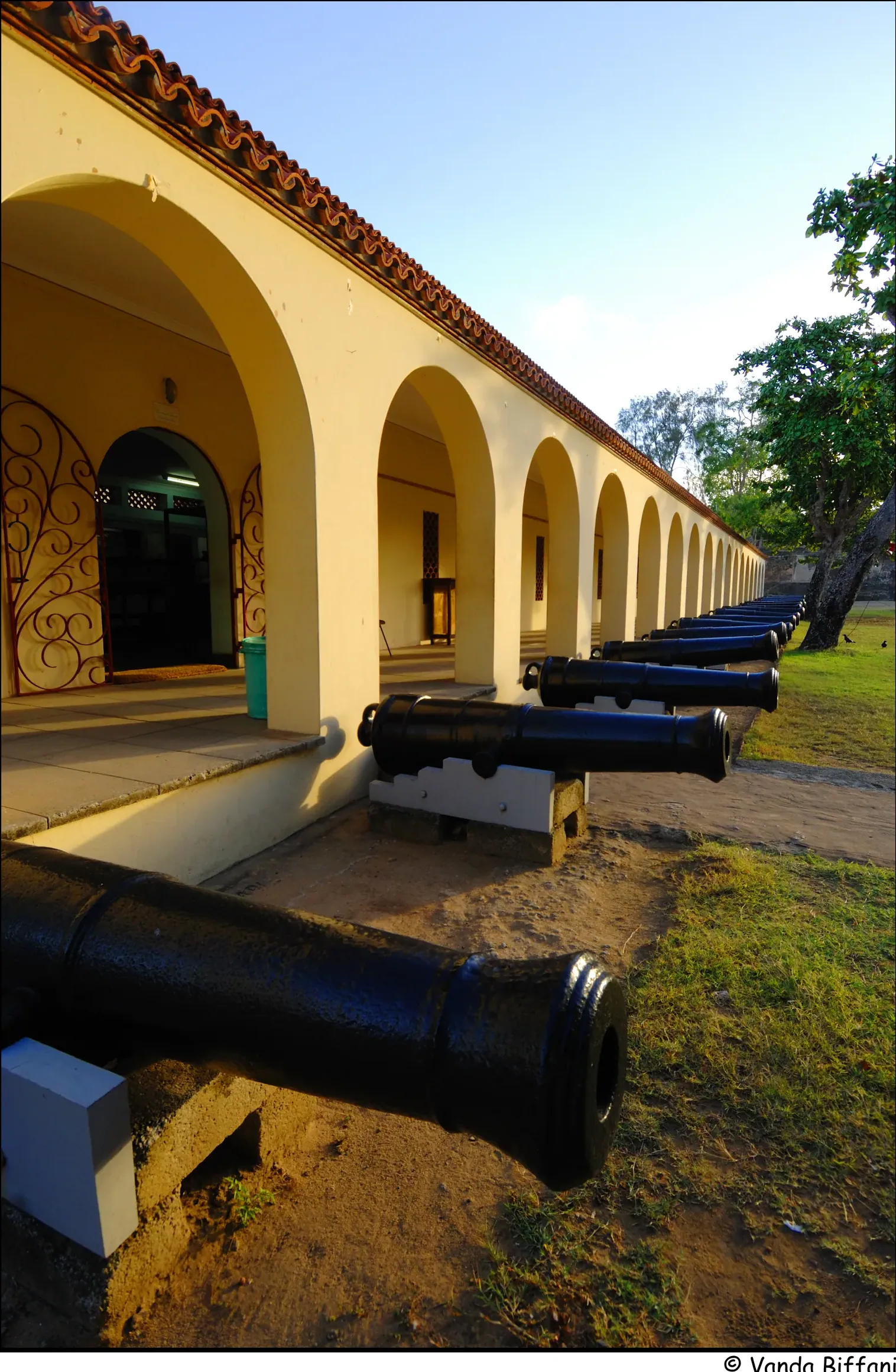
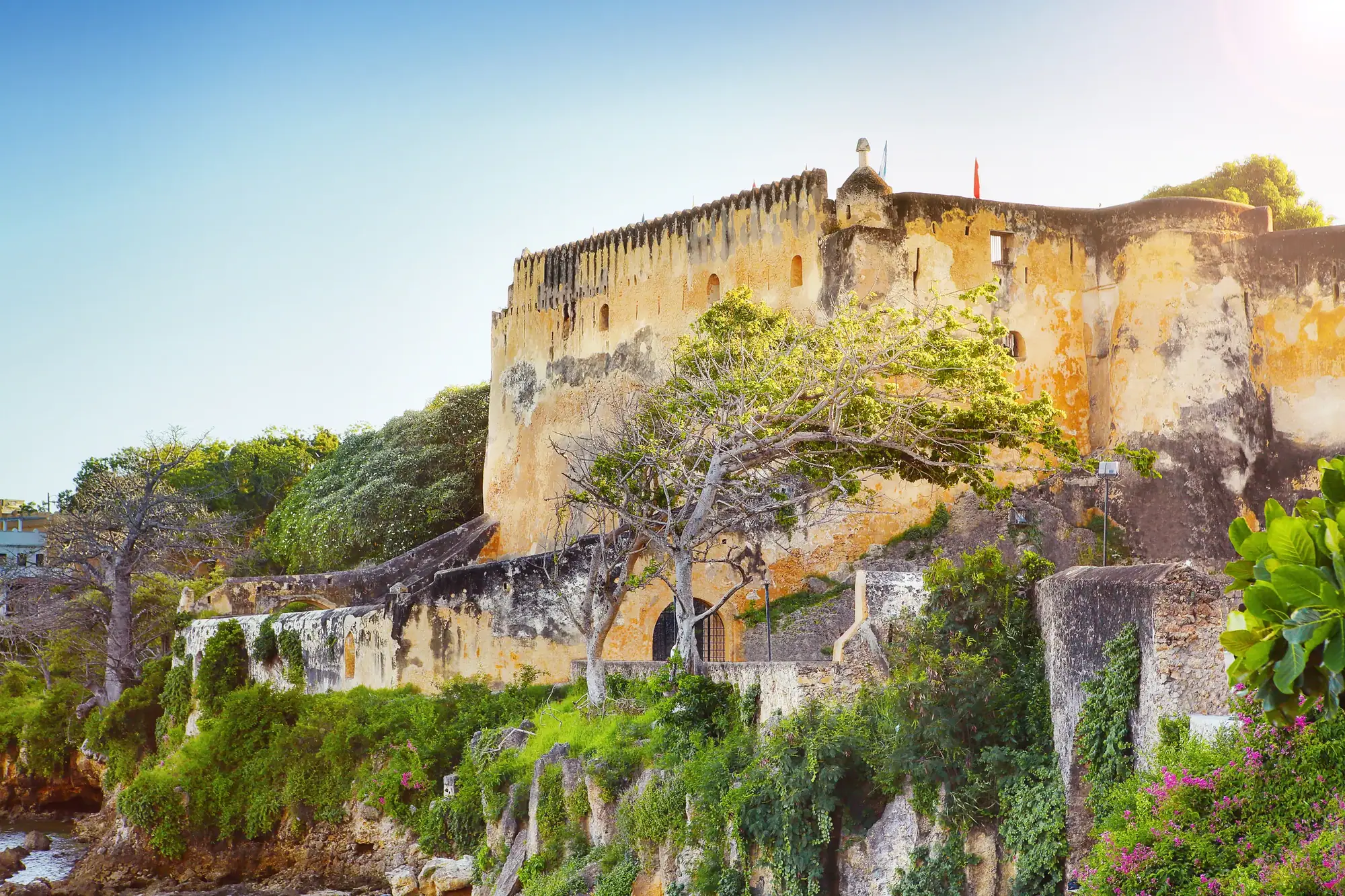
- Watamu and Mombasa Old Town instead of Diani: turtles, the Gedi ruins and Fort Jesus
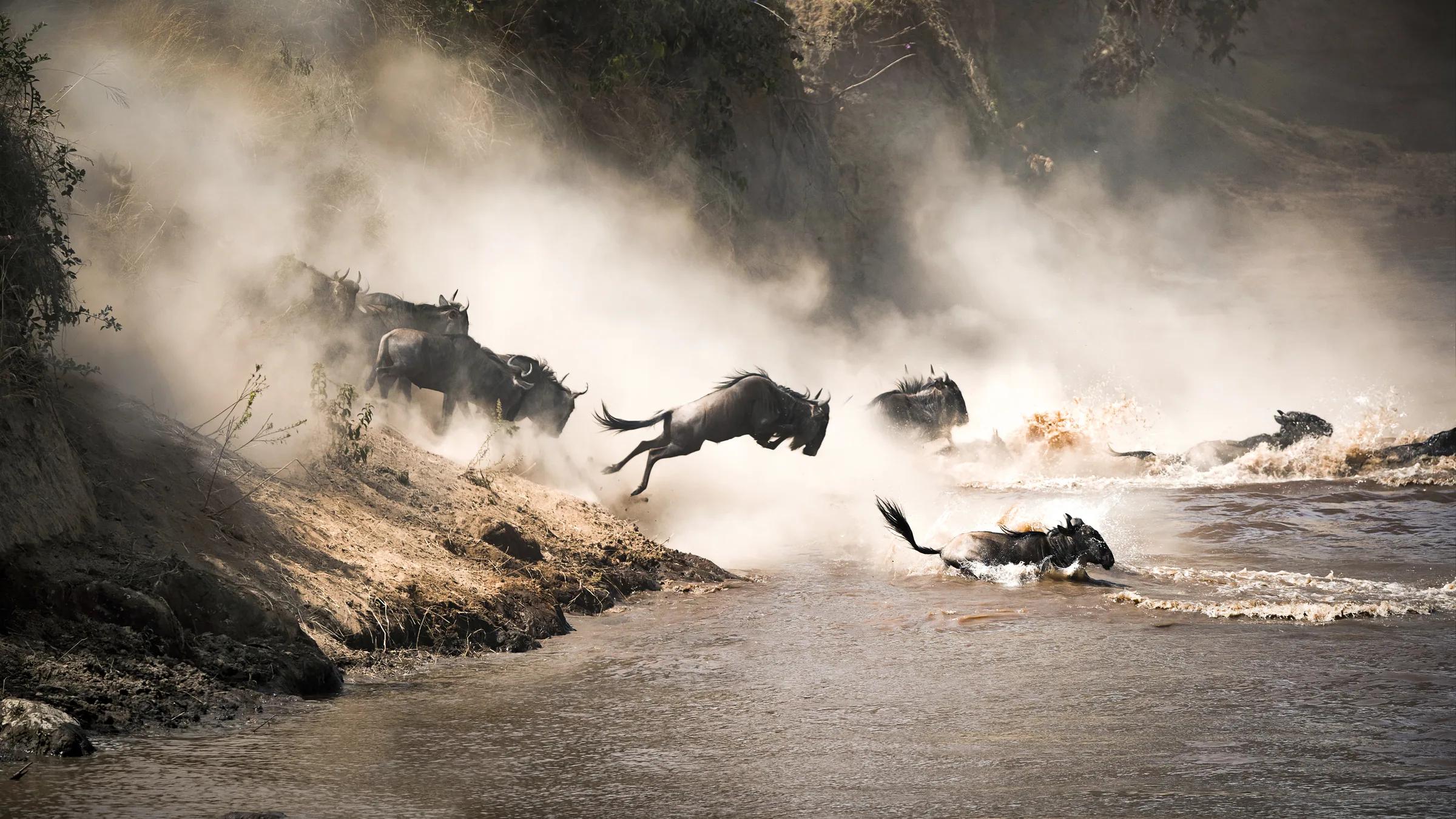
- Lake Naivasha instead of Nakuru: a boat ride and Crescent Island instead of a rhino drive
- A Mara conservancy instead of the main reserve: fewer vehicles, walks and night drives
- Lamu for the final nights: no cars, Swahili culture; check the advisory note first
When to go
Late June to October is the classic window: dry across the country, with the migration in the Mara from about late July. January to March is also dry and often better value. The north is hot all year; the short rains of November turn it green quickly. April and May are the long rains, when some camps in Samburu, Laikipia and on the coast close, so we avoid them for this loop unless budget is the priority.
What is included
- Thirteen nights in the tier you choose, full board on safari
- Three internal flights in our sample, with transfers at each end
- Private safari vehicle and the same Kenyan driver-guide on the road legs
- Park and conservancy fees for every safari day
- Game drives, and walking or night drives where the Laikipia conservancy allows
- Our 24-hour support in Kenya
What is not included
- International flights
- Kenya eTA, vaccinations and travel insurance
- Optional activities such as the Mara balloon flight or coast excursions
- Tips for guides and camp teams
- Premium drinks and personal items
How to book
Two weeks has more moving parts, so start early, ideally six to nine months out for July to October. Tell us your dates, who is traveling and which Kenya matters most to you. We tailor the loop, send a written quote with every fee and flight, and adjust until it is right. Fees and fares change, so we price on the day. You can pay in full or monthly with no deposit. For the cost drivers, see our safari cost guide.