Where to stay. Updated November 2026. 5 min read.
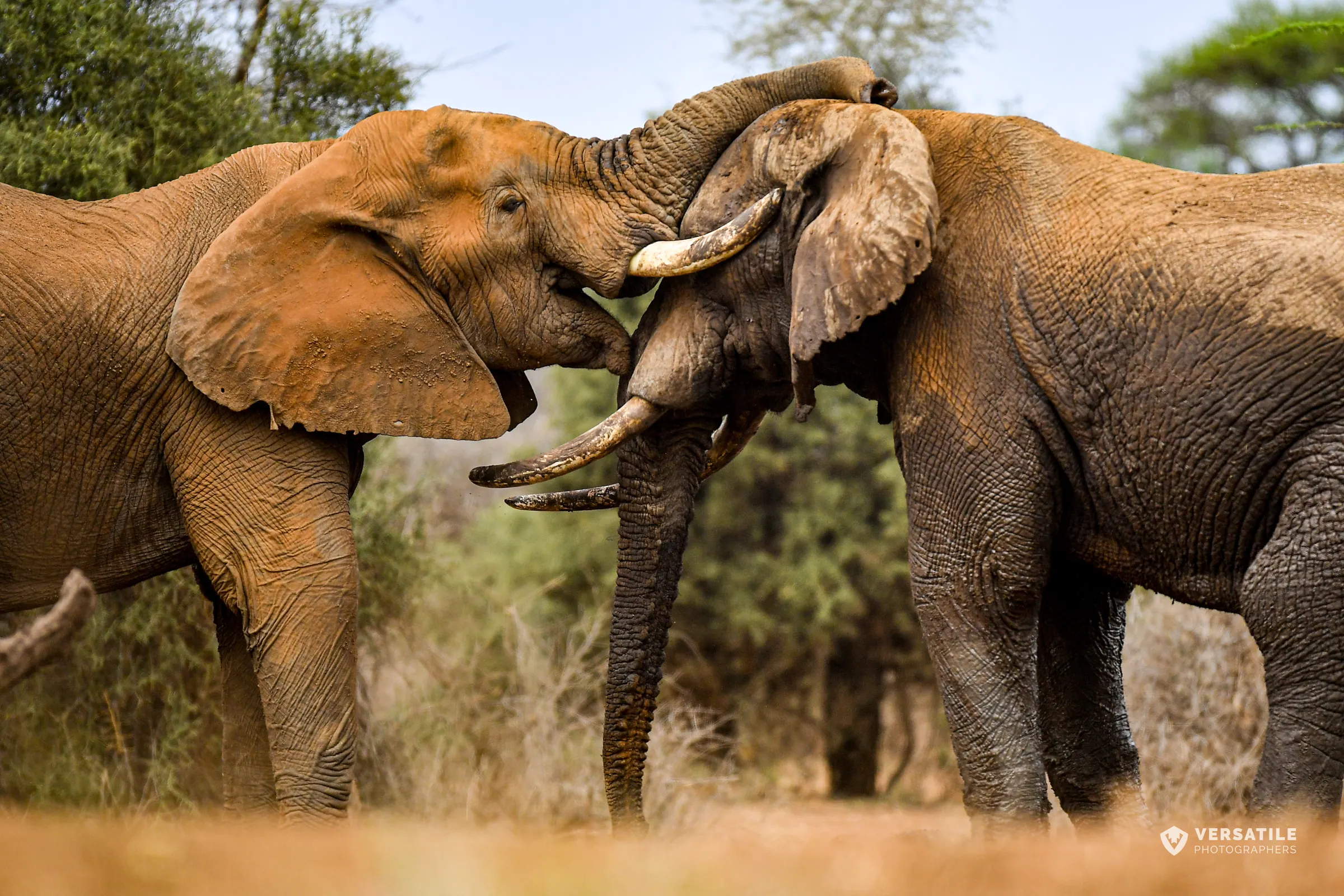
Samburu is a river in a desert. Every camp worth staying in sits on the Ewaso Ng'iro, and the elephants walk through the camps because they were here first. Choose by which bank you sleep on, then between the national reserves and the community conservancies beyond them.
The short answer: for classic river camps and dense elephant and leopard sightings, stay on the north bank in Samburu National Reserve. For the same ecosystem at a slightly lower price, stay across the river in Buffalo Springs. For quiet, go east to Shaba. For walking, night drives and time with Samburu hosts, stay in the Kalama or Westgate conservancies, and for rhino tracking on foot, go further north to Sera and the Mathews Range. Our park guide covers the wildlife; this page is about where to sleep.
The areas
| Area | Character | Picks |
|---|---|---|
| Samburu National Reserve (north bank) | Classic river camps, dense elephant and leopard sightings | Elephant Bedroom Camp, Samburu Intrepids, Larsens, Elephant Watch Camp, Samburu Sopa, Samburu Game Lodge |
| Buffalo Springs (south bank) | Same ecosystem, slightly cheaper, the springs pool | Ashnil Samburu, Ashnil Surana, Samburu Simba |
| Shaba (east) | Quieter, rougher country where Joy Adamson had her last camp | Sarova Shaba |
| Kalama and Westgate conservancies | Community land, walking, night drives, views of Ololokwe | Saruni Samburu, Sasaab, Basecamp Samburu |
| Sera and the Mathews Range | Rhino tracking on foot, remote | Saruni Rhino, Sarara, Kalepo |
The north bank: Samburu National Reserve
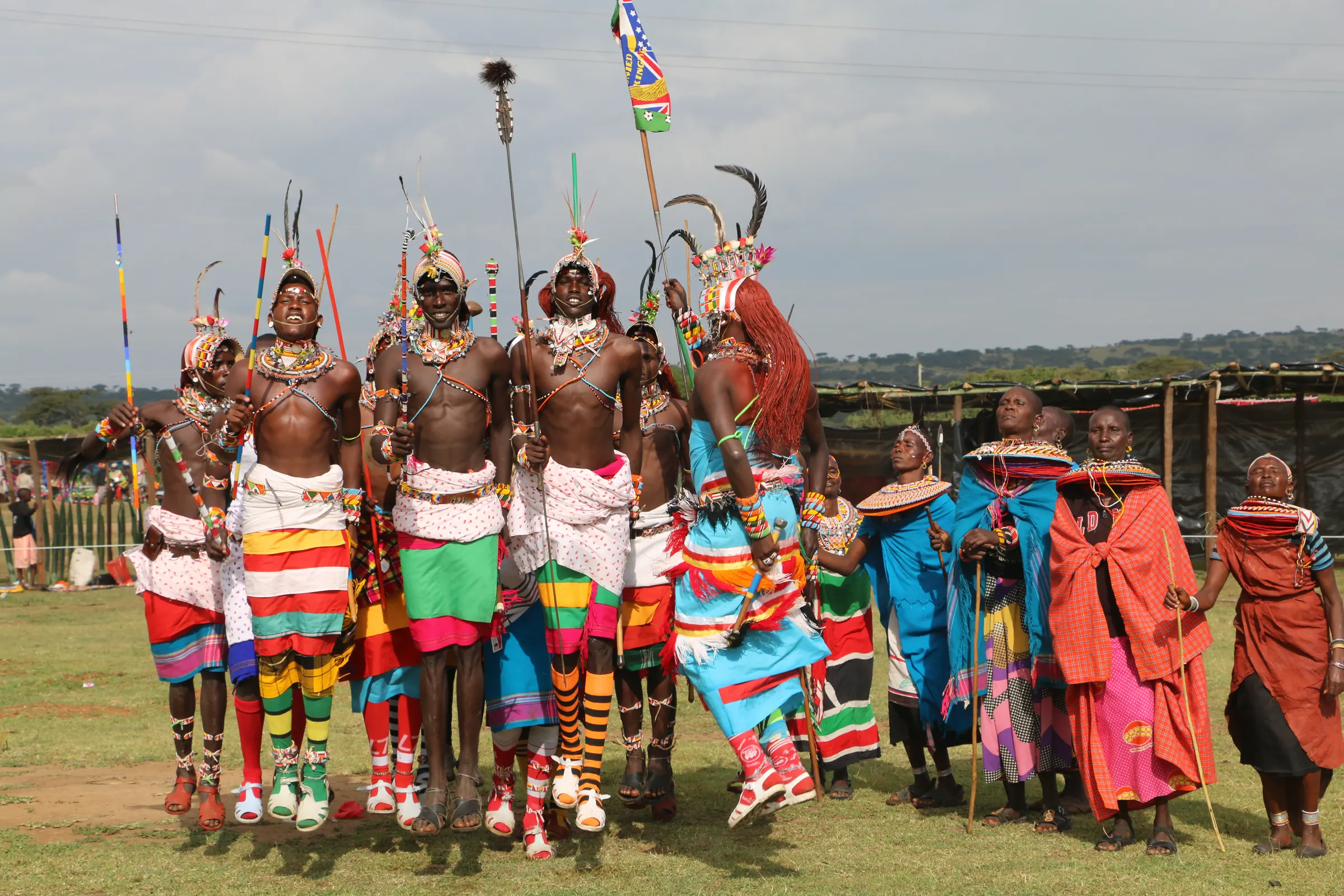
This is the heart of it. The camps line the river under doum palms and acacias, and from your deck you watch elephants cross to drink and dig for water. Elephant Watch Camp is run by the Douglas-Hamilton family, whose Save the Elephants research is based in Samburu, and it is one of the most personal stays in Kenya. Larsens and Elephant Bedroom Camp are tented camps right on the water. Samburu Intrepids is the good-value tented option, and Samburu Sopa and Samburu Game Lodge are larger, simpler lodges.
Buffalo Springs and Shaba
Buffalo Springs, across the river, shares the same wildlife and is a touch cheaper, with natural springs that feed a clear pool. Guides move between the two reserves, so staying on the south bank does not cost you sightings. Shaba, to the east, is wilder and quieter, with rocky hills and fewer vehicles; Joy Adamson worked and lived here in her last years. Sarova Shaba is the main lodge, on the river.
The conservancies: Kalama, Westgate, Sera and the Mathews
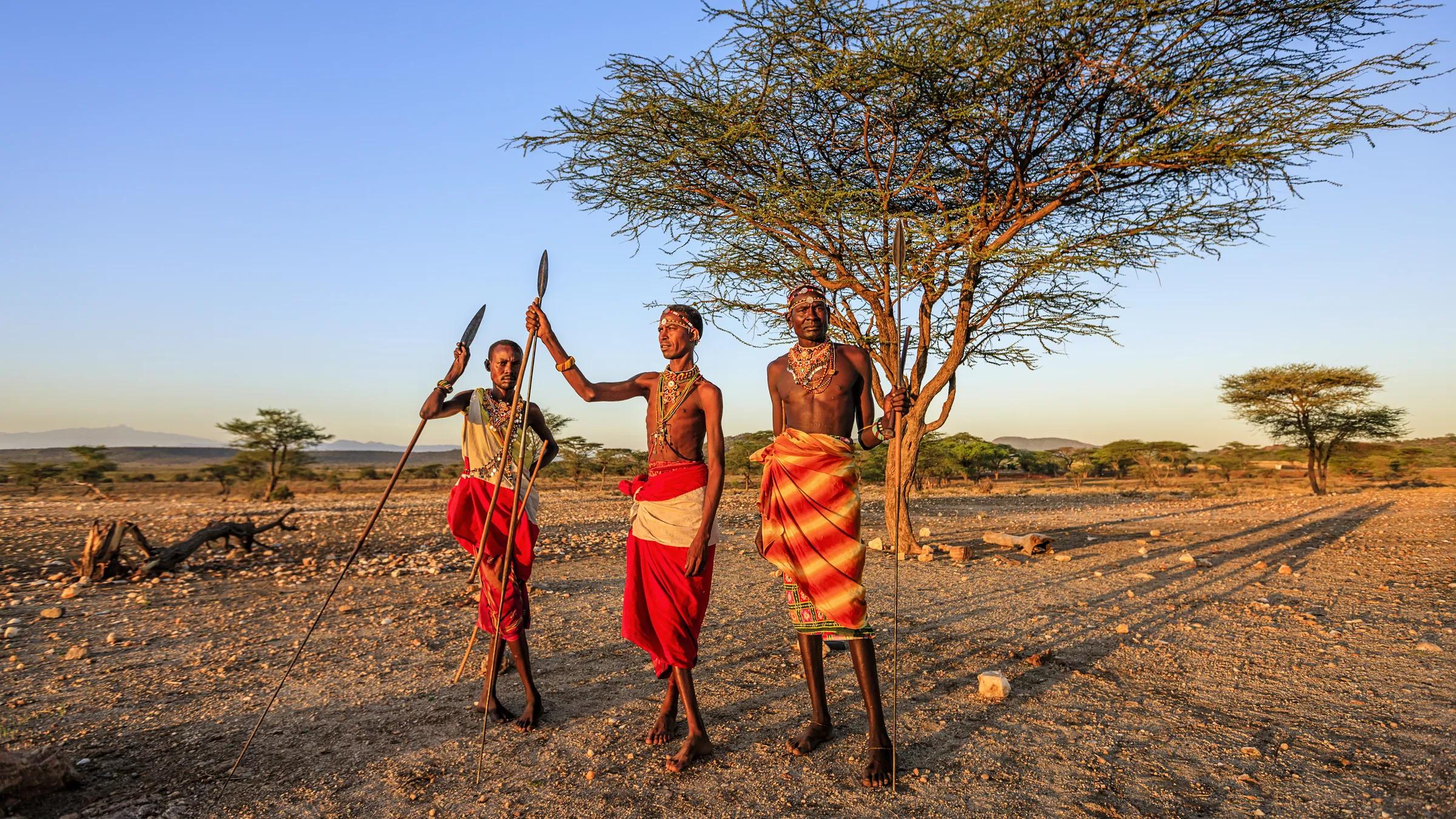
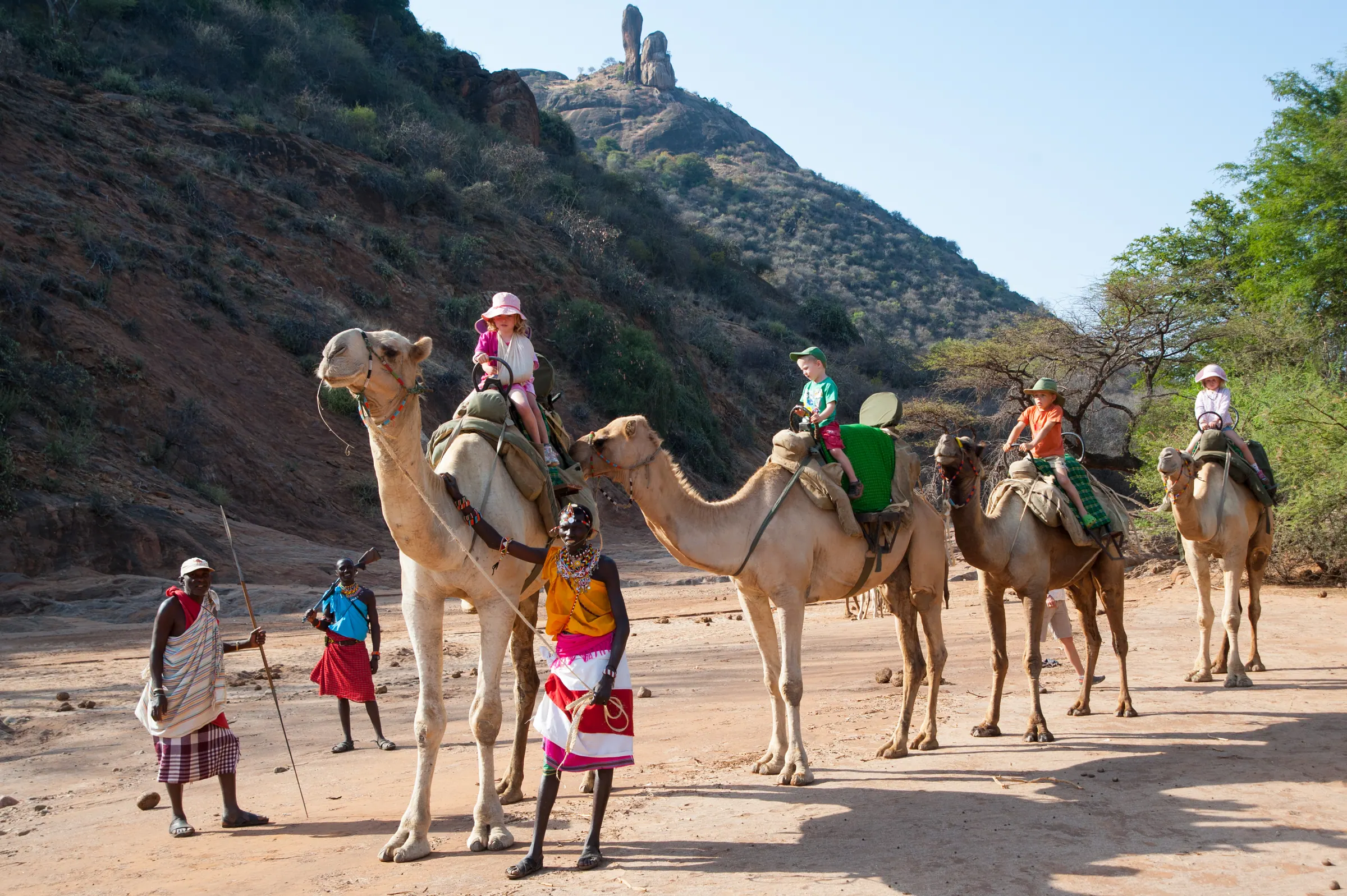
North and west of the reserves, Samburu communities run conservancies on their own land, many of them supported by the Northern Rangelands Trust. Here you can walk with Samburu guides, go out on night drives, visit with your hosts and look out to Ololokwe, the great flat-topped mountain. Saruni Samburu sits high on a rocky hill in Kalama, Sasaab looks over the river in Westgate, and Basecamp Samburu is a quieter tented option. Further north, Saruni Rhino in Sera offers black rhino tracking on foot, and Sarara and Kalepo are remote camps in the Mathews Range.
Camps by budget
| Camp | Area | Style | Price band | Best for |
|---|---|---|---|---|
| Samburu Sopa | Samburu reserve | Lodge | Mid-range | Families, simple value |
| Samburu Game Lodge | Samburu reserve, on the river | Lodge | Mid-range | First safaris |
| Samburu Simba | Buffalo Springs area | Lodge | Mid-range | Groups |
| Ashnil Surana | Buffalo Springs area | Tented camp | Mid-range | Couples |
| Sarova Shaba | Shaba | Lodge on the river | Mid-range | Quiet game drives |
| Samburu Intrepids | Samburu reserve, on the river | Tented camp | From about $290 | Families, value on the water |
| Ashnil Samburu | Buffalo Springs area | Tented camp | From about $290 | Value on the south bank |
| Basecamp Samburu | Kalama and Westgate area | Tented camp | From about $490 | A conservancy stay at a fair rate |
| Larsens | Samburu reserve, on the river | Tented camp | From about $530 | Couples |
| Saruni Rhino | Sera | Small camp | From about $550 | Rhino tracking on foot |
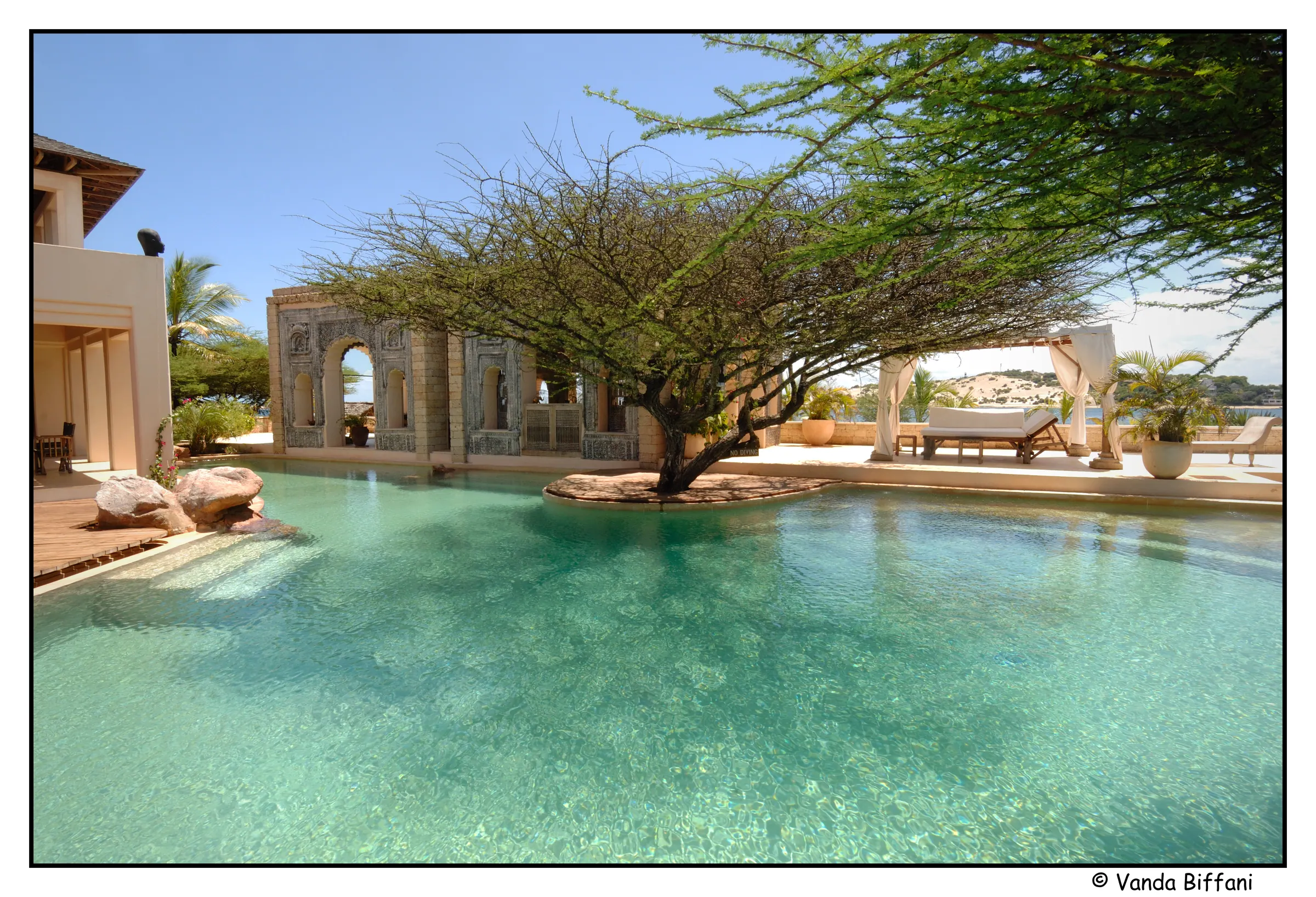
| Saruni Samburu | Kalama | Hilltop lodge | From about $690 | Views, walks, honeymoons |
| Elephant Bedroom Camp | Samburu reserve, on the river | Tented camp | From about $770 | Elephants at the tent |
| Sasaab | Westgate | Lodge | From about $1,300 | Honeymoons and design lovers |
| Elephant Watch Camp | Samburu reserve | Tented camp | From about $1,600 | Elephant lovers who want the research story |
| Sarara | Mathews Range | Tented camp | Top end | Remote wilderness, the singing wells |
| Kalepo | Mathews Range | Small camp | Top end | Walking and families who want privacy |
Who should stay where
- First time in the north on a mid budget: Samburu Intrepids or Ashnil Samburu on the river, two nights
- Honeymoon: Saruni Samburu or Sasaab, with walks and a view, or Elephant Bedroom Camp for elephants at the tent
- Elephant lovers: Elephant Watch Camp, for time with the people who study them
- Rhino seekers and active travelers: Saruni Rhino in Sera, for tracking on foot
Fees, heat and seasons
Samburu, Buffalo Springs and Shaba are county-run, separate from the Kenya Wildlife Service. At the time of writing the reserve fee is about $85 per non-resident adult per day; ask us how the current ticket works if you plan to cross between reserves. Conservancy fees are usually inside the camp rate. Days are hot, often 88 to 93 F, so a pool and a shady deck matter more here than anywhere else in Kenya. The dry months, when the animals cling to the river, are usually the most rewarding; in the rains, the river can rise fast.
How many nights, and getting there
Two nights is the minimum, three is better, especially if you add a conservancy. Flights from Wilson Airport take about 1 hour 15 minutes to the Kalama or Buffalo Springs airstrips. By road, it is about 6 hours from Nairobi via Nanyuki and Isiolo, which pairs well with a stop in Laikipia on the way.
What we recommend
For a second safari, we like two nights on the river in the reserve and two in a conservancy such as Kalama or Westgate, then on to Laikipia for rhinos. If your budget is tighter, Samburu Intrepids or Ashnil Samburu with a road transfer from Laikipia keeps the cost down without losing the river.