Planning a safari. Updated November 2026. 5 min read.
Your guide will spend ten hours a day finding you leopards and will never once mention money. That is exactly why it helps to know, before you pack, how much to bring, how to hand it over, and who else you might forget.
The short answer: on a private safari, tip your driver-guide about $40 to $50 per vehicle per day. Put $5 to $15 per person per night into each camp's staff box, and carry a few small bills for porters and transfer drivers. A couple on a seven-day mid-range safari should set aside $300 to $450 in total. Tipping is customary in Kenya's safari world, but it is a thank-you, and nobody will chase you for it.
The ranges below come from published safari guides and from what our own team advises travelers. They are guidance, not rules. Tip more for a guide who went far beyond the job, less if the service was poor.
Who to tip, and how much
| Who | How much | When | Currency |
|---|---|---|---|
| Driver-guide, private safari | $40 to $50 per vehicle per day | At the end of the safari, in person | U.S. dollars |
| Driver-guide, shared safari | $10 to $20 per person per day | At the end of the safari, in person | U.S. dollars |
| Guide at a luxury camp | Often $20 to $30 per guest per day; the camp will usually suggest an amount | After your last drive, or at checkout | U.S. dollars |
| Camp or lodge staff (the tip box) | $5 to $15 per person per night | At checkout | Dollars or shillings |
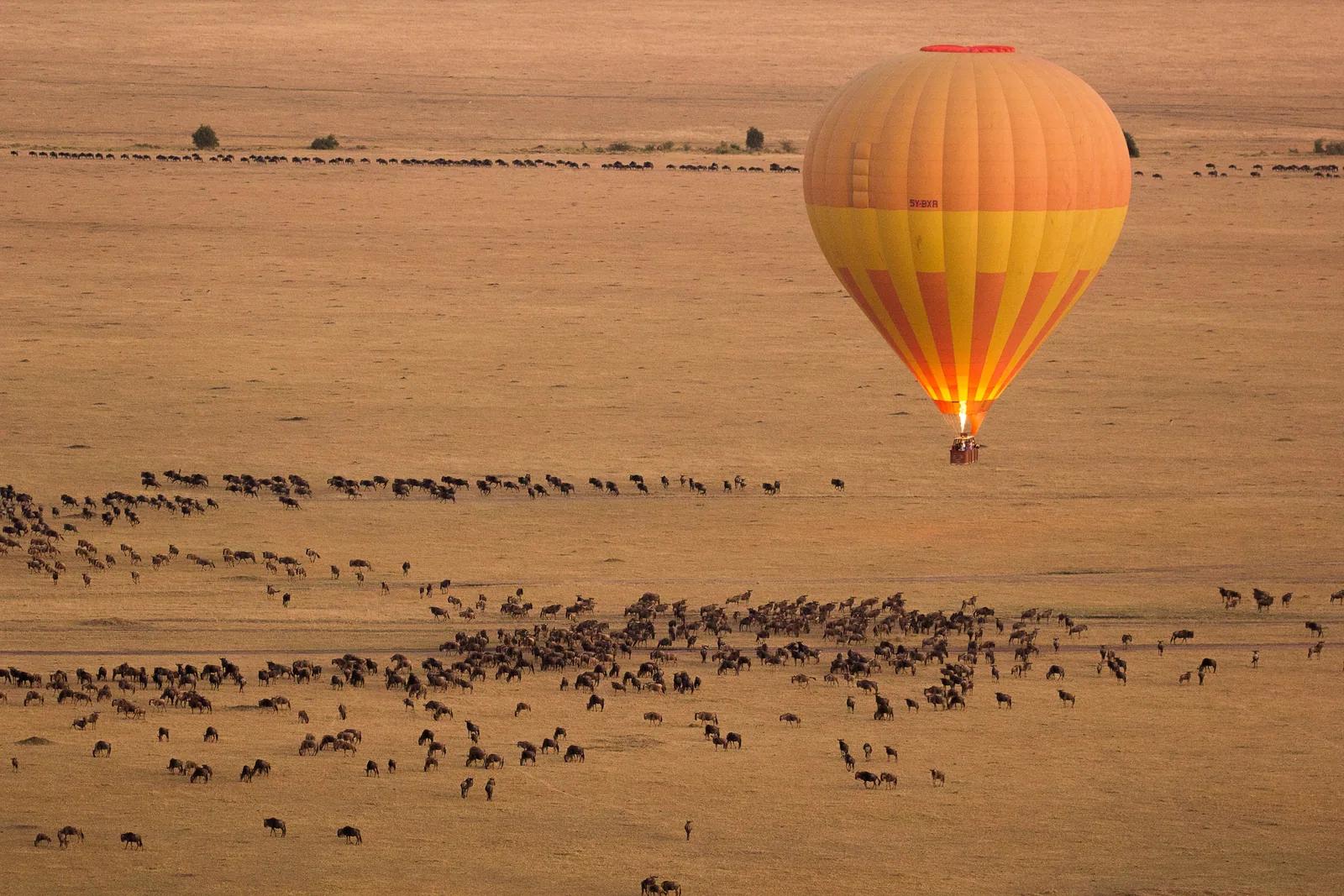
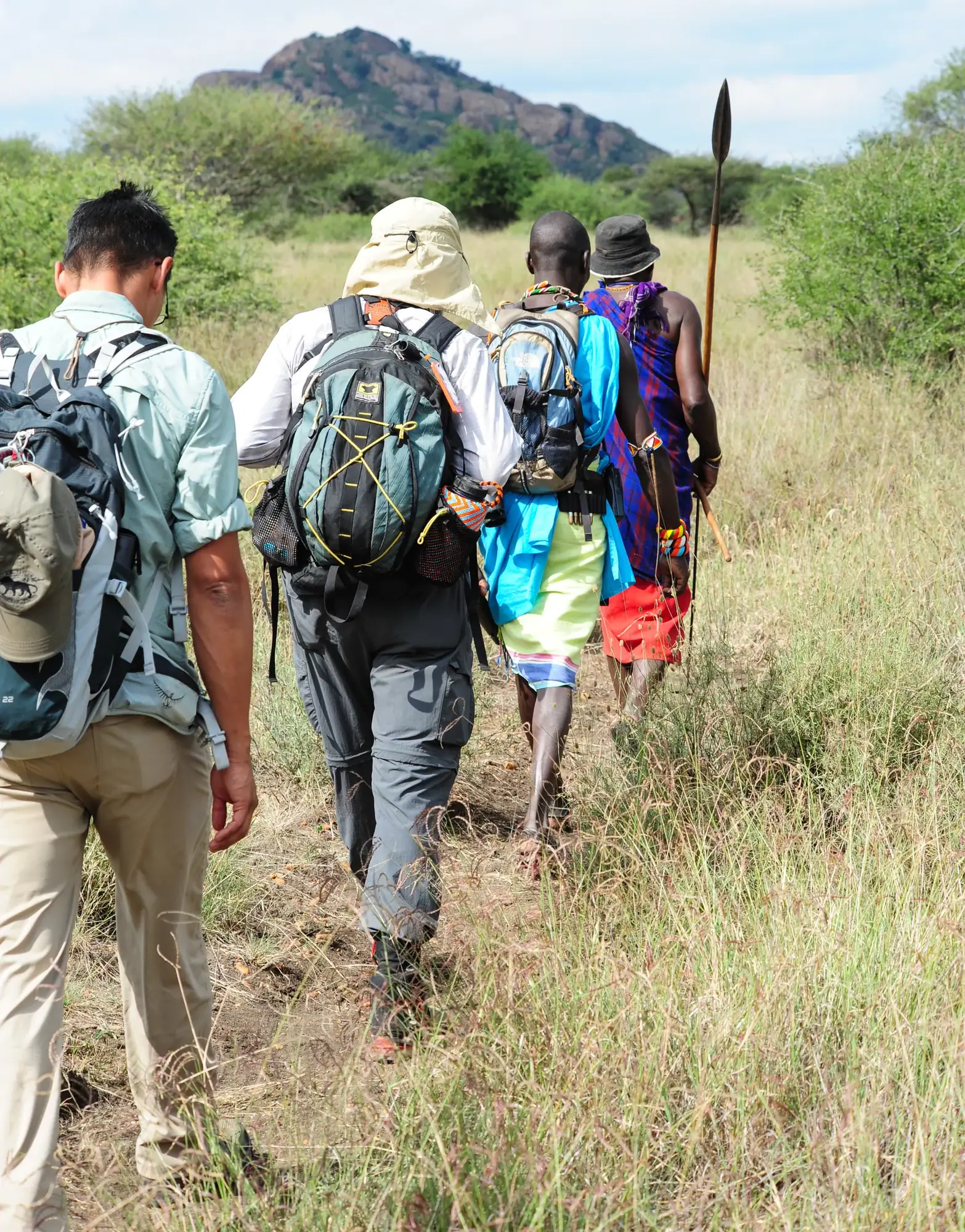
| Walking guide, tracker, balloon pilot | $5 to $10 per person per activity | After the activity | Dollars or shillings |
| Transfer drivers and porters | $2 to $5 | On the spot | Shillings or small dollar bills |
| Hotel housekeeping | $1 to $2 a night | Daily, or at the end | Shillings or dollars |
| Restaurants in Nairobi and on the coast | 10 percent if no service charge is on the bill | With the bill | Shillings |

A worked example: a couple, seven days
Here is how the total adds up for two people on a seven-day private road safari, with six days out with the same driver-guide and six nights in camps and lodges.
| Line | How we worked it out | Amount |
|---|---|---|
| Driver-guide | $45 a day for 6 days on safari | $270 |
| Camp staff boxes | $10 per person per night, 2 people, 6 nights | $120 |
| Walking guide at one camp | $10 per person, 2 people | $20 |
| Airport transfer and porters | A few small tips along the way | $20 |
| Total | $430 |
On a shared safari the guide line changes: $15 per person per day for two people over six days is $180, so the total lands closer to $340. For a family of four on a private trip, the guide tip stays per vehicle while the staff box grows with each person, so plan a little more. Either way, decide the amounts before you leave home and bring the cash in the right bills. Our cost guide shows where tips sit in the whole trip budget.
Which money to tip with
On safari, U.S. dollars are welcome and expected. Bring small bills, $1, $5, $10 and $20, clean and undamaged and issued after 2009, because banks in Kenya refuse torn, marked and older notes, and a refused note is worth nothing to the person you hand it to. In towns, shillings are better for small tips. If someone gives you their M-Pesa number, a mobile money tip works too. For changing money, cards and M-Pesa, see our page on money in Kenya; this page sticks to the tipping.

How to hand it over: the envelope habit
Tip your driver-guide at the end of the safari, in person, in an envelope. Write their name on it and a line about the day you will remember: the leopard at dusk, the elephant that walked past the vehicle. It sounds small. Guides keep those notes. If your vehicle had a driver and a separate spotter, give each their own envelope.
Camps and lodges have a communal tip box, usually at reception, and you use it at checkout. That box is shared with the kitchen, housekeeping, the waiters and the askaris, the night guards who walk you to your tent after dark, most of whom you never see working. If one person looked after you especially well, give them a separate envelope as well, but still use the box. On a trip with three camps, tip at each camp as you leave, and tip your driver-guide last.
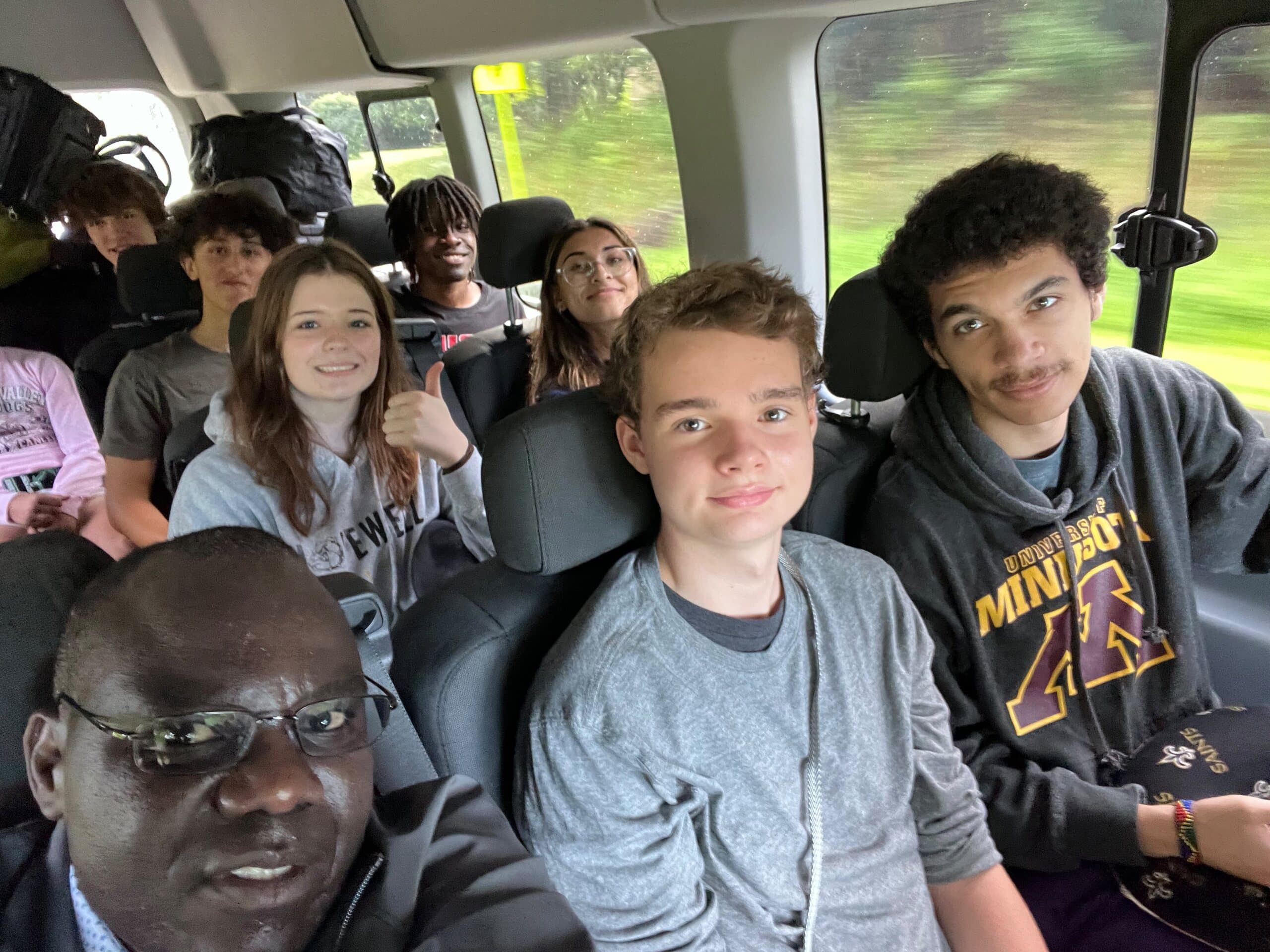
On a fly-in safari you will usually have a different guide at each camp, the camp's own guide. Tip each at the end of your stay there, at the camp's suggested rate. For a group, school or church trip, one envelope from the whole group, collected by the organizer, is simplest and fairest.
Three mistakes we see
- Forgetting the staff box: the guide is visible all day; the cook, the room steward and the askari at your tent are not. The box is how they are thanked
- Tipping with torn or pre-2009 bills: the person cannot spend or bank them, so a generous tip becomes worthless. Check your notes before you fly
- Paying children for photos: it teaches children that visitors are a source of cash and can pull them out of school. Ask adults before you take a picture, and if you want to give, give through a school or community project your guide or camp knows

How guides are paid, and why that matters
Our view, stated plainly: a tip is a thank-you, never a wage top-up. The guides on our trips are paid properly for every day they work, and that cost is inside the price you pay us. Some operators pay guides very little and expect tips to carry the wage, which puts quiet pressure on guests and on guides alike. When you compare companies, ask how their guides are paid. It is one of the questions in our guide to choosing a safari company, and a good company answers it without hesitation.
Tipping in Nairobi and on the coast
In Nairobi and coast restaurants, check the bill first: many add a service charge, and if one is there, rounding up is plenty. If not, 10 percent is normal. Hotel porters get $2 to $5, housekeeping $1 to $2 a night. On the coast, treat a dhow crew or a snorkel guide like a specialist guide, $5 to $10 per person for the trip. For ride-hailing in Nairobi, rounding up the fare is a kind gesture rather than an expectation.
We send every traveler a simple tipping guide with their final documents, with the amounts for their own trip, so you can count out the envelopes before you leave home.