Planning a safari. Updated November 2026. 5 min read.
The cheapest safari quote and the most expensive one often use the same camps. The difference is whether the Land Cruiser is yours. Here is what private really buys you, and when sharing is the smarter choice.
The short answer: a private safari gives you your own vehicle and guide, so you decide when to leave, how long to stay at a sighting and when to stop. For a couple it adds about $100 to $150 each per day. For a family of four or more it costs almost the same as sharing, so it is nearly always worth it. For solo travelers and tight budgets, a well-run shared safari is a good trip and often the right one.
What shared and private mean in Kenya
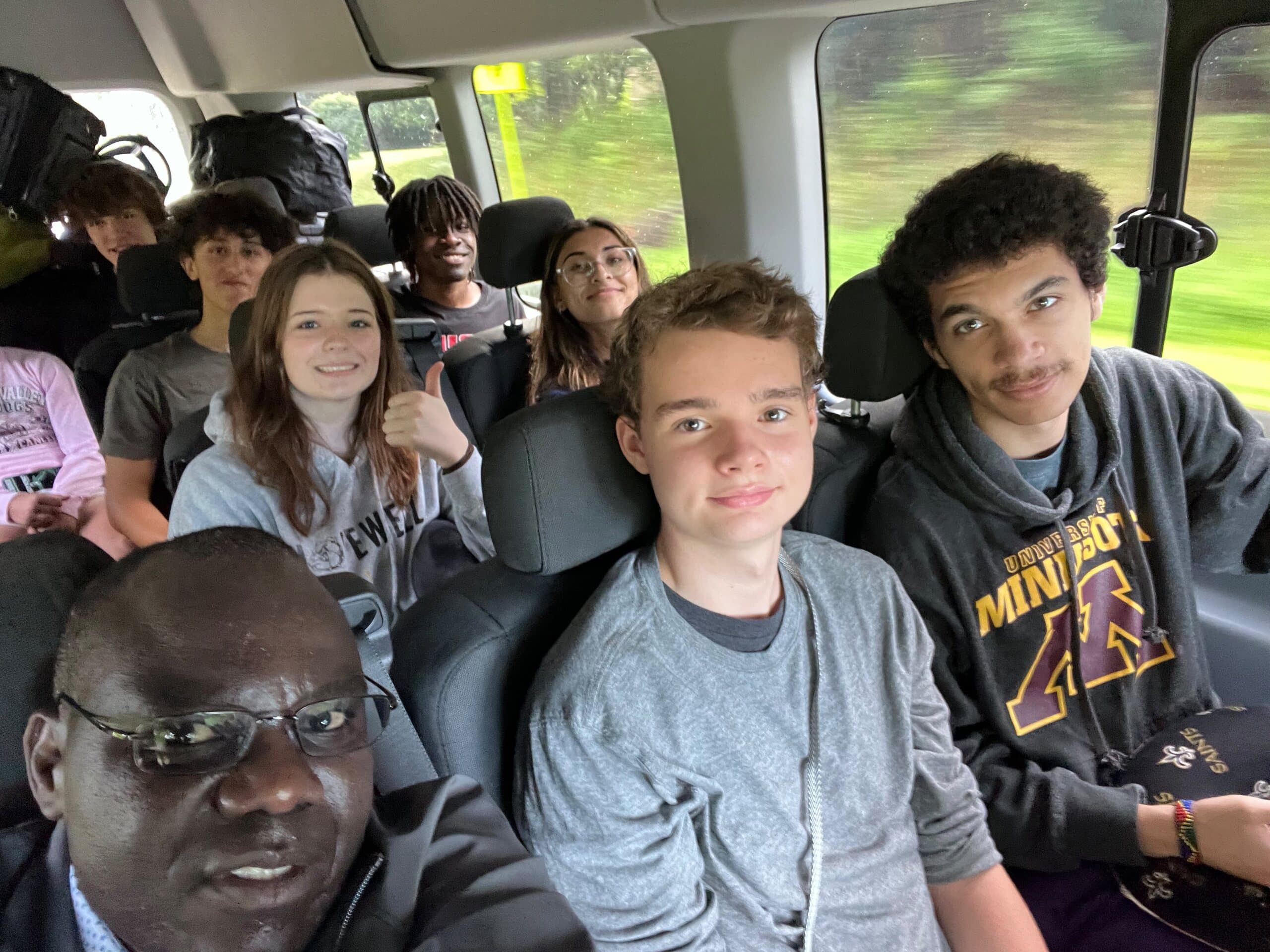
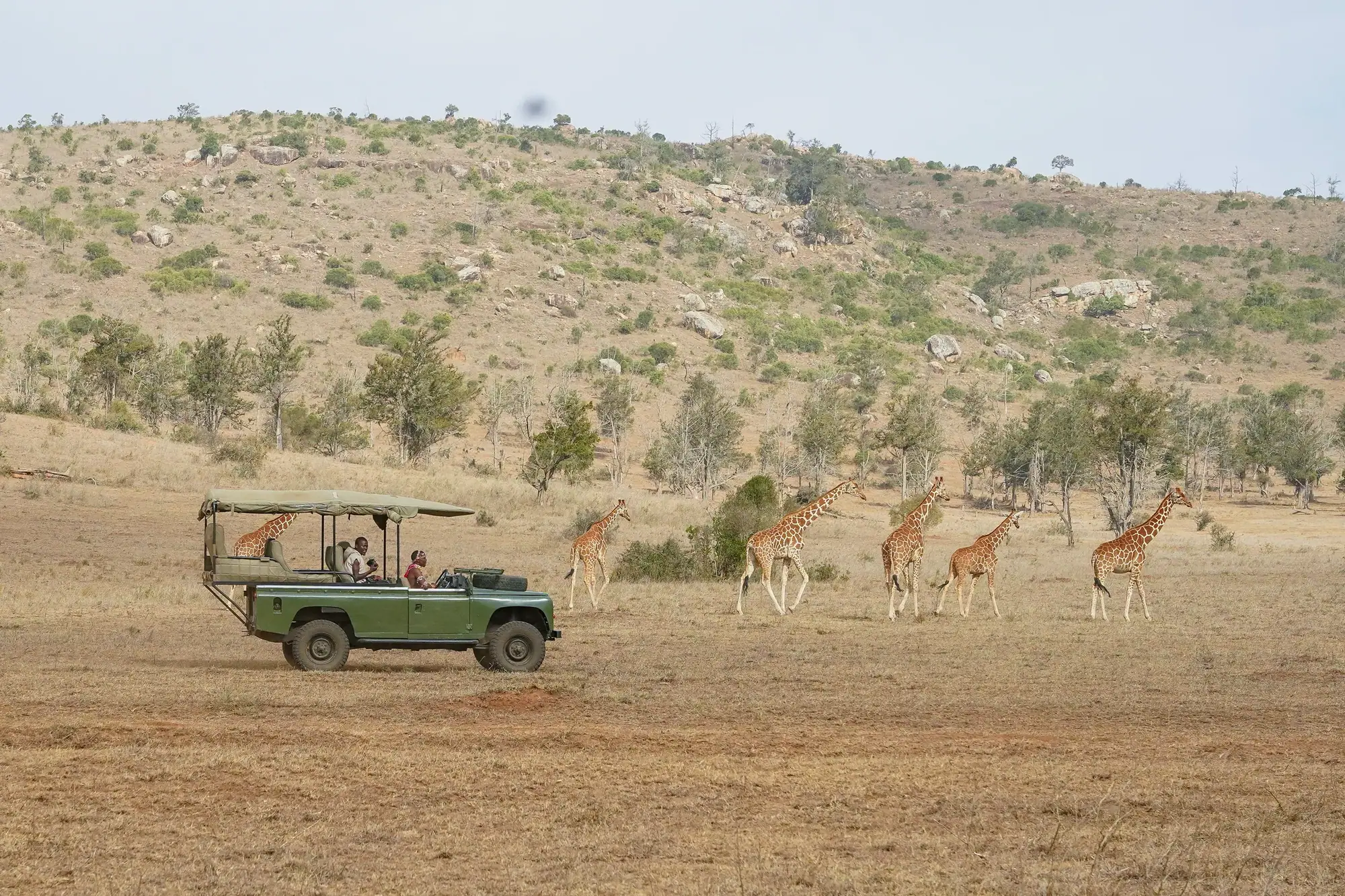
A shared safari, often called a group-join, is a scheduled departure on fixed dates with a fixed route. You share a vehicle, usually a seven-seat Land Cruiser or a minivan with a pop-up roof, with travelers you meet on day one. Published ranges put these from about $150 to $300 per person per day. A private safari puts your group alone in a vehicle with your own guide, on your dates and your route, from about $300 to $600 per person per day at the mid-range level. Land Cruisers handle the rough tracks and wet season better than minivans; ask which one a quote includes.
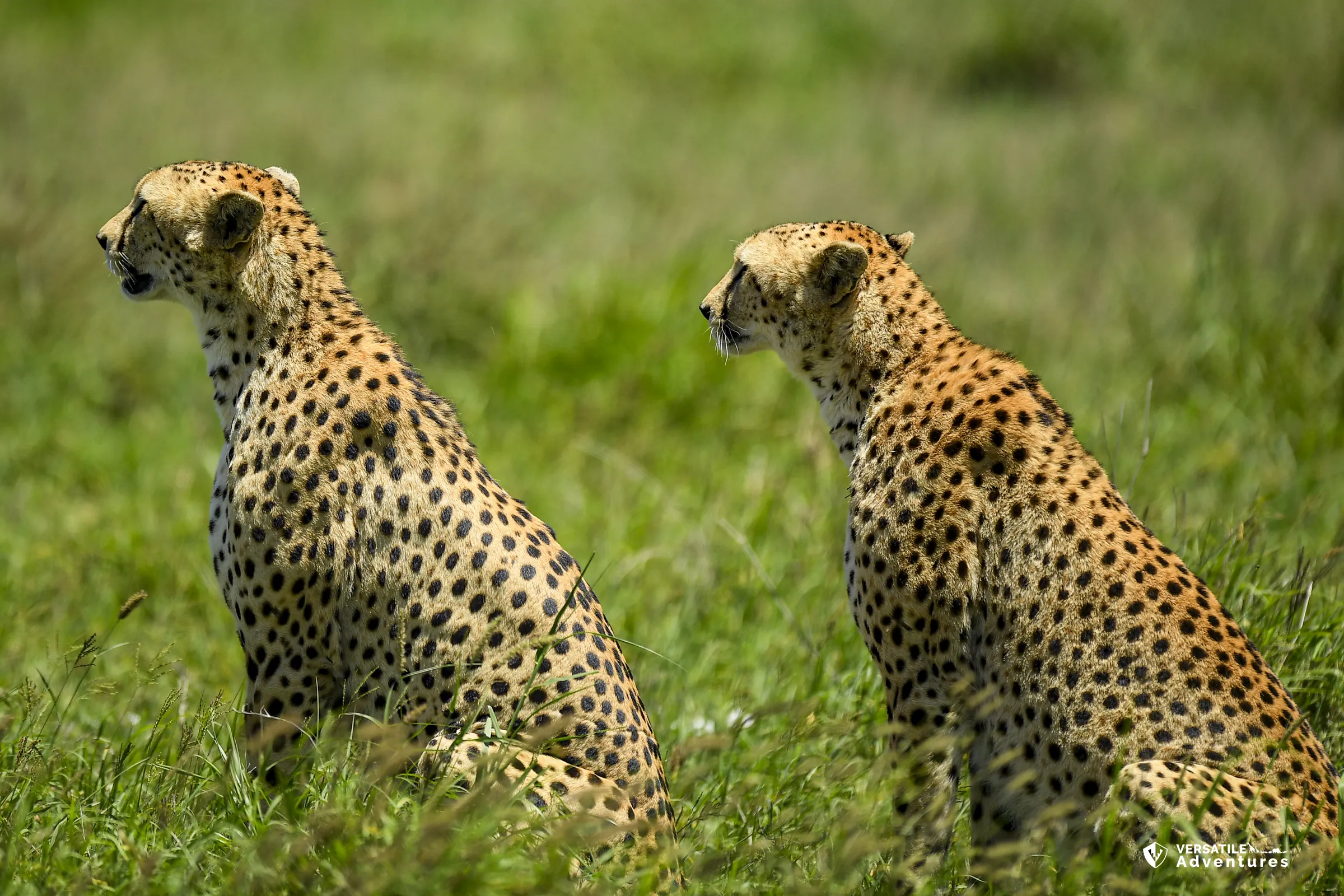
Side by side
| Shared safari | Private safari | |
|---|---|---|
| Cost per day | From about $150 to $300 per person | From about $300 to $600 per person, mid-range |
| Vehicle | Seven-seat Land Cruiser or minivan, often full | Your own Land Cruiser or van |
| Dates and route | Fixed departures and set itinerary | Yours to choose |
| Start time | Set for the group | Dawn for the cats, or after breakfast |
| At a sighting | The guide balances everyone's wishes | As long as you like |
| Bathroom stops and meals | On a schedule | When you need them |
| Photography | Sometimes a middle seat; others move and shake the vehicle | A window each; the guide positions you for the light |
| Children | Hard: naps, patience, noise | Easy: the day runs at your family's pace |
| Company | Other travelers, often good fun | Your own group |
| Best for | Solo travelers, tight budgets, sociable couples | Families, photographers, honeymooners, anyone with clear goals |
The math that explains the price gap
A safari vehicle and a professional guide cost roughly $250 to $400 a day. On a private trip, your group carries all of it; on a shared trip, it is split across everyone in the seats. That is why private looks expensive for two and cheap for six.
| Group | Vehicle and guide per person per day | Premium over a shared trip |
|---|---|---|
| Solo traveler | $250 to $400 | Most of the vehicle cost; shared usually wins on price |
| Couple | $125 to $200 | About $100 to $150 each per day |
| Family of four | About $60 to $100 | Close to nothing |
| Group of six | About $40 to $70 | Usually none |
For a couple on a seven-day trip, $100 to $150 each per day adds up to about $700 to $1,050 per person, or $1,400 to $2,100 for the two of you. That is the gap you see between two quotes that otherwise look the same. For a family of four, the same private vehicle costs little more than four seats on a group departure.
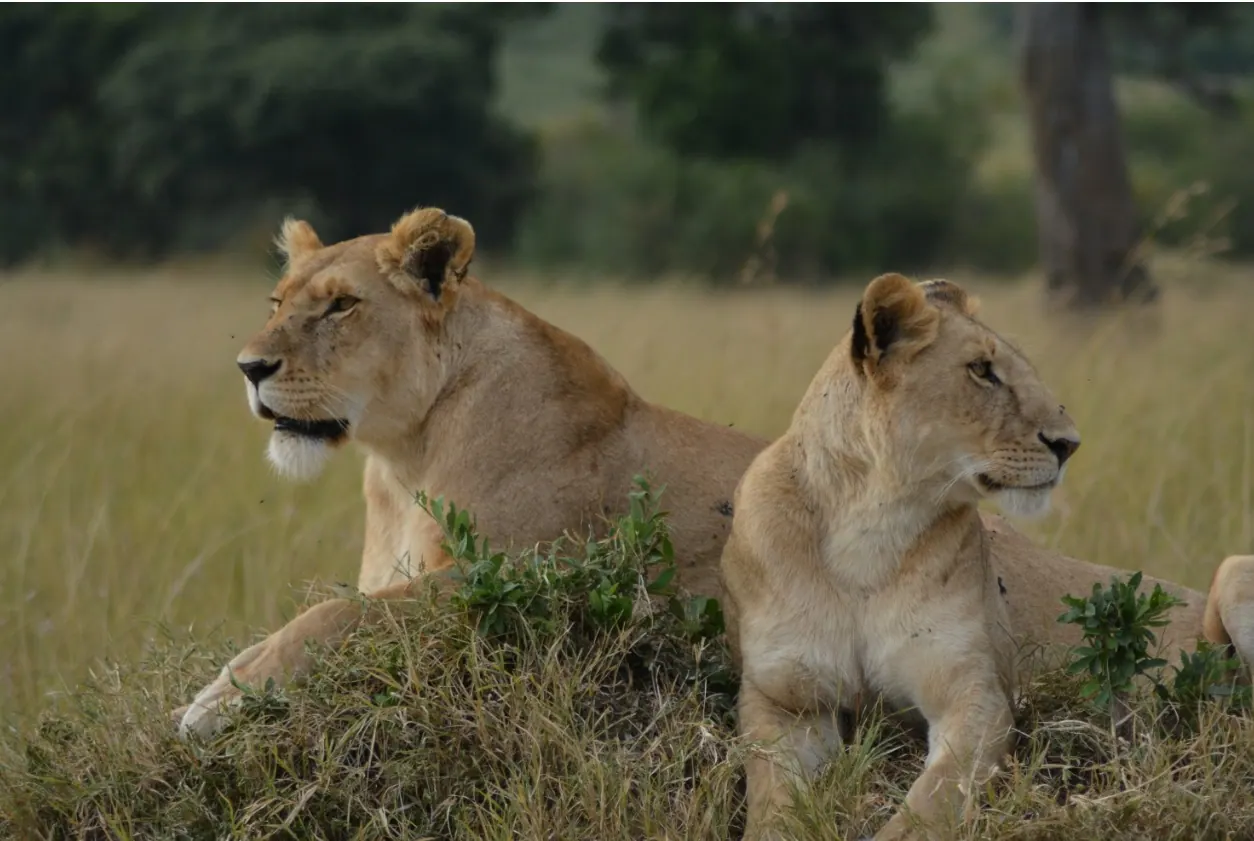
What private changes on the ground
Private is about time. You can leave camp at first light, when cats are most active, instead of waiting for the slowest member of a group. You can sit with a leopard for an hour waiting for it to come down from the tree, or leave a sighting the moment you have had enough. You can take a full-day drive with a picnic lunch to the far side of the reserve, stop for a bathroom break when you need one, and let a child nap. Photographers can ask the guide to turn the vehicle for the light, or wait for the animal to move into the clear.
What sharing gives you
Sharing is cheaper, and that alone makes it right for many people. It is also more sociable: solo travelers in particular often love the company, the shared jokes and the dinners. More eyes in the vehicle can mean better spotting. The trade-off is compromise. Someone always wants to leave a sighting before you do, or stay after you are ready to go, and the route is set before you arrive.
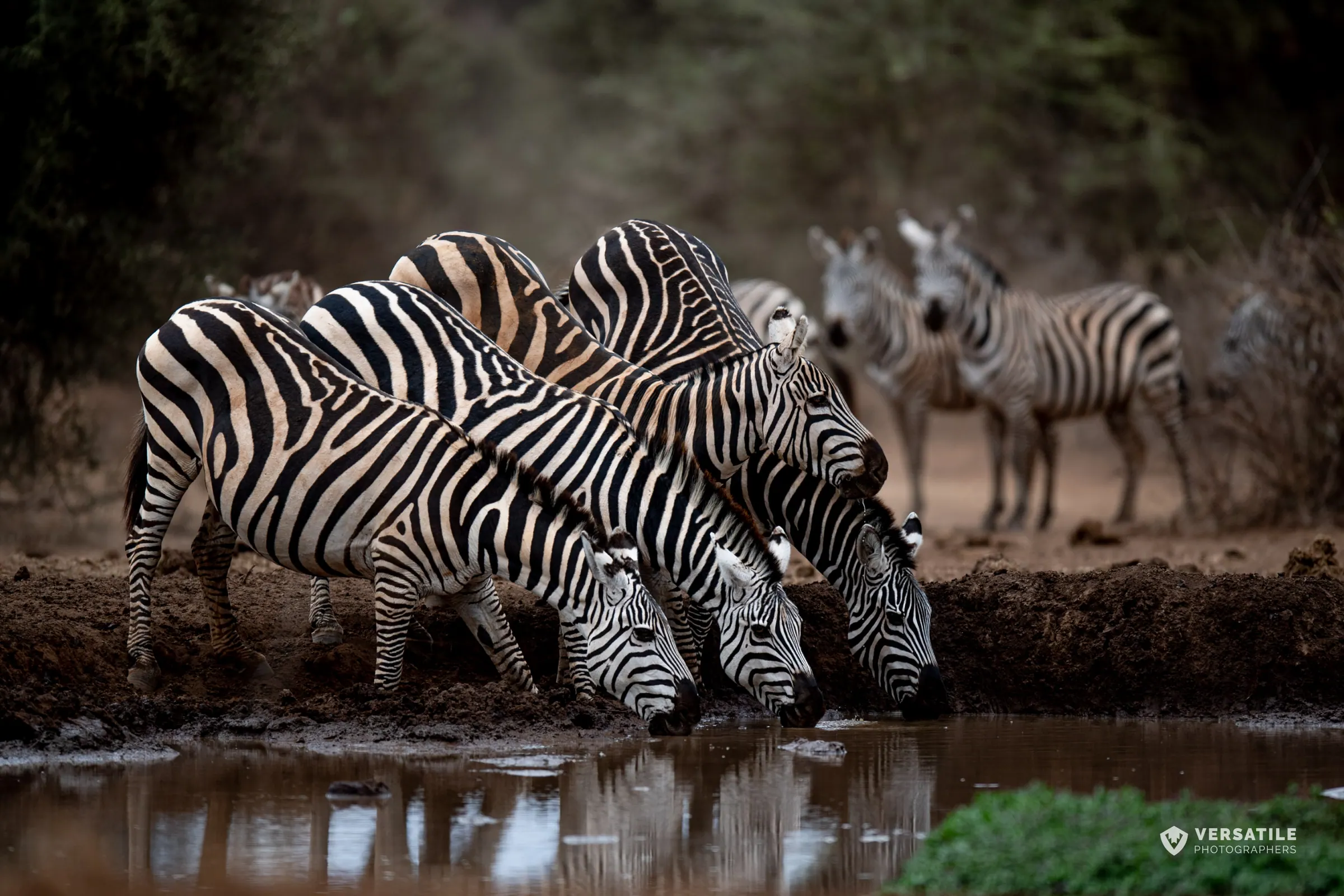
The lodge-vehicle wrinkle
There is a catch most quotes do not explain. At fly-in camps, game drives are in the camp's own vehicle with the camp's guide, and you usually share it with other guests, even on a trip sold as private. If you want a vehicle to yourselves there, most camps charge a private-vehicle supplement of about $300 to $500 a day. Conservancy camps cap their vehicles at six guests, so sharing there feels very different from a full minivan in the reserve. On a drive-in safari, by contrast, your own vehicle and guide stay with you all week. Our guide to fly-in versus road safaris covers that trade-off in full.
Window seats and vehicle size
A seven-seat safari vehicle has three rows. With four people in it, everyone has a window. With six or seven, someone sits in the middle, and with long lenses it gets crowded. For groups of six or more who all care about photography, two vehicles are worth pricing. On a shared departure, ask how many seats the company actually sells per vehicle.
Tipping also works differently: on a shared trip you tip the guide per person per day, and on a private trip, per vehicle per day. Our tipping guide has the amounts.
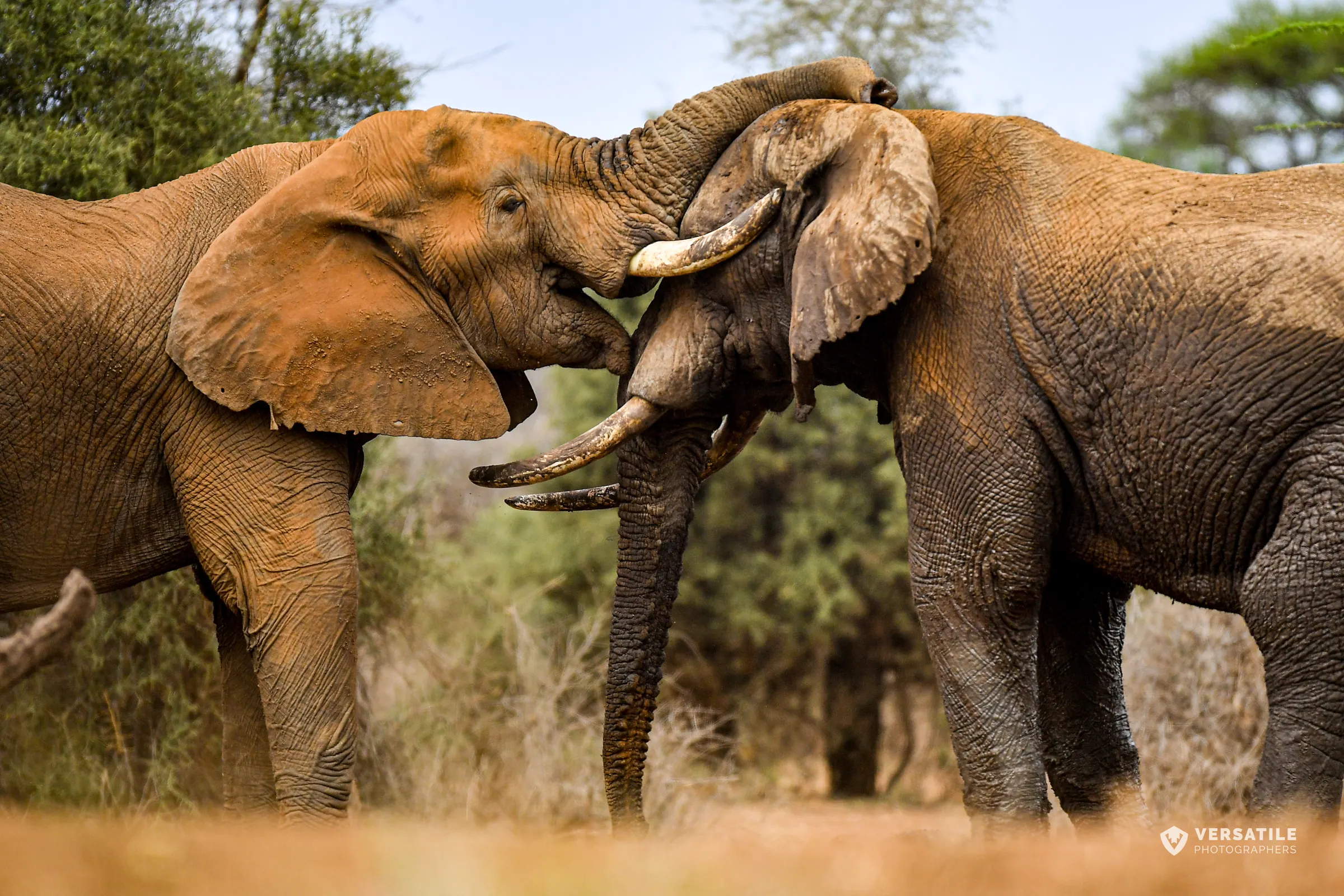
Our recommendation, by traveler
- Solo, on a budget: a shared safari, or a seat on one of our dated group departures
- A couple on a first safari: private if photography or pace matter to you; shared is fine for a short Mara taste
- Families with children under twelve: private, always
- Families or friends of four to six: private, because the cost difference is close to nothing
- Serious photographers: private, plus a private-vehicle supplement at any fly-in camp
- Schools, churches and large groups: dedicated vehicles for the group, planned as a group trip