Travel essentials. Updated November 2026. 4 min read.
Kenya drives on the left, overtakes on blind corners and puts speed bumps where you least expect them. You can absolutely drive here. Plenty of visitors who try it once hire a driver the second time.
The direct answer: yes, U.S. visitors can drive in Kenya. Carry your U.S. licence and an International Driving Permit, drive on the left, expect police checkpoints and rough final stretches to the parks, and never drive after dark. For a safari, a driver-guide is usually the better deal: they know the roads and the animals, and the extra cost is smaller than most people expect.
Should you self-drive? A plain decision
| Self-drive suits you if | Hire a driver if |
|---|---|
| You have driven on the left before | This would be your first time on the left |
| You are sticking to main roads: Nairobi to Naivasha, Nakuru or Nanyuki | Your route includes the Mara, Samburu or long days in the parks |
| You have Kenyan family or friends a phone call away | You have flights to catch and a tight schedule |
| You want freedom on a long, independent trip | You want to watch the animals, not the road |
Licences and the rules of the road
- Carry your U.S. licence. An International Driving Permit, issued in the U.S. by AAA, is cheap insurance, and some hire companies require one. Foreign licences are widely said to be valid for 90 days in Kenya; confirm the current rule with the National Transport and Safety Authority (NTSA).
- Drive on the left and overtake on the right.
- Speed limits are commonly 50 km/h in towns, 100 km/h on open roads and 110 km/h on some highways.
- Seat belts are compulsory, front and back.
- No phone in your hand while driving. Police enforce it.
- Speed bumps appear near every town, school and market, often unmarked. Slow down when you see people by the road.
Police checkpoints
Main roads have regular police checkpoints. Officers check your licence and the insurance sticker on the windscreen, and sometimes breathalyse. Slow down, stop where you are waved in, be polite and keep your documents ready. If you are told you have committed an offence, ask for the details and an official receipt for any fine. Never hand cash to an officer at the roadside. Fines are paid through official channels.
Hiring a car: what it costs
| Vehicle | Typical daily rate | Good for |
|---|---|---|
| Saloon car | About $35 to $60 | Nairobi, main highways, Naivasha and Nakuru |
| 4x4 (Land Cruiser or Prado) | About $100 to $180 | The parks, the Mara road and the rainy seasons |
| Adding a driver | About $30 to $50 a day extra | Any route, and every first trip |
Before you sign, get these in writing: the insurance excess, tyre and windscreen cover, whether the car may enter national parks, and whether it may cross into Tanzania or Uganda. The minimum rental age is often 23. Check the spare tyre and the jack before you leave the yard, and ask whether a driver's accommodation is included on overnight trips.
The roads, route by route
- Nairobi to Mombasa: a good highway, but busy with trucks. Overtake with great care and avoid driving it at night.
- Nairobi to Naivasha and Nakuru: a good, busy highway with views over the Rift Valley.
- Nairobi to Nanyuki and Mount Kenya: a good road through farmland and small towns.
- Nairobi to the Maasai Mara: tarmac to Narok, then the last stretch of about 80 km can be rough. A 4x4 is recommended.
- Inside the parks: rain turns tracks to mud quickly. Ask at the gate about conditions before you set off.
The real danger is night driving: unlit trucks, broken-down vehicles with no warning, pedestrians, animals and roads with no shoulder. Plan every drive to finish before dark, which on the equator means around 6:30 to 7pm all year.
Driving in the parks
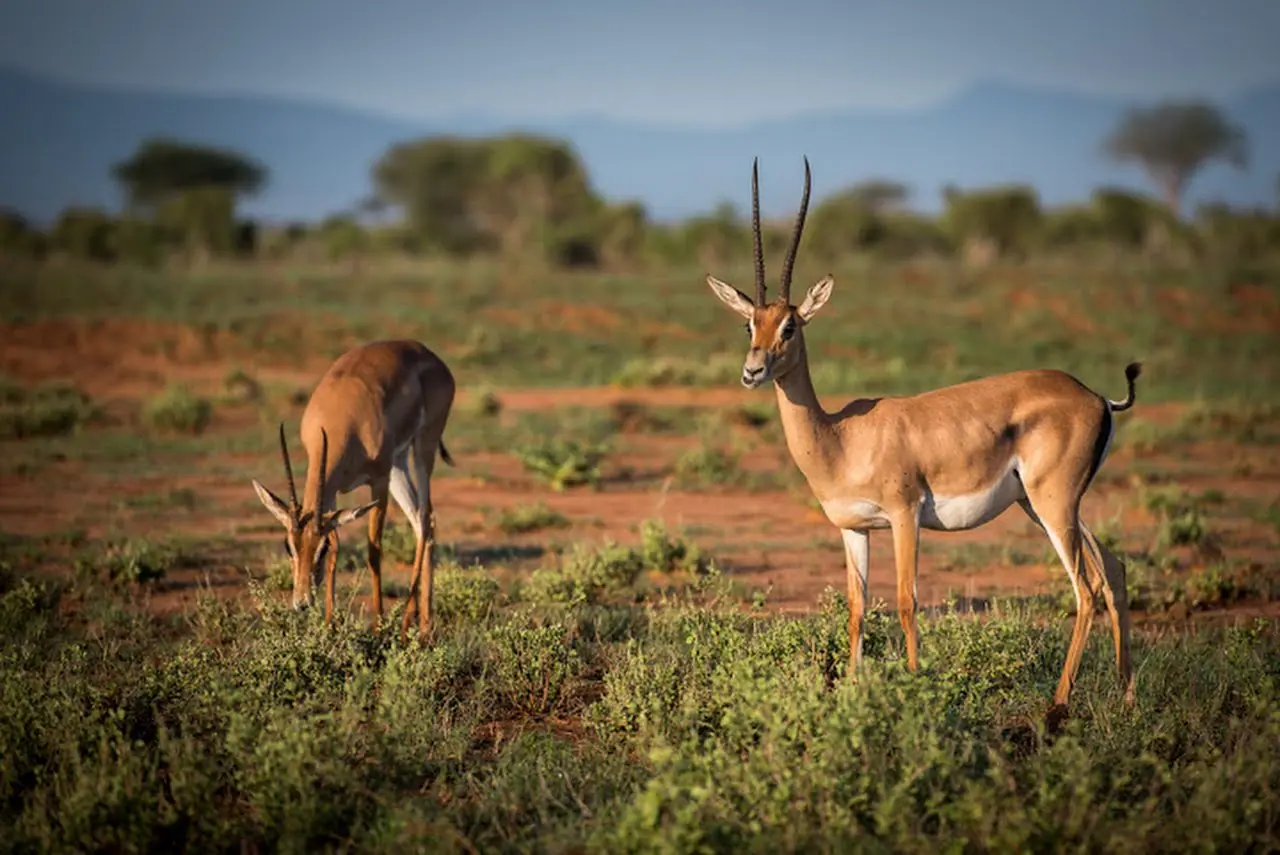
Self-drive is allowed in KWS parks and in the Maasai Mara with a park ticket and a vehicle fee, which runs from about KSh 400 to KSh 5,000 a day depending on vehicle size; our park fees page has the details. Off-road driving is prohibited inside parks and reserves, so stay on the tracks. Many lodges can arrange a guide to ride with you, which is the best money you will spend on a self-drive safari: you will see far more and get lost far less.
Fuel
Petrol and diesel cost about KSh 170 to 190 a litre at the time of writing; pump prices are capped monthly by the Energy and Petroleum Regulatory Authority. Fill up in towns, as stations thin out near the parks. Most stations take M-Pesa and cards, and attendants fill the tank for you.
For Kenyans driving home
If you grew up here and are taking the family car upcountry, you know most of this already. A few things you may have forgotten: matatus treat a single-lane road as three lanes, flashing headlights from an oncoming car usually mean I am coming through, not after you, and when police suddenly close the road with sirens, it is a VIP or presidential convoy. Pull over and wait; it passes quickly. Bring your Kenyan licence if it is still valid.
The case for a driver
A driver costs from about $30 to $50 a day on top of the vehicle, and earns it. A good driver-guide knows which roads flood, how to talk to a ranger at the gate, and where the leopard was seen this morning. You get to look out of the window. On our safaris, a private guide and vehicle are part of the price.