The coast. Updated November 2026. 5 min read.
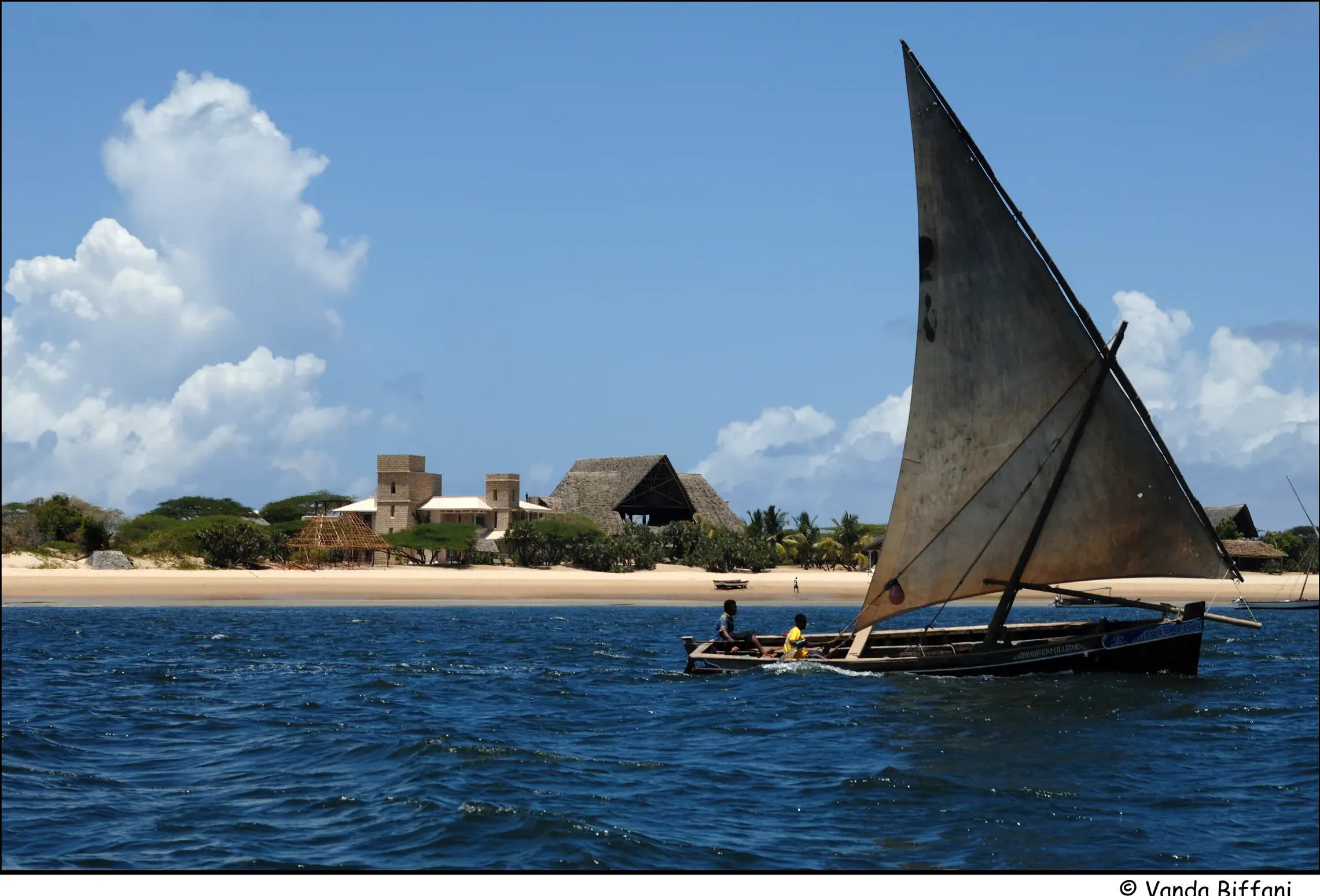
Kilifi is where the north coast slows down. A wide, deep blue creek runs inland from the ocean under a long bridge, dhows and yachts swing at anchor below the baobabs, and the town on its northern bank is home to fishermen, sailors, scientists, artists and a steady trickle of travelers who planned to stay a night.
Kilifi sits about an hour north of Mombasa, between the city's resort strip and Watamu, and it is the coast's quiet alternative to both. There is no big hotel strip. Instead there are eco lodges and backpacker camps on the creek, villas and small hotels along Bofa beach, a Swahili ruin in the forest and some of the best sailing and paddling water in Kenya. Give it two to four nights, on its own or as the middle stop of a coast week. Our Kilifi County page has the county overview; this is the visitor's guide to the town and creek.
Why Kilifi
- The creek: sheltered, deep water for sailing, kayaking, stand-up paddling and swimming off a jetty, with sunsets behind the bridge
- Space: long beaches and small places to stay, without the crowds of the bigger resorts
- History: Swahili ruins, Mijikenda sacred forests and a town that has traded on this creek for centuries
- The people: a mix of Swahili and Giriama families, researchers, boat builders and young Kenyans and visitors who come for the music and the slow pace
Things to do
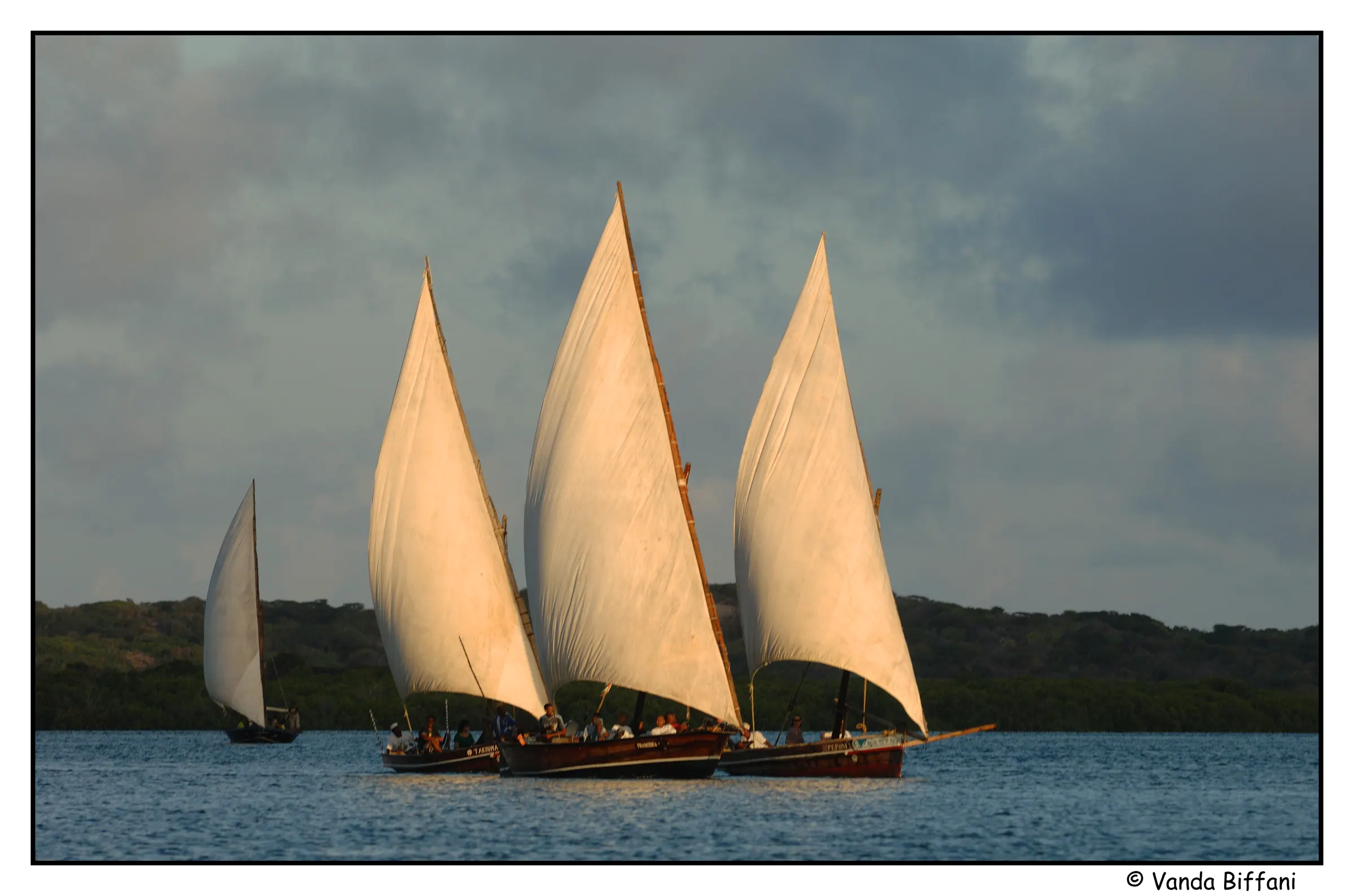
- Sail the creek: dhow trips and sailing lessons from the creek's boatyards and clubs, best in the afternoon breeze, with a stop on a sandbank
- Paddle at dawn or dusk: kayaks and paddleboards are easy to hire, and the water upstream is calm, green and full of birds
- Mnarani ruins: the remains of a Swahili town on the south bank of the creek, with mosques and tombs among huge baobabs, run by National Museums of Kenya; a quiet hour with a view over the water
- Bofa beach: a long beach north of town with reef pools at low tide; check the tide table, because the sea goes far out
- Takaungu: a small Swahili creek village south of Kilifi, a refuge of the Mazrui family in the 1800s, for a slow afternoon
- Jumba la Mtwana: the ruins of a 14th-century Swahili town by the sea at Mtwapa, an easy stop on the drive from Mombasa
- The kaya forests: the sacred forests of the Mijikenda peoples, a UNESCO World Heritage Site; some can be visited with elders' permission and a local guide
- Fishing: Kilifi is one of the coast's sport-fishing ports, with charters heading out for sailfish and other billfish in season
The creative scene
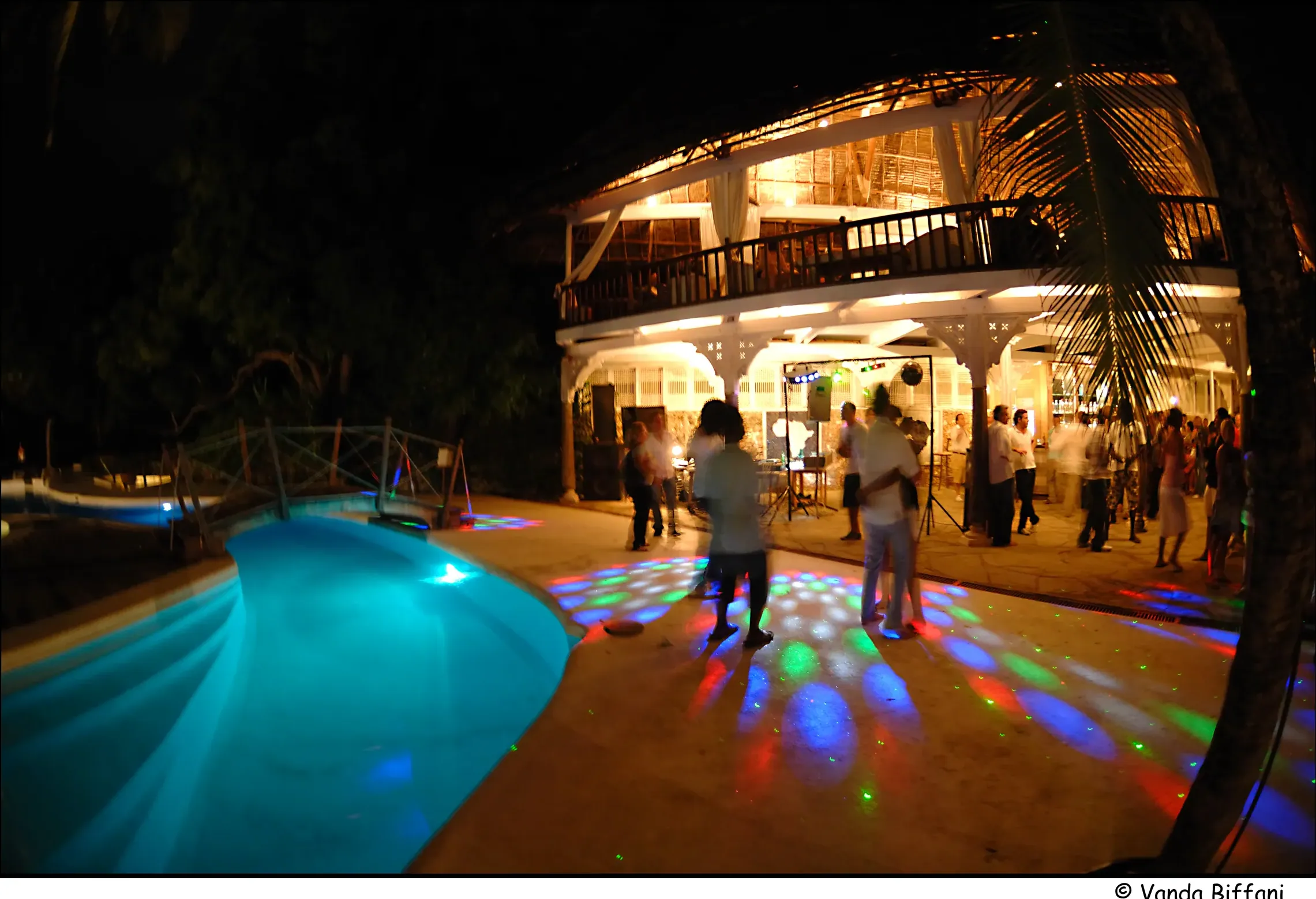
Kilifi has a reputation as the coast's most creative small town. Musicians, artists and designers have settled here, and the creek-side eco lodges host music nights, workshops and markets. The best-known event is Beneath the Baobabs, a music and arts festival over New Year at Distant Relatives, an eco lodge and backpackers on the creek; dates and line-ups change each year, so check before you plan around it, and book early, because the town fills up. Each year, usually in August, the Giriama community holds a cultural festival in honour of Mekatilili wa Menza, the woman who led resistance to British rule on this coast in 1913 and 1914.
Kilifi is also a serious science town. The KEMRI-Wellcome Trust research programme, one of Africa's leading medical research centers, has worked here for decades, and Pwani University is just outside town, which is part of why the town feels young.
Where to stay and eat
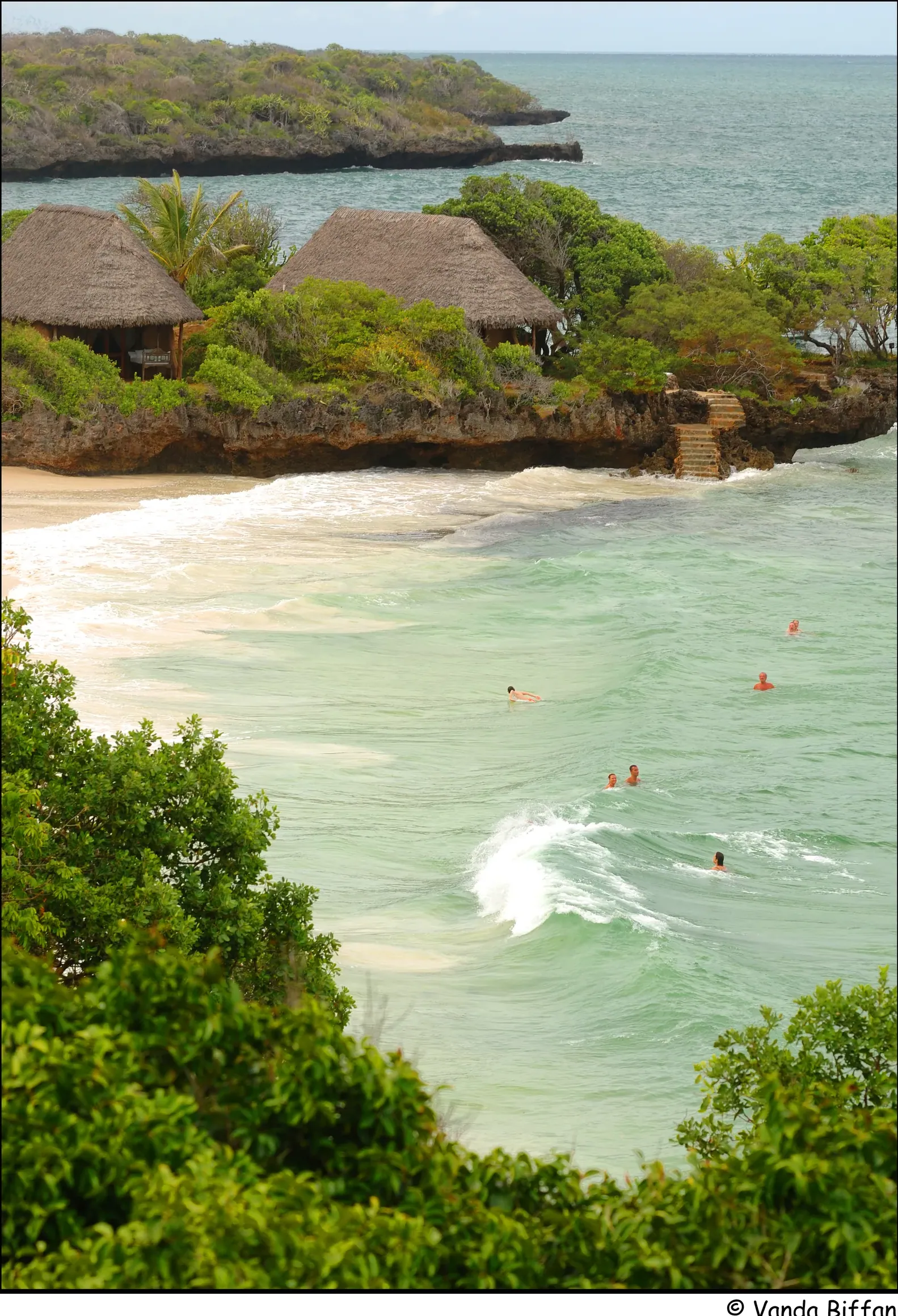
Choose by type. On the creek, eco lodges, backpacker camps and creek houses are for water, sunsets and a social, barefoot atmosphere; Distant Relatives is the best known. Along Bofa beach, villas and small hotels are for a quieter beach stay. Further south toward Vipingo and Kikambala, larger resorts and golf villas are 30 to 45 minutes away. Food is simple and good: Swahili cafes in town for pilau, biryani, chapati and chai, fresh fish and prawns at the creek restaurants, and mahamri, the coast's cardamom doughnuts, for breakfast.
Getting there
| From | How | Time |
|---|---|---|
| Mombasa | Road north via Mtwapa | About 1 to 1.5 hours, depending on traffic |
| Moi International Airport, Mombasa | Road north | About 1.5 hours |
| Malindi Airport | Road south | About 1 hour |
| Watamu | Road south | About 45 minutes to 1 hour |
| Nairobi | Madaraka Express to Mombasa, then road; or fly to Mombasa or Malindi | About 5 to 6 hours by train plus the drive |
| Diani | Road via Mombasa | About 2.5 to 3.5 hours |
When to go
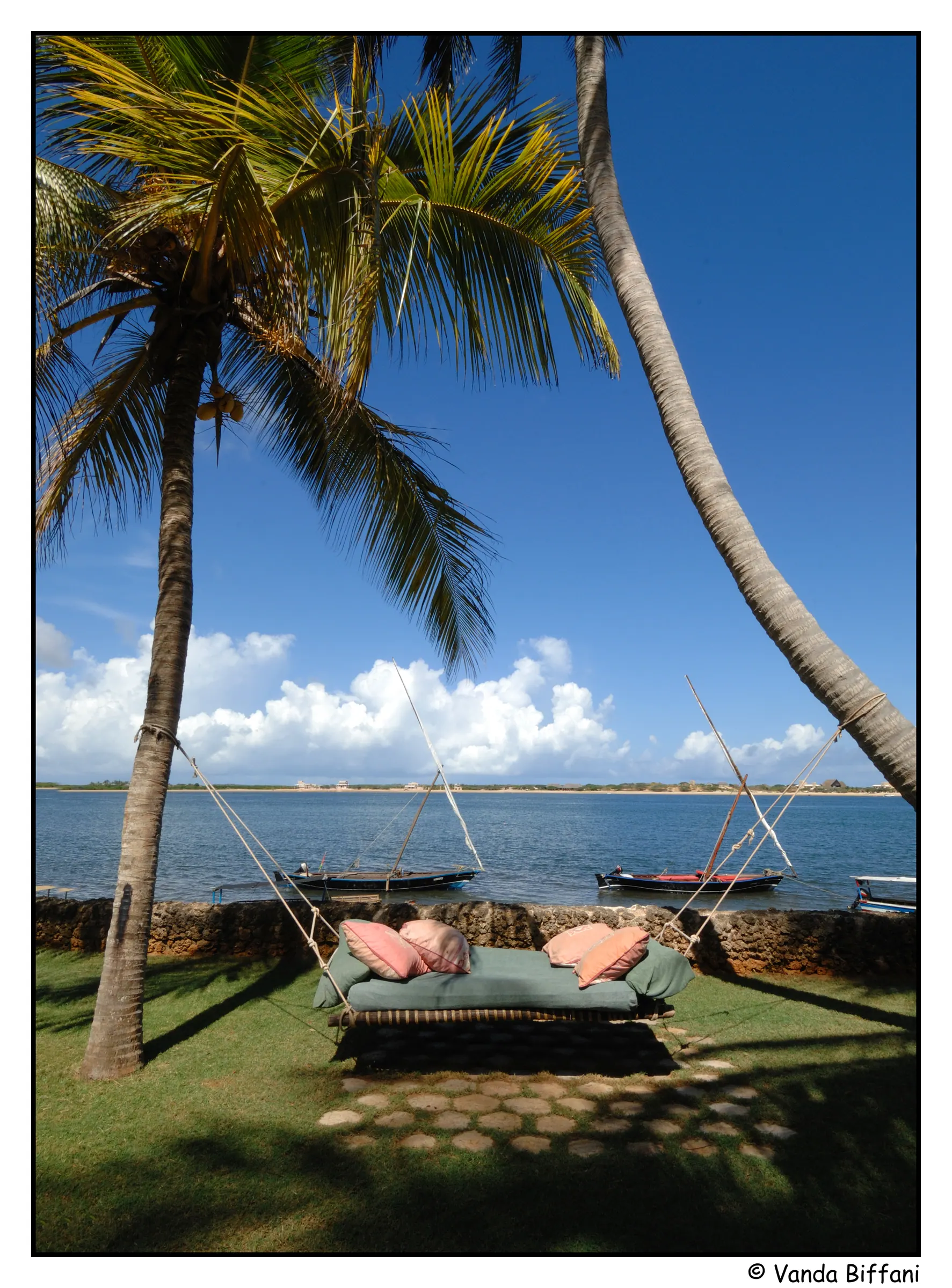
The same rhythm as the rest of the north coast: October to March is the best season, with calmer seas and the northeast kaskazi wind for afternoon sailing. The long rains usually fall from April to June, and from June to September the southeast kusi brings rougher seas and seaweed on some beaches, while the creek stays calm. New Year is the busiest week of the year.
How long to stay, and how it fits a trip
Two nights gives you the creek, the ruins and the beach; four turns it into a proper rest. Kilifi fits neatly into a coast week between Mombasa's Old Town and Watamu, or as a quieter base for day trips to Watamu's marine park and Gedi. After a safari, fly to Mombasa or Malindi and drive here; the train from Nairobi is a good budget option.
A short history
Swahili towns stood on Kilifi Creek for centuries before Europeans arrived, and Mnarani was one of them, trading along the coast until it declined in the 1600s. The hinterland belongs to the Mijikenda peoples, the Giriama above all, whose fortified villages in the sacred kaya forests date back several centuries. The modern town grew as a district center under British rule, and the bridge across the creek replaced the old ferry in the early 1990s, tying Kilifi to Mombasa and Malindi by road.
Why plan with us: Kenya Experience is Kenyan-led, with two U.S. companies behind it and Kenyan guides on the ground. You can pay in full or monthly with no deposit, and a specialist replies within two business days.