Homeland
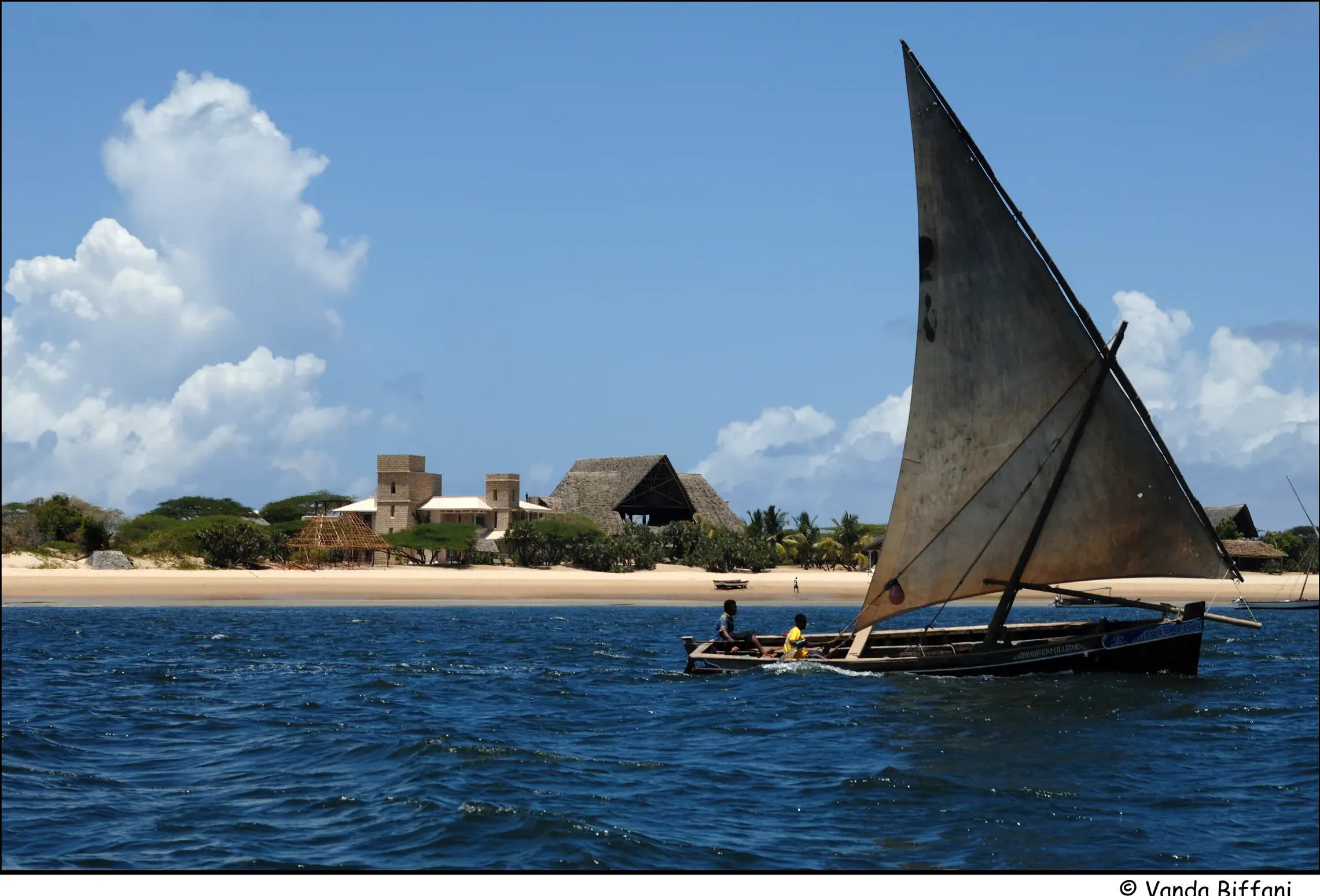
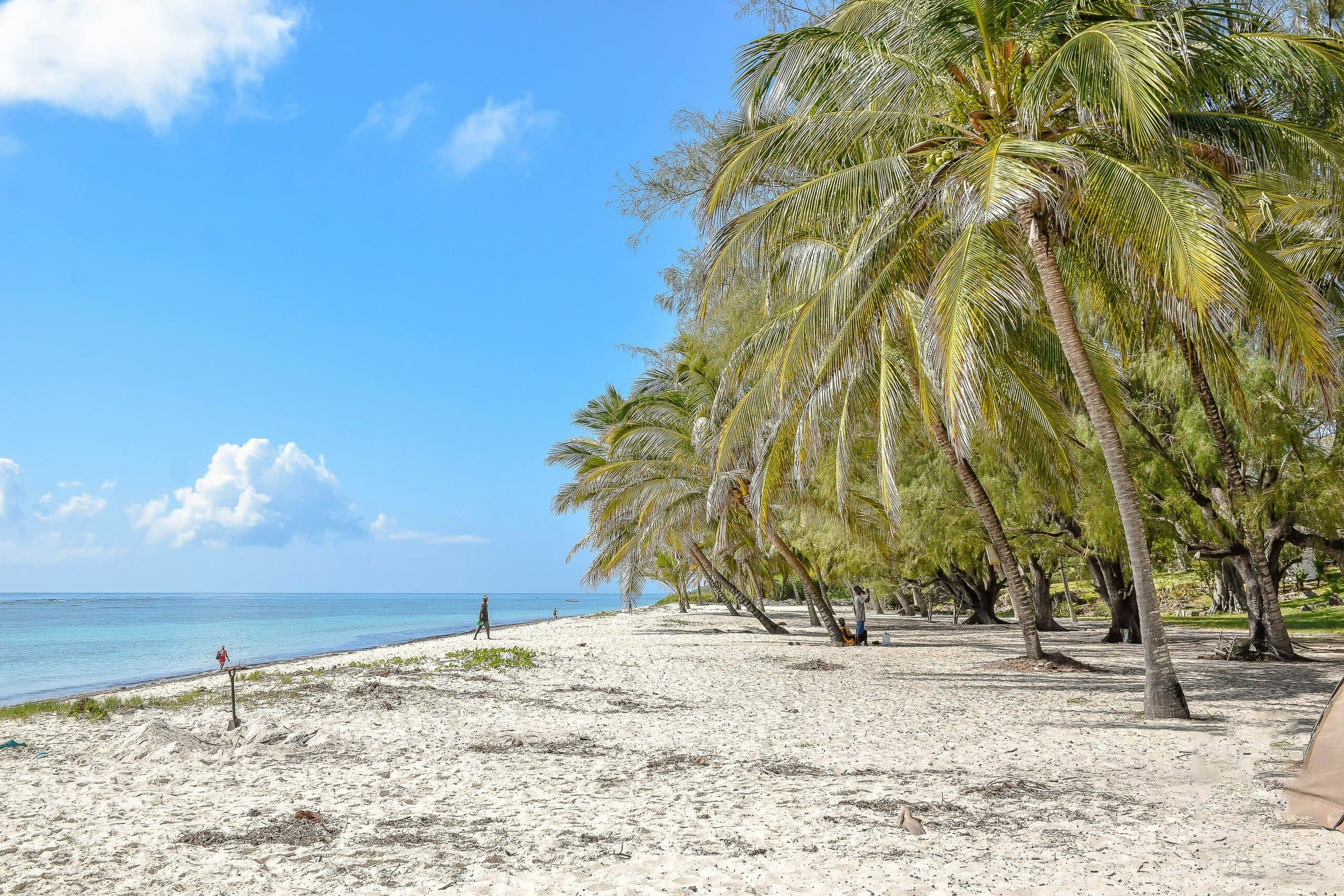
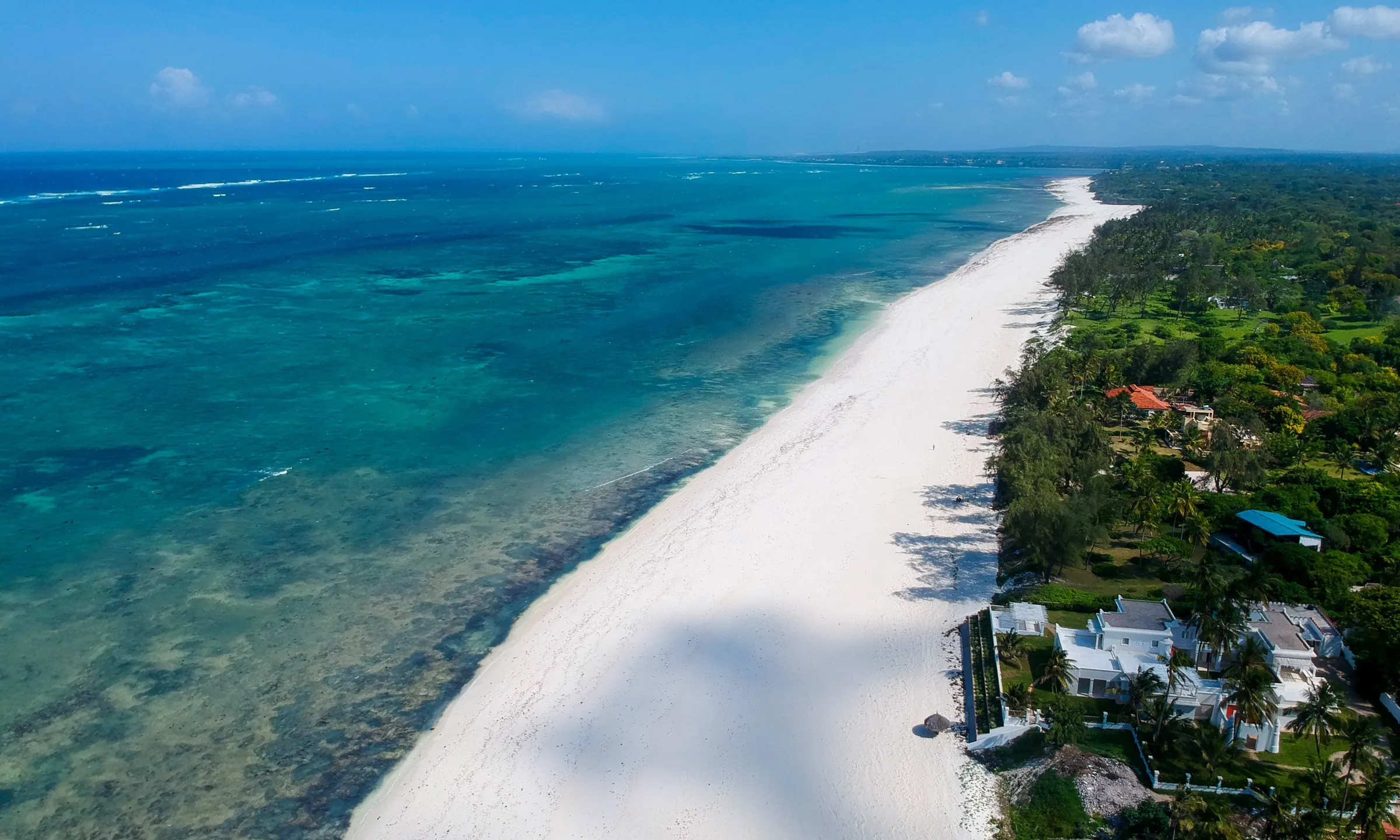
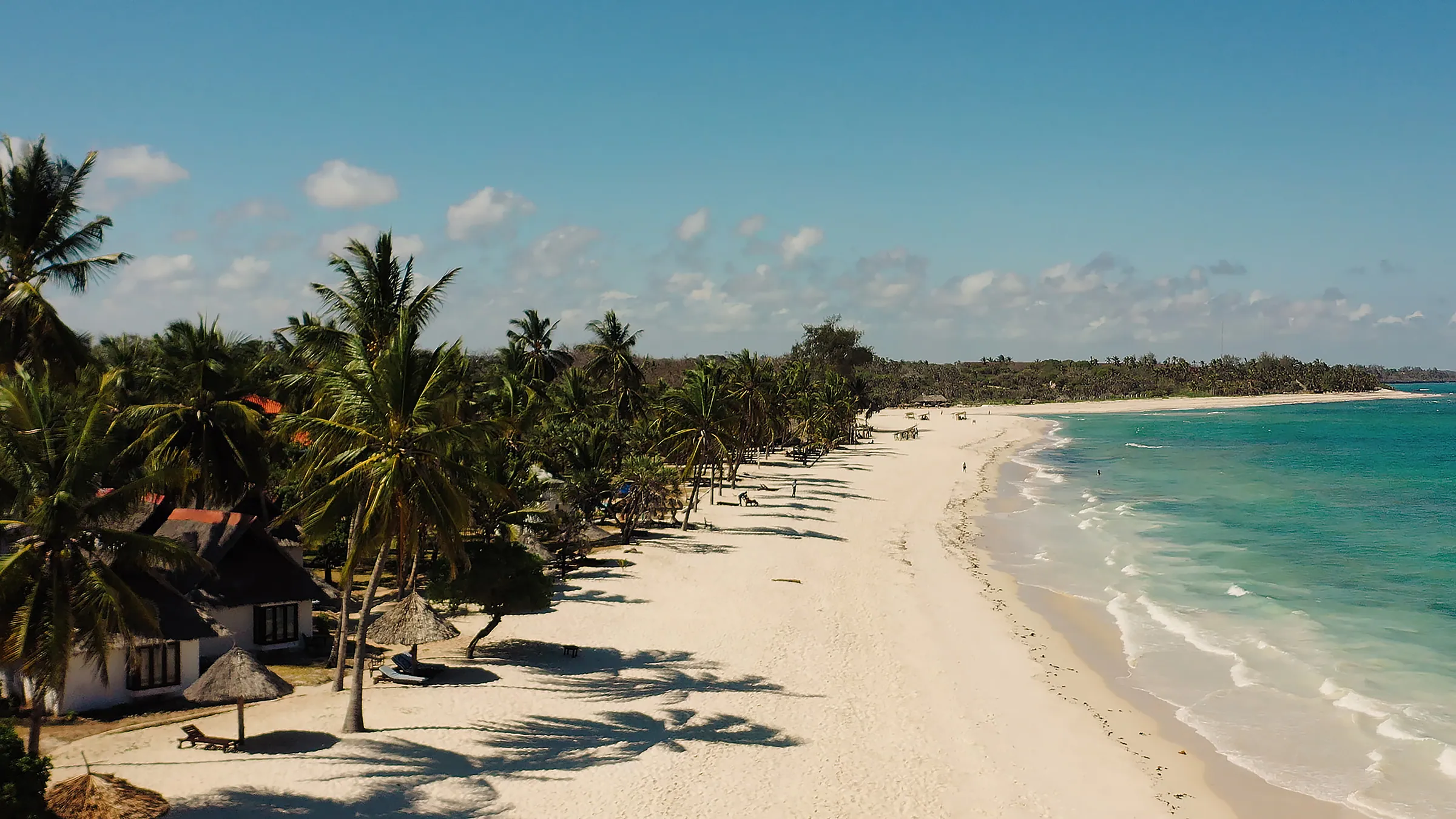
The Mijikenda live in Kilifi, Kwale and Mombasa counties, in the farming country behind the shore, from the Tanzanian border north past the Sabaki River. The 2019 census counted 2,488,691 Mijikenda, one of the larger communities in Kenya.
Nine peoples
Mijikenda means "nine homesteads": the Giriama, Digo, Duruma, Chonyi, Rabai, Kambe, Kauma, Ribe and Jibana. Each speaks its own dialect of a Coastal Bantu language. The Giriama are the largest (1,007,653 people), followed by the Duruma (555,135), the Digo (409,595) and the Chonyi (198,653). The shared name was coined or popularized in the 1930s and 1940s, as a federation of older, smaller peoples. An older outsider name, "Nyika" ("bush people"), is derogatory, and we do not use it.
Origins and the kaya
Like several coastal peoples, the Mijikenda hold a tradition of dispersal from Singwaya (Shungwaya), a homeland placed in what is now southern Somalia. Tradition says conflict with Oromo-speaking herders drove the ancestors south. Around the turn of the seventeenth century they built fortified hilltop villages, makaya, inside dense forest. The villages were later abandoned, but the forests remain sacred burial and prayer grounds guarded by elders. The Sacred Mijikenda Kaya Forests were inscribed as a UNESCO World Heritage Site in 2008.
Society
Traditionally, councils of senior elders, the kambi, governed each kaya, backed by age-sets and oaths.
Belief
God is Mulungu, and ancestral spirits (koma) are honored. Members of the Gohu society are commemorated with carved hardwood posts called vigango, and ordinary people with smaller koma posts. Vigango stolen for the art market have been the subject of repatriation campaigns.
Livelihood and food
Mijikenda farmers grow coconut, cashew, cassava and maize. Palm wine, mnazi, is central to ceremony among the groups that are not Muslim.
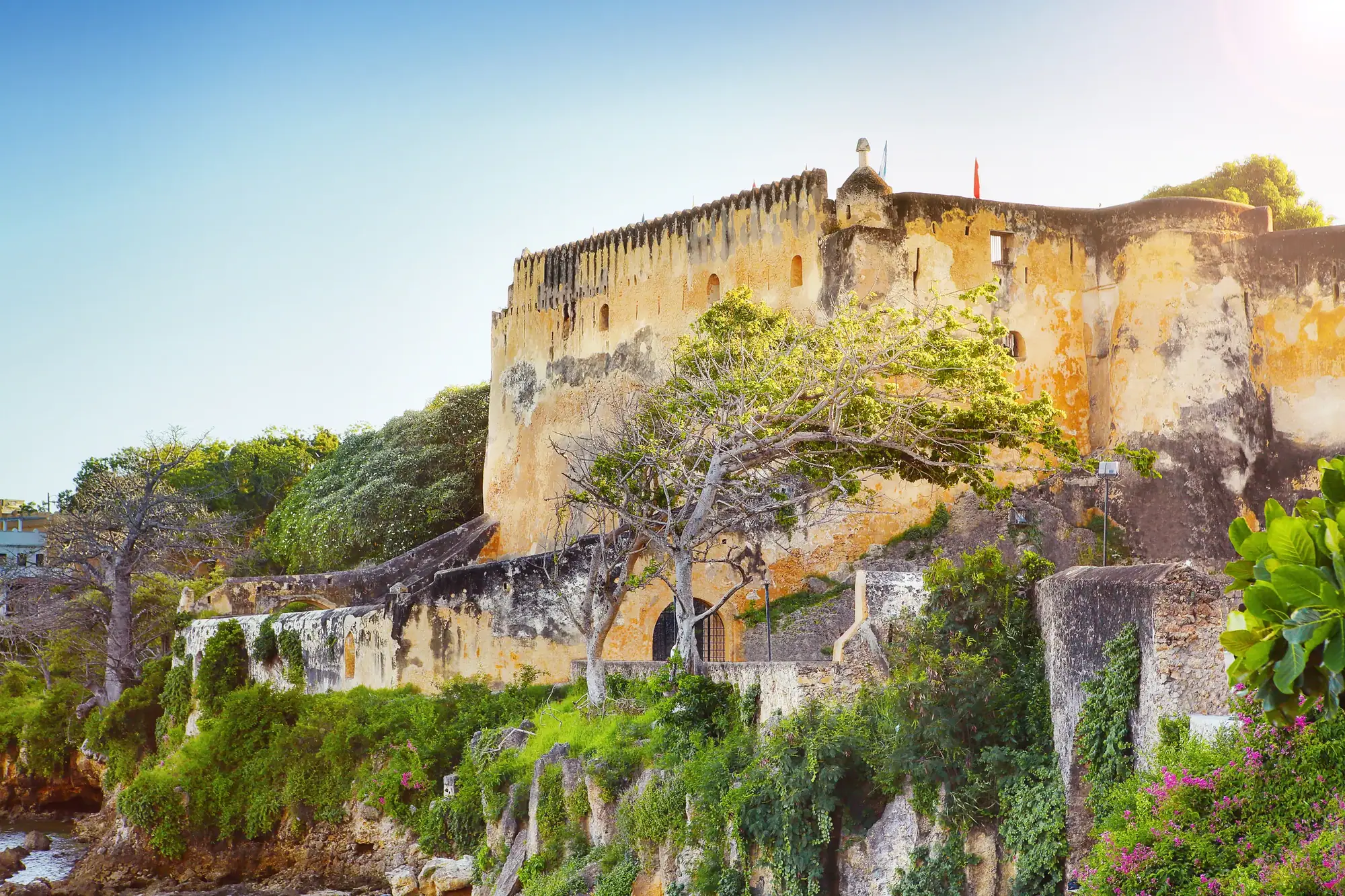
History
The first Christian mission in Kenya was founded among the Rabai in 1846. In 1913 and 1914 Mekatilili wa Menza led the Giriama rising against British labor and tax demands. Thomas Spear's The Kaya Complex (1978) is the standard history.
Today
Islam is the majority faith on the coastal strip, and the Digo are overwhelmingly Muslim. Like most Kenyans, Mijikenda today are Christian or Muslim, often live in towns, and speak Swahili and English alongside their own dialect. The kaya forests are still places of prayer, and practices described here as traditional vary by family and generation.
Experience it with respect
The Sacred Mijikenda Kaya Forests are a UNESCO World Heritage Site and remain burial and prayer grounds guarded by elders. We arrange kaya visits only where the community hosts them, with a local guide, the elders' consent and a paid fee, and we follow their rules on dress, photography and where you may walk.
Further reading
- The Kaya Complex, Thomas Spear (1978)
Sources
- Wikipedia: Kaya (Mijikenda)
- National Museums of Kenya on Google Arts & Culture: Giriama
- Wikipedia: Giriama people
- Malindians, citing KNBS
From The Peoples of Kenya: An Ethnographic Reference (Kenya Experience, November 2026), a synthesis of published sources. Practices described as traditional are historical baselines; today most Kenyans are Christian or Muslim, live in or near towns and speak Swahili and English. Spot something to correct? Write to kibetck@kenyaexperience.org.