Homeland
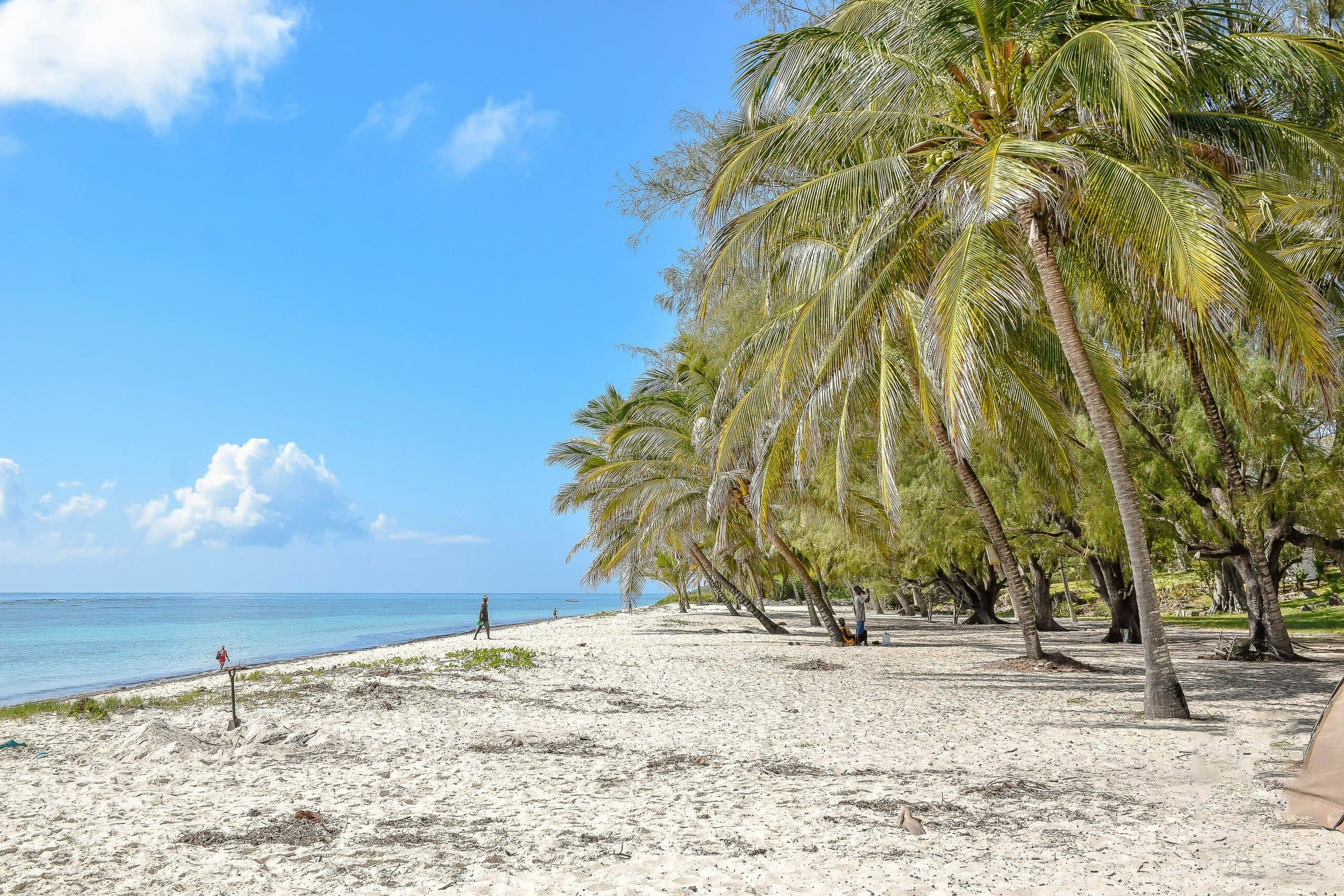
The Swahili are the people of the old stone towns and islands of the coast: Lamu, Pate, Mombasa, Malindi and Vanga. Theirs is Kenya's oldest urban culture. The 2019 census counted only 56,074 people as Swahili, down from 110,614 in 2009, probably because sub-groups such as the Bajuni now report separately.
Who they are
The Swahili are a Bantu-speaking Muslim urban people whose culture grew from more than a thousand years of Indian Ocean trade with Arabia, Persia and India. Identity is defined by language, Islam and town citizenship more than by descent. In Mombasa, the Swahili are traditionally organized as the Twelve Tribes, Thenashara Taifa.

Language
Kiswahili, Kenya's national language and the lingua franca of East Africa, originated here, as a Coastal Bantu language. The Lamu (Kiamu) and Mombasa (Kimvita) dialects carry the classical poetry.
Arts and culture
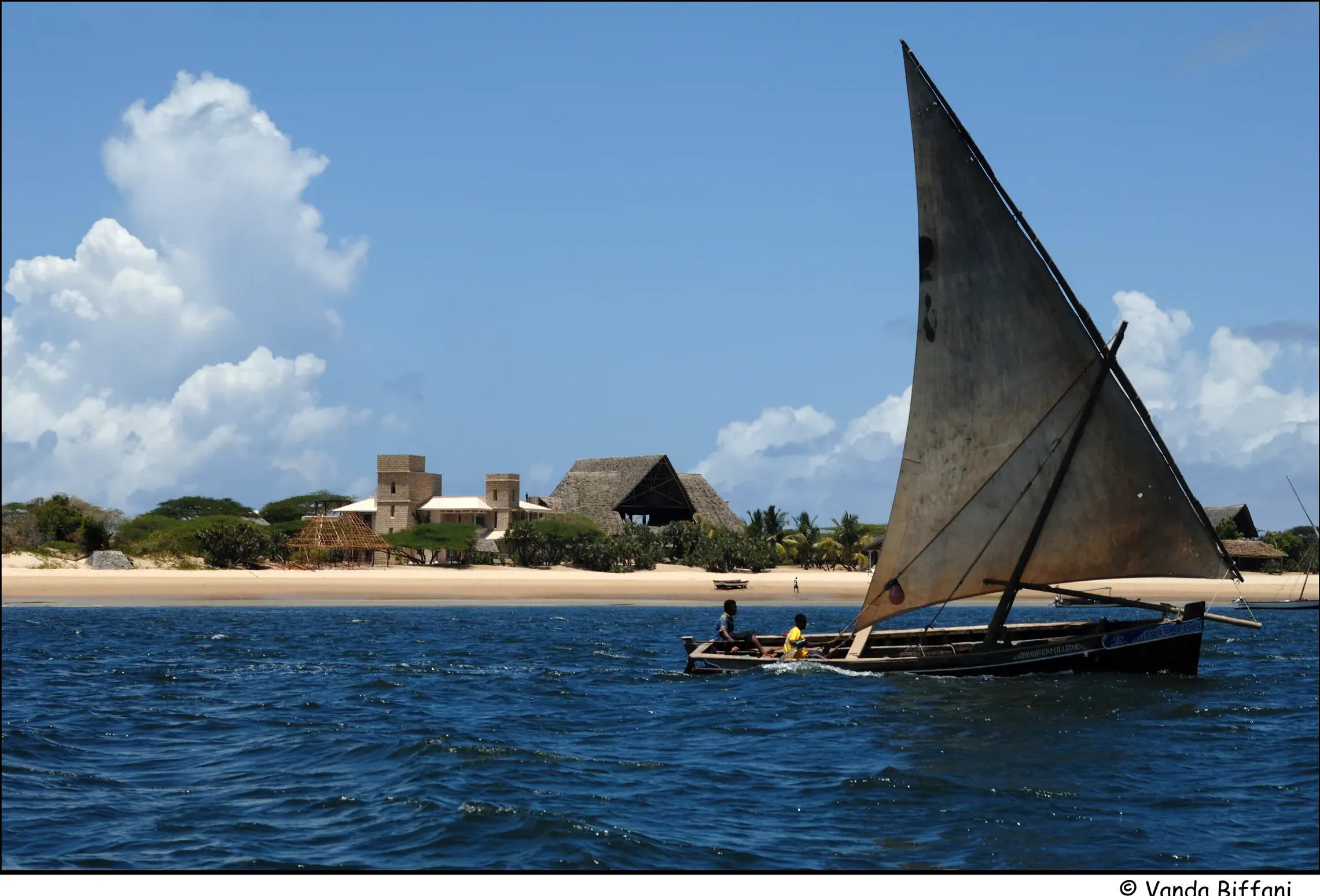
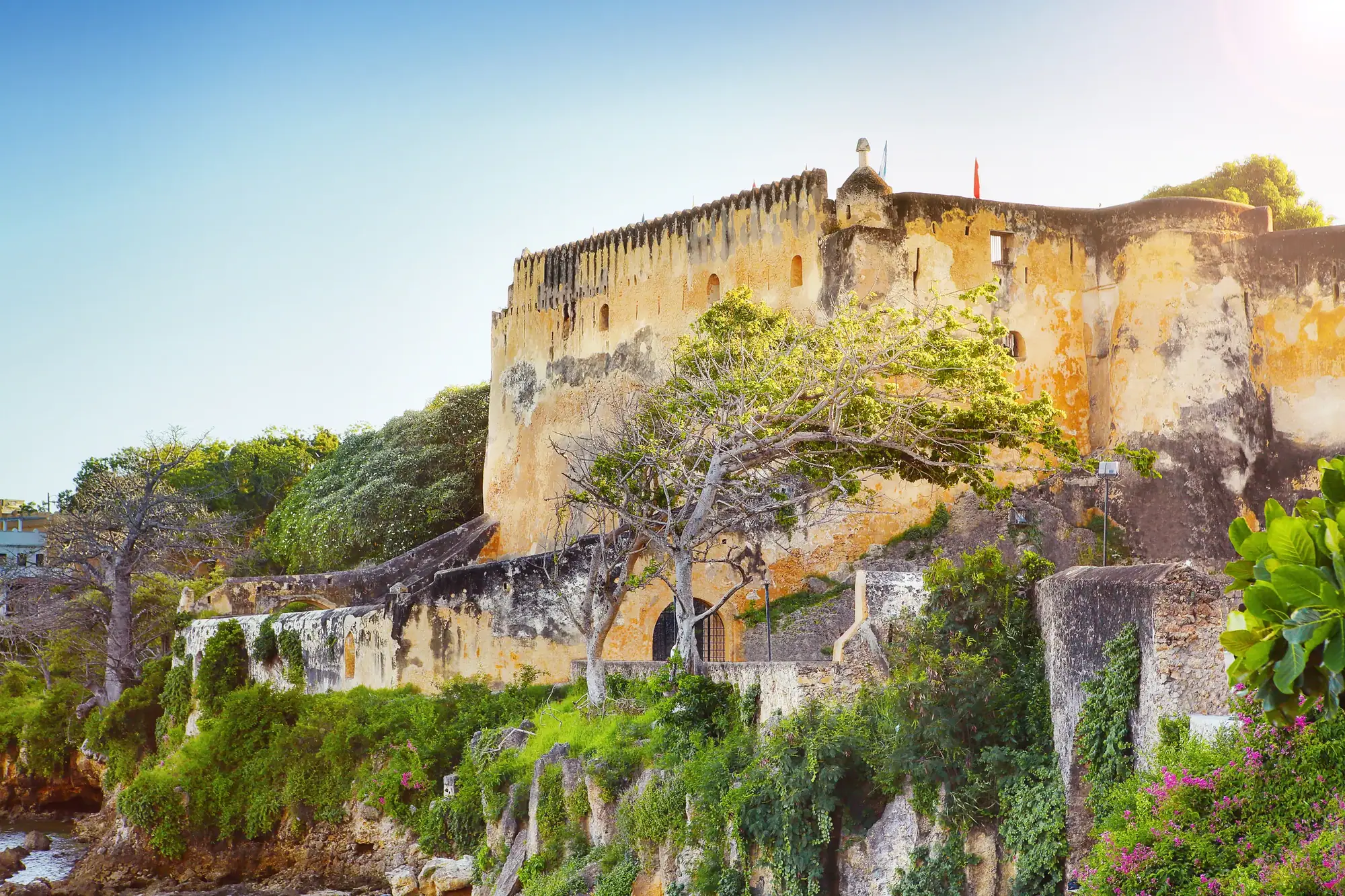
Swahili culture is known for coral-stone architecture, carved doors, dhow building, taarab music and epic verse (utenzi). Its cuisine is built on coconut, rice and spice: pilau, biryani and mahamri. Lamu Old Town and Fort Jesus in Mombasa are UNESCO World Heritage Sites.
Today
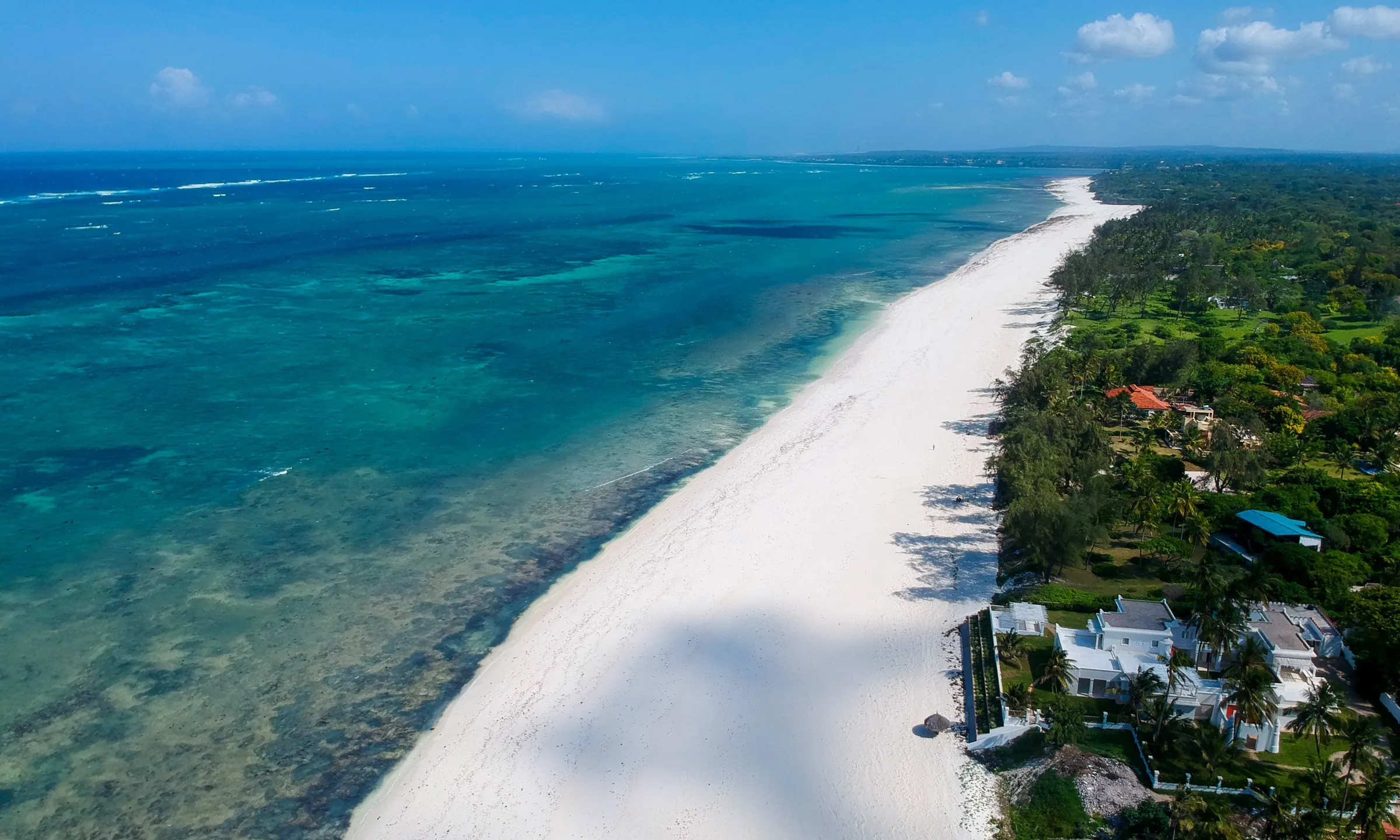
Islam remains the majority faith on the coastal strip. Like most Kenyans, Swahili people today are multilingual, speaking English as well as Kiswahili.
Experience it with respect
We take travelers into Swahili culture in Mombasa: the coral-stone lanes and carved doors of the Old Town, and Fort Jesus, a UNESCO World Heritage Site, with local guides from the town. Lamu Old Town, the other great Swahili town and also a UNESCO site, is a short flight up the coast; we arrange stays there too. Before you book, check the current U.S. State Department advisory for Kenya and confirm your travel insurance covers your route. Please ask before photographing people or homes.
Sources
From The Peoples of Kenya: An Ethnographic Reference (Kenya Experience, November 2026), a synthesis of published sources. Practices described as traditional are historical baselines; today most Kenyans are Christian or Muslim, live in or near towns and speak Swahili and English. Spot something to correct? Write to kibetck@kenyaexperience.org.