Culture & Heritage
Fort Jesus, Mombasa's Old Town, carved doors, spice markets and the Swahili coast's thousand-year story.
Culture & Heritage
Fort Jesus, Mombasa's Old Town, carved doors, spice markets and the Swahili coast's thousand-year story.
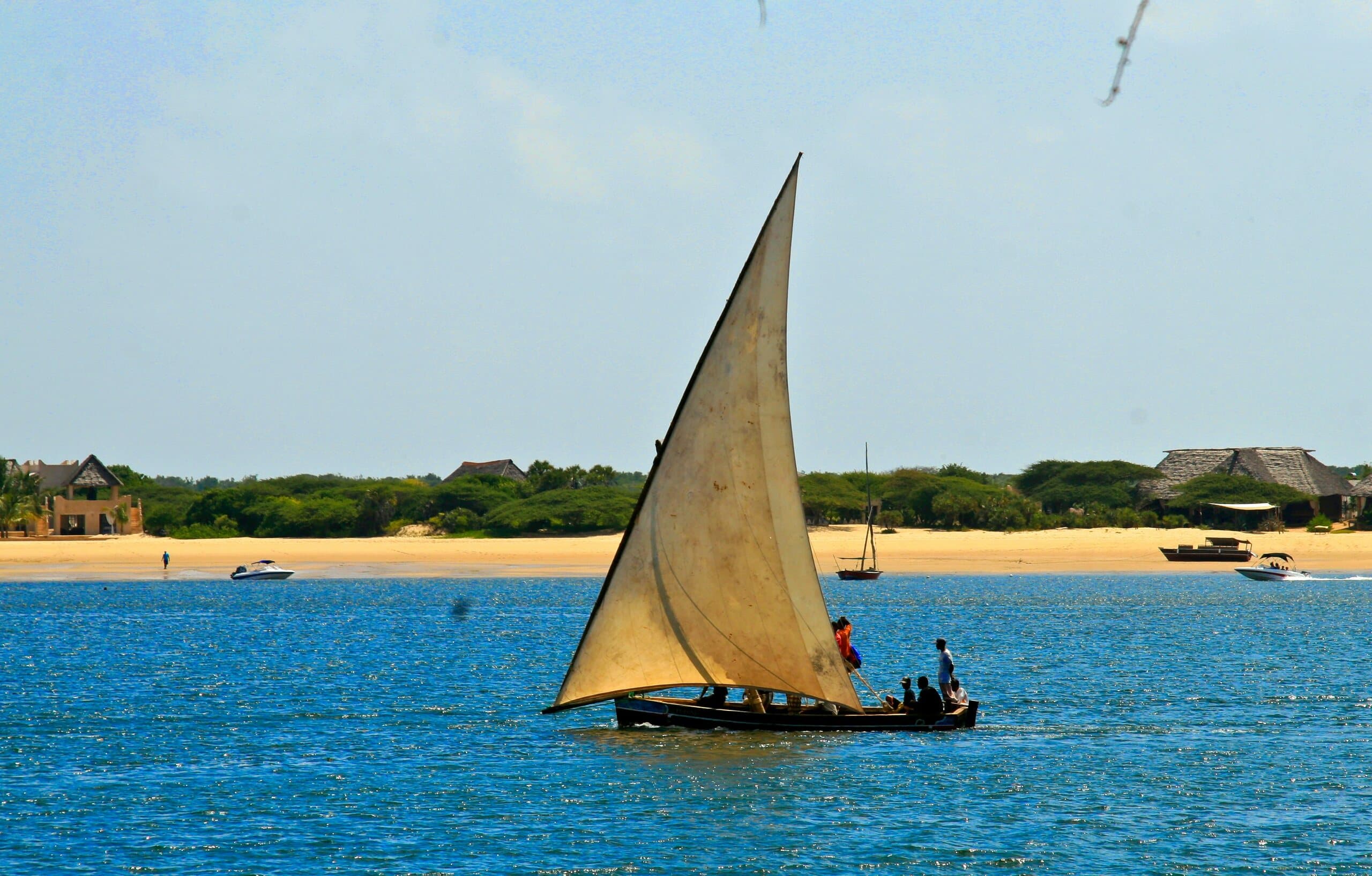
The Swahili coast is one of the great meeting places of the Indian Ocean. For more than a thousand years, monsoon winds carried traders between East Africa, Arabia, Persia and India, and the towns that grew here created a language, an architecture and a cuisine of their own. Kenya holds two UNESCO World Heritage Sites on this story: Fort Jesus in Mombasa and Lamu Old Town, which UNESCO describes as the oldest and best-preserved Swahili settlement in East Africa. Swahili, now spoken across the region, grew up along this coast.
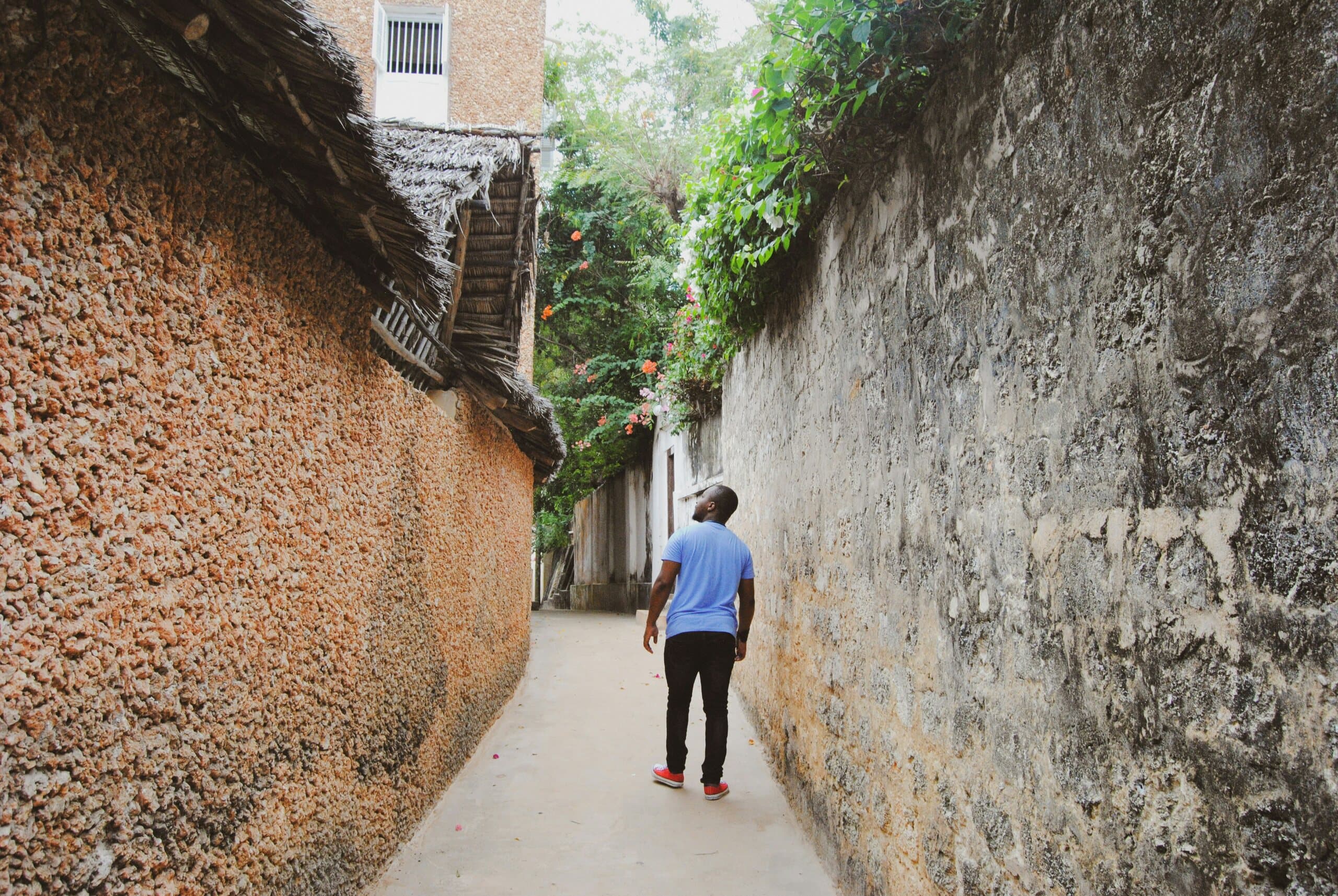
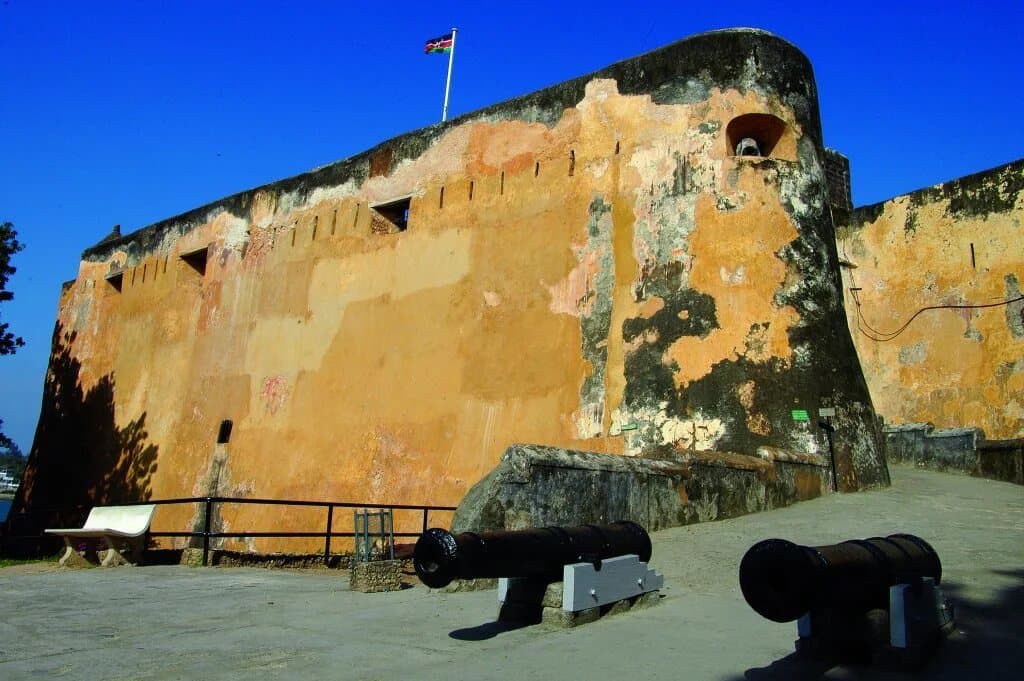
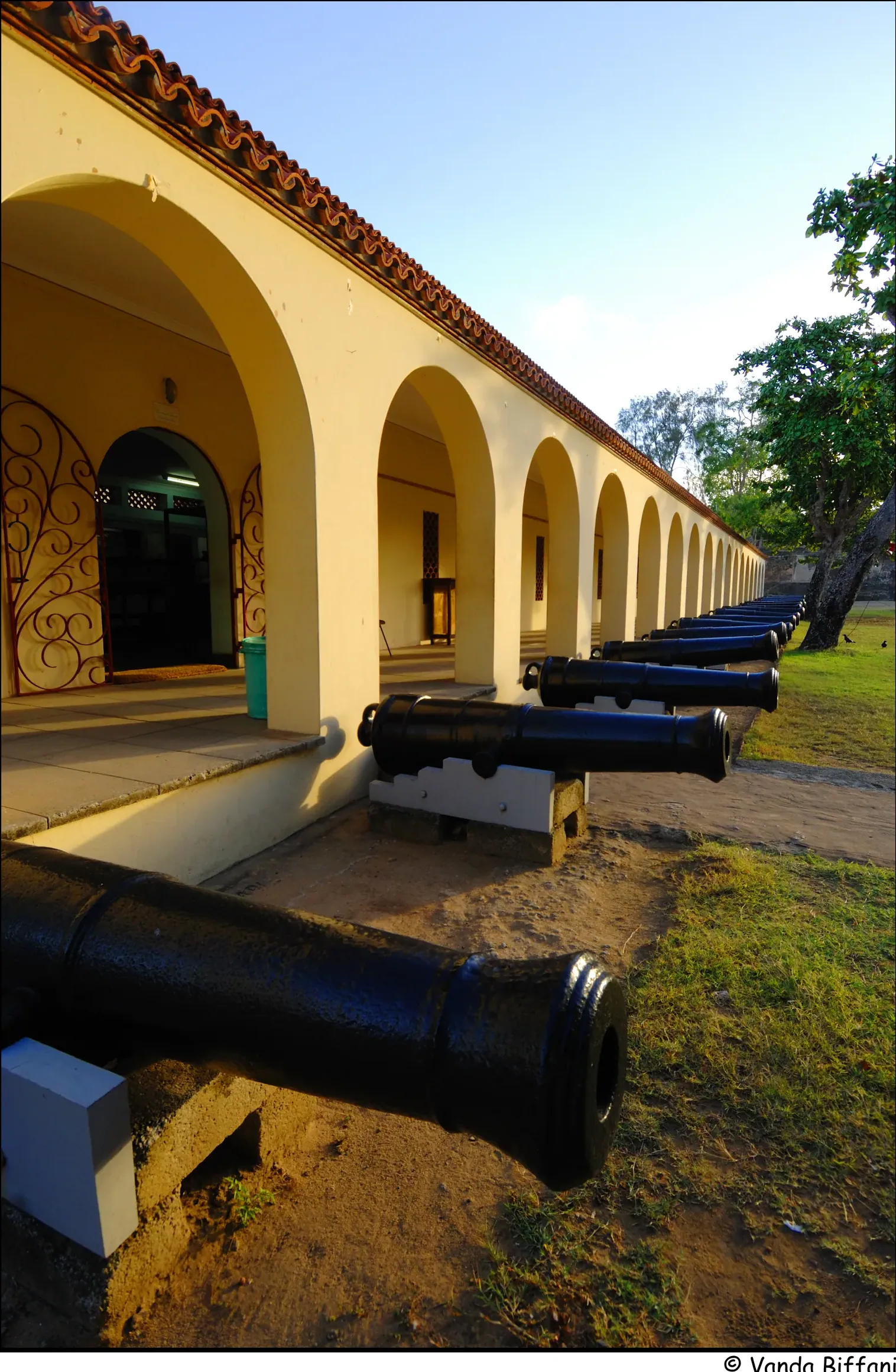
The Portuguese built Fort Jesus in the 1590s to guard the harbor, and it changed hands many times between Portuguese, Omani and later British control. Inside, a museum displays finds from along the coast. From the fort, the narrow streets of Old Town lead past carved wooden doors, balconies and mosques to the old harbor, where dhows once unloaded. A guided walk takes about two hours, with stops for spiced coffee, mahamri and biryani. Marikiti market and the spice stalls are close by.
Lamu, an island on the northern coast, keeps an old town where donkeys and dhows do most of the work and cars are largely absent. Stone houses, rooftop terraces and the waterfront make it easy to slow down for two or three nights. Nearby Shela has a long beach, and dhow trips reach the Takwa ruins on Manda Island. Between Mombasa and Lamu, the ruins of Gede near Watamu show a Swahili town abandoned centuries ago, now standing inside a forest.
The coast is warm year-round. The driest, calmest stretch usually runs from about December to March, and October and November are often pleasant too. The long rains usually fall around April to June, when some places on Lamu close and sea crossings are rougher. The Lamu Cultural Festival is usually held in November. Ramadan changes the rhythm of the old towns, with quiet days and lively evenings, and its dates move each year with the lunar calendar.
The old towns are conservative Muslim communities, so cover shoulders and knees in town and save swimwear for the beach. Ask before photographing people, especially women. Enter a mosque only if you are invited, and avoid prayer times. Streets are narrow and uneven, so wear sturdy sandals, and drink plenty of water in the midday heat. During Ramadan, avoid eating or drinking openly in the street in daylight. Bargain politely, and buy carvings and textiles from the workshops that make them.
Kenya Experience is Kenyan-led, with two U.S. companies behind it, and our Kenyan guides on the coast know these streets well. We pair the old towns with beach days at Diani or Watamu, and you can pay in full or monthly with no deposit. A specialist replies within two business days.
Mombasa's Old Town and the Portuguese Fort Jesus (a UNESCO site) open the Swahili story that runs up the coast to Lamu: Arab, Persian, Indian and African threads in architecture, food and language.
Yes. Fort Jesus in Mombasa was added to the UNESCO World Heritage List in 2011. The Portuguese built it in the 1590s, and it is one of the best-preserved forts of its era.
Lamu Old Town was inscribed on the UNESCO World Heritage List in 2001. UNESCO calls it the oldest and best-preserved Swahili settlement in East Africa.
Loose, light clothes that cover shoulders and knees. Swimwear belongs on the beach and at your hotel.
Most travelers fly to the airstrip on Manda Island, with scheduled flights from Nairobi, Mombasa or Malindi, then take a short boat ride to Lamu town. The road is possible but long.
Swahili culture grew from centuries of contact between African coastal communities and traders from Arabia, Persia and India. It shows in the Swahili language, Islam, carved doors, stone towns and coconut-rich food.
Panga
Panga means plan. Tell us who is going and what you love. A Kenya specialist replies within two business days.