Homeland
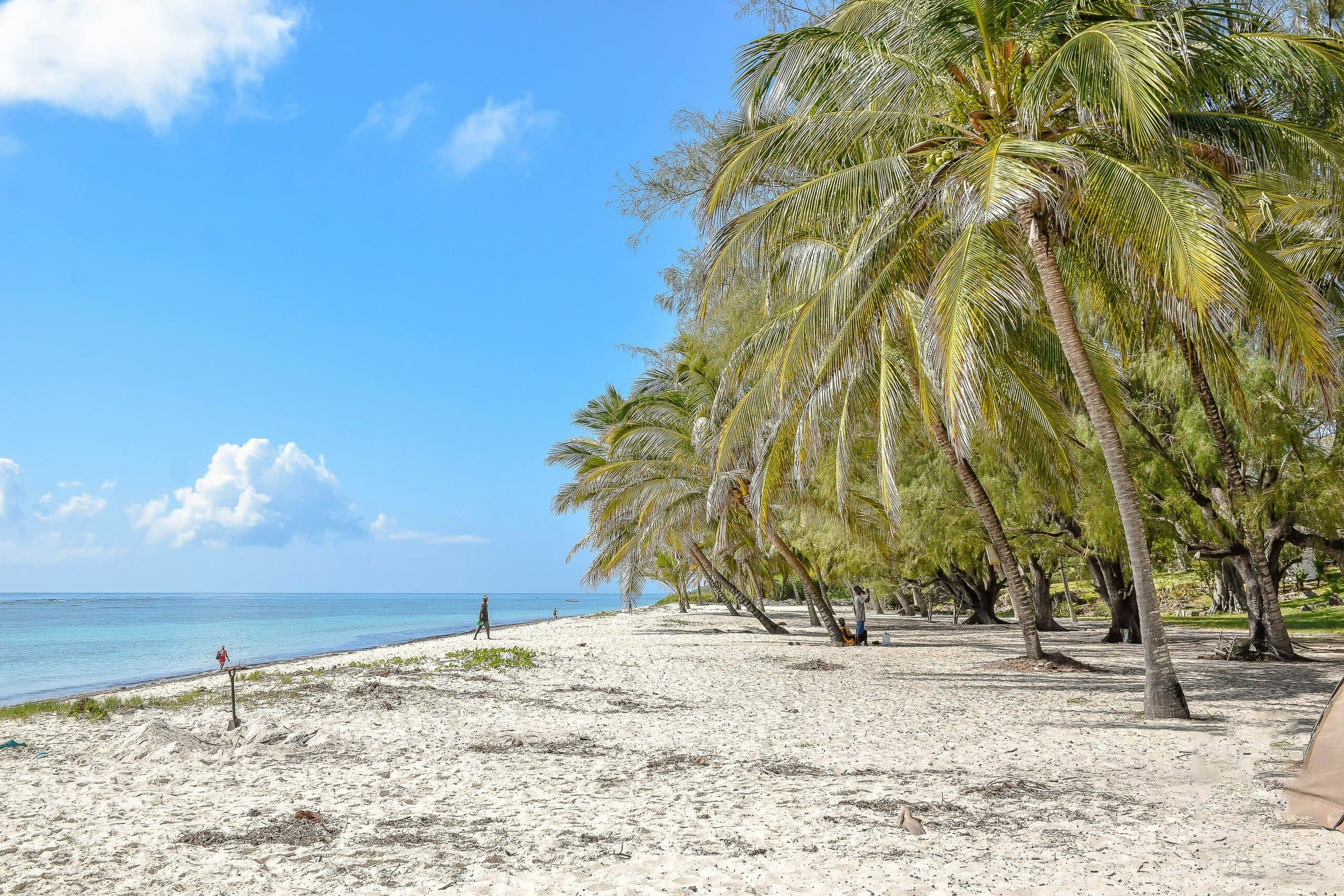
The Bajuni live on the Lamu archipelago and the mainland north to the Somali border, and their homeland continues into the Bajuni Islands of southern Somalia. The 2019 census counted 91,422 Bajuni in Kenya.
Language
The Bajuni speak Kitikuu, a northern dialect of Swahili, which is a Coastal Bantu language.
Livelihood and culture
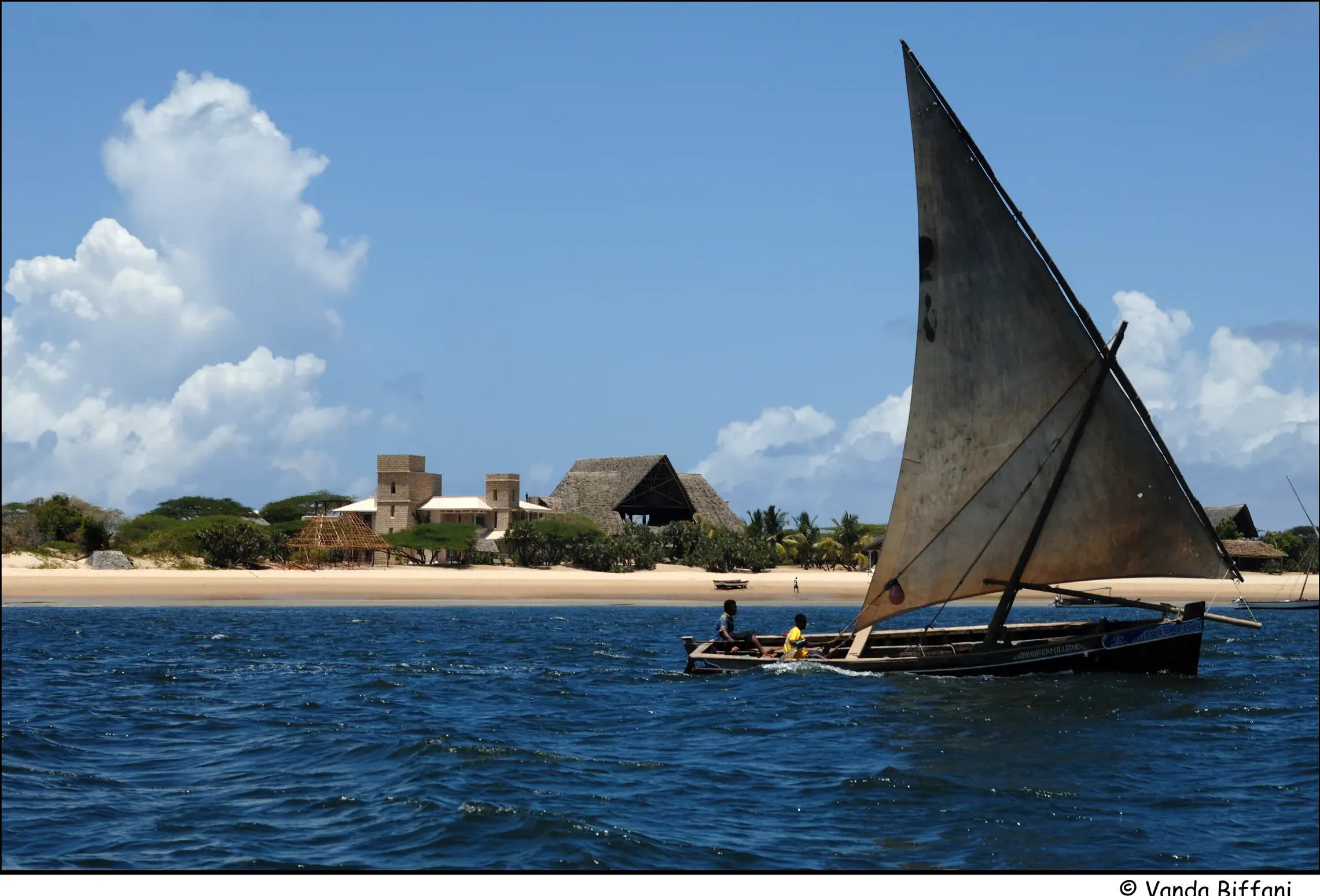
The Bajuni are Muslim fishers, sailors, boat-builders and mangrove-pole cutters. They are often treated as a Swahili sub-group but are counted separately by the census, and scholars still debate whether the Bajuni are a Swahili sub-group or a distinct community.
Today
Islam is the majority faith on the coastal strip, and the Bajuni are Muslim. Like most Kenyans, many Bajuni also speak standard Swahili and English.
Experience it with respect
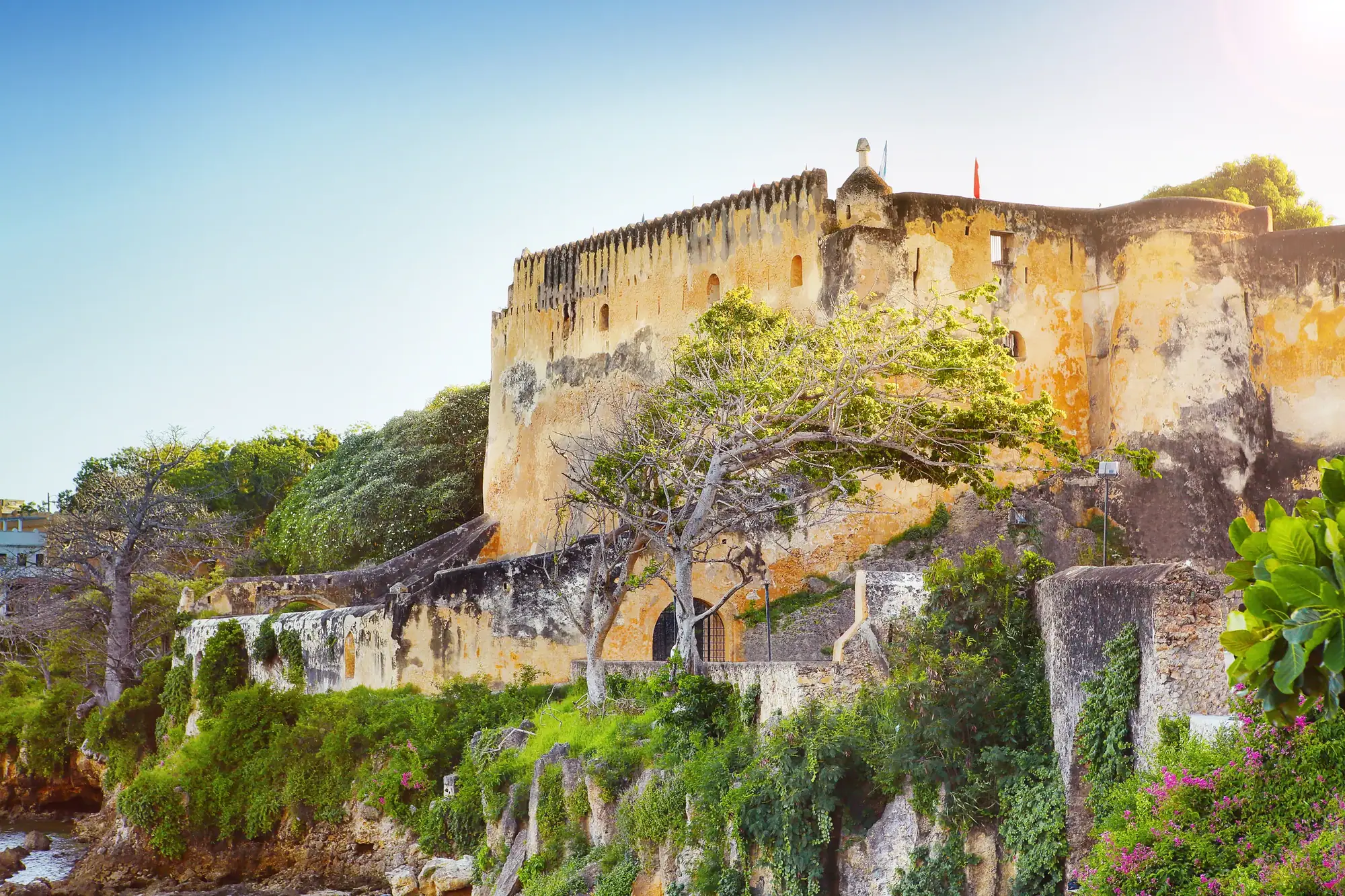
The Bajuni homeland is the Lamu archipelago, where we arrange stays on Lamu, Manda and the outer islands with local guides; Mombasa's Old Town and Fort Jesus, a UNESCO World Heritage Site, carry the same Swahili maritime culture further south. Before you book, check the current U.S. State Department advisory for Kenya and confirm your travel insurance covers your route.
Sources
- Talk Africa: census distribution of Kenya's ethnic communities
- Pulse Kenya: population of tribes in Kenya
From The Peoples of Kenya: An Ethnographic Reference (Kenya Experience, November 2026), a synthesis of published sources. Practices described as traditional are historical baselines; today most Kenyans are Christian or Muslim, live in or near towns and speak Swahili and English. Spot something to correct? Write to kibetck@kenyaexperience.org.