The coast. Updated November 2026. 6 min read.
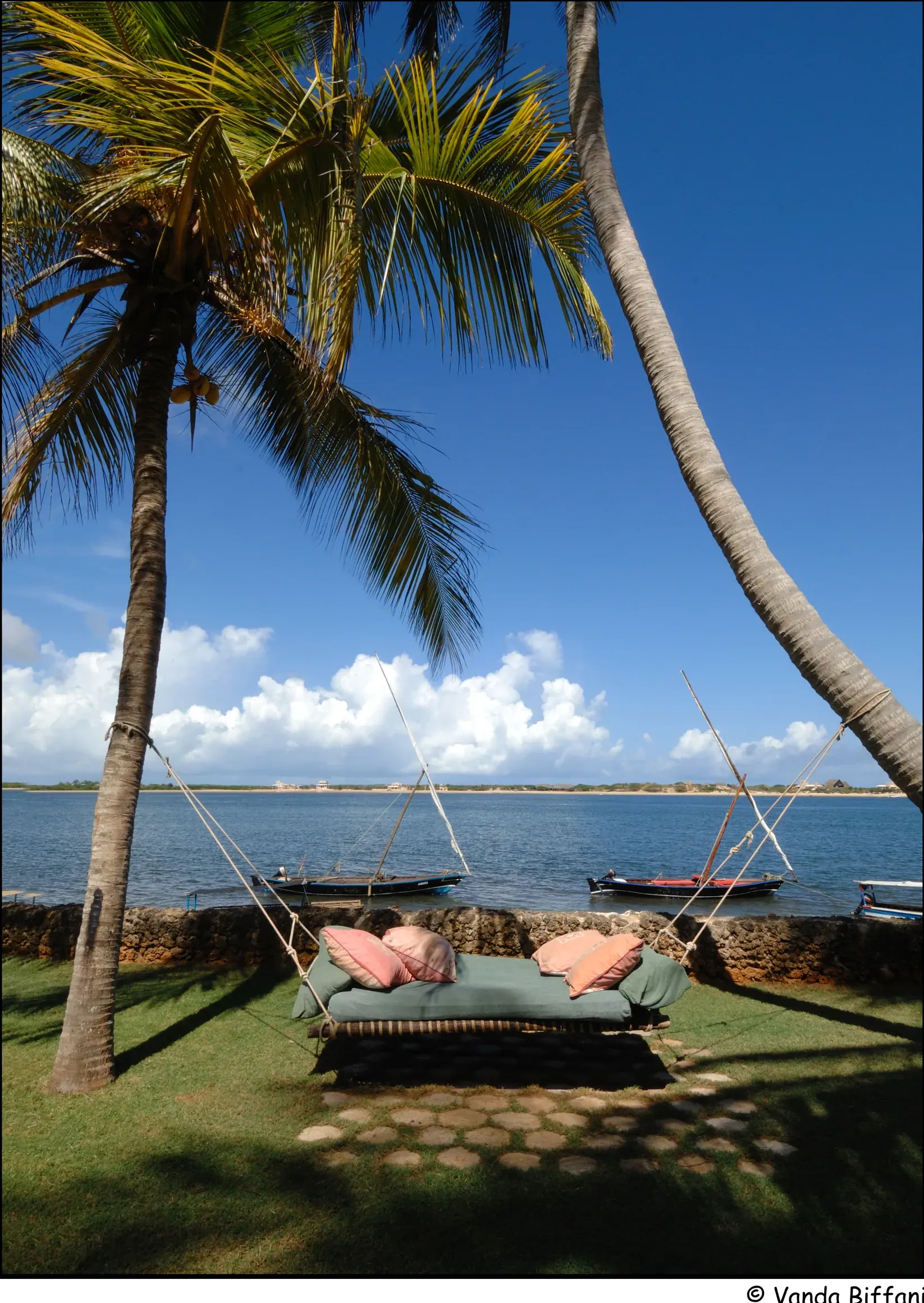
Watamu is where Italy moved to the Indian Ocean. In the 1960s Italian engineers came to launch rockets from a platform in the sea off Ngomeni, north of Malindi, and many of them, and the Italian families who followed, stayed for the reef, the fish and the gelato. Malindi, twenty minutes up the road, is where Vasco da Gama found a pilot to take him to India in 1498. Between the two sit a marine park, a turtle hospital, a ruined Swahili town in the forest and a mangrove creek you can walk over on a boardwalk.
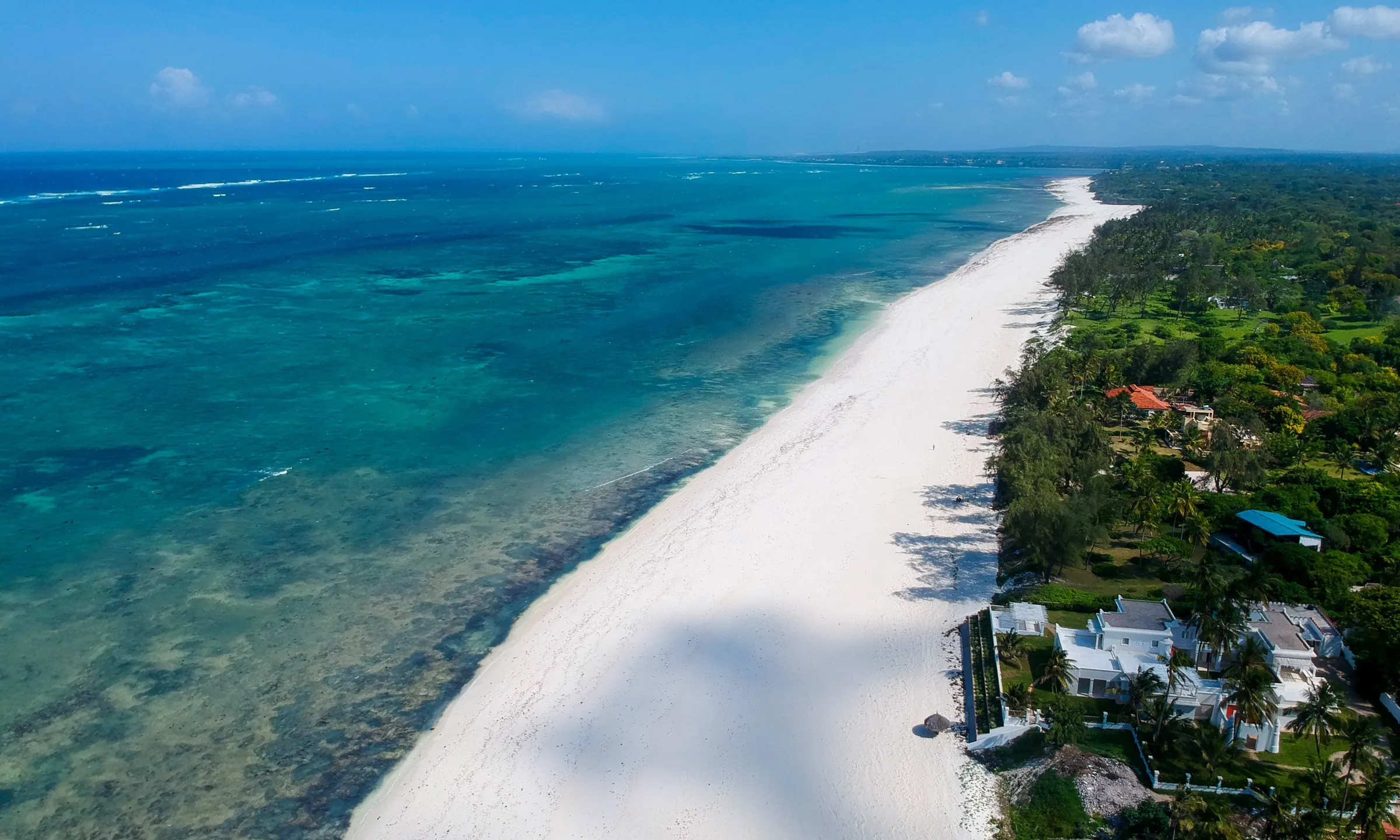
This is the quieter of Kenya's two big beach areas, and the better one for people who want to do things as well as lie down. Base yourself in Watamu for the beach, snorkeling and turtles; use Malindi for its old town, its restaurants and its airport, a flight of about 1 hour 10 minutes from Nairobi. Give the area three to five nights. If you have not yet chosen between this coast and the south coast, our Diani versus Watamu comparison settles it; once you have, our Watamu and Malindi stay guide compares the hotels bay by bay. This page is the guide to what is here and how to fit it into a trip.
Watamu or Malindi: which is which
| Watamu | Malindi | |
|---|---|---|
| Feel | A village on three bays, small and walkable | An old resort town with a long seafront and more nightlife |
| The sea | The marine park on the doorstep; snorkeling at low tide | Its own marine park offshore; the town beach is often murky from the Sabaki River |
| Best for | Snorkeling, turtles, families, couples, kitesurfing | History, Italian food, a short airport transfer |
| Stay here if | The beach is the point of the trip | You want a town with restaurants on foot |
Things to do
- Watamu Marine National Park: coral gardens, turtles and reef fish in the lagoon in front of the hotels, gazetted in 1968 and run by Kenya Wildlife Service; go by glass-bottom boat or snorkel around low tide, and pay the KWS marine park fee, which your boat operator usually collects
- Local Ocean Conservation: the Watamu charity that rescues injured sea turtles, protects nests on the beach and pays fishermen to release turtles caught in their nets; visit the rehabilitation center, and in nesting season you may see hatchlings released
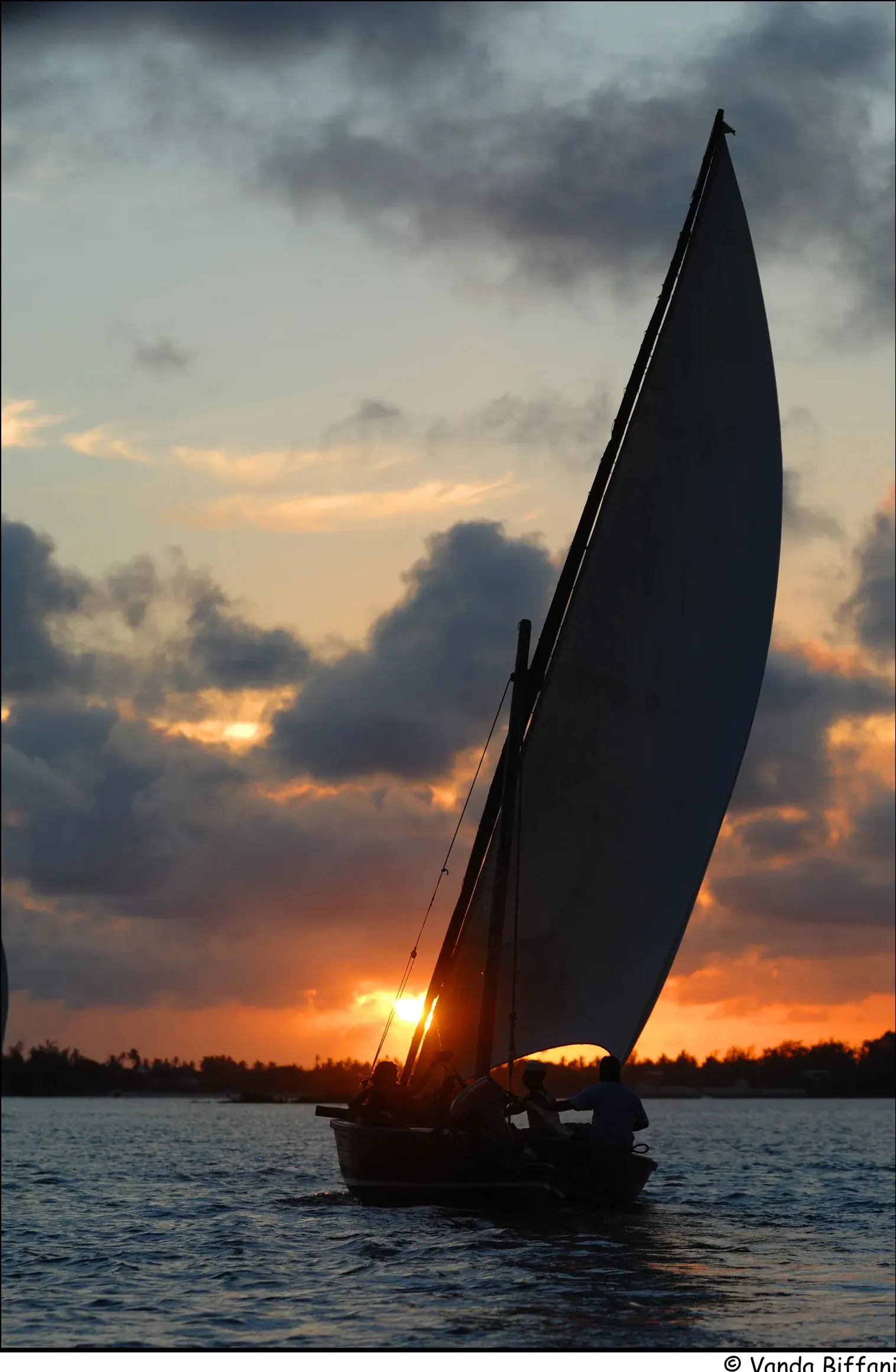
- Mida Creek: a tidal inlet behind Watamu, with a community-built boardwalk through the mangroves to a bird hide, flocks of crab plovers and other shorebirds, and a sunset canoe trip that is one of the best two hours on the coast
- Gedi ruins: a Swahili stone town in the forest, about 15 minutes from Watamu, with a great mosque, a palace and pillar tombs, abandoned around 1600 for reasons nobody fully knows; it was inscribed as a UNESCO World Heritage Site in 2024
- Arabuko-Sokoke Forest: about 420 square kilometers of coastal forest behind Watamu, the largest left in East Africa, home to the Sokoke scops owl, Clarke's weaver and the golden-rumped sengi, an elephant shrew found almost nowhere else; go at dawn with a forest guide
- Marafa, the place locals call Hell's Kitchen: eroded sandstone canyons inland of Malindi that glow red and orange in late-afternoon light; go in the last two hours before sunset, with a local guide from the village
- Whales and dolphins: humpback whales pass offshore roughly from July to October, and dolphins are seen on many boat trips through the year
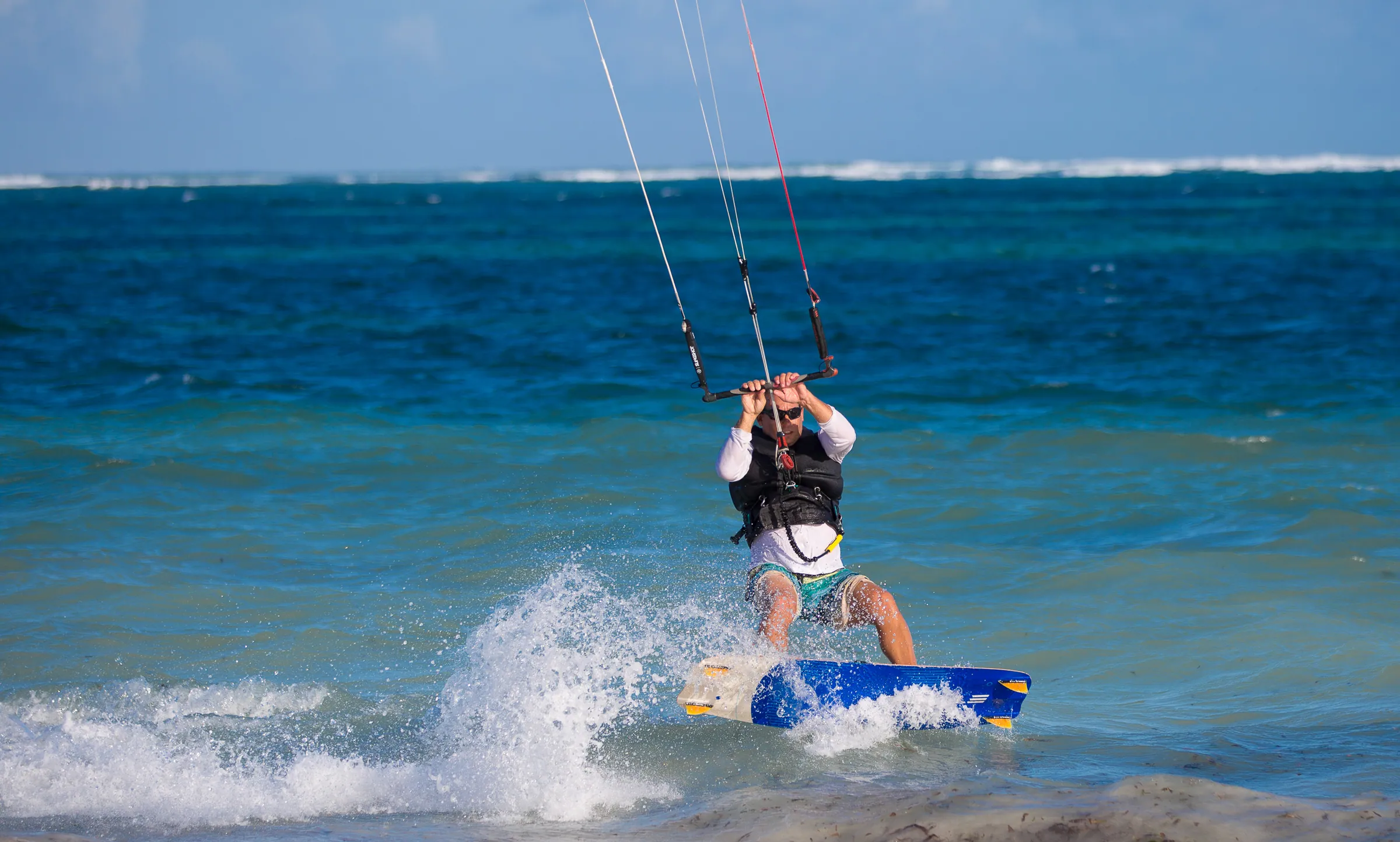
- Kitesurfing in the windy months, and deep-sea fishing out of Watamu and Malindi, two of Kenya's main billfish ports
Malindi: the pillar, the chapel and the Italians
Malindi's history is short to walk and long to think about. On the point at the southern end of the seafront stands the coral pillar the Portuguese put up after Vasco da Gama's visit in 1498, when the Sultan of Malindi, who was at odds with Mombasa, gave him the pilot who guided his fleet across the ocean to India. Close by is the small Portuguese chapel, one of the oldest Christian buildings in East Africa, and the old town behind the seafront has the Malindi museum and a statue of Mekatilili wa Menza, the Giriama woman who led resistance to British rule in 1913 and 1914. Our pages on Vasco da Gama in Malindi and the Swahili coast tell the longer story.
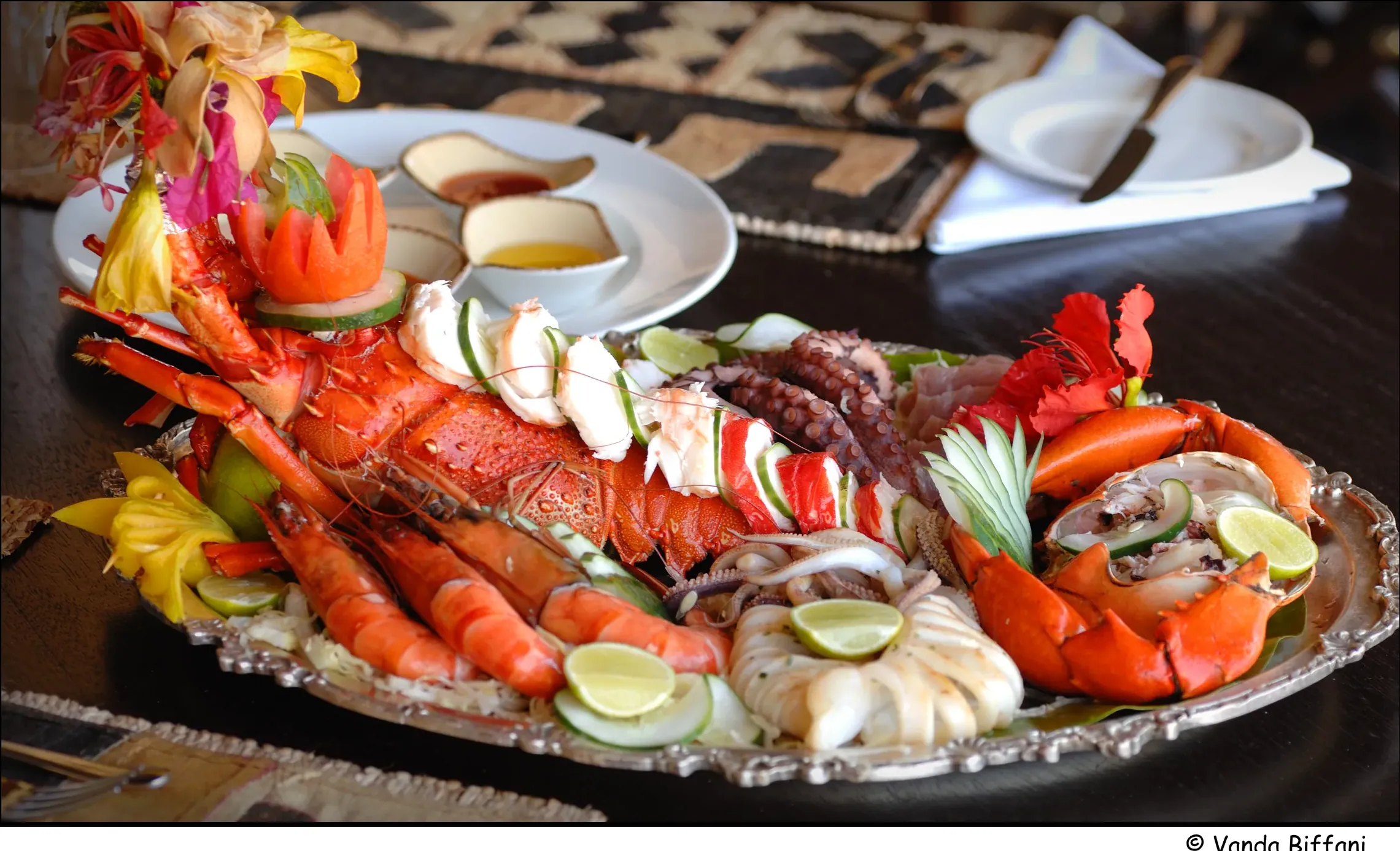
The Italian side is just as visible. Italian is spoken in shops and restaurants, there are good pizzerias and gelato counters on the main road, and many villas belong to Italian families who have wintered here for decades. Malindi also has its own marine park offshore, part of the same protected area as Watamu's.
The rocket range offshore
The Italian story began with space. From the 1960s, Italy launched rockets and satellites from the San Marco platform, an offshore launch pad in the bay at Ngomeni, now part of the Luigi Broglio Space Centre run by the Italian Space Agency. On December 12, 1970, Kenya's independence day, a NASA satellite launched from there was named Uhuru, freedom in Kiswahili, and became the first satellite built to map the sky in X-rays. The center is not open to visitors and sits north of Malindi, but it explains why so many Italians know this coast.
When to go
| Months | What to expect |
|---|---|
| October to March | The northeast monsoon, the kaskazi: calm seas and the clearest water for snorkeling; December to March is the classic beach season and the busiest |
| April to June | The long rains; quieter, greener and cheaper, with some lodges closing for a few weeks |
| June to September | The southeast kusi winds: rougher sea, seaweed on some beaches, good kitesurfing; humpback whales from about July |
Getting there
| From | How | Time |
|---|---|---|
| Nairobi | Flight to Malindi, then road to Watamu | About 1 hour 10 minutes, plus 20 to 30 minutes |
| Mombasa | Road north on the coast highway | About 2 to 2.5 hours |
| Nairobi by rail | Madaraka Express to Mombasa, then road north | About 5 to 6 hours, plus 2 to 2.5 hours |
| Diani | Road via Mombasa | About 3.5 to 4.5 hours, depending on Mombasa traffic |
| Kilifi | Road north | About 45 minutes to 1 hour |
Where to stay
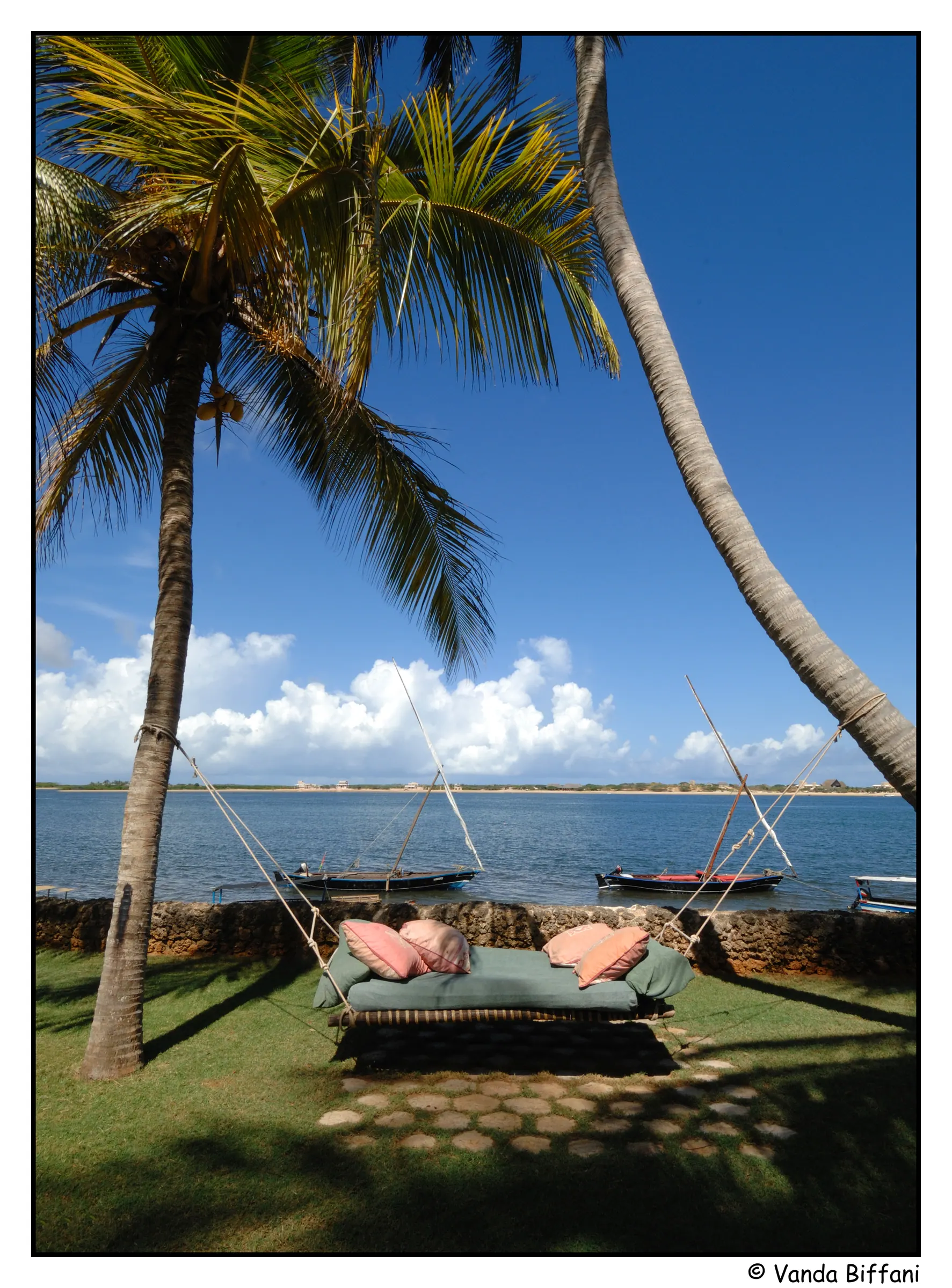
Most hotels line Watamu Bay and Turtle Bay, in front of the marine park, from family beach hotels to small boutique houses. The Mida Creek side is for mangroves, birds and quiet, and Malindi has a few good hotels for people who want a town around them. Our Watamu and Malindi stay guide names them, with prices and who each one suits.
How long to stay, and how it fits a trip
Three nights covers the marine park, Gedi, Mida Creek and a morning in the forest; five lets you add Malindi, a fishing day or simply time on the beach. The classic shape is a safari first, then the coast: fly from the Mara or Nairobi to Malindi, or come by road from Tsavo East. Watamu also works as the northern half of a coast week, with Kilifi in between and Diani to the south, ending with a flight home from Malindi or Mombasa.
A short history
Malindi was a Swahili city-state by the 1400s, trading with Arabia, Persia, India and China, and Gedi, a few miles south, was one of the towns of the same world until it was abandoned around 1600. Malindi's alliance with the Portuguese after 1498 made it, for a time, their base on the coast, until they moved to Mombasa and built Fort Jesus. The area later came under the sultans of Zanzibar and then the British, and the Giriama, a Mijikenda people of the hinterland, resisted colonial labour demands here in 1913 and 1914. Tourism, much of it Italian, arrived in the 1960s and has shaped both towns since.
Why plan with us: Kenya Experience is Kenyan-led, with two U.S. companies behind it and Kenyan guides on the ground. You can pay in full or monthly with no deposit, and a specialist replies within two business days.