Towns and places. Updated November 2026. 5 min read.
Kisumu is Kenya's third city and its most relaxed. It is a lakeside town where the evening belongs to fried tilapia at Dunga beach, ohangla drums and benga guitars, and the lanterns of fishing canoes that look, after dark, like a second city out on the water.
Most safari visitors never come here, and that is the point. Kisumu is the capital of the Luo lakeshore and the gateway to Lake Victoria, Africa's largest lake, which Kenya shares with Uganda and Tanzania. It is a 45-minute flight from Nairobi, has a calm, walkable center and makes the best base for western Kenya: Kakamega's rainforest, the tea hills of Kericho, the islands of Rusinga and Mfangano, and the sacred rock of Kit Mikayi are all within a day. Give it two or three nights. This page is the visitor's guide to the city; our Kisumu County page has the county facts and figures.
Why go
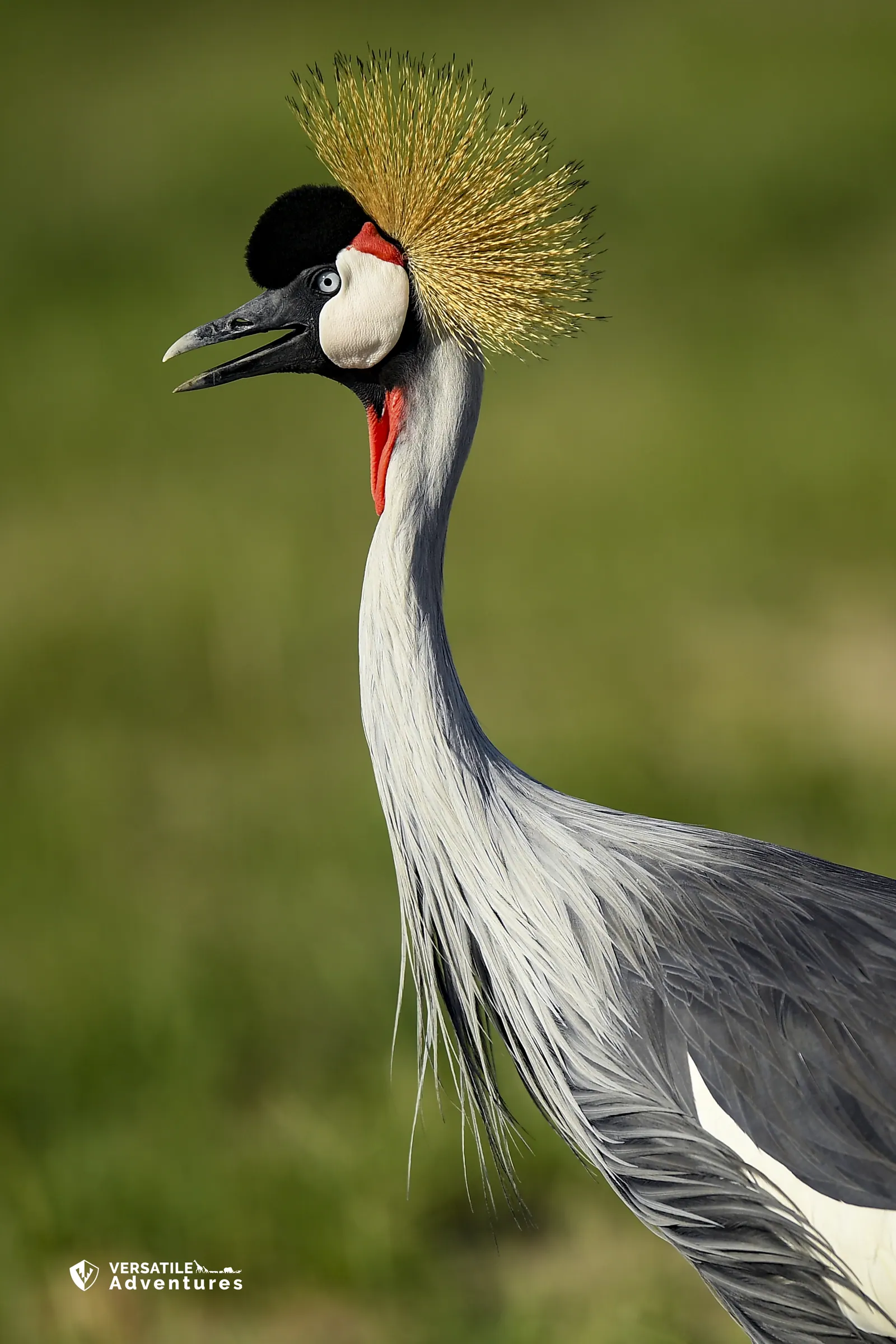
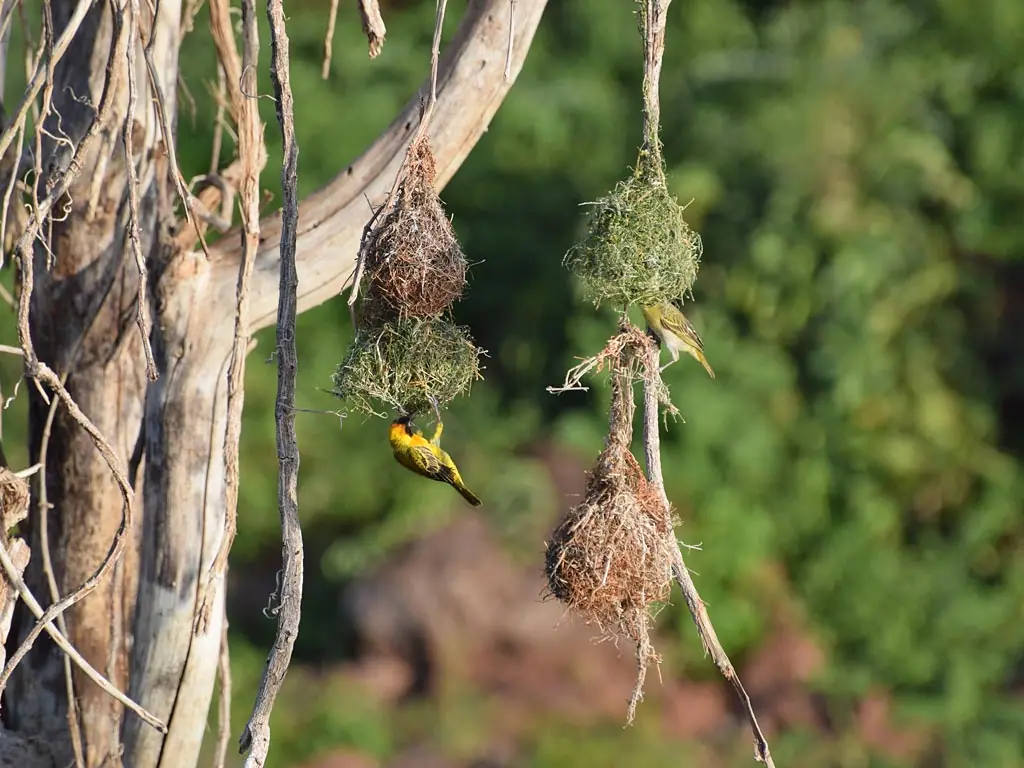
- The lake itself: sunrise boat rides among hippos, fish eagles and pied kingfishers, and sunsets over the Winam Gulf
- The food: Lake Victoria fish, cooked on the beach a few hours after it was caught
- Luo culture: music, language and hospitality in the heartland of one of Kenya's largest communities
- Western Kenya on your doorstep, a part of the country most visitors miss
- For Luo families in the U.S., the city most journeys home pass through

Things to do in and around the city
- Dunga beach: a fishing village on the edge of the city, where community boat operators take you out to see hippos, birds and the fishermen at work, and where Dunga Hill Camp serves fish with a view of the gulf
- Lwang'ni and the beach fish kitchens: choose your fish by size, and it comes back fried or stewed with ugali and greens
- Kisumu Impala Sanctuary: a small Kenya Wildlife Service sanctuary on the lakeshore near the center, with walking paths, impala grazing between the trees and hippos in the shallows
- Kit Mikayi: a tower of balanced granite boulders about 30 km west of the city, a sacred site in Luo tradition and a prayer site today; go with a local guide, ask before photographing worshippers and pay the small community fee
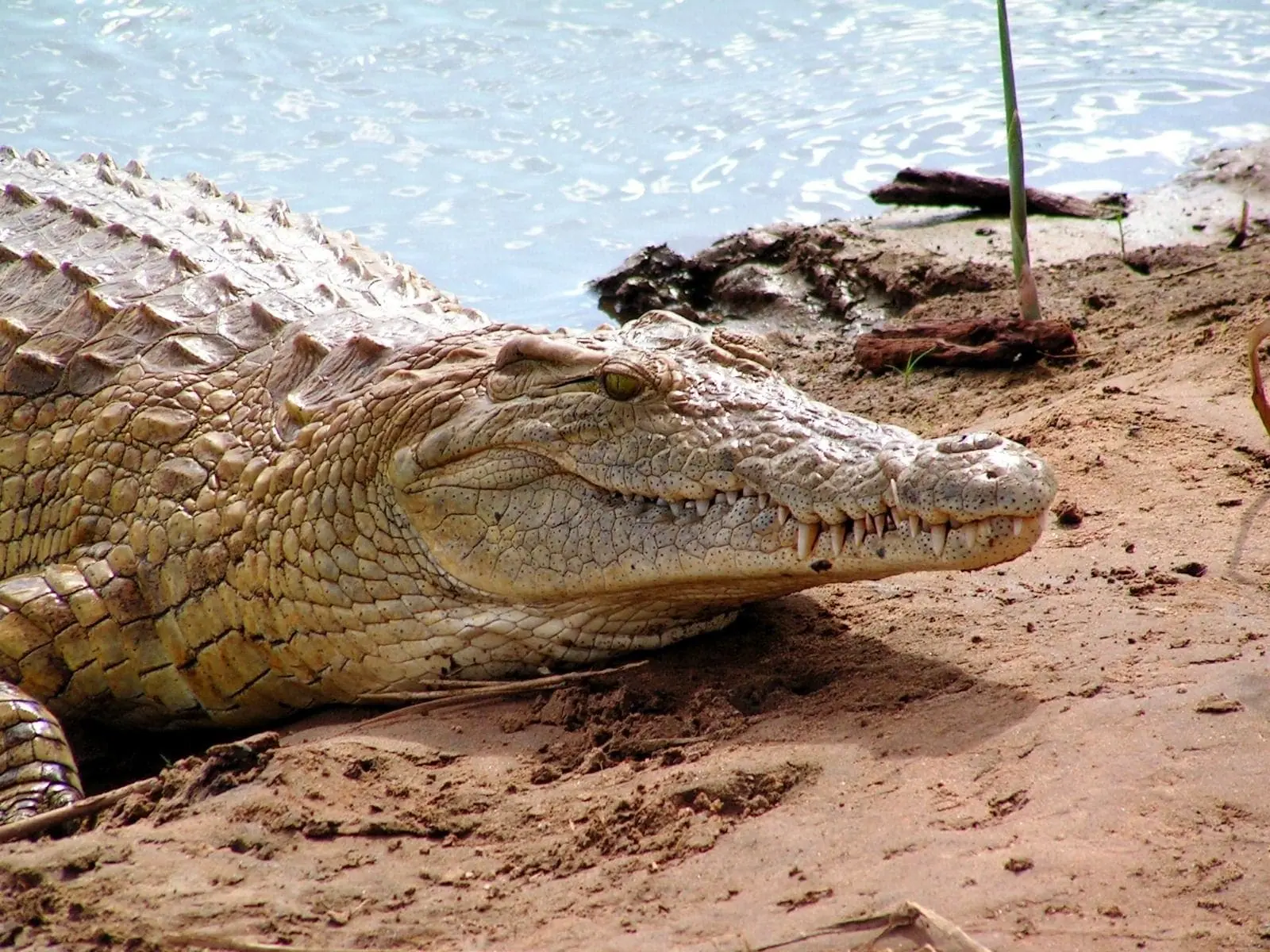
- Ndere Island National Park: an island about 40 minutes by boat from Kisumu, with hippos, crocodiles, water birds and a Luo legend of the first settlers; a half-day trip
- Kisumu Museum: exhibits on the lake and the peoples of western Kenya, with a reconstructed traditional Luo homestead in the grounds
- Kibuye market: one of the biggest open-air markets in western Kenya, busiest on Sundays, with omena drying in the sun and everything from sweet potatoes to secondhand clothes
- A night out: ohangla, benga and rumba in the city's bars and clubs, best on a Friday or Saturday
Our guide to things to do in Kisumu goes deeper on each of these, with the timings we use.
What to eat
Kisumu is the place to eat fish in Kenya. Order tilapia whole, either deep-fried or wet-fried in a tomato and onion sauce, with ugali and sukuma wiki or other greens, and eat with your right hand like everyone around you. Omena, the tiny silver lake fish dried in the sun and fried with tomato, is the everyday dish; Nile perch is the big fish of the lake. At the beach kitchens the price depends on the size of the fish, so ask before they cook it. Our pages on Luo food and Lake Victoria fish explain the dishes.
Where to stay
Choose by area. Milimani, the leafy hill above the center, has most of the quiet mid-range and business hotels and is a short ride from everything. The lakeshore around Dunga is for views, sunsets and an easy walk to the fish kitchens. The city center has the busiest, cheapest rooms. Kisumu is a business and conference city, so standards are good and prices are lower than in Nairobi; we book hotels we have stayed in ourselves.
Getting there
| From | How | Time |
|---|---|---|
| Nairobi | Flight to Kisumu International Airport | About 45 minutes; several flights a day |
| Nairobi | Road via Nakuru and Kericho | About 6 hours |
| Nairobi | Kenya Railways' weekend train on the old metre-gauge line | An overnight run in recent timetables; check whether it is running |
| Maasai Mara | Road via Bomet and Kericho, or a light-aircraft flight | Most of a day by road |
Day trips from Kisumu
| Trip | Roughly how far | Why go |
|---|---|---|
| Kit Mikayi | About 45 minutes by road | The sacred rock and the Luo story behind it |
| Ndere Island | About 40 minutes by boat | An island national park in the lake |
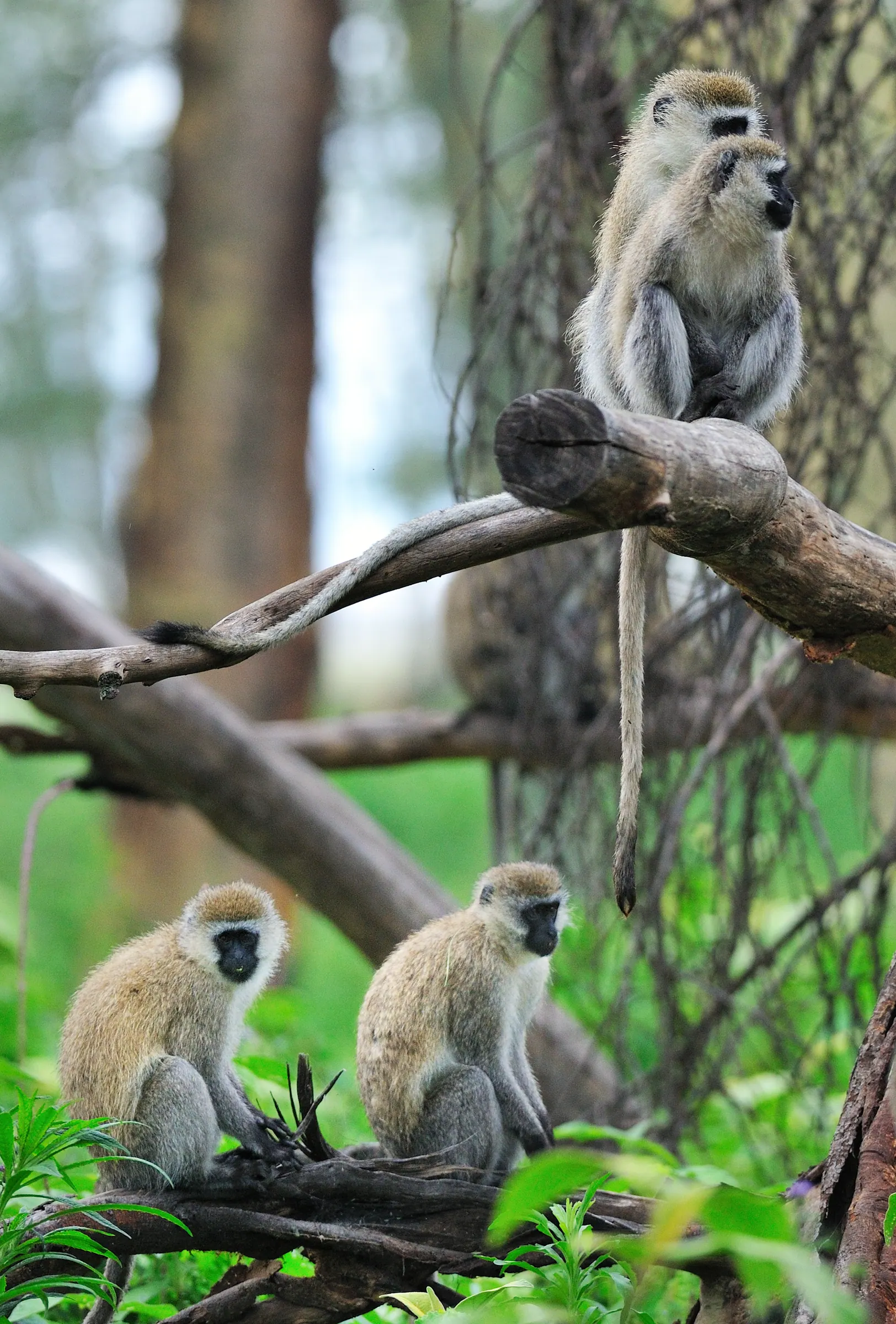
| Kakamega Forest | About 1.5 hours by road | Kenya's last patch of Guinea-Congolian rainforest, birds and monkeys |
| Kericho tea country | About 1.5 to 2 hours by road | Tea estates and a factory visit |
| Rusinga and Mfangano islands | About 2.5 to 3 hours to Mbita, then boats | Tom Mboya's mausoleum, fossil sites and rock art; better as an overnight |
| Ruma National Park | About 3 hours by road | Kenya's only roan antelope, rarely visited |
The lake and the port
Kisumu began as Port Florence, the railhead of the Uganda Railway, which reached the lake from Mombasa in 1901. Steamers carried goods and passengers on to Uganda and Tanzania, and the town grew into the trading center of the lake. The lake has changed a great deal since: Nile perch, introduced in the 1950s, transformed the fishery, and water hyacinth still chokes the gulf in some seasons. The port has been rebuilt in recent years, and more of the lakefront is open to the public than a decade ago.
Coming home to the lake
For many Kenyan families in the U.S., Kisumu is where the journey home ends or begins: a flight from Nairobi, then a drive to Siaya, Homa Bay, Migori or a village a few miles out of town. We plan trips that start with family and finish with a few days of the lake, the islands or a safari, so that children raised abroad see both their grandmother's home and the country around it.
Good to know
- Malaria risk is higher around the lake than in the highlands; take the prophylaxis your travel clinic recommends and sleep under a net or in a screened room
- It is hot and humid by midday; plan boat trips for early morning or late afternoon
- Wear a life jacket on every boat, and choose operators who provide them
- Take normal city care after dark and use a taxi or ride-hailing app at night
Why plan with us: Kenya Experience is Kenyan-led, with two U.S. companies behind it and Kenyan guides on the ground. You can pay in full or monthly with no deposit, and a specialist replies within two business days.