Towns and places. Updated November 2026. 4 min read.
Drive north past the wheat fields below Mount Kenya and somewhere after Timau the road tips down off the highlands. The air warms, the farms thin out, the acacias spread and the first camels appear. A few kilometres later you are in Isiolo, the market town where Kenya's north begins.
For travelers, Isiolo is the gateway to the Samburu, Buffalo Springs and Shaba reserves, half an hour further north, and the last big town with reliable fuel, bank machines and supermarkets before them. Most of our guests spend an hour here: fuel, cash, washrooms and a look at a frontier town unlike anywhere in the south. We take guests through Isiolo on every Samburu road trip, and on north to Marsabit and Lake Turkana on longer northern journeys. Our Isiolo County page has the county overview; this page is the visitor's guide to the town.
Getting there
| From | How | Time |
|---|---|---|
| Nairobi | A2 via Thika, Karatina and Nanyuki | About 4.5 to 5 hours |
| Nanyuki | A2 north via Timau | About 1.5 hours |
| Meru town | Road north-west | About 1 hour |
| Lewa | Road south-west | About 1 hour |
| Samburu and Buffalo Springs gates | A2 north via Archers Post | About 30 to 45 minutes |
| Marsabit | A2 north, tarmac | About 4 to 5 hours |
Isiolo has a newer international airport outside town, but at the time of writing it has few scheduled passenger flights. If you are flying to Samburu, you will land at one of the reserve airstrips, minutes from your camp, and not see the town at all.
A frontier town
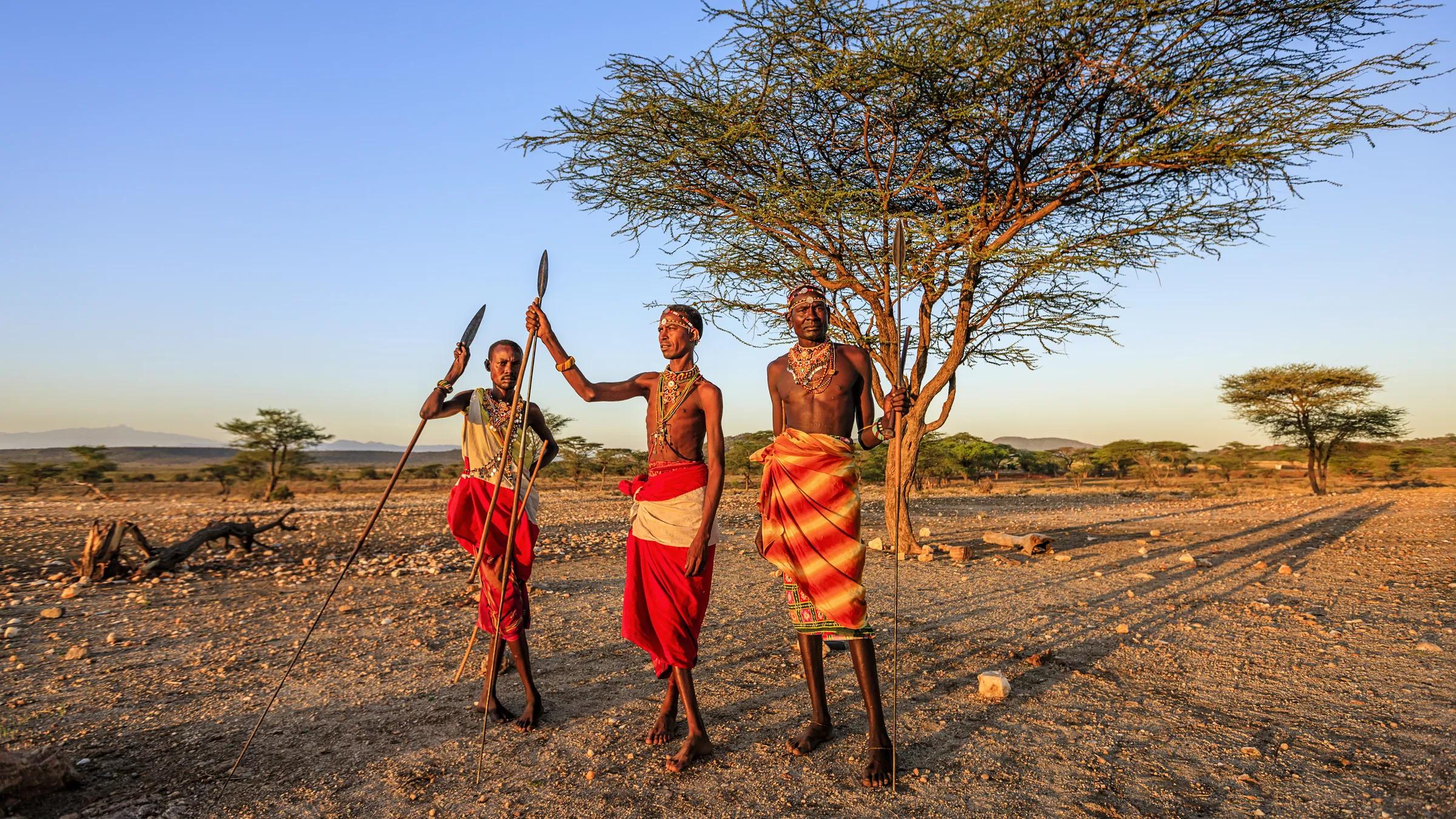
Isiolo has long been the meeting point of the highlands and the arid north, and its streets show it. Borana and Somali traders, Samburu and Turkana herders and Meru farmers all do business here, and you hear Borana, Somali, Samburu, Kiswahili and Kimeru in the same market. The skyline holds both the Jamia Mosque and St Eusebius Cathedral. Livestock is the town's economy: camels, cattle, goats and sheep come in from the rangelands to be sold and trucked south, and if your timing is right your guide can take you to the livestock market, a loud, dusty and fascinating morning. Ask before you photograph anyone, and expect to be asked for a small fee or politely refused.
What is nearby
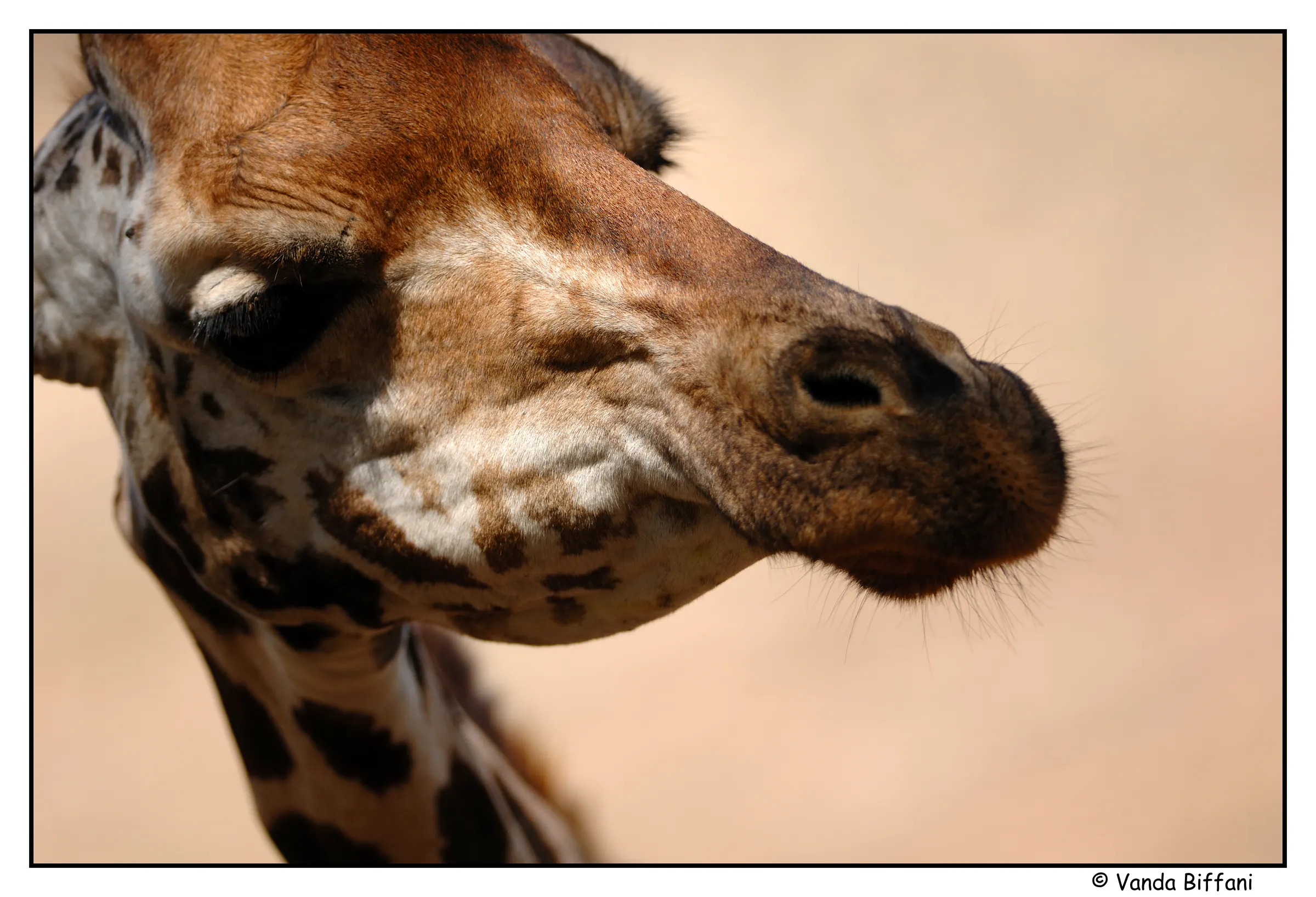
- Samburu and Buffalo Springs: the two reserves either side of the Ewaso Ng'iro River, with reticulated giraffe, Grevy's zebra, gerenuk, Beisa oryx and Somali ostrich, the northern species you will not see further south
- Shaba: the quieter reserve to the east, with lava hills and springs, where Joy Adamson worked with Penny the leopard
- Lewa and the Ngare Ndare Forest: south-west of town, for rhinos, and a forest canopy walk and pools
- Mount Ololokwe: the sacred flat-topped mountain beyond Archers Post, climbed with Samburu guides
- Meru National Park: east via Meru town, quieter and greener than Samburu
The road north to Marsabit
The A2 continues north from Isiolo as a tarmac highway to Marsabit and on to Moyale on the Ethiopian border. Past Archers Post and Mount Ololokwe it crosses the Kaisut desert, Rendille camel country, until Marsabit rises out of the plain: a forested volcanic mountain with crater lakes and elephants in Marsabit National Park, about 4 to 5 hours from Isiolo. From Marsabit, a long, rough track runs west across the Chalbi desert to Loiyangalani on Lake Turkana, which makes Isiolo the start of one of Kenya's great northern loops. Fill the tank, carry cash and water, and travel with a driver-guide who knows the north. Before you book, check the current U.S. State Department advisory for Kenya and confirm your travel insurance covers your route. Our where we travel page shows the whole map.
Where to eat and stay
Isiolo's cafes are a good place to try northern food: Somali-style rice and goat, fried liver, chapati, sweet spiced tea and, if you are curious, camel milk. Your guide will know the clean, busy places on the main street. The town's hotels are simple and mostly used by drivers and traders. Almost every visitor sleeps in the reserves instead, in camps on the river or lodges with views; our Samburu stay guide compares them with prices.
How long to stay, and how it fits a trip
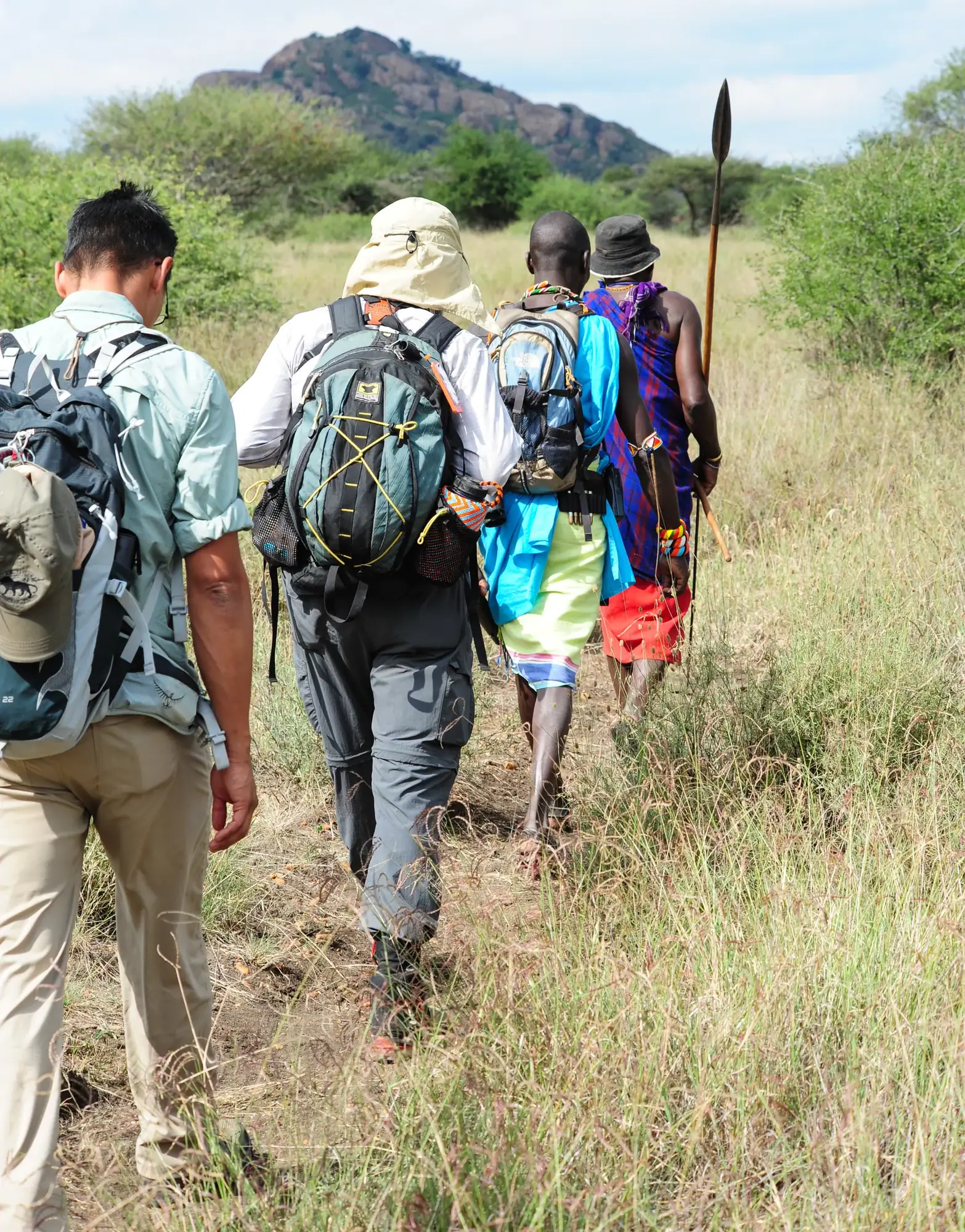
Plan an hour in Isiolo on the way north, a little more if the market is on. It fits any trip that combines Laikipia and Samburu: Nanyuki or Lewa, then Isiolo, then two or three nights on the Ewaso Ng'iro. Our 14-day loop passes through it. For Kenyans in the U.S. with family in Isiolo, we can build a home visit into a Samburu safari.
Why plan with us: Kenya Experience is Kenyan-led, with two U.S. companies behind it and Kenyan guides on the ground. You can pay in full or monthly with no deposit, and a specialist replies within two business days.