Towns and places. Updated November 2026. 4 min read.
Kitale is a farming town that smells of maize. Around it lie the big fields of Trans-Nzoia, one of Kenya's breadbaskets, and above it, on clear mornings, rises the long broken rim of Mount Elgon on the Uganda border.
For travelers, Kitale is the base for three of western Kenya's quiet treasures: Mount Elgon National Park, where elephants walk into caves at night to mine salt; Saiwa Swamp, the smallest national park in the country and the best place in Kenya to see the shy sitatunga antelope; and the forested Cherangani Hills. It is a place for walkers, birders and travelers who have seen the big parks and want something no one else on their flight will have done. Our Trans-Nzoia County page has the county overview; this page is the visitor's guide to the town.
Getting there
| From | How | Time |
|---|---|---|
| Nairobi | Road via Nakuru and Eldoret | About 7 hours |
| Nairobi | Fly to Eldoret, then road | About 1 hour flying, then 1 to 1.5 hours |
| Eldoret | Road north-west | About 1 to 1.5 hours |
| Iten | Road via Eldoret | About 2 hours |
| Kakamega | Road via Webuye | About 2 to 2.5 hours |
| Saiwa Swamp | Road north-east | About 30 minutes |
| Mount Elgon, Chorlim Gate | Road west via Endebess | Under an hour |
In town
Kitale Museum, run by National Museums of Kenya and about a century old, is one of the best small museums in the country: ethnographic galleries on the peoples of western Kenya, traditional homesteads in the grounds and a nature trail through a patch of indigenous forest, good for birds and monkeys. The Treasures of Africa museum is a private collection on the region's cultures; check opening times before you go. The rest of Kitale is a busy market town, with produce from the farms, a large open-air market and the agricultural show grounds.
Saiwa Swamp
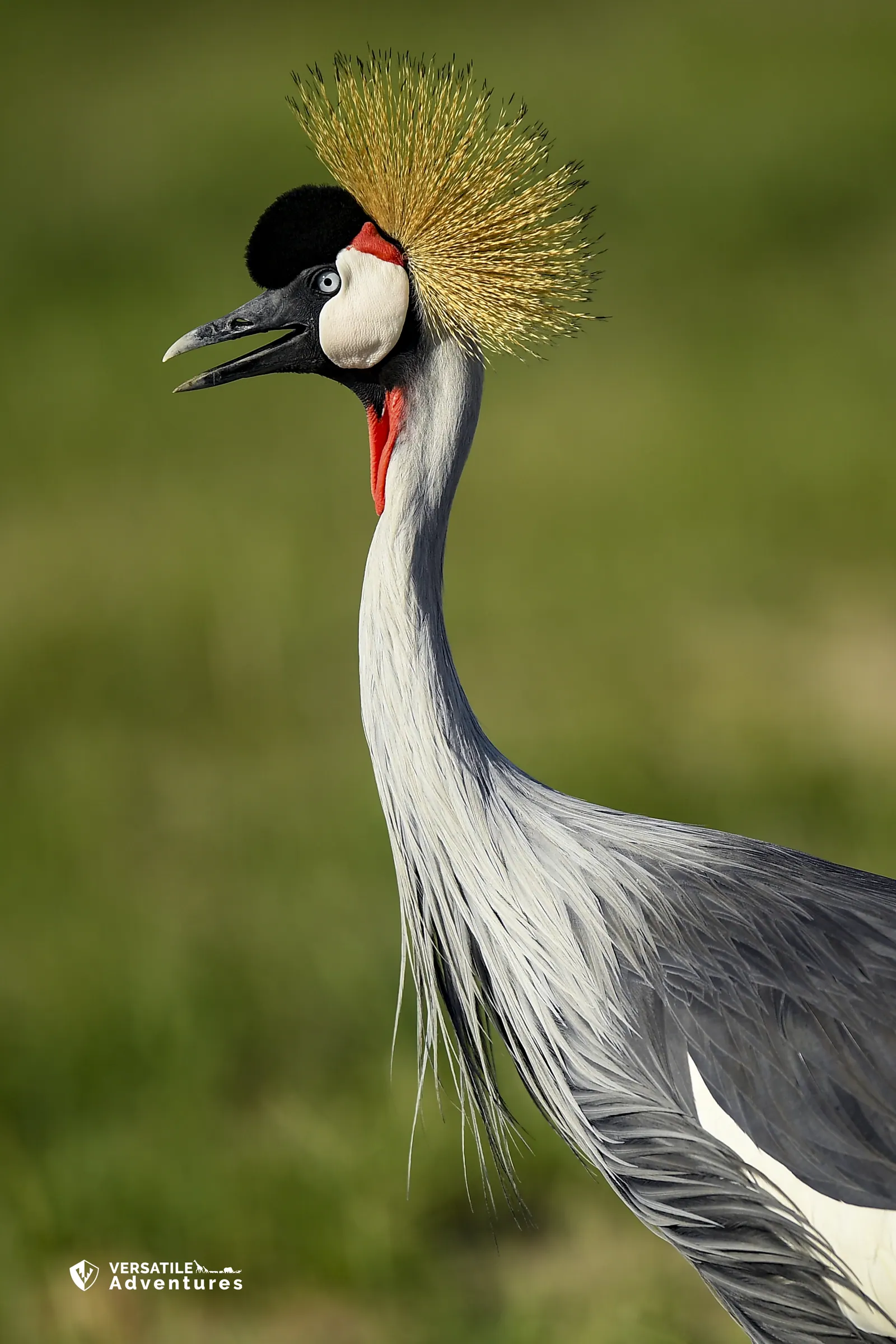
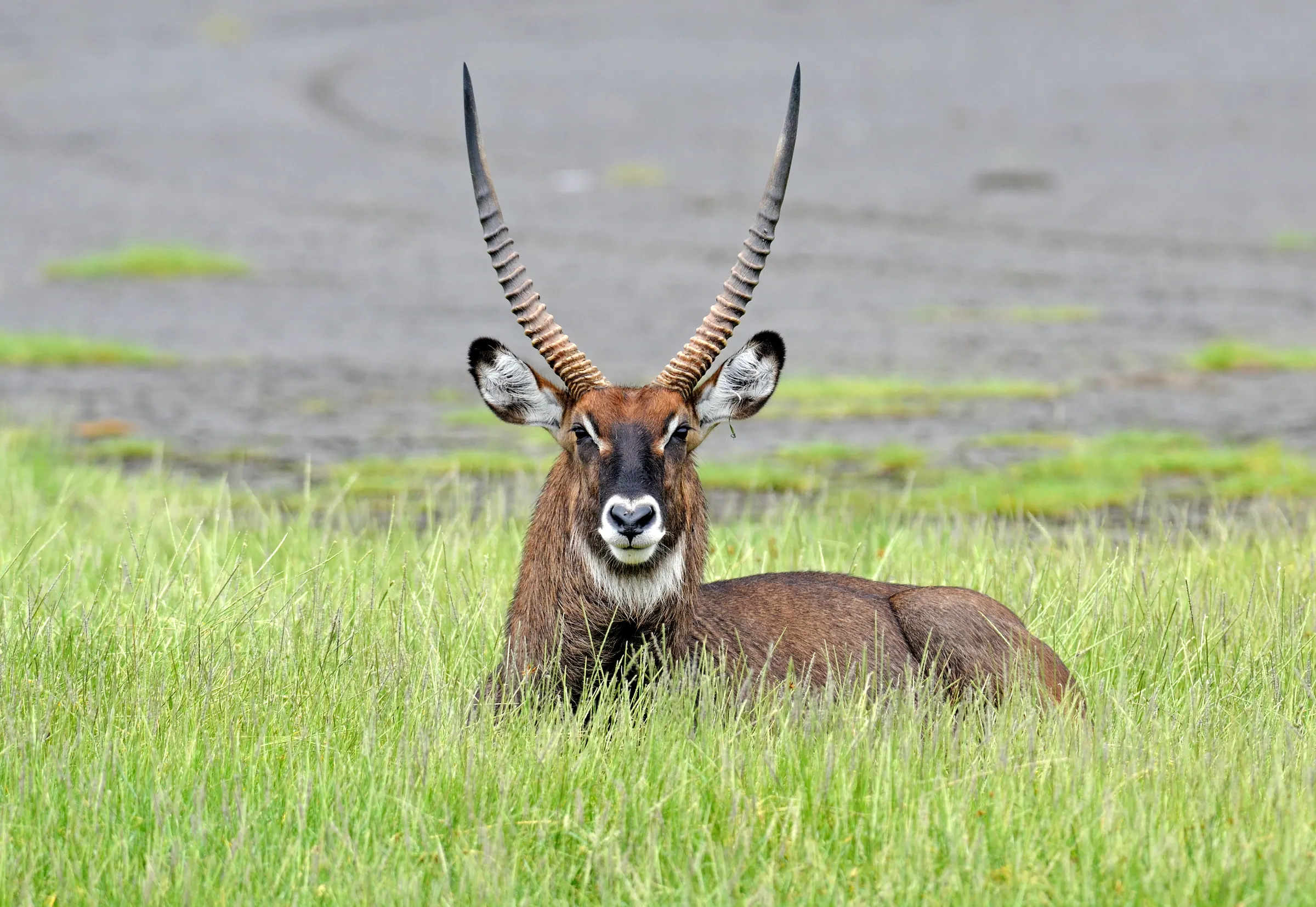
Saiwa Swamp National Park covers about 3 square kilometres of reed swamp and riverine forest, and you explore it on foot along boardwalks and up wooden viewing platforms. The star is the sitatunga, a semi-aquatic antelope with splayed hooves for walking on floating vegetation; early morning and late afternoon are the best times to see one. De Brazza's monkeys, colobus and grey crowned cranes live here too. A half day is enough. Our Saiwa Swamp page has the fees and walking routes.
Mount Elgon
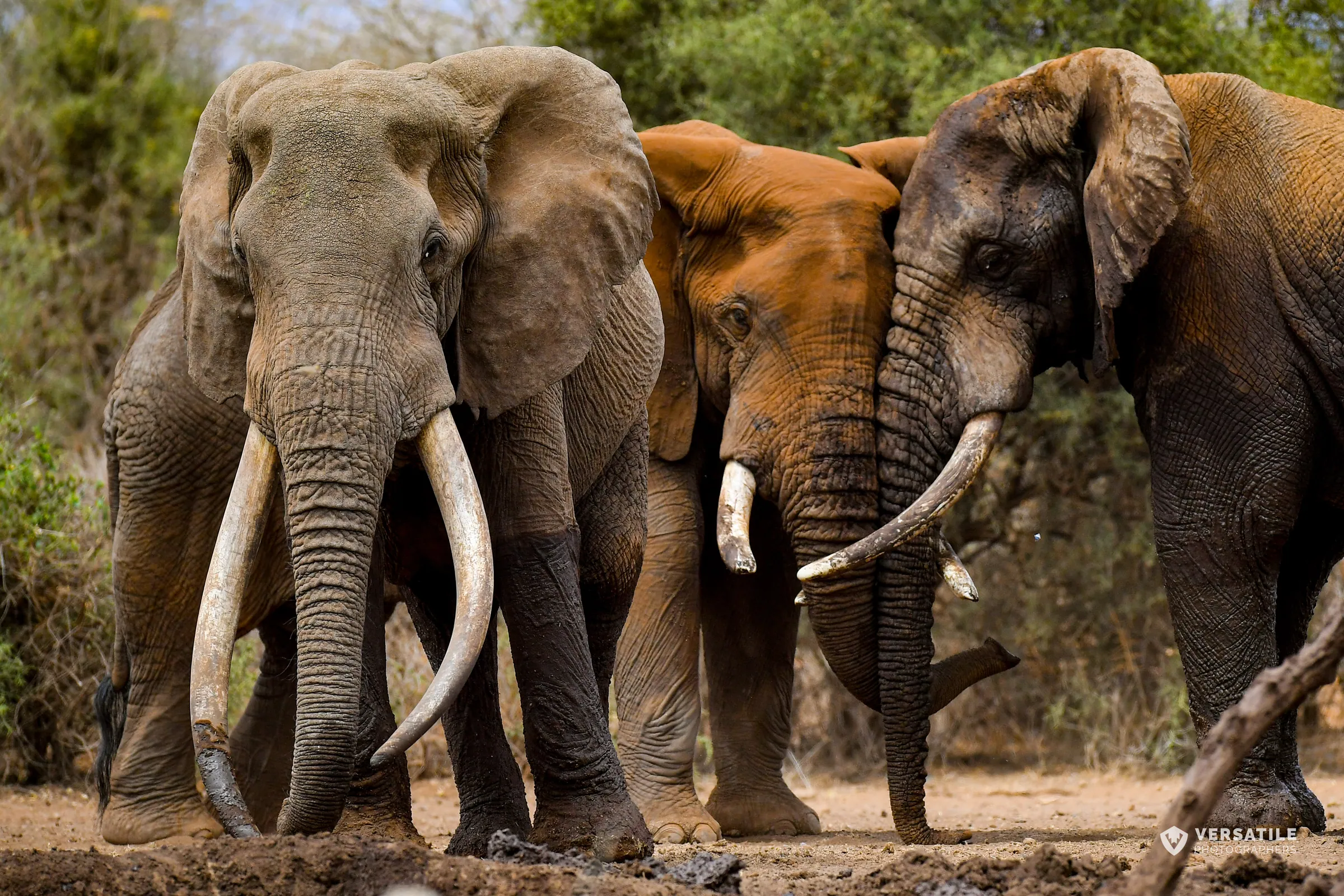
Mount Elgon is a huge extinct volcano shared with Uganda. Its highest point, Wagagai, at 4,321 m, is on the Ugandan side; Koitoboss, at about 4,155 m, is the high point on the Kenyan side. The park on the Kenyan slopes covers about 169 square kilometres of forest, bamboo and moorland. It is famous for its caves, above all Kitum, where elephants walk deep inside at night to scrape salt from the walls with their tusks; you visit by day with a ranger and may see their tusk marks. Kitum is home to bats; health authorities linked two rare virus cases to the cave in the 1980s, so follow the ranger's instructions, keep your distance from the bats and do not touch the walls. Makingeny and Chepnyalil caves and Endebess Bluff are other good walks. It is cool and often wet; the drier months, roughly December to February, are best. Our Mount Elgon page covers the hikes in detail.
The Cherangani Hills
East of Kitale, the Cherangani Hills are a high, forested range with farms on the lower slopes, home to the Sengwer and Marakwet communities, and some of the best hill walking in western Kenya. The range straddles Trans-Nzoia, Elgeyo-Marakwet and West Pokot, and walks with local guides start from any of the three.
North to Kapenguria and West Pokot
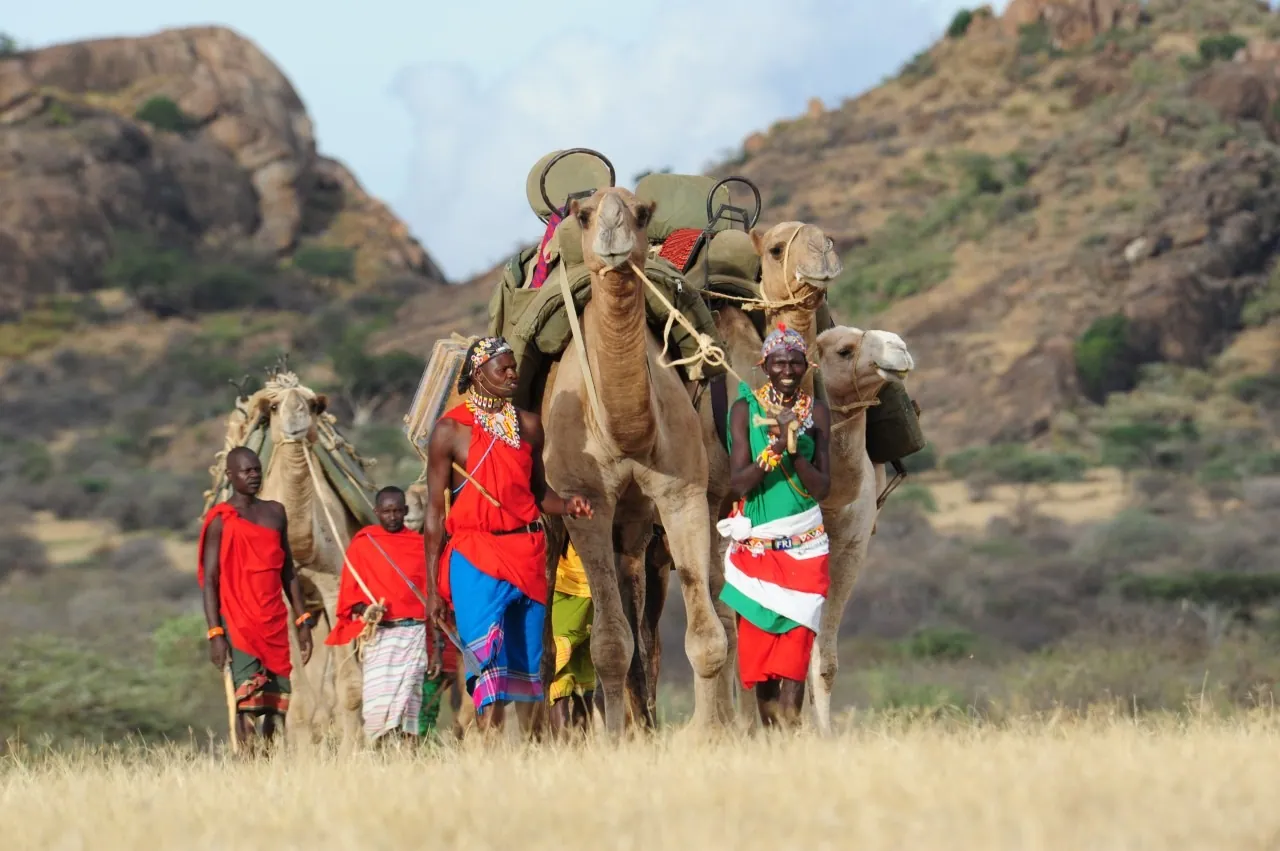
A short drive north of Kitale, the road climbs into West Pokot and its county town, Kapenguria, where Jomo Kenyatta and five other independence leaders, the Kapenguria Six, were tried in 1952 and 1953. The Kapenguria Museum, run by National Museums of Kenya, keeps the cells where they were held, a strong half day for anyone following the independence story from Kenyatta House in Maralal. Beyond Kapenguria the road drops through the Marich Pass to the hot Pokot lowlands, the country of Pokot herders, and runs on toward Lodwar in Turkana. Before you book, check the current U.S. State Department advisory for Kenya and confirm your travel insurance covers your route.
Where to eat and stay
Kitale has a handful of comfortable town hotels, older farm cottages and country guesthouses in the farmland around it, and simple guesthouses near the Mount Elgon gate. KWS has basic accommodation and campsites in and near the parks; check availability before you go. Eat local: ugali made from Trans-Nzoia's own maize, fresh milk from the dairy farms, chicken and greens cooked the western way, and plenty of tea.
How long to stay, and how it fits a trip
Two nights covers Saiwa Swamp and a day on Mount Elgon; three gives you the museum and a hill walk too. Kitale fits a western Kenya circuit: Eldoret and Iten for the running, Kitale for Elgon and Saiwa, Kakamega for the rainforest and Kisumu for Lake Victoria. Fly into Eldoret and out of Kisumu to avoid driving back on yourself.
Why plan with us: Kenya Experience is Kenyan-led, with two U.S. companies behind it and Kenyan guides on the ground. You can pay in full or monthly with no deposit, and a specialist replies within two business days.