Towns and places. Updated November 2026. 4 min read.
Kakamega is a busy Luhya market town with a rainforest on its doorstep, a crying stone on the road south and, on weekends in the villages around it, two bulls locked horn to horn in front of a roaring crowd.
Most visitors come for Kakamega Forest, Kenya's only tropical rainforest, and the town is how you reach it: the place to stay, eat and find a guide. But the town and the country around it are worth time of their own, for the bullfighting tradition of the Isukha and Idakho, for Luhya food and hospitality, and for a western Kenya that few safari travelers see. Our Kakamega Forest page covers the forest itself, its sections, trails and fees; this page covers the town and the culture around it. The Kakamega County page has the county data.
Getting there
| From | How | Time |
|---|---|---|
| Nairobi | Fly to Kisumu, then road north | About 1 hour flying, then 1 to 1.5 hours |
| Nairobi | Road via Nakuru and Kisumu or Kapsabet | About 7 hours |
| Kisumu | Road north | About 1 to 1.5 hours |
| Eldoret | Road west | About 2 hours |
| Isecheno, Kakamega Forest | Road south-east via Shinyalu | About 30 to 45 minutes |
| Buyangu, Kakamega Forest | Road north-east | About 30 minutes |
The forest, in brief
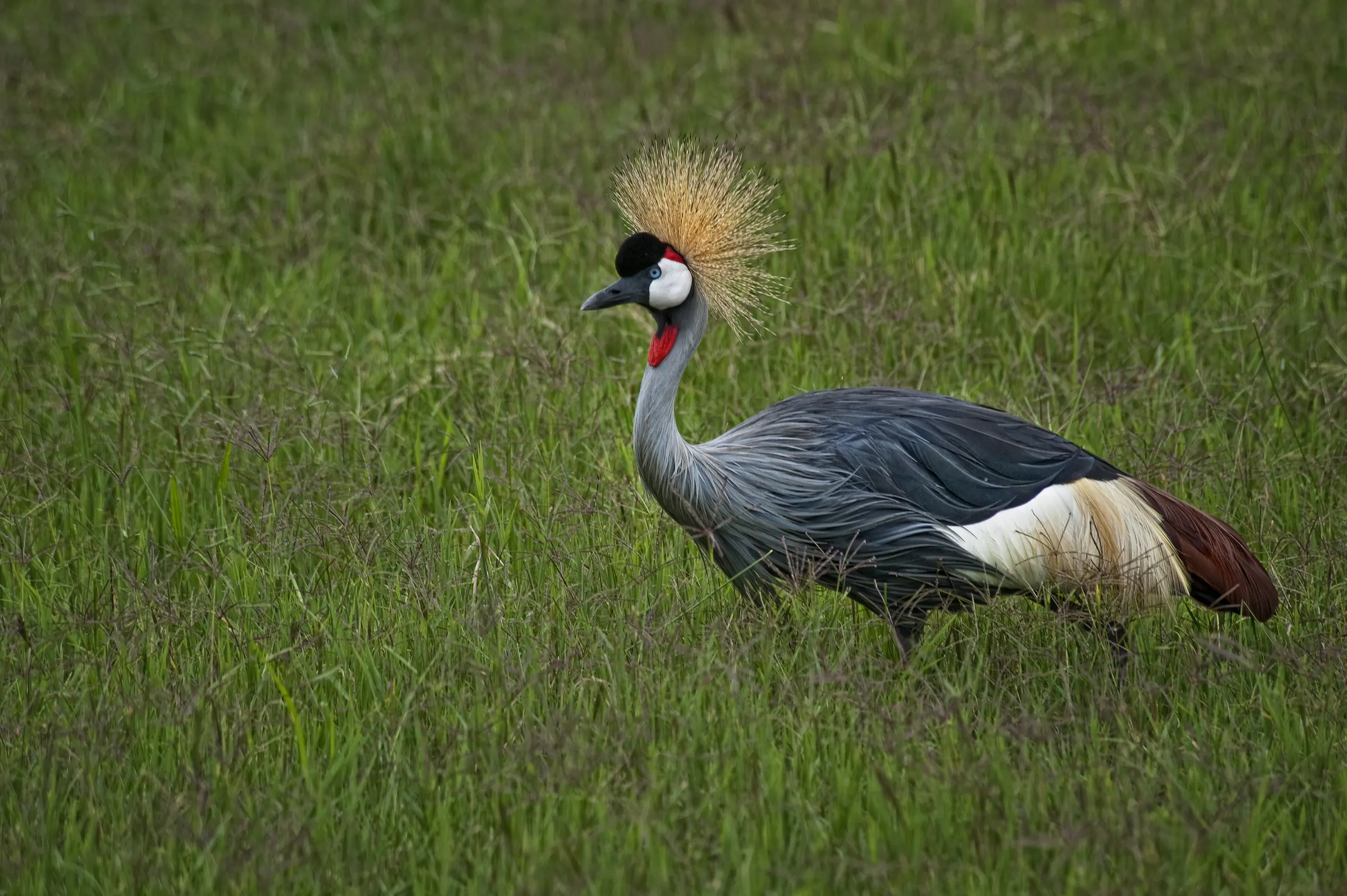
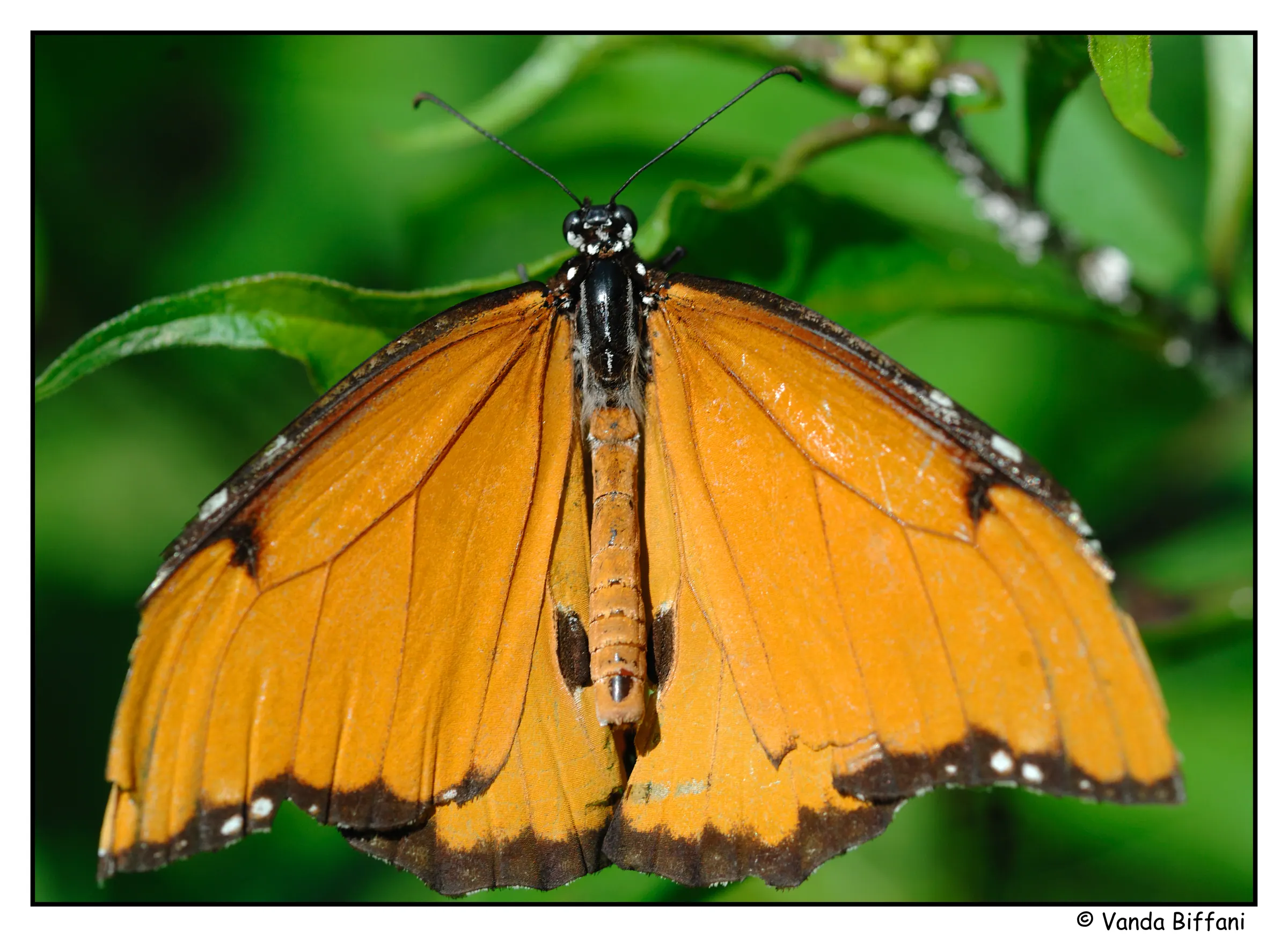
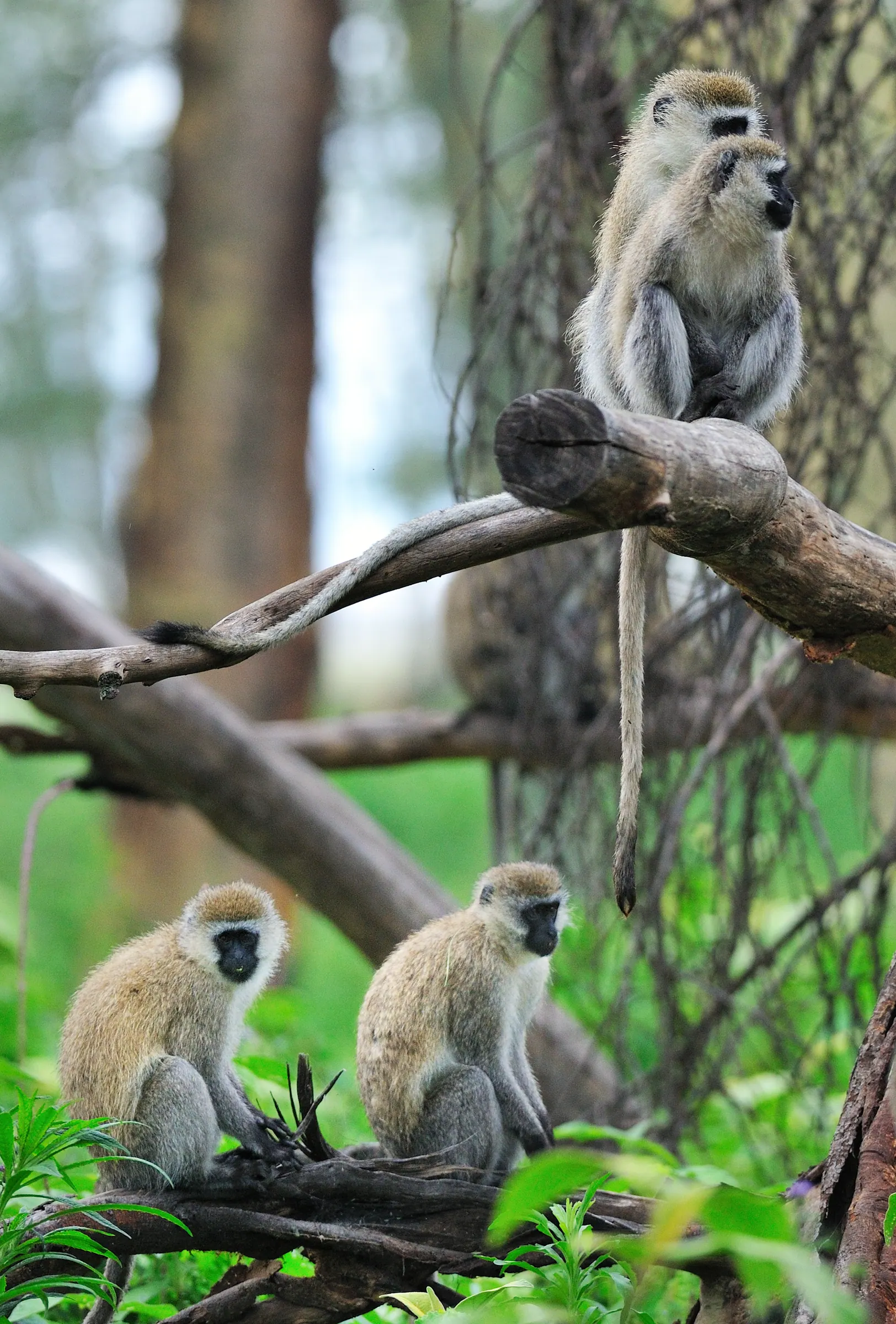
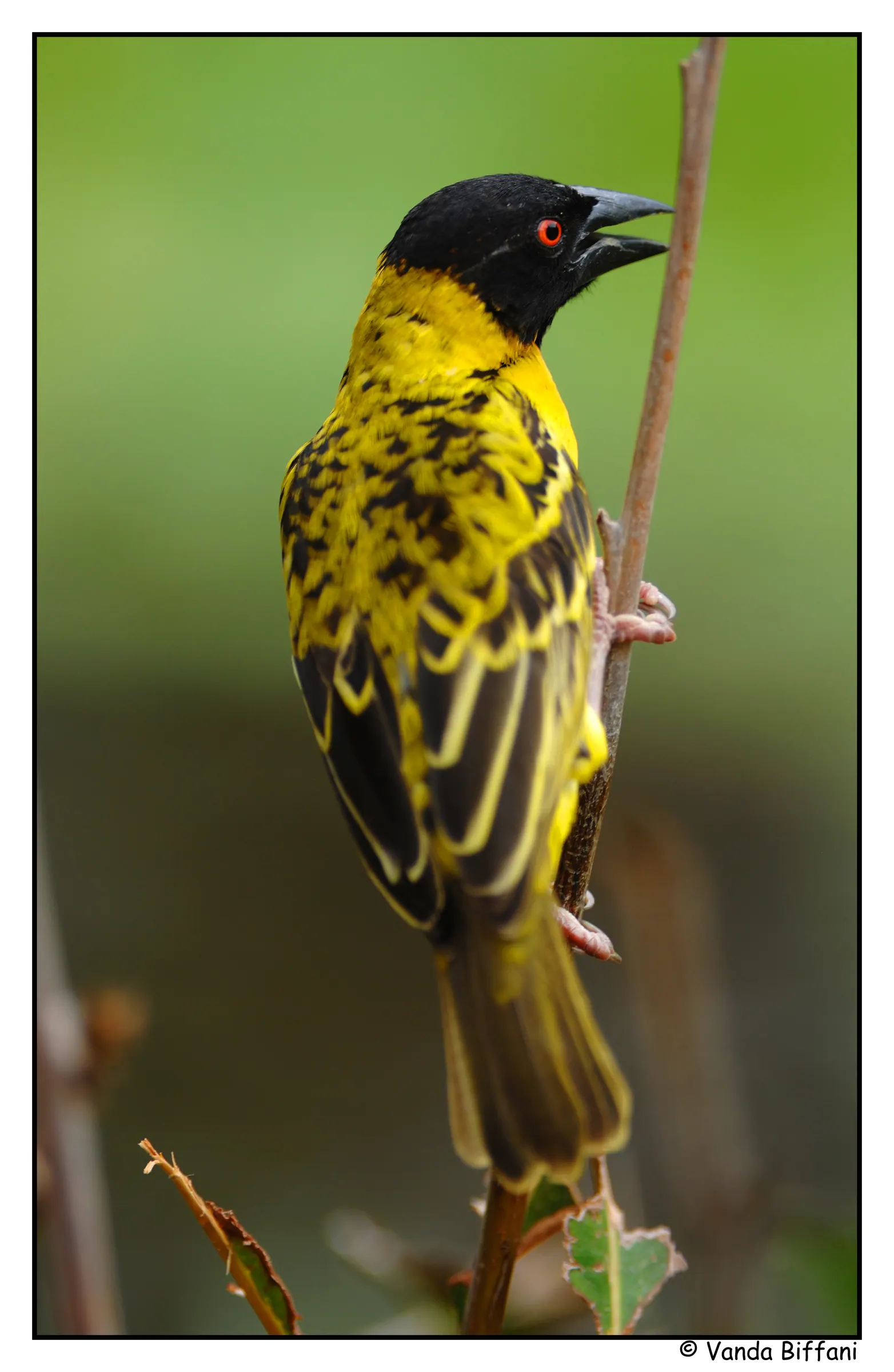
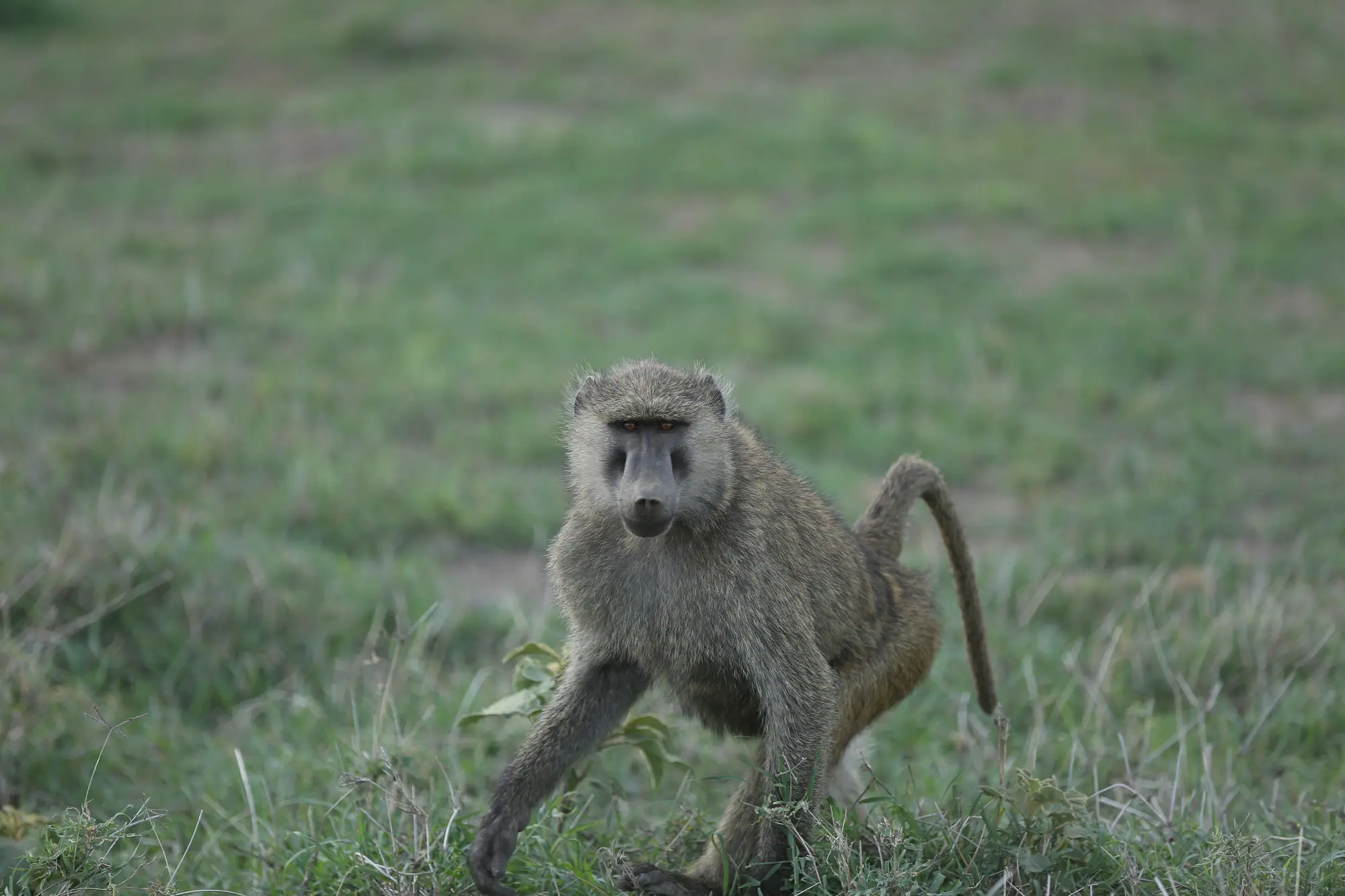
Kakamega Forest is the eastern tip of the rainforest belt that once stretched across Central Africa, with about 240 square kilometres left. It is home to blue and red-tailed monkeys, black-and-white colobus, hundreds of butterfly species and more than 300 kinds of birds, many found nowhere else in Kenya. The southern Isecheno section is managed by the Kenya Forest Service, with community guides from KEEP; the northern Buyangu section is a national reserve run by Kenya Wildlife Service. Walk the Lirhanda Hill trail for sunrise above the canopy, or Buyangu Hill. The forest page and our Kakamega trails guide have the detail.
The bullfights
Bullfighting here is bull against bull, not man against bull. Among the Isukha and Idakho, families and clans raise fighting bulls, feed them well, sing to them and lead them to the ground with drums, whistles and a crowd of supporters. The two bulls lock horns and push until one turns and runs, and the winner's side celebrates through the village. Contests are often held on weekends, at grounds such as Malinya Stadium in Ikolomani and at village fields, and around funerals and holidays; dates are local and informal, so ask us to check. Stand well back when a beaten bull bolts, because the crowd scatters fast. The bulls are rarely badly hurt, but some visitors find the contest hard to watch; it is your choice.
More to see around town
- The Crying Stone of Ilesi: a tall rock column on the Kisumu road south of town, topped by a boulder like a head, once known for water running down its face like tears. Local stories about it vary; ask your guide for the one they grew up with.
- Nabongo Cultural Centre, Matungu: the story of the Wanga Kingdom and its Nabongo kings, toward Mumias, a good half-day for history lovers.
- Gold country: the hills south of Kakamega saw a gold rush in the early 1930s, and small-scale miners still work there.
- Ilesi pottery and local markets: traditional earthenware and western Kenya's produce, from bananas to groundnuts.
Luhya food
Eat with your hands and with pleasure. The dish of honour is ingokho, chicken, served to guests and the subject of endless Kenyan jokes about how much the Luhya love it. It comes with obusuma, the stiff maize porridge known elsewhere as ugali, and with traditional greens such as tsisaka, mrenda and lisebebe, cooked slowly, sometimes with milk or cream. Our Luhya food page explains the dishes and where to try them.
Where to eat and stay
In town, Kakamega has business hotels and guesthouses used by visitors to the county offices and to Masinde Muliro University, and plenty of local restaurants for chicken, fish from Lake Victoria and chapati. Most forest visitors prefer to sleep in or beside the forest: Rondo Retreat near Isecheno is a guesthouse in an old timber-family home, and the KEEP bandas and KWS accommodation at Buyangu are simple and close to the trails. Book ahead in the drier months, and pack a rain jacket in any month.
How long to stay, and how it fits a trip
Two nights gives you a dawn forest walk, a guided day in the forest and an afternoon in town or at a bullfight if one is on. Kakamega fits a western Kenya circuit with Kisumu and Lake Victoria, the tea country of Kericho, and Eldoret and Kitale to the north. For Kenyans in the U.S. with Luhya roots, it is home country, and we build trips around family visits and the food that goes with them.
Why plan with us: Kenya Experience is Kenyan-led, with two U.S. companies behind it and Kenyan guides on the ground. You can pay in full or monthly with no deposit, and a specialist replies within two business days.