Food and drink. Updated November 2026. 4 min read.
There is a running joke in Kenya that when a Luhya family hears a guest is coming, the chickens in the yard start to worry. The joke is affectionate, and it is true: ingokho, chicken, is the dish of honor in a Luhya home, cooked slowly for the visitor who matters most and served with a hot mound of obusuma. If you are invited to a Luhya table, you will almost certainly eat chicken, and you should take it as the compliment it is.
The Luhya are a federation of 17 or 18 related peoples in Kakamega, Bungoma, Vihiga, Busia and Trans Nzoia, and their dialects differ, so the food words here vary from one sub-group to the next. The plate is shared, though: chicken, ugali, a garden of traditional greens and, in season, termites. For Luhya history, the Wanga kingdom and the isukuti dance, read our Luhya page. This page is about what is cooked.
The dishes that define the table
Ingokho means a kienyeji chicken, the free-range bird that scratches around the homestead. It is tougher and much tastier than a broiler, and it is cooked accordingly: cut up, simmered for an hour or more with onion, tomato and salt until the meat falls from the bone, sometimes fried first for color. In many homes particular pieces are kept for particular people, and the gizzard in particular goes to the head of the household or the most honored guest. Do not reach for it first.
Obusuma is ugali. The Luhya version is often made with a blend of maize and millet or cassava flour, which makes it grey-brown and filling. Obusuma is eaten with chicken, with greens, with fish from the lake on the Busia side, and very often simply with a cup of sour milk, maziwa lala, a combination that older Luhya speak of with real feeling.
The third pillar is the greens, called traditional or indigenous vegetables in Kenyan markets. Lisutsa is African nightshade, cooked long and softened with milk. Murere or murenda is jute mallow, slippery and good for helping obusuma down. Tsisaka and lisebebe are other leaves gathered or grown in the kitchen garden, and every family has its own mix. They are cooked together or separately, usually with onion, sometimes with cream, and never in a hurry.
The seasonal treat: tsiswa
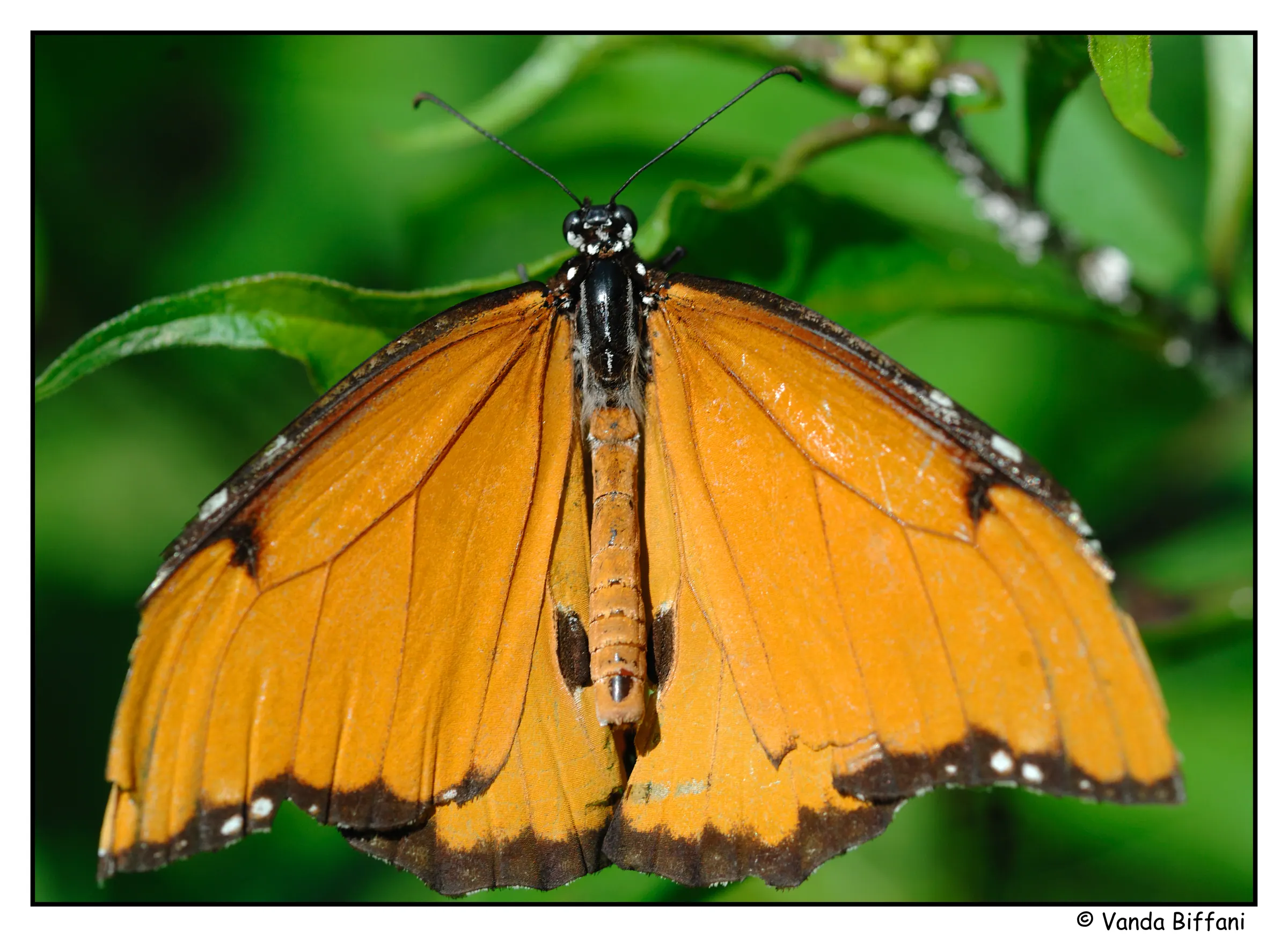
When the rains come, flying termites swarm out of the mounds at dusk, and families go out with lamps and basins to catch them. Tsiswa are eaten fried, roasted, or for the brave, fresh. They are nutty and rich, and in Kakamega and Vihiga markets you can buy them by the cup in season. In Kiswahili they are kumbikumbi. Try them once; your hosts will be delighted.
Ceremony food
- Bullfighting days: in Isukha and Idakho country around Kakamega, bull contests on village grounds draw big crowds, and the day ends with chicken, ugali and busaa for the winners' supporters
- Circumcision season: among the Bukusu of Bungoma, the circumcision ceremonies are usually held in August of even-numbered years, with feasting, dancing and many chickens
- Busaa: a thick millet and maize beer drunk with long straws from a shared pot, at gatherings and ceremonies. Drink only where it is served legally and in moderation
- Weddings and homecomings: chicken in quantity, beef, rice, chapati and obusuma
- Christmas: the month when the diaspora comes home to western Kenya, and the cultural festivals in Vihiga and Busia fill the roads
Words for the table
| English | Kiswahili | Luhya (common forms) |
|---|---|---|
| Chicken | Kuku | Ingokho |
| Ugali | Ugali | Obusuma |
| African nightshade | Managu | Lisutsa |
| Jute mallow | Mrenda | Murere or murenda |
| Flying termites | Kumbikumbi | Tsiswa |
| Peace, the greeting | Amani | Mulembe |
Where to eat Luhya food
Kakamega town is the natural base, with Kakamega Forest, Kenya's last fragment of Guineo-Congolian rainforest, a short drive away for birds, butterflies and colobus monkeys. Local hotels and hoteli in town serve kienyeji chicken and obusuma at lunch, though the free-range bird usually needs to be ordered ahead because it takes so long to cook. Bungoma and Webuye on the road to Mount Elgon, the market at Luanda in Vihiga, and Busia on the Uganda border, where fish joins the table, are all good for a local lunch.
In Nairobi, look for restaurants that advertise kienyeji chicken and traditional vegetables, and expect to wait: the good ones cook it to order. If you are visiting family in western Kenya, the meal will find you. If you are not, we can build a home lunch with a Luhya family into a Kakamega Forest trip.

How the plate is changing
Broiler chickens and white maize ugali have become everyday city food, and kienyeji chicken is now a premium order that costs several times more. The greens have gone the other way: once seen as poor people's food, lisutsa and murere are sold in Nairobi supermarkets and promoted by Kenyan nutrition researchers as rich in iron and vitamins. Busaa is brewed less as towns grow and licensing tightens.
A home recipe: ingokho, kienyeji chicken stew
- 1 free-range or stewing chicken, about 1.5 kg (3 pounds), cut into pieces; a pasture-raised bird from a farmers market is closest
- 2 onions, sliced, and 3 tomatoes, chopped
- 2 tablespoons oil, salt, and optionally a teaspoon of curry powder or a crushed clove of garlic
- A handful of coriander to finish
- Put the chicken in a heavy pot with a cup of water and a teaspoon of salt. Cover and simmer gently for 45 minutes to an hour, until tender. A free-range bird may need longer
- Lift the lid, let the water cook off, then add the oil and fry the pieces in the same pot until golden
- Add the onions and cook until soft, then the tomatoes and any spice. Simmer 10 minutes to a thick sauce, adding a splash of water if needed
- Finish with coriander. Serve with ugali and greens cooked with milk