Food and drink. Updated November 2026. 5 min read.
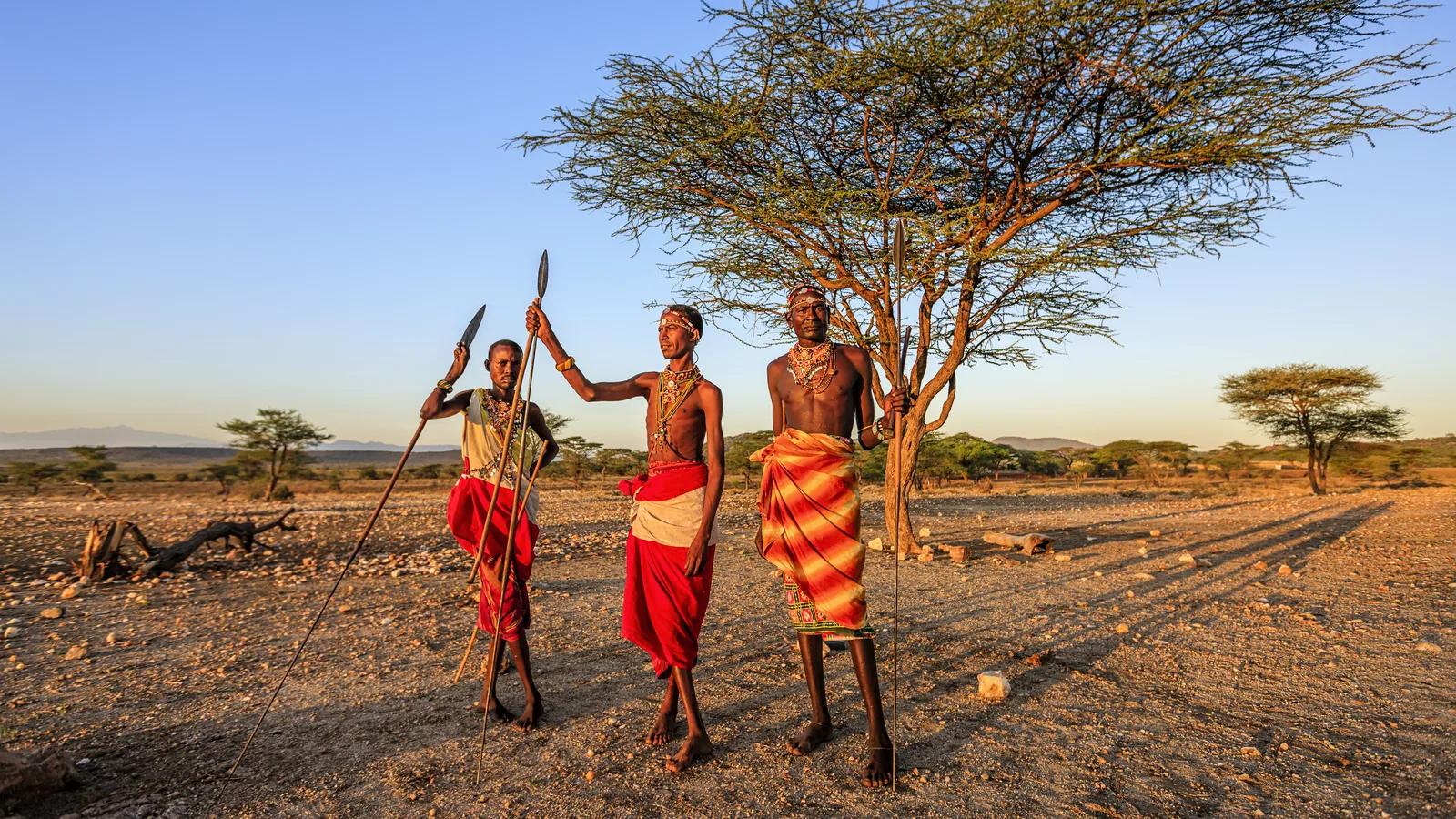
The traditional Maasai diet is famous for what it leaves out. For generations the Maasai of Kajiado and Narok lived on what the herd gave them: milk above all, meat on occasions, and on ritual days a little blood drawn from a living cow and mixed with milk. Crops, fish and wild game were not part of it. That diet is the root of a whole culture of respect for cattle, and it is also, today, mostly history.
A Maasai family now eats much like a rural Kenyan family anywhere: ugali, beans, rice, greens, potatoes and very milky, very sweet tea, with goat and beef for celebrations and milk still at the center of the day. This page explains both the traditions and the present, and how a visitor should approach them. For Maasai history, age-sets and society, read our Maasai people page.
Milk: the center of everything
Kule, milk, is the Maasai staple, and cows are milked by women in the morning and evening. Milk is kept in gourds that are cleaned and smoked with the embers of chosen woods, which gives it a faint smoky taste and helps it keep. Fresh milk is drunk by children and given to guests; fermented milk is thicker, sour and keeps longer. Traditionally, milk and meat were not eaten on the same day, a rule many elders still describe even where it is no longer kept.
Meat and the olpul
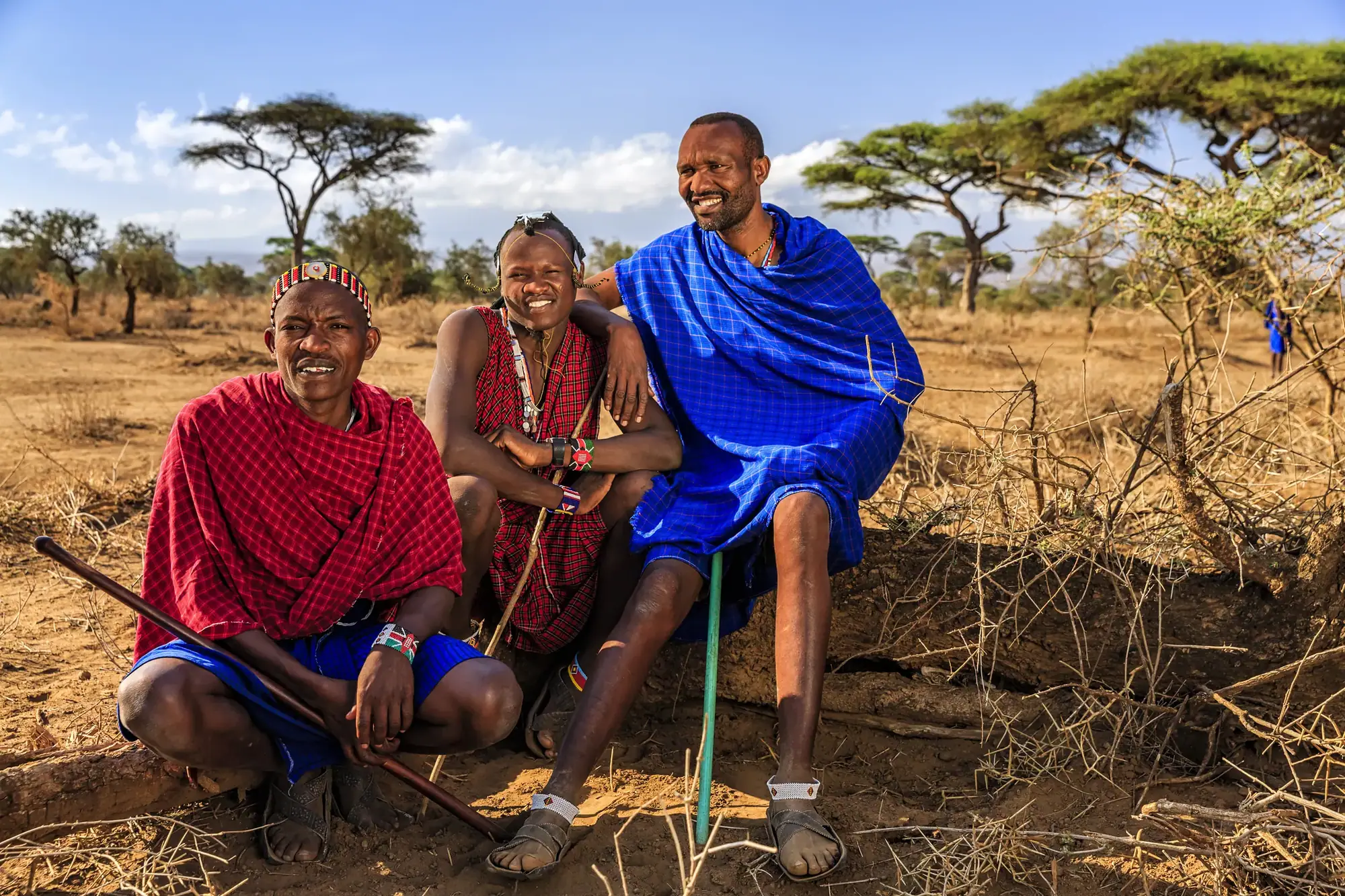
Inkiri, meat, is not everyday food in a herding economy, because animals are wealth. Goats and sheep are slaughtered for guests, ceremonies and medicine, and cattle for the biggest occasions. The olpul is a meat camp held away from the homestead, often in the bush or near a forest, where groups of young men or elders slaughter animals and eat for days, with soups boiled from barks and roots that are believed to strengthen the body. Historically ilmurran, the warriors, did not eat meat in the sight of women, one reason the olpul was held apart.
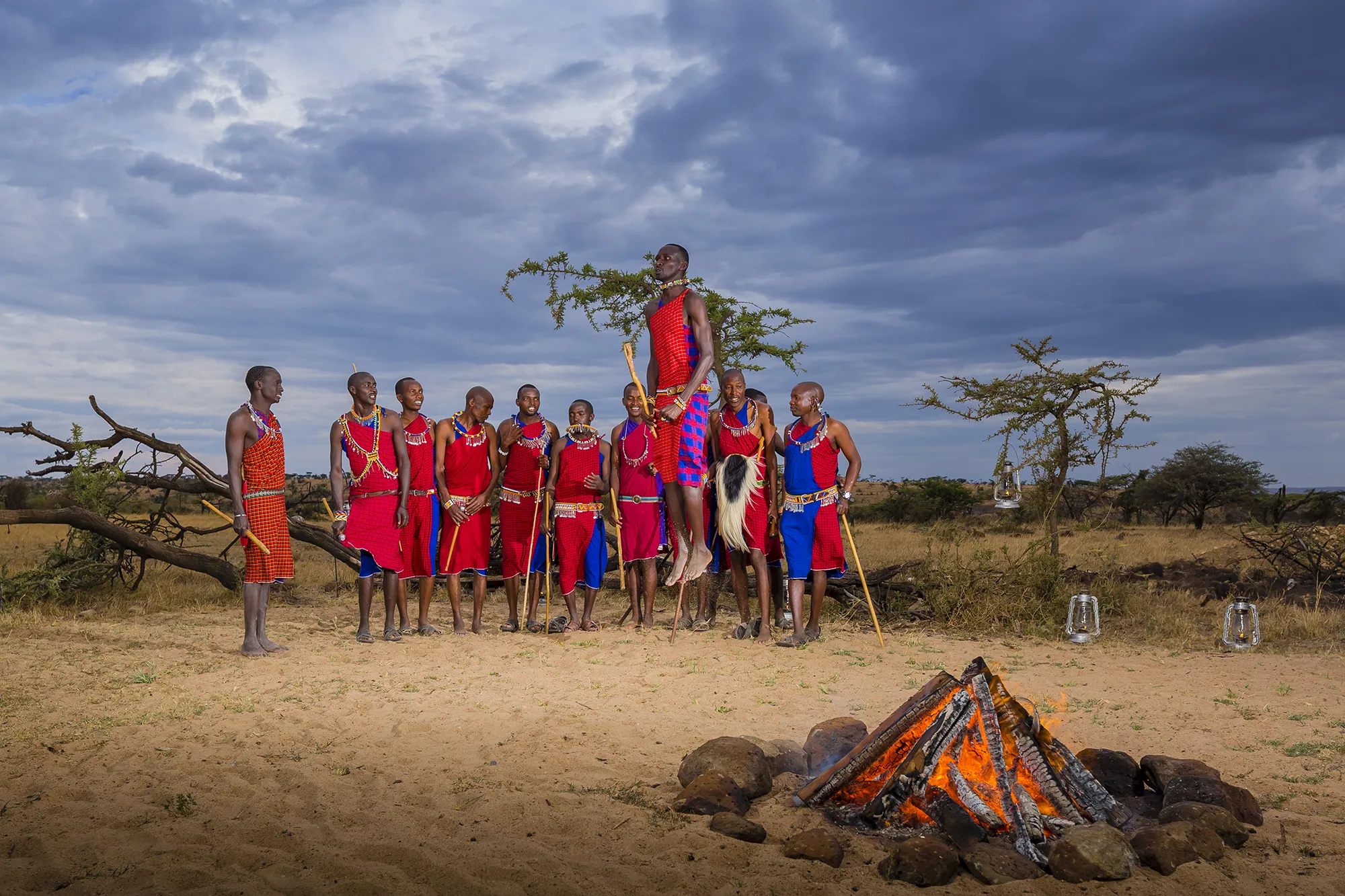
At ceremonies such as the eunoto, when warriors pass into elderhood, and at weddings, oxen and goats are roasted and the meat is shared out by age, sex and role. Specific pieces belong to specific people. As a guest you will be handed your portion; take it, and do not ask for a different cut.
Blood, and the no-wild-game rule
Blood, osarge, is drawn from the neck of a living animal with a small arrow, which is then sealed so the animal recovers. It is drunk fresh or mixed with milk, traditionally by the sick, by women after childbirth, by circumcised youths and by warriors, and on ritual occasions. It is not a daily drink, and most Maasai today rarely drink it.
Traditionally the Maasai did not hunt wild animals for food. Wealth and diet came from cattle, and game was left alone, with rare exceptions remembered in some areas. That restraint is one reason the plains of Kajiado and Narok still hold so much wildlife, and why so many of Kenya's best conservancies are on Maasai land, paying landowners to keep it open for animals.
Today's table
Drought, land division and schooling have changed the Maasai diet as much as anyone's. Most families now grow or buy maize, beans and vegetables, and ugali with milk or a stew is the ordinary meal. Chai is made with far more milk than water and a lot of sugar. Goat soup and roast goat are the hospitality foods. In the towns of Kajiado and Narok, the roadside nyama choma joints, many run by Maasai families, sell some of the best goat in Kenya.
What a cultural visit should and should not stage
- Do accept tea or milk if your hosts offer it. It is the core gesture of Maasai hospitality
- Do ask before you photograph people eating, milking or slaughtering
- Do not ask to see blood drawn or an animal slaughtered as a show. A genuine ceremony is not a performance, and an animal killed for tourists is a family's wealth spent for a photo
- Do not expect a traditional milk-meat-blood meal; your hosts eat ugali and tea like most Kenyans
- Do choose visits where the community runs the program and the fee goes to the village, such as those linked to the Mara conservancies
- Do buy beadwork directly from the women who make it, at the price they ask
Words for the table
| English | Kiswahili | Maa |
|---|---|---|
| Milk | Maziwa | Kule |
| Meat | Nyama | Inkiri |
| Blood | Damu | Osarge |
| Cattle | Ng'ombe | Inkishu |
| Tea | Chai | Chai |
| Thank you | Asante | Ashe oleng |
| Hello (to a man) | Habari | Sopa |
Where to eat with the Maasai
Most visitors share food with Maasai hosts in three ways. On a Mara safari, many conservancy camps employ Maasai guides and staff, and a bush breakfast or a visit to a guide's home village brings tea, milk and sometimes roast goat. On a community-run village visit, tea is the usual offering. And on the road, Kajiado and Narok towns, Kitengela, Kiserian and the Magadi road have nyama choma places where you choose your goat and wait while it roasts. Namanga, on the Tanzania border, is a common lunch stop on the way to Amboseli.
A home recipe: Maasai-style milk tea
The one Maasai food most visitors actually share is chai, and it is made with almost all milk. This is how many Maasai homes make it.
- 3 cups whole milk and half a cup of water
- 2 heaped teaspoons loose Kenyan black tea, or 3 tea bags
- 3 to 4 teaspoons sugar, to taste; Maasai tea is sweet
- Optional: a slice of fresh ginger
- Bring the water to a boil with the tea leaves and ginger, and boil for 1 minute
- Pour in the milk and sugar and bring it up slowly, stirring, until it rises in the pan
- Lower the heat and let it simmer 2 to 3 minutes, until it is a deep caramel color
- Strain into mugs and serve hot, with a plate of roasted maize or bread