Culture. Updated November 2026. 7 min read.
The best portrait you take in Kenya will probably start with a question in Kiswahili: 'Naweza kukupiga picha?' Can I take your photo? Ask it with a smile and most people say yes, often with a pose, a laugh and a request to see the result. Skip the question and raise a long lens from the vehicle, and you have taken something rather than been given it. The person in the frame knows the difference.
So, the short answer. Ask first, every time, in words or with a raised camera and raised eyebrows if you share no language, and accept a no without argument. Pay what is agreed at cultural villages and for posed portraits, and nothing to children. Never photograph inside someone's home without consent. And send the photo back. The legal rules, on drones, police, soldiers, government buildings and airports, are on our drones and photography rules page. This page is the human side: how to ask, when money is fair, and what our guides do.
How to ask, in Kiswahili
| Kiswahili | Say it | Meaning |
|---|---|---|
| Naweza kukupiga picha? | nah-WEH-zah koo-koo-PEE-gah PEE-chah | Can I take your photo? |
| Naweza kuwapiga picha? | nah-WEH-zah koo-wah-PEE-gah PEE-chah | Can I take a photo of you all? |
| Naweza kupiga picha hapa? | nah-WEH-zah koo-PEE-gah PEE-chah HAH-pah | Can I take photos here? |
| Picha moja tu | PEE-chah MOH-jah too | Just one photo |
| Angalia | ahn-gah-LEE-ah | Look (as you turn the screen around) |
| Nitakutumia kwa WhatsApp | nee-tah-koo-too-MEE-ah kwah WhatsApp | I'll send it to you on WhatsApp |
| Asante sana | ah-SAHN-teh SAH-nah | Thank you very much |
| Hapana, or Sitaki | hah-PAH-nah, see-TAH-kee | No, or I don't want to (what you may hear back) |
English works almost everywhere in Kenya, so the Kiswahili is not really about being understood. It is about showing that you thought the person worth asking properly, and it nearly always gets a smile. For greetings to open with, see how to say hello in Kenya.
When to pay, and when not to
Money and photos is the question visitors worry about most. Our rule of thumb: pay when the photo is part of an arrangement, and do not pay when it is not.
| Situation | Ask? | Pay? | What we suggest |
|---|---|---|---|
| Maasai or Samburu cultural village visit | Yes, though photos are usually part of the visit | The visit fee, agreed before you arrive | Confirm photos are included; buy beadwork from the women who made it if you want to give more |
| Warriors or women in full dress at a roadside photo stop | Yes | Yes, a price agreed first | It is a living. Agree the amount and the number of photos, then pay afterward |
| A trader at a market stall | Yes | No, but buy something | A purchase and a thank-you is the fair exchange |
| A herder or a woman at a water point, seen from the vehicle | Yes, by gesture, or skip it | No | If they turn away or cover their face, lower the camera |
| Children in a village or a school | Ask a parent or teacher | Never pay the child | Show them the screen instead |
| Your guide, cook or camp staff | Yes | No | Send them the photos; they rarely have good ones of themselves at work |
| Dancers at a lodge performance | Usually fine during the show | Give to the community box if there is one | Ask before close-up portraits afterward |
| Muslim women in Lamu or Mombasa Old Town | Ask, and expect a no | No | Photograph the doors, dhows and streets instead |
Agreeing a price before the photo is not crass; it is how it works, and it protects both sides. Agree the number of photos too, so that ten frames for the price of one does not turn into an argument. Pay in shillings, in small notes, and hand the money over with your right hand.
Children
Kenyan children are often thrilled by a camera, and village children may crowd round asking to be photographed. Ask a parent, a teacher or another adult nearby first. Never pay children for photos or hand out sweets in return: it teaches them that a camera means money and pulls them away from school. Show them the screen instead, which is almost always the payment they wanted. On school visits, follow the head teacher's rules on photos and on posting online. And think twice before posting a recognizable child's face with the name of the village, which is a good rule anywhere in the world.
Maasai and Samburu portraits
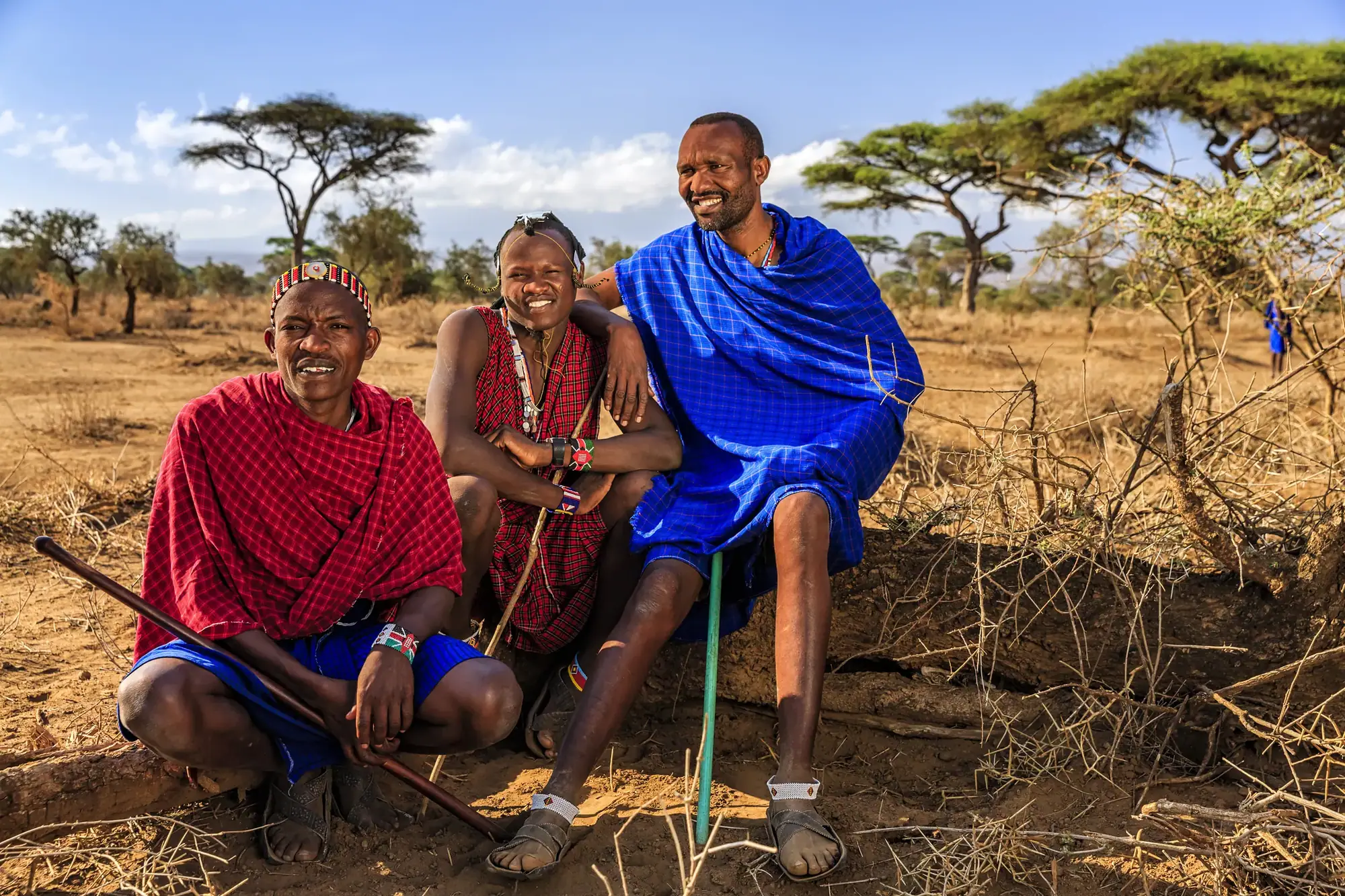
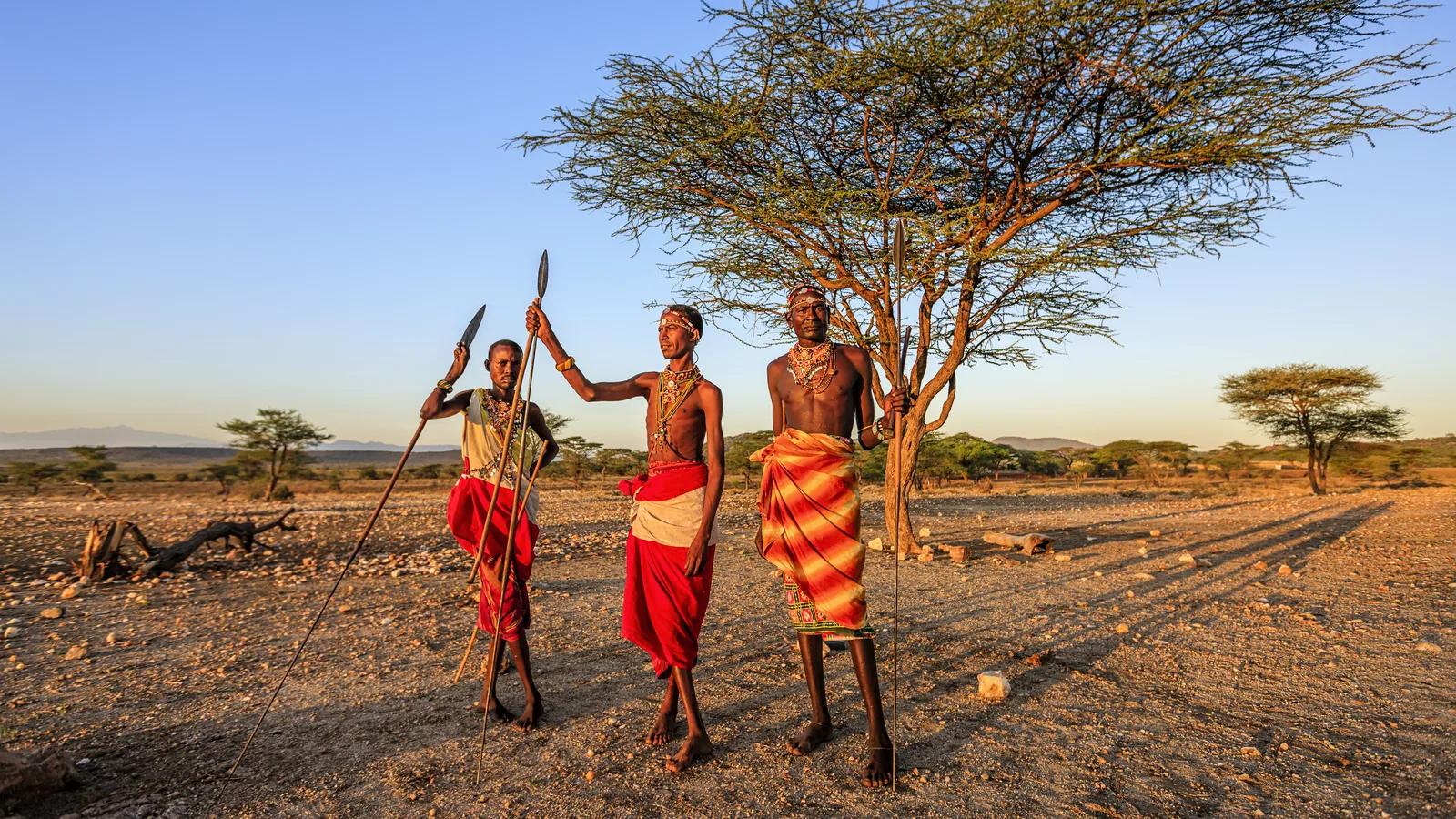
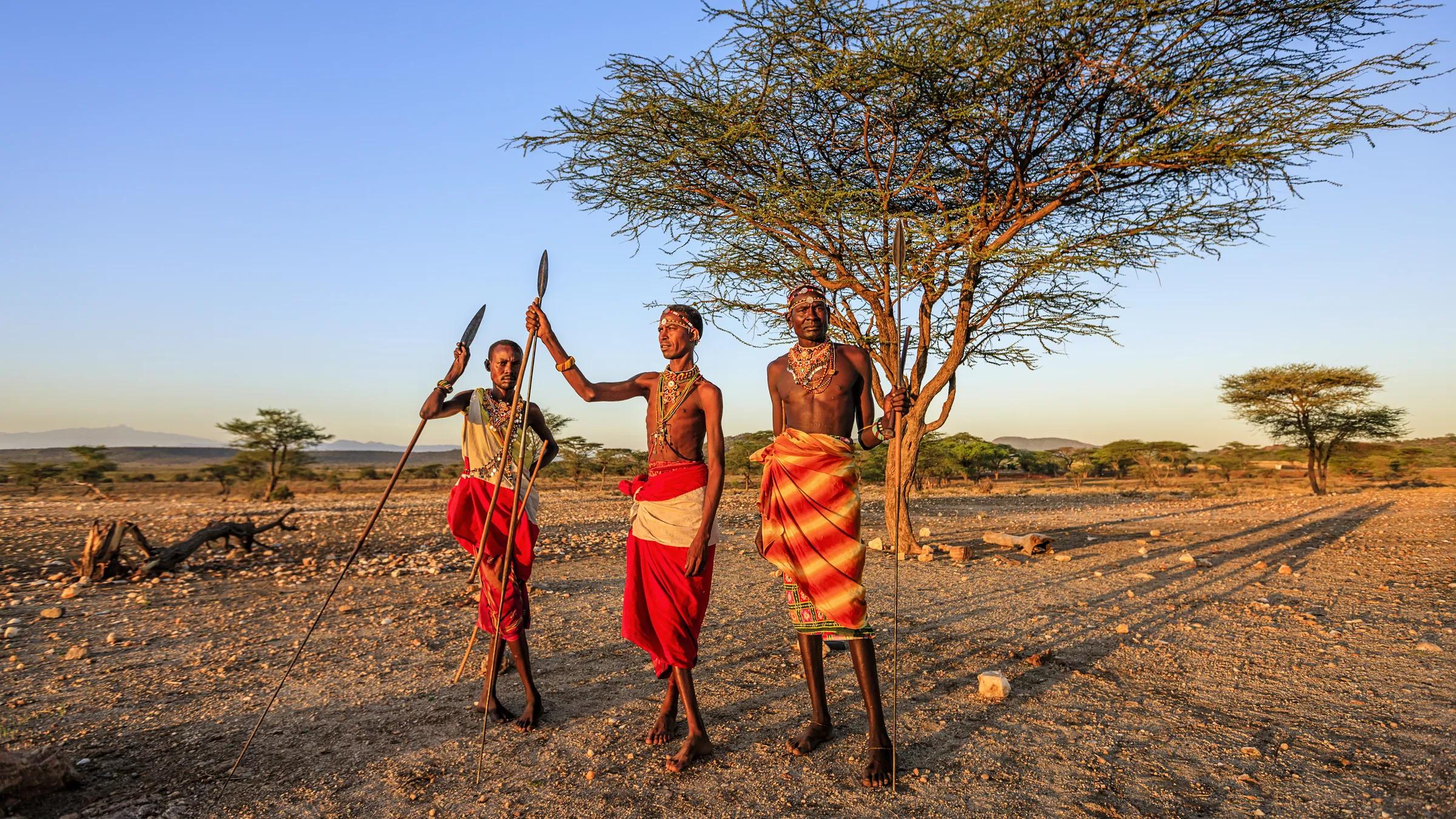
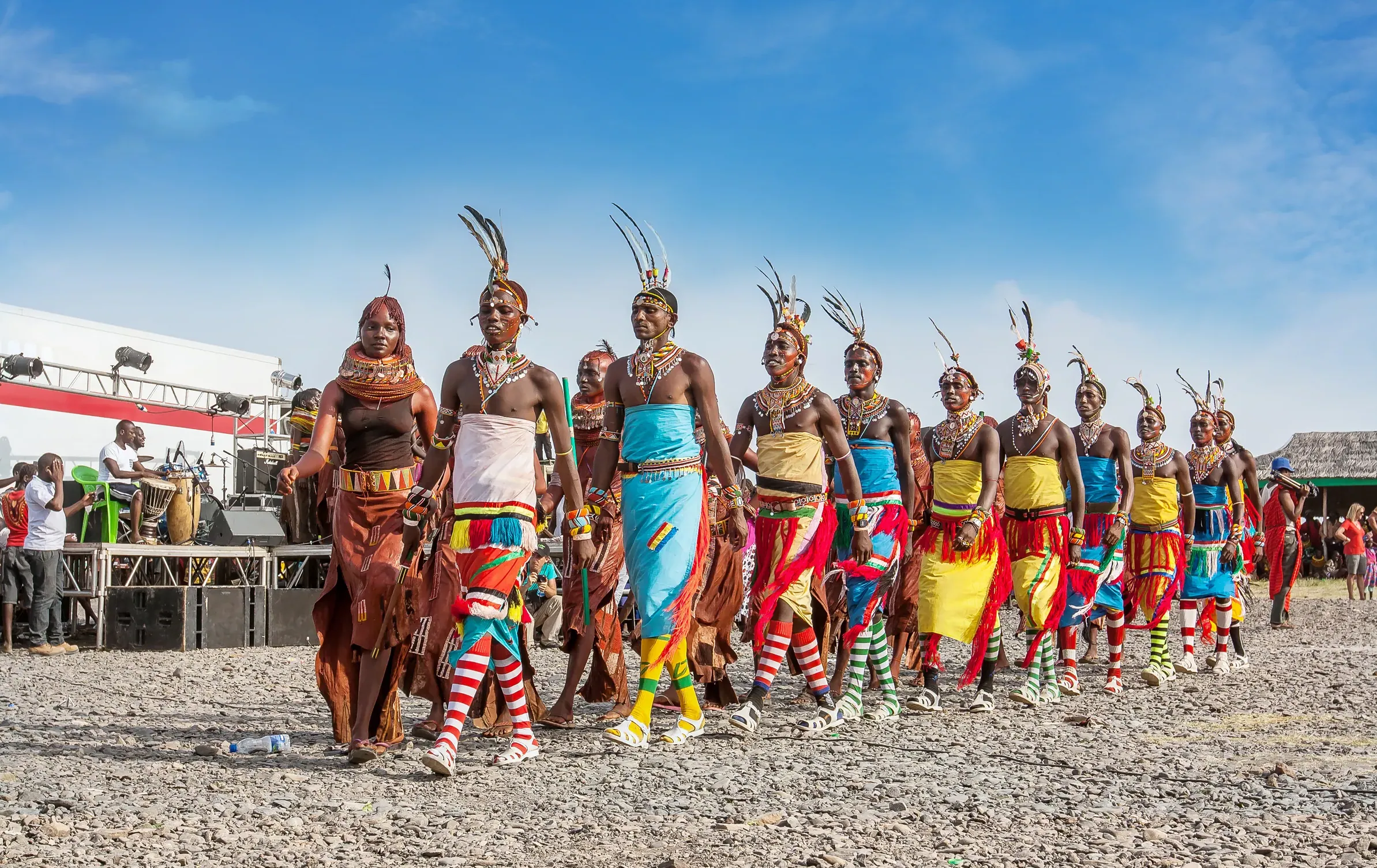
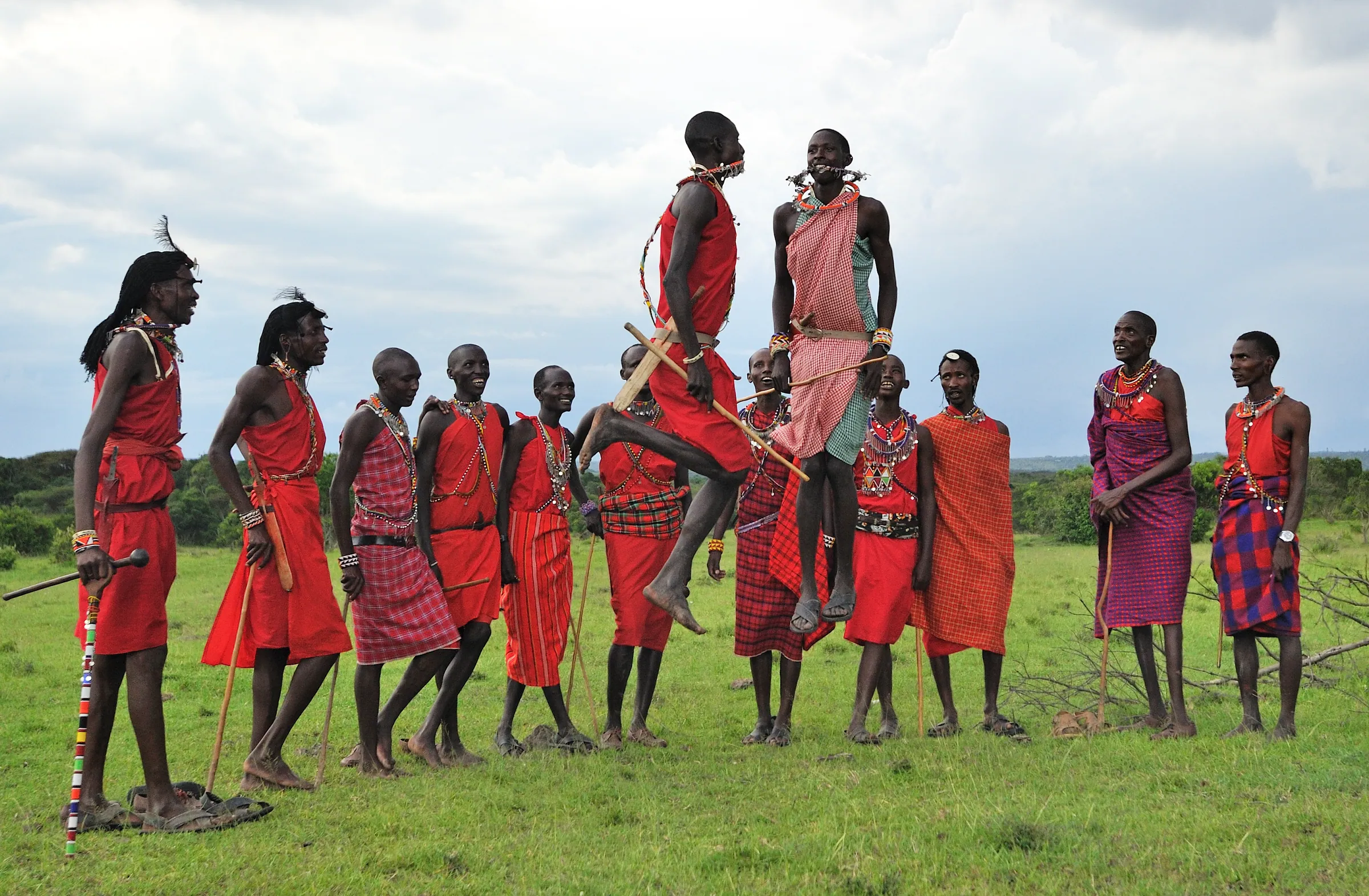
The red shuka, the beadwork and the jumping dance make Maasai and Samburu people the most photographed in Kenya, and some are tired of it. Many people are happy to be photographed, especially as part of a hosted visit or a performance. Some, older people in particular, simply do not want to be, for reasons of their own. A no is a complete answer, and it does not need explaining.
The fairest model is the community-run one, where the visit fee goes to the village or the group ranch rather than to a middleman, and photos are part of an agreed exchange. In Laikipia, the lodge at Il Ngwesi is owned by the Maasai community of its group ranch. In Samburu country, Reteti Elephant Sanctuary on the Namunyak conservancy is run by and for the local community. Around the Mara, the village visits we arrange are hosted, not staged, with the fee paid to the village, and our guests buy beadwork directly from its makers. Our Maasai village and Samburu beadwork pages describe how those days work.
When you caption the photo later, say who and where if you can. 'Maasai warrior' tells your friends nothing. 'Our walking guide at the conservancy, who taught us to read lion tracks' tells them who he is, and treats him as a person rather than a costume.
The long lens is still a photo of a person
A 400 mm lens lets you photograph a herder half a mile away without him knowing. It is tempting, and on a game drive people pass through the frame all the time: herders with cattle at the edge of the Mara, women carrying water in Samburu, children walking to school along the road. A person small in a landscape is fine. A tight portrait of someone who has not agreed, especially a woman or a child, is not, and in the northern counties it can cause real offense. If you want the portrait, ask your guide to stop where it is safe and allowed (usually outside the reserve), greet, and ask. If that is not possible, keep the person small in the frame or let the moment go.
Markets, streets, homes and places of worship
- Markets: traders are working. A wide shot of a busy market is fine; a close-up of one person needs a yes, and buying something is the polite exchange.
- Homes: never photograph inside a home or a family compound without the owner's consent, however good the light.
- Informal settlements: on a resident-run tour of Kibera or Mathare, follow the guide's rules, which usually mean no photos of people's homes or of people in hardship. Photograph what residents want to show you: the businesses, the art, the projects.
- Churches and mosques: ask before photographing during a service, and photograph mosques from the outside unless you are invited in.
- Funerals: do not photograph unless the family asks you to. Weddings are often the opposite: you may be handed a phone and asked to film.
- Police, soldiers, government buildings, airports and the presidential motorcade: never. The rules page explains what happens if you do.
Send it back
Most Kenyans have a smartphone and WhatsApp. If someone lets you take a good portrait, offer to send it: ask for their number ('Namba yako ni ngapi?', what is your number?), send it that evening when you have Wi-Fi, and add a thank-you. For people without a phone, an instant camera print handed over on the spot is a gift that gets passed round the whole village. Guides, rangers and camp staff almost never have good photos of themselves at work, and yours may end up as someone's profile picture for years.
What our guides do
Our guides brief every group on photos before the first village or market, ask on your behalf when there is no shared language, agree any fee before the cameras come out, and tell you plainly when a photo is not welcome. For student and church groups, we agree a photo and social media policy with the group leader before departure, covering children, schools and posting online. If you plan to publish or sell photos of identifiable people, get their written consent: Kenya's Data Protection Act of 2019 covers personal data, which includes images of identifiable people.
For the technical side, from light and lenses to the bean bag on the window rail, see our safari photography tips.