Culture. Updated November 2026. 8 min read.
Greet first, always. A Kenyan conversation that skips the greeting has already gone wrong, and it is the most common mistake we see Americans make, usually out of efficiency rather than rudeness. Walk into a shop, a lodge reception or a police check and ask your question straight away, and you will get help, but you will get it coolly. Say 'Habari?' or 'Good morning, how are you?' first, wait for the answer, and the same person will go out of their way for you.
That is most of Kenyan etiquette in one paragraph: relationships come before transactions, age earns respect, and patience is read as good character. Kenya is a relaxed, friendly country and nobody expects a visitor to know every custom. People forgive almost any slip if you are warm and happy to be corrected. What follows is what we tell our own guests before they land: the handful of things that matter everywhere, the topics to handle with care, and the American habits that land badly here.
This page is about behavior. For the words themselves, from Habari to Shikamoo and hello in twenty mother tongues, see our guide to greetings. For clothes, see what to wear in Kenya; for cameras, our page on photographing people; and for the wider picture of Kenya's communities, food and music, our guide to Kenyan culture.
The greeting, the handshake and the right hand
A Kenyan greeting is a question about how you are, and it expects an answer. 'Habari?' is answered 'Nzuri' (fine), 'Mambo?' with 'Poa', and in English 'How are you?' is a real question, so answer it and ask back. Greet everyone at a small table or in a small room, not only the person you came to see, and greet elders first. To an older person, 'Shikamoo', a greeting of deep respect, is answered 'Marahaba'.
Handshakes are frequent and often long. A Kenyan may keep holding your hand while the greeting goes on, and shake again when you part. A soft, lingering handshake is normal; a crushing one is not needed. Some people offer the right hand while touching their right forearm with the left, a gesture of extra respect, especially toward elders, and you will see children do it to adults. Many Muslim women on the coast, and some conservative men, prefer not to shake hands with the opposite sex. Let the other person offer first; a hand on your heart and a nod is a perfect reply.
Use your right hand, or both hands, to give and receive anything: money, a gift, a plate, a business card. The left hand is traditionally the hand for washing, and passing things with it alone reads as careless, more so on the coast. If you are left-handed, nobody minds you writing or eating with it; it is the giving and receiving that people notice.

Age, titles and respect
Respect for age runs through daily life. Older people are served first, greeted first and rarely contradicted in public. An older man is often addressed as 'Mzee' (elder, said with affection) and an older woman as 'Mama'. Teachers, doctors, pastors and officials are addressed by their title. In a home, wait to be shown where to sit, and stand when an elder enters if those around you do. On a matatu or a bench, offering your seat to an older person or a mother with a child is expected, not exceptional.
You will hear yourself called 'boss', 'madam', 'sister' or 'mzungu'. Mzungu means a white person or, loosely, any foreigner. It is usually descriptive rather than hostile, and children in rural areas may shout it happily as your vehicle passes. Wave back.
Kenyan time, and when it does not apply
'Kenyan time' is real, and Kenyans joke about it themselves: a wedding called for two may start at four, a friend who is 'on the way' may not have left home, and Nairobi traffic gives everyone an alibi. In social life, arriving a little late is normal and arriving early can catch your hosts unready. Do not show irritation. It reads as arrogance, and the wait is usually filled with tea and conversation.
It does not apply to safari. Game drives leave on time because the light and the animals do not wait; most park gates open around 6 am and close around 6 or 7 pm, and parks expect vehicles out by closing time; and safari flights from Wilson Airport leave when they are scheduled. Your guide may tell you the wake-up is at 'saa kumi na moja', Swahili time for 5 am, because the Swahili day counts its hours from sunrise. Business meetings in Nairobi also tend to start close to time. Be punctual yourself, and patient with everyone else.
Hospitality: accept the tea
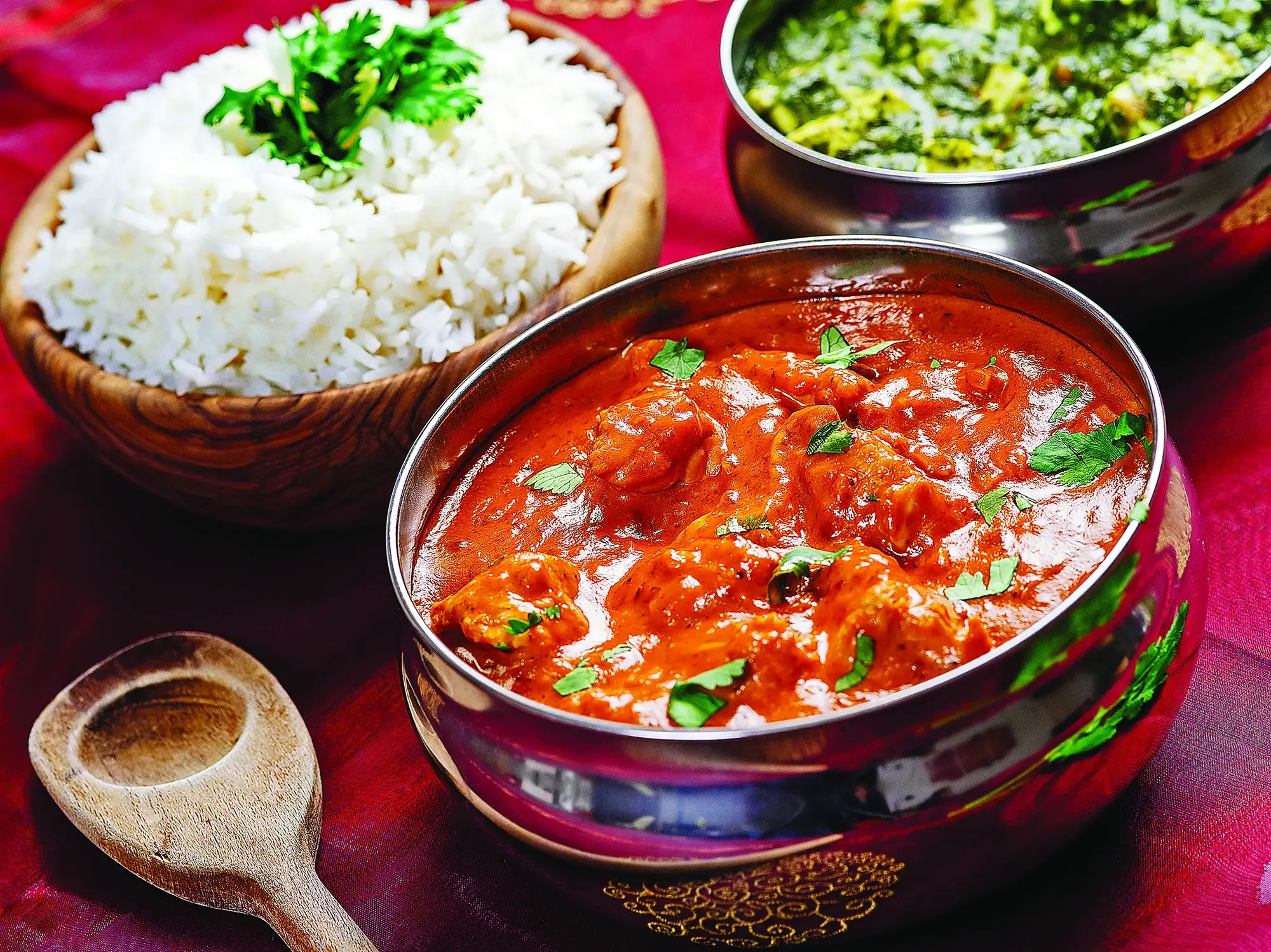
Kenyan hospitality is generous and a little insistent. In a home, an office or a village you will be offered tea, usually chai with milk and sugar boiled together, and often food. Accept. A few sips and a bite are enough; refusing outright can feel like refusing the person. If you cannot manage more, a smile and 'Asante, nimeshiba' (thank you, I'm full) works better than an explanation of your diet. If you have a real allergy or restriction, say so early and simply, and nobody will be offended.
Ugali, chapati and many other dishes are eaten with the right hand. In homes and local restaurants a basin and a jug of warm water may be brought to the table so you can wash your hands before and after the meal: hold your hands over the basin while someone pours. Take a modest first helping, because your hosts will press you to take more. Wait for the host or the eldest person to start, and in Christian homes expect a grace before the meal.
Conversation: easy topics and careful ones
Kenyans are curious about Americans and ask direct questions: are you married, how many children do you have, what do you do, which church do you go to. These are friendly, not intrusive, and you can answer as fully or as vaguely as you like. Easy ground: family, football (the English Premier League has a passionate following), running, music, food, life in America, and where in Kenya your host's family comes from. Kenyans are proud of their runners, their wildlife and their tech scene, and happy to tell you about all three.
Tread carefully with politics and tribe. Kenyans argue about politics with gusto among themselves, but elections have been tense and ethnic identity is bound up with them, so listen more than you speak and do not guess anyone's community from their name or looks. Avoid comparisons that rank Kenya below the U.S.; lectures on corruption or poverty from a visitor land badly even when Kenyans say the same things themselves. Religion matters to most Kenyans, who are mostly Christian, with a large Muslim community on the coast and in the northeast. Be respectful in churches and mosques, and never mock belief.
Kenya is socially conservative. Same-sex relationships are criminalized under the penal code, and while prosecutions of visitors are rare, public affection between same-sex couples is unwise and the subject can provoke strong reactions. Our LGBTQ+ travel page covers this honestly. For everyone, public affection beyond holding hands draws looks, more so on the coast and in rural areas.

In public
- Keep your voice down. A loud group in a restaurant or on a boat is the first thing Kenyans notice about tourists.
- Do not beckon people with a crooked finger, which is how you call an animal. Wave the hand toward you with the palm facing down. Pointing at a person with one finger is also impolite; gesture with an open hand.
- Phones off in church, and no photos during a service unless you have asked. Visitors are often welcomed by name from the front: stand up and smile.
- Smoking in public is restricted to designated areas, and Nairobi enforces it with fines. Littering is fined too, and plastic carrier bags have been banned nationally since 2017.
- Never photograph police, soldiers, government buildings, airports or the presidential motorcade. Our photography rules page has the full list.
- Be patient at police checks. Greet the officer, answer politely and let your driver do the talking.
- Queue, even when others seem not to. Pushing in is noticed, and the person at the front will usually wave a visitor forward anyway.
Money, handouts and tips
Tipping is expected on safari and in hotels; our tipping guide has the amounts. Bargaining is expected in curio markets and with beach vendors, never in supermarkets or restaurants; our bargaining guide shows how. Two things to avoid. First, handing out sweets, pens or money to children in villages, which teaches begging and undermines parents and teachers: give to a school or a project through its staff instead. Second, offering 'kitu kidogo', literally 'something small', the euphemism for a bribe. If an official seems to be fishing, stay polite, ask for a written fine or a receipt, and let your guide handle it.

What Kenyans find rude in Americans
We asked our own team. These came up again and again, always with a laugh, because they know the intent is rarely bad.
| What visitors do | How it lands | Do this instead |
|---|---|---|
| Skip the greeting and get to the point | Cold, as if the person is a machine | Greet, ask how they are, then ask your question |
| Talk loudly in public | Showing off, or angry | Use your indoor voice, even outdoors |
| Show impatience at a delay | Arrogant, and it rarely speeds anything up | Smile, ask once politely, and wait |
| Refuse food or tea outright | Rejecting the host | Accept a little and say 'Asante' |
| Hand over money with the left hand, or toss it on the counter | Careless or dismissive | Give with the right hand, or both |
| Photograph people without asking | Treating people as scenery | Ask first, and show them the photo |
| Compare everything to home | Kenya as second best | Ask how things work here, and why |
| Wear beachwear in town | Disrespectful, especially on the coast | Cover shoulders and knees away from the beach |
On the coast, in Ramadan and in Muslim homes
Lamu, Mombasa's Old Town, Malindi and much of the north and northeast are mostly Muslim, and the etiquette shifts a little. Dress modestly away from the beach (our what-to-wear guide has the detail), take your shoes off before entering a home or a mosque, and visit mosques only when invited or where visitors are welcome. During Ramadan, which moves about eleven days earlier each year, avoid eating, drinking or smoking in the street in daylight in Lamu and the old towns; resorts and restaurants carry on serving. Friday midday prayers are the busiest time of the week at the mosques, so plan old-town walks around them. Never bring alcohol or pork into a Muslim home.
In most Kenyan homes, Muslim or Christian, take your shoes off at the door if your host is barefoot or there is a row of shoes outside. When in doubt, watch your host and do what they do. That one rule covers almost everything on this page.