Culture. Updated November 2026. 4 min read.
The best souvenir from Kenya is something you watched being made, bought from the person who made it, at a price you both felt good about. The worst is a factory carving bought at triple the price in an airport shop, or a shell that should have stayed on the reef. This page is the short list of what is worth buying, where the makers are, what never to buy, and how to get it home.
In brief: buy beadwork from women's groups, soapstone from Kisii, baskets from the Kamba and Kikuyu weavers who make kiondos, cloth on the coast, and coffee and tea from a supermarket on your last day. Shop at maker workshops where you can, use the Maasai Market for variety and bargaining practice, and keep to anything that is not made from wildlife.
What is worth buying
| Item | What it is | Where it comes from | Where to buy |
|---|---|---|---|
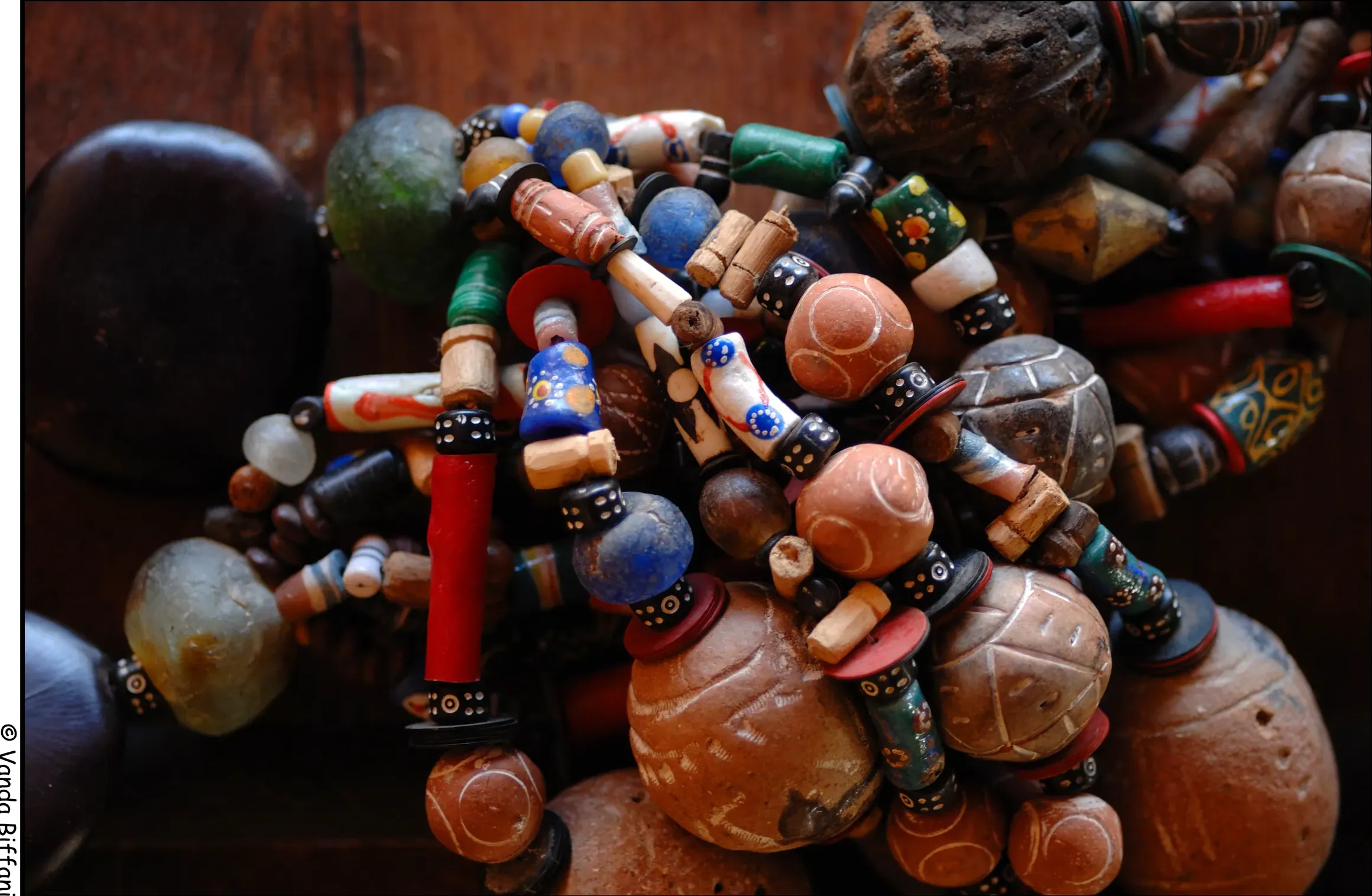
| Beadwork | Collars, bracelets, belts and sandals in glass beads | Maasai and Samburu women | Cooperatives, hosted village visits, the Maasai Market |
| Kazuri beads | Hand-made ceramic beads and jewelry | A women's workshop in Karen, started in 1975 | The Kazuri shop in Karen, at fixed prices |
| Kisii soapstone | Carved bowls, animals and chess sets in soft pink and white stone | Tabaka, in Kisii County | Craft shops and markets; cheapest near Kisii |
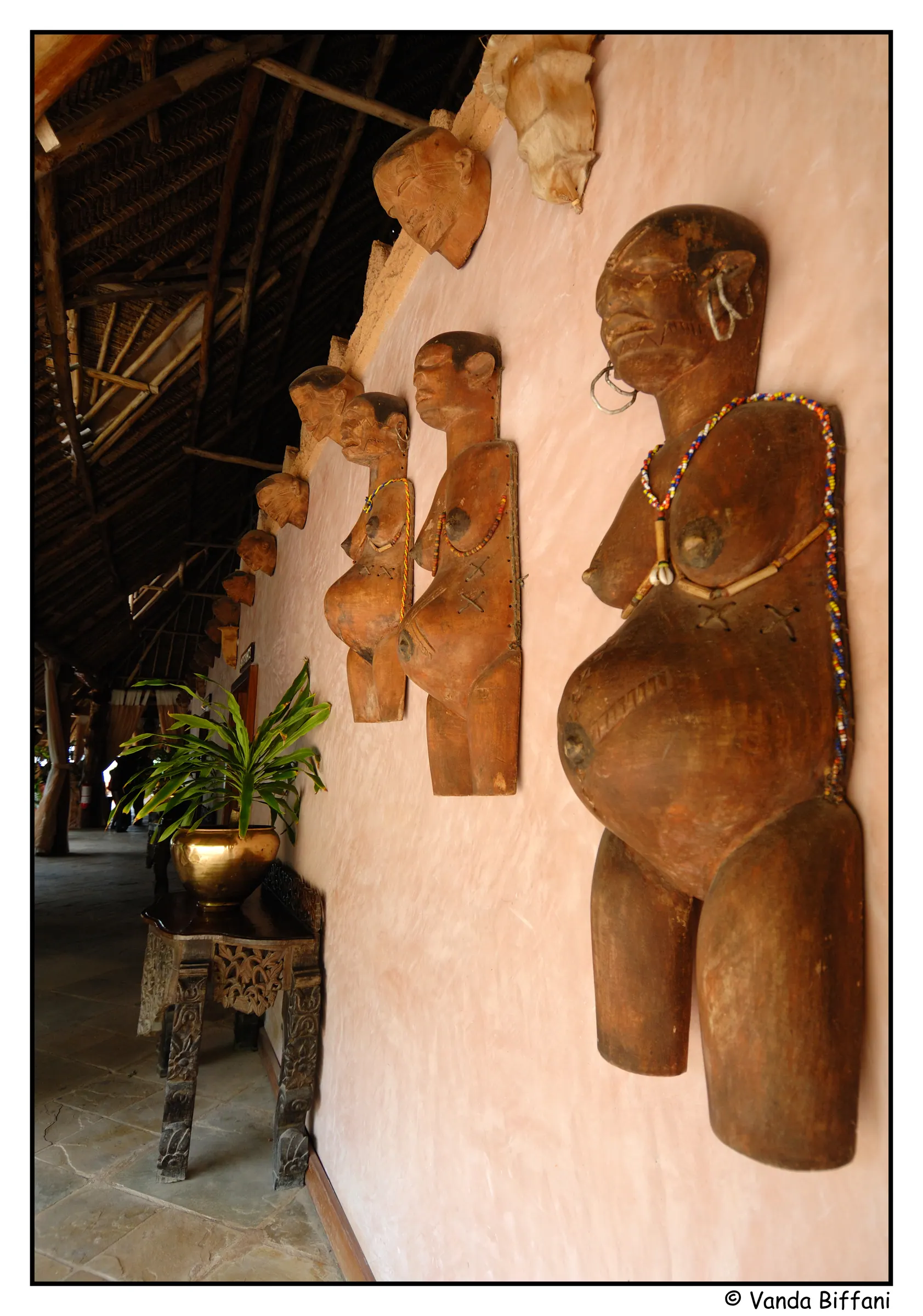
| Akamba woodcarving | Animals, figures and salad servers | Kamba carvers, notably around Wamunyu in Machakos | Craft cooperatives and markets; check the wood is not ebony |
| Kiondo basket | A sisal shoulder basket, often with leather straps | Kamba and Kikuyu weavers | Markets, craft shops, the Maasai Market |
| Kikoi and kanga | Woven and printed cotton wraps | The Swahili coast | Mombasa Old Town, Diani, Nairobi fabric shops |
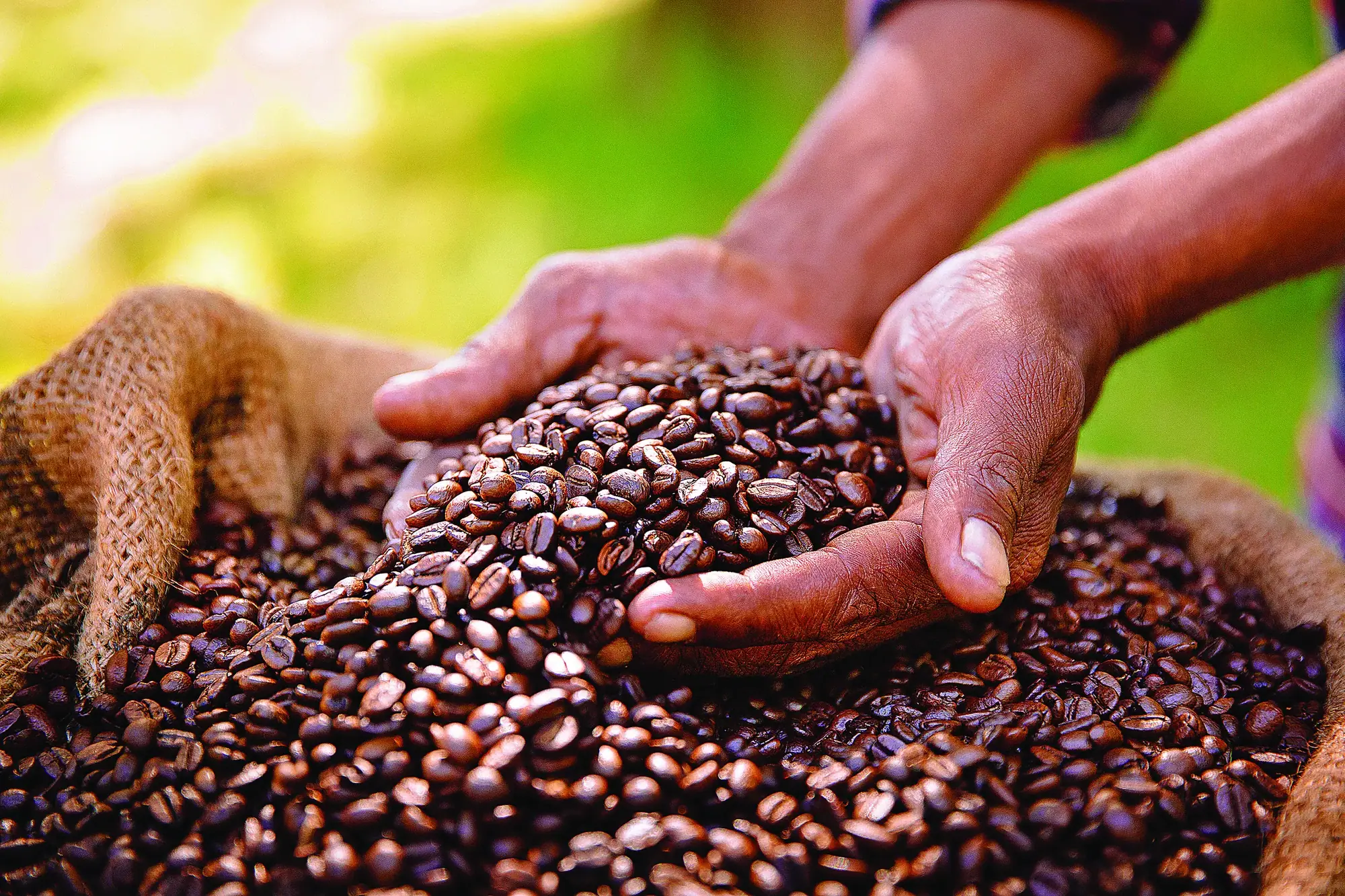
| Coffee and tea | Kenyan AA coffee beans; black tea from the highlands | Central Kenya and the tea counties around Kericho | Any supermarket; the cheapest good gift in Kenya |
| Recycled art | Flip-flop sculptures, glass, wire | Ocean Sole in Nairobi; Kitengela Glass | Their own workshops and shops |
Two more ideas that cost little: a Swahili cookbook or a few bags of pilau masala from a coast spice shop, and Kenyan books from a Nairobi bookshop (see our reading list). Both travel light and get used.
Where the makers are
- Kazuri, Karen: watch women shape and fire ceramic beads, then buy in the shop; easy to combine with the Giraffe Centre and the elephant orphanage
- Bombolulu Workshops, Mombasa: crafts made by people with disabilities, with workshops you can walk through
- Banana Hill Art Gallery, north of Nairobi: paintings and sculpture from a community of artists
- Spinners Web, Nairobi: a long-running shop for Kenyan crafts from many makers under one roof
- Ocean Sole, Nairobi: animal sculptures carved from flip-flops collected off Kenyan beaches
- Kitengela Glass, south of Nairobi: hand-blown recycled glass, a long way out but a day in itself
- Women's beadwork groups in the Mara and Samburu: buy on a hosted visit, ideally after a workshop
Small shops and studios open and close, so we check opening times before we take you. The Maasai Market is the other big name: a market of stalls that moves between car parks and malls around Nairobi on different days of the week. It is the widest choice in one place, but quality varies and prices start high. Go in daylight, with small notes and a guide who knows the day's location.
Paying is easy almost everywhere. Workshops, galleries and malls take cards, many market traders take M-Pesa mobile money, and cash in Kenyan shillings works at every stall. Pay in shillings rather than dollars, since dollar prices are almost always rounded up, and keep small notes separate from larger ones so you do not show your whole wallet while you bargain.
How to bargain without fuss
At markets and stalls the first price is an opening offer; in workshops like Kazuri and in supermarkets prices are fixed. Greet the seller first, ask the price, offer what you think is fair, and meet in the middle with a smile. Do not start bargaining for something you do not intend to buy, and remember that a dollar matters more to the seller than to you. Our bargaining guide has the phrases and the numbers; our Kiswahili market lesson helps too.
What never to buy
- Ivory, rhino horn, tortoiseshell or anything carved from them, old or new: illegal to sell in Kenya and to bring into the United States
- Animal skins, teeth, claws, feathers or trophies unless sold with the right Kenyan and U.S. permits; in practice, do not
- Shells, coral and starfish: collecting them in marine parks is banned and buying them drives the trade
- Carvings from ebony or other slow-growing hardwoods sold as cheap curios; prefer certified or recycled wood
- Anything sold as an antique or a sacred object: genuine ones should not leave the country without a permit
Kenya's wildlife law is strict, and both Kenya Wildlife Service and U.S. Fish and Wildlife Service can seize items at the border. Our Kenya rules page covers the plastic bag ban and other rules visitors meet; leave plastic shopping bags at home and carry a reusable one.
Getting it home
Most souvenirs fit in a suitcase: kangas, kikois, beadwork and coffee weigh almost nothing. Soapstone and carvings are heavy, so wrap them in clothes and keep them out of the 15 kg soft bag you take on safari flights; buy them at the end of the trip in Nairobi or Mombasa. Larger items, such as furniture or a big carving, can be shipped by the shop or a courier; ask for the shipping cost in writing and expect it to rival the price of the piece. At U.S. customs, declare all wood, seeds, plant material, food and anything made from animals; most items pass with a quick look, and declaring is always better than a fine. Check the CBP guidance before you fly, because rules change.