Culture. Updated November 2026. 4 min read.
Nairobi has become one of the most interesting art cities in Africa, and most safari travelers drive straight past it. Painters and sculptors work in converted warehouses and garden studios, galleries hold openings most weeks, Kenyan artists now hang in museums in New York and London, and some of the city's boldest images are painted on the side of a matatu. If you have a free day in Nairobi, give it to the art.
The short version: start at the Nairobi Gallery for the older collection, then visit one contemporary gallery, such as Circle Art or One Off, and one artist-run space, such as the Kuona Artists Collective or Banana Hill, where you can meet painters at work. Our Nairobi arts, food and music experience builds a guided day around this; this page is the background, the names and how to buy.
Where to start: the national collections
The Nairobi Gallery, run by the National Museums of Kenya in the old colonial Provincial Commissioner's office in the city center, holds the collection of Joseph Murumbi, Kenya's second vice president, who gathered African art, textiles and objects from across the continent. It is small, quiet and a good first hour. The Nairobi National Museum on Museum Hill has a permanent cultural collection and changing art exhibitions, and its grounds have a sculpture garden; our page on the museum covers its history galleries. Together they explain where today's artists come from.
The galleries and collectives
| Place | What it is | Go for |
|---|---|---|
| Nairobi Gallery | National Museums of Kenya; the Murumbi collection | African art and objects from across the continent |
| Nairobi National Museum | Museum Hill; national collections | Changing exhibitions, the sculpture garden |
| Circle Art Gallery | Commercial contemporary gallery; runs an annual East Africa art auction | Established and rising East African artists |
| One Off Contemporary Art Gallery | A long-running gallery in a garden setting in Rosslyn | Painting and sculpture by Kenyan artists |
| Kuona Artists Collective | An artist-run studio space that grew from a 1990s trust | Studio visits and meeting artists at work |
| Banana Hill Art Gallery | An artists' community north of Nairobi | Paintings with a strong local voice, often more affordable |
| The GoDown Arts Centre | A multi-arts center that began in a warehouse in Industrial Area | Exhibitions, performance and events; check what is open |
| Nairobi Contemporary Art Institute | A non-profit space founded by artists, including Michael Armitage | Exhibitions, a library and the Kenyan art archive |
Most galleries open Tuesday to Saturday, some by appointment, and many are spread across leafy neighborhoods where an app ride or our driver is the only practical way between them. Openings, often on weekday evenings, are lively and free, and a good way to meet the scene.
Kenyan artists to know
- Wangechi Mutu: Nairobi-born, New York and Nairobi-based; collage, sculpture and film; her bronze figures sat in the facade niches of the Metropolitan Museum of Art in 2019
- Michael Armitage: Nairobi-born painter who works on lubugo, Ugandan bark cloth; his paintings of Kenyan politics and life are in major museum collections
- Magdalene Odundo: Kenyan-born potter whose hand-built, burnished vessels are among the most admired ceramics in the world
- Cyrus Kabiru: Nairobi artist known for C-Stunners, sculptural eyewear built from the city's discarded metal and plastic
- Peterson Kamwathi: printmaker and painter whose work on crowds, queues and power is a key voice of his generation
- Elimo Njau: painter and a founder of Paa ya Paa, the Nairobi arts center started in 1965, an early home for East African modern art
The galleries above show many more, and a Kenyan gallerist will happily walk you through who is new. Do not leave out the Ugandan, Tanzanian, Ethiopian and Congolese artists who have shaped Nairobi's scene for decades.
Art on the street and on wheels
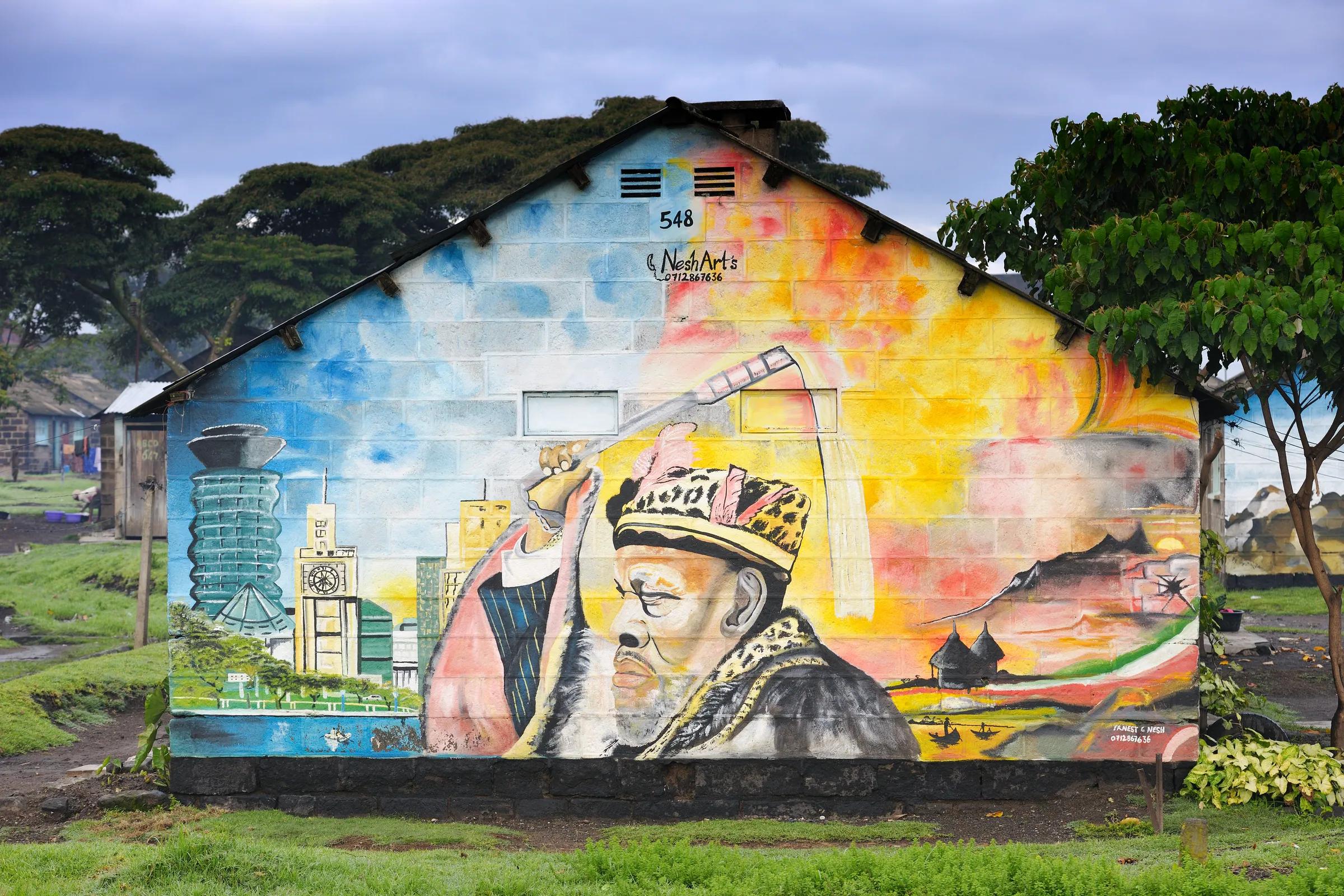
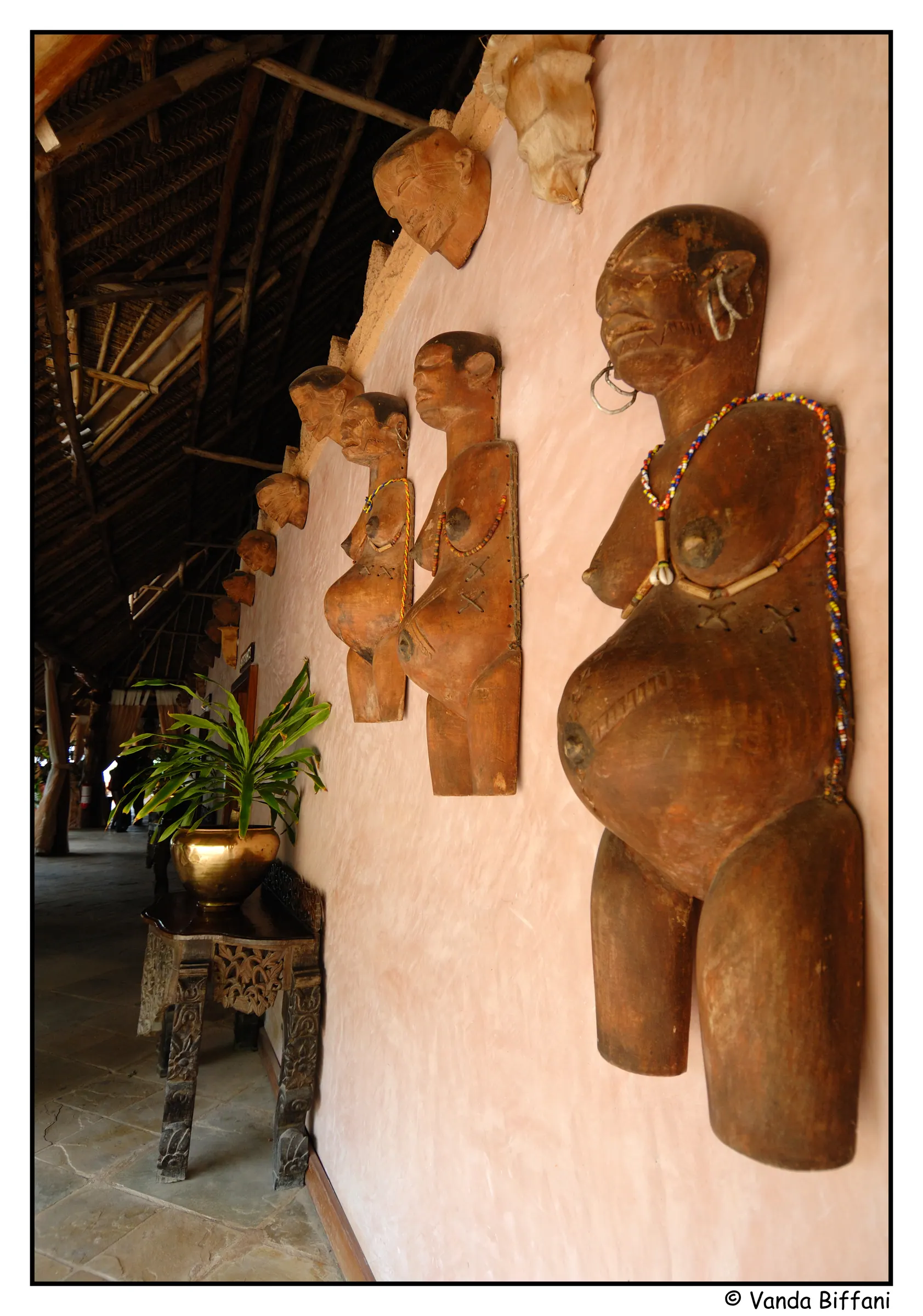
Nairobi's walls carry murals and graffiti, some political, many commercial, a few by artists who now show in galleries. The most famous moving canvas is the matatu: the flashiest minibuses, known as nganya, are airbrushed with portraits of musicians, footballers, film stars and slogans, and their painters are artists in their own right. A guided walk is the right way to see street art in the city center, in daylight, with someone who knows which streets to use. Our Nairobi transport guide covers riding a matatu safely.
Buying a piece
Buying art in Nairobi is easier than it sounds. Galleries price clearly, take cards or bank transfer, wrap works for travel and can usually arrange shipping. Ask for an invoice and a short certificate with the artist's name, title, date and medium. Paintings on canvas can often be taken off the stretcher and rolled for a suitcase; ask the gallery to do it. Studio visits sometimes mean buying straight from the artist, which they value; agree the price clearly and pay the way they ask. Art is generally free of U.S. duty, but declare it at customs, and keep the invoice with you. Avoid anything sold as an antique or sacred object without papers.
Fitting art into a trip
- The arrival or departure day: a gallery morning works around late-evening flights to the United States
- A Karen and Langata loop: Kazuri, the Giraffe Centre, then a gallery and lunch
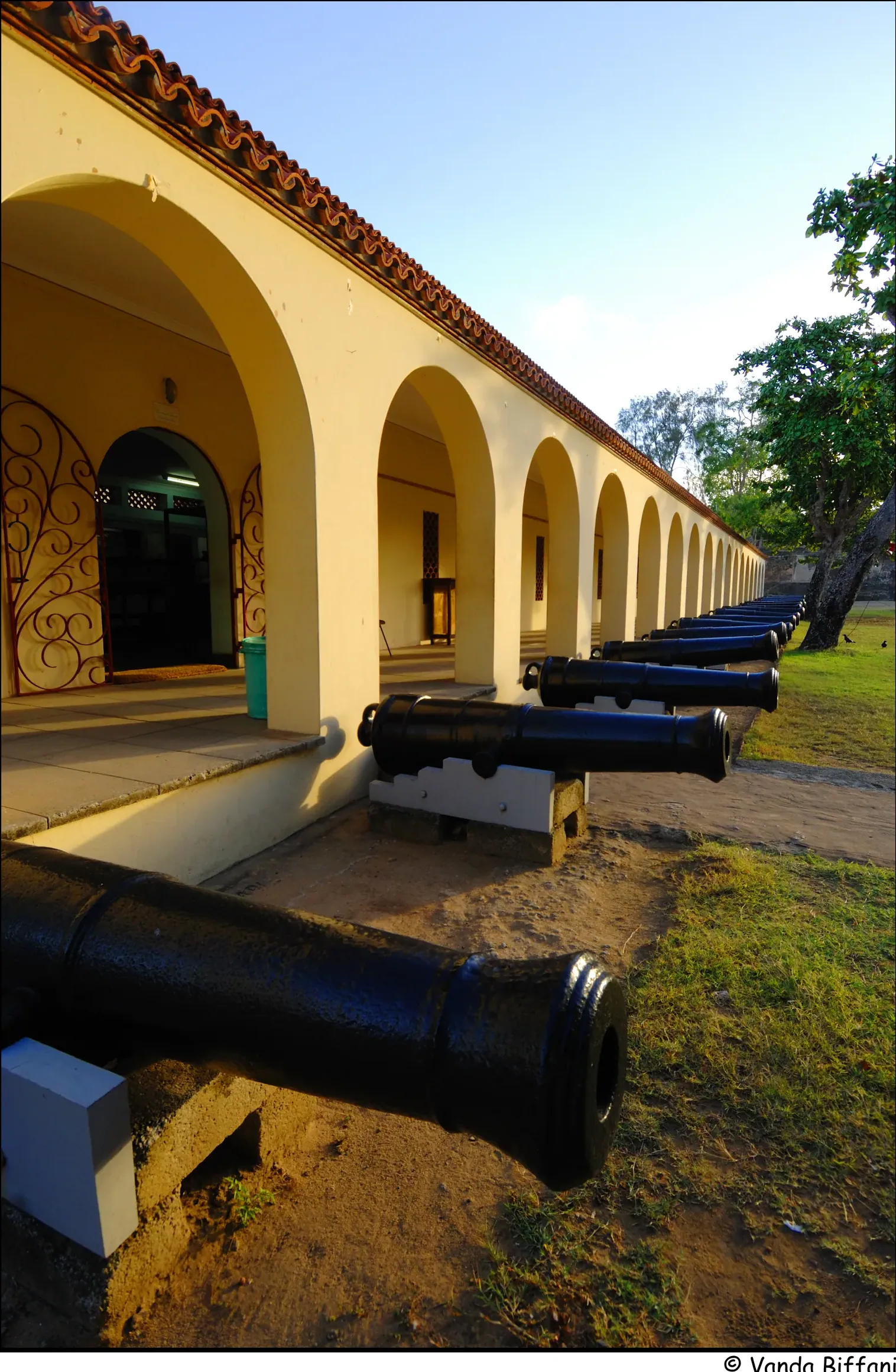
- A coast add-on: Fort Jesus and Mombasa Old Town carvings, brass and Swahili doors
- Students and faculty: studio visits, a talk with a gallerist and an exchange with a Kenyan art school
- Collectors: time a trip with the auction season and gallery openings; ask us for dates
A note on studio etiquette: artists are working, so arrive when agreed, ask before photographing work in progress, and do not post images of unfinished or unsold pieces without permission. Asking about the ideas behind a piece is always welcome, and so is buying a print or a small work if a large one is out of reach.