Study in Kenya. Updated November 2026. 4 min read.
Kenyan schools sing. Choirs rehearse after class in four and eight parts, in Kiswahili, English and a dozen Kenyan languages, and the best of them compete every year at the national schools festival. For a visiting choir, band or art school, that makes Kenya an exchange of equals: your students bring their repertoire, Kenyan students bring theirs, and by the end of the week both groups are singing each other's songs.
In short: a music or arts exchange in Kenya runs 10 to 14 days, starts in Nairobi with joint rehearsals, instrument workshops and studio visits, adds a community music exchange in the Mara and finishes with taarab and Swahili culture on the coast. We design the program around your ensemble or course, approach the schools and hosts, and run logistics and safety. Below: learning outcomes, hosts by type, a two-week outline, permits and ethics, safety and cost.
Who it is for
- University and high school choirs, bands and orchestras
- Music education and ethnomusicology programs
- Art schools and studio art, design and craft courses
- Church and community choirs; our choirs page covers tours built around worship
What students learn
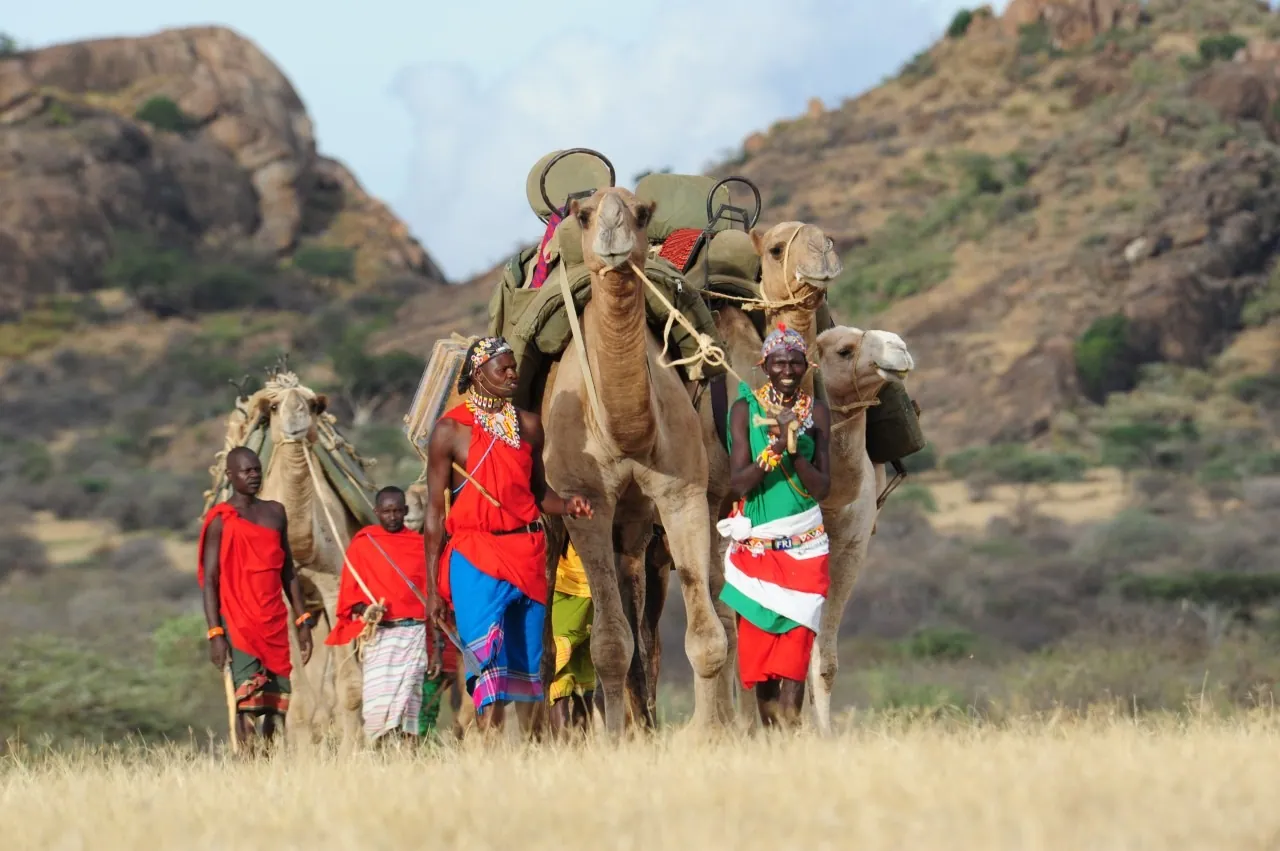
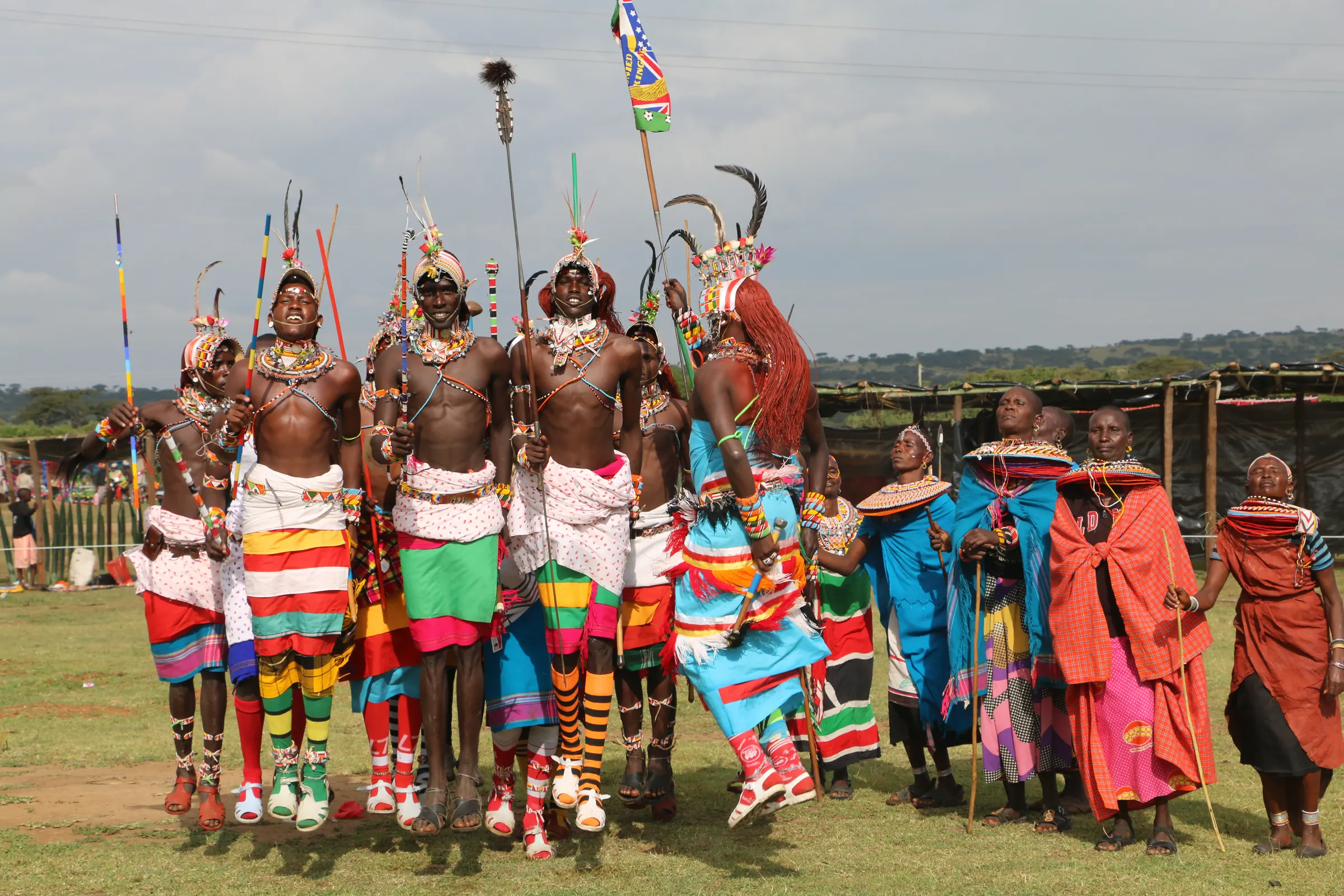
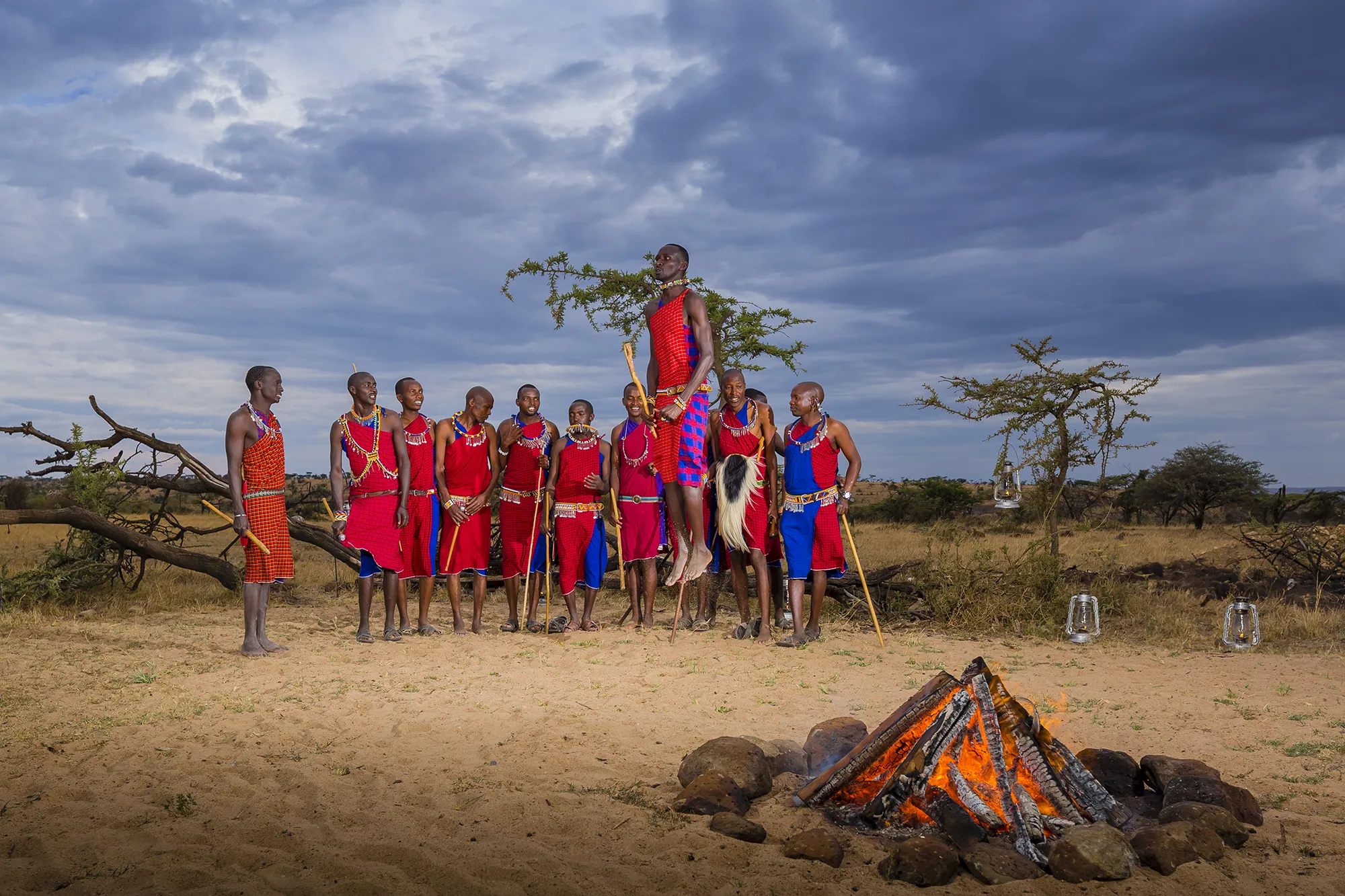
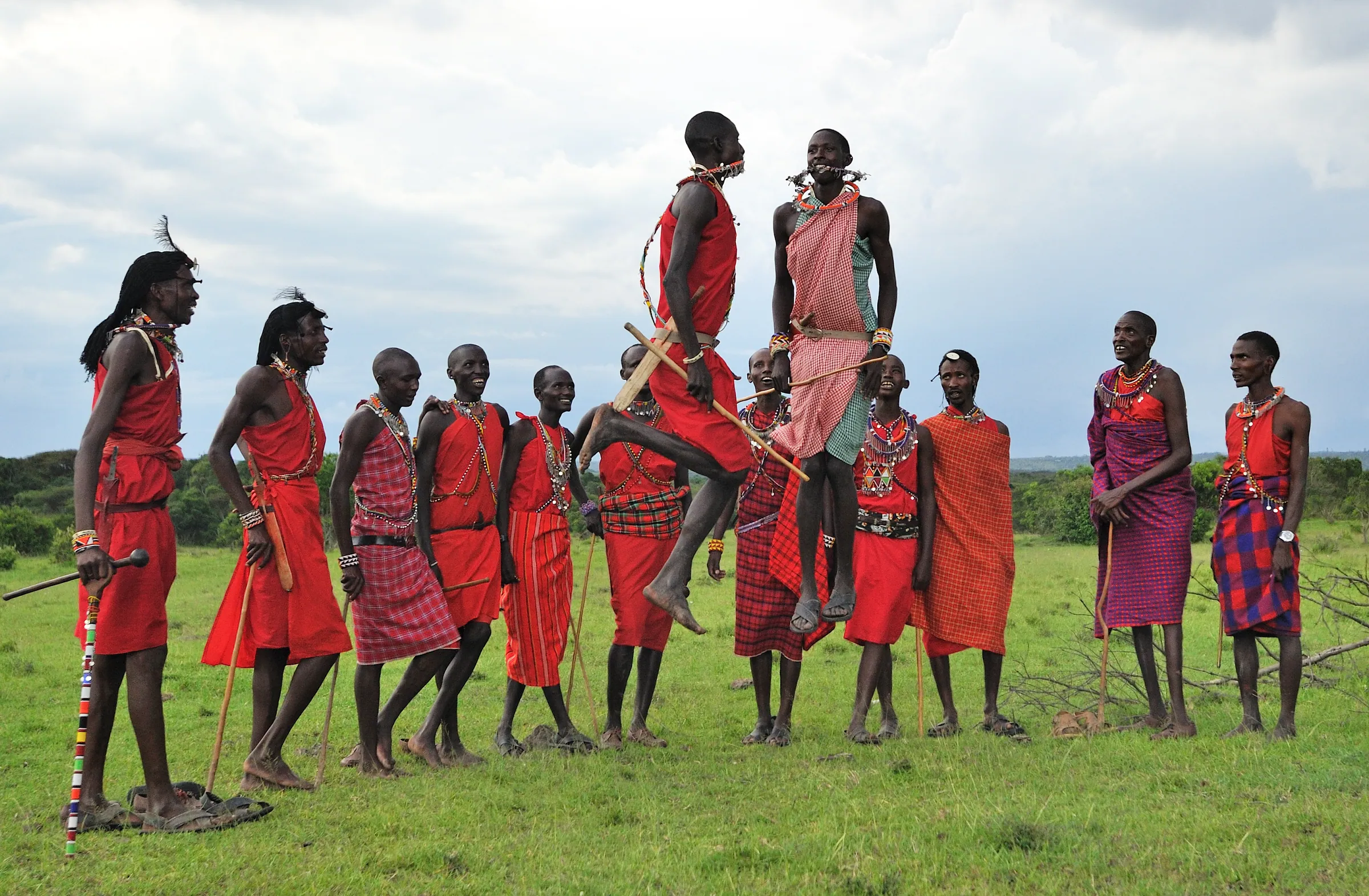
- Kenyan musical traditions: Maasai and Samburu vocal music and the adumu jumping dance, Luhya isukuti drumming, the Luo nyatiti lyre and orutu fiddle, and coastal taarab
- Popular music history: benga, born from Luo guitar styles, the long influence of Congolese rumba, and today's Nairobi genres
- Kenya's choral tradition: arranging folk songs for school choirs, and how the national festival shapes repertoire
- Music education in a system with large classes and few instruments, and what it does well
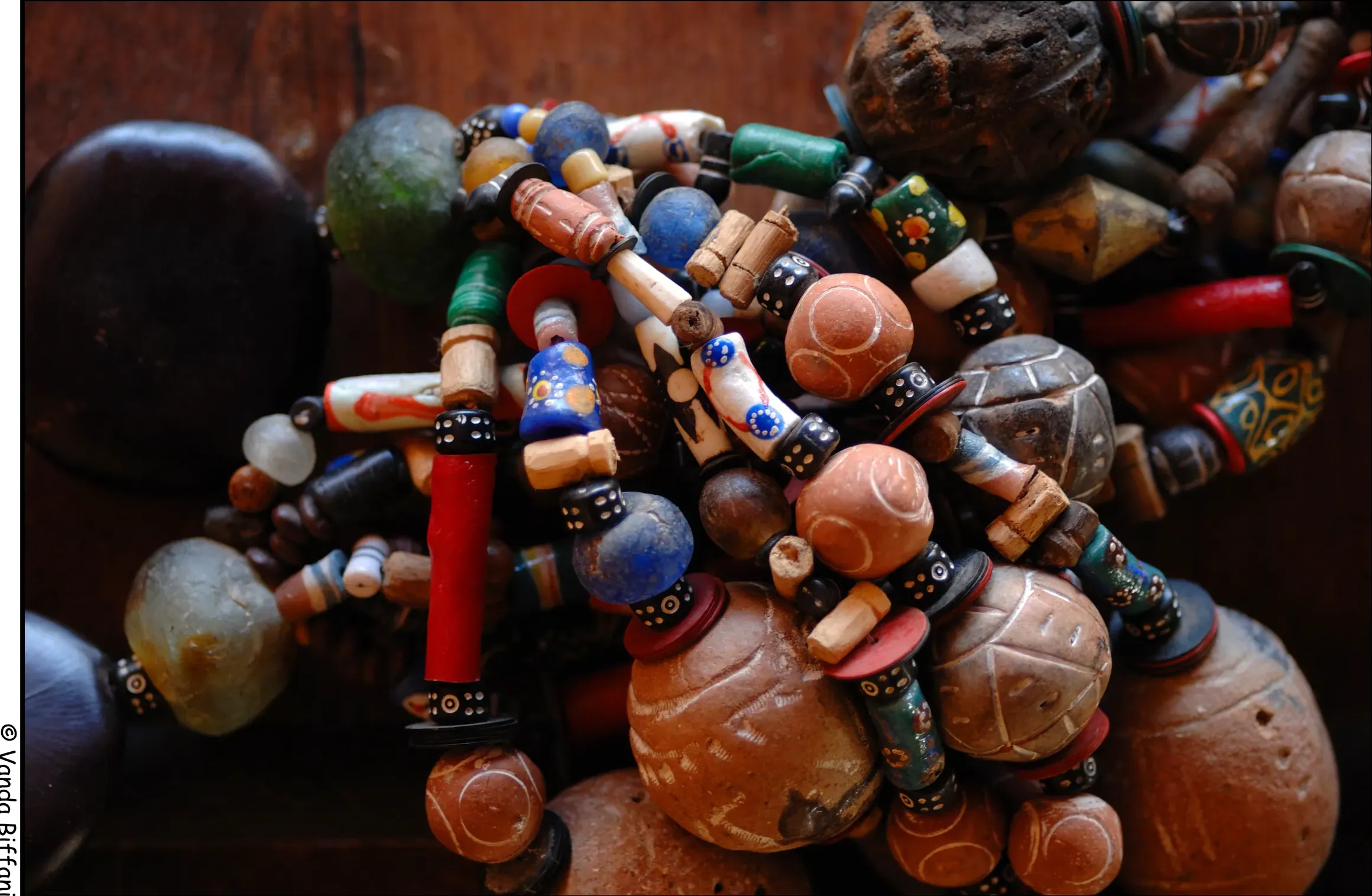
- Visual arts and craft: Nairobi's galleries and studios, beadwork, and carving traditions on the coast
- The ethics of cultural exchange: credit, consent to record, and the difference between learning a song and taking it
Hosts and venues, by type
Named institutions are examples, not partners of ours. We approach the right hosts for your ensemble and confirm each session in writing.
| Type | Examples | What students do |
|---|---|---|
| Music schools | The Kenya Conservatoire of Music in Nairobi | Joint rehearsals and lessons on Kenyan instruments, where the school agrees |
| Secondary schools | Schools with strong choirs and bands | Shared rehearsals, a song swap and a joint concert |
| The national festival | The Kenya Music Festival for schools and colleges, usually in August | Attend sessions and hear Kenya's best school choirs |
| Universities | University music departments in Nairobi | Masterclasses in Kenyan traditional music and composition |
| Churches | Congregations with strong choral traditions | Sing in a Sunday service by invitation |
| Galleries and studios | Nairobi's galleries, artist studios and craft workshops | Studio visits and a workshop with a working artist |
| Community performers | Maasai and Samburu cultural groups; coastal taarab musicians | Performance and conversation, with fees agreed in advance |
A sample two-week outline
| Day | Where | Learning |
|---|---|---|
| 1 | Nairobi | Arrive at JKIA, transfer, welcome dinner |
| 2 | Nairobi | Orientation and safety; a Kiswahili song lesson; the Nairobi National Museum |
| 3 | Nairobi | A joint session at a music school; an instrument workshop on the nyatiti and isukuti |
| 4 | Nairobi | School exchange: shared rehearsal and a song swap |
| 5 | Nairobi | A university masterclass; gallery and studio visits |
| 6 | Nairobi | Sing in a church service by invitation; joint concert with the partner school in the afternoon |
| 7 | Maasai Mara | Fly or drive to the Mara; evening game drive |
| 8 to 9 | Maasai Mara | A music and dance exchange with a Maasai community; game drives |
| 10 | Mombasa | Fly to the coast, usually via Nairobi |
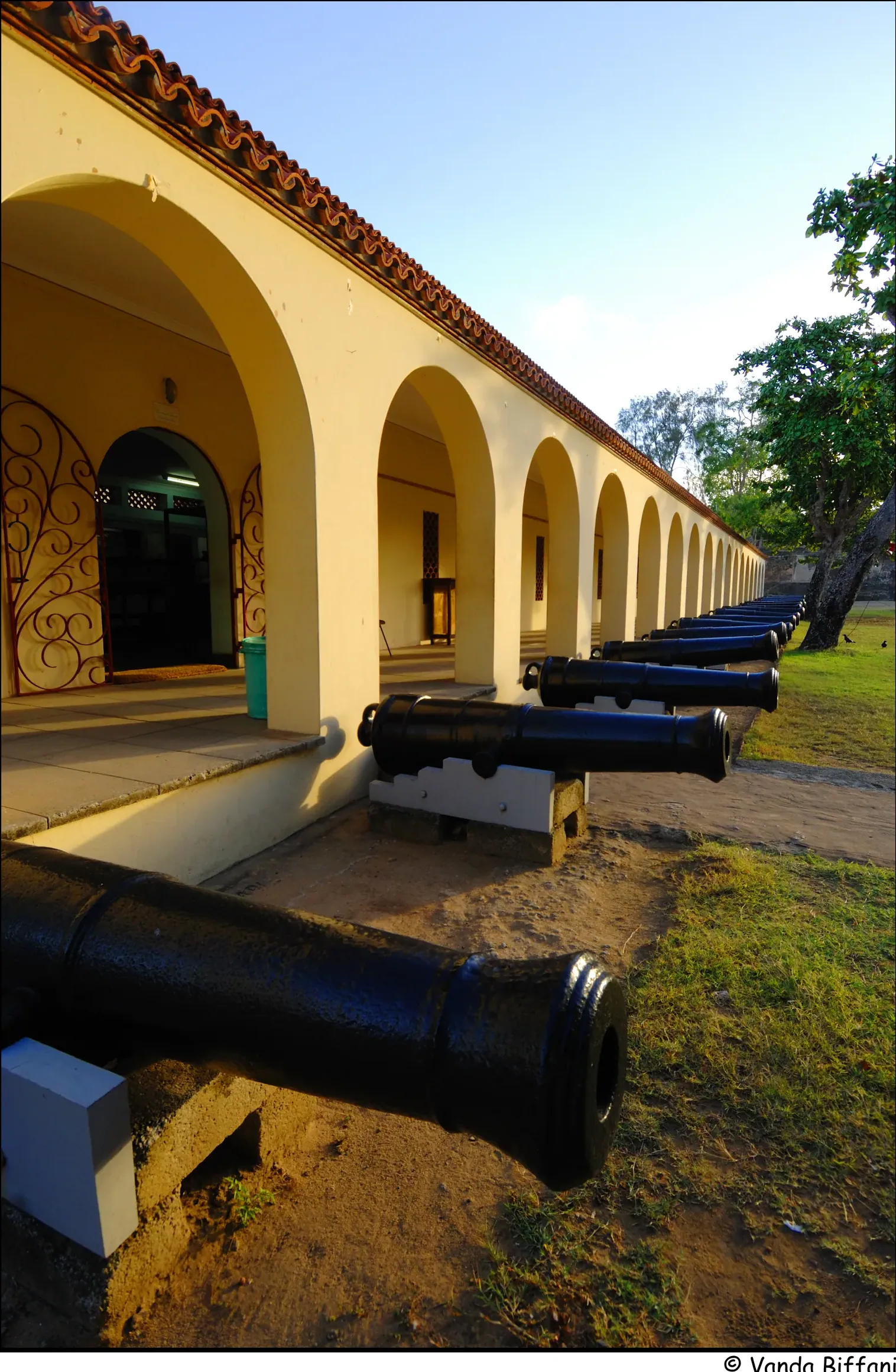
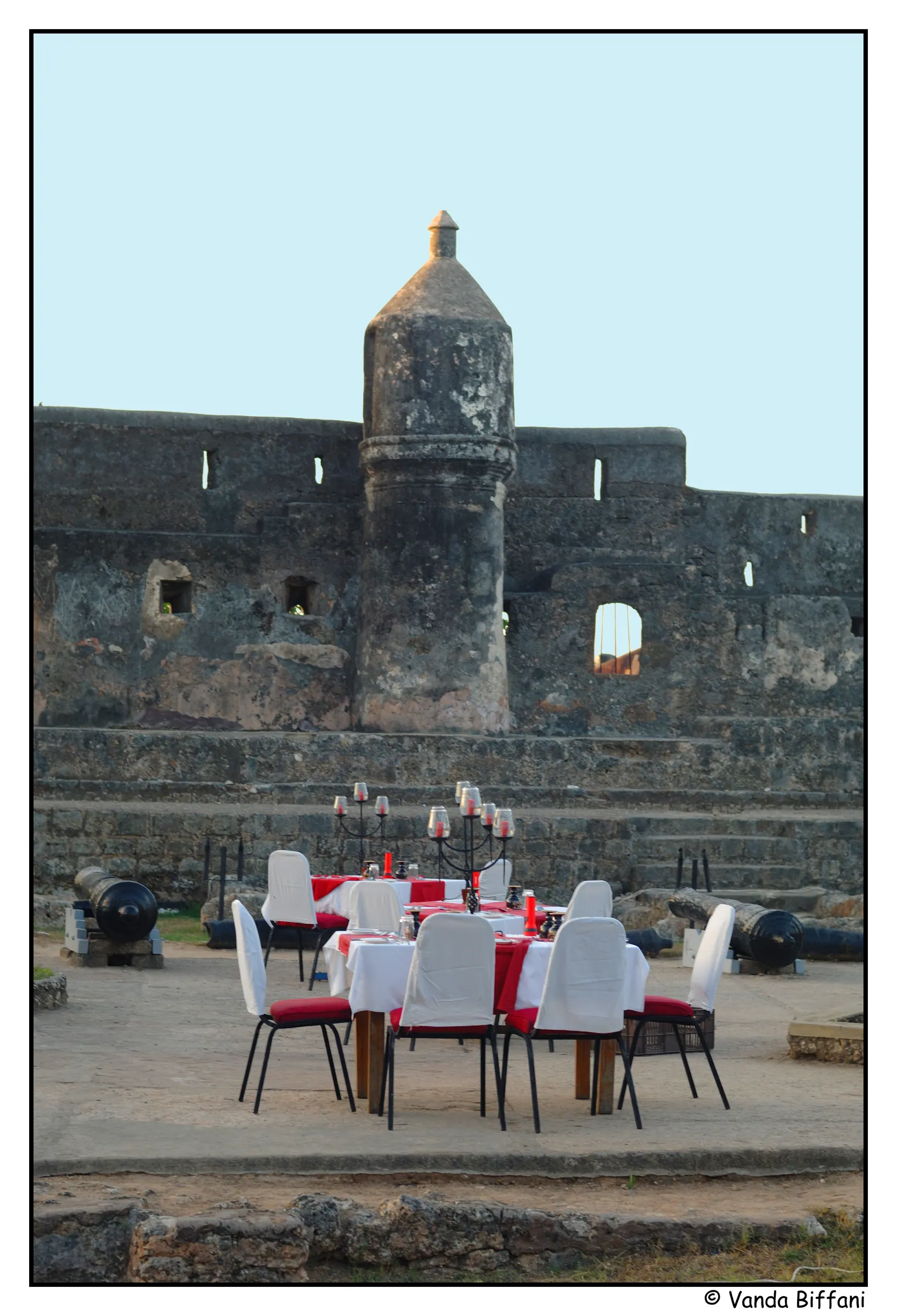
| 11 | Mombasa | Taarab and Swahili music; Fort Jesus and the Old Town |
| 12 | Mombasa | A coastal school exchange and concert |
| 13 | Mombasa | Rest, reflection and a farewell performance |
| 14 | Mombasa | Fly home |
Permits, instruments and ethics
Exchange concerts with schools and churches are unpaid, and that is deliberate: paid performance counts as work, which the eTA does not cover. A public, ticketed concert can need venue and county licences, and we check them with the host. Bring instruments as hand luggage or in hard cases, carry receipts for valuable ones, and check CITES rules before you travel with any instrument containing ivory, tortoiseshell or protected woods; the same rules apply to drums with wild animal skins you might buy. Ethnomusicology fieldwork, such as recording and interviewing musicians for research, needs a NACOSTI licence, from $300 for foreign undergraduates since October 1, 2026; our research permits page covers it.
- Ask before recording anyone, and do not post recordings without permission
- Credit Kenyan composers and arrangers in every program and recording
- Pay community performers the fee agreed in advance, directly
- Do not ask hosts to stage ceremonies that are not for visitors
- No photographs of children posted online
Safety
Before you book, check the current U.S. State Department advisory for Kenya and confirm your travel insurance covers your route; schools and universities often need their own approval for international travel. Ensembles travel only in our vehicles, evening concerts end with a vehicle at the door, and under-18 groups follow our school supervision rules on ratios, rooming and phones. Mombasa and the Mara need malaria prevention. Our school trip safety page has the full protocol.
What it costs
Faculty-led programs commonly run about $3,500 to $6,500 per student for two to four weeks on the ground, excluding international airfare. For ensembles, instrument transport, extra baggage and internal flights are the main variables; a 10-day Nairobi and Mara exchange costs less than the full coast route.
| Item | Guide figure | Notes |
|---|---|---|
| Ground program, 2 to 4 weeks | About $3,500 to $6,500 per student | Lodging, meals, transport, host fees and staff |
| International flight | About $900 to $1,600 round trip | From New York; instruments and extra bags extra |
| Community performance fees | In the ground price | Agreed in advance and paid directly |
| Kenya eTA and inbound health insurance | $30 plus $44 | Per traveler, before departure |
Next step
Send us your ensemble or course, size, repertoire and dates. We reply with a draft program, the schools and hosts we would approach and an itemized budget. Families can pay in full or monthly, with no deposit.