Group travel. Updated November 2026. 5 min read.
In Kenya, a choir is not a concert act. It is the heart of Sunday, the pride of every school and the sound of every wedding, and Kenyan choirs sing in English, Kiswahili and a dozen other languages, often with drums, often with dancing, nearly always from memory. Bring a choir here and you will not just perform. You will be answered.
A choir tour to Kenya is built around three things: Sunday services in Nairobi and Mombasa, joint concerts and workshops with Kenyan choirs, and school exchanges where your singers learn Kenyan songs and teach their own. Add a safari weekend and you have a tour of 8 to 12 days. Our group trips guide explains how group bookings and payments work, and our partner-church page covers worship visits for congregations; this page is the specifics for singers and musicians: concerts, repertoire, venues and instruments.
Who you sing with
- Kenyan choirs with a concert life: Nairobi has accomplished ensembles such as the Kenya Boys Choir and the Nairobi Chamber Chorus, whose repertoire runs from Kenyan folk arrangements to classical and gospel. A joint concert or shared workshop with a choir like these, arranged on their calendar, is the high point of many tours.
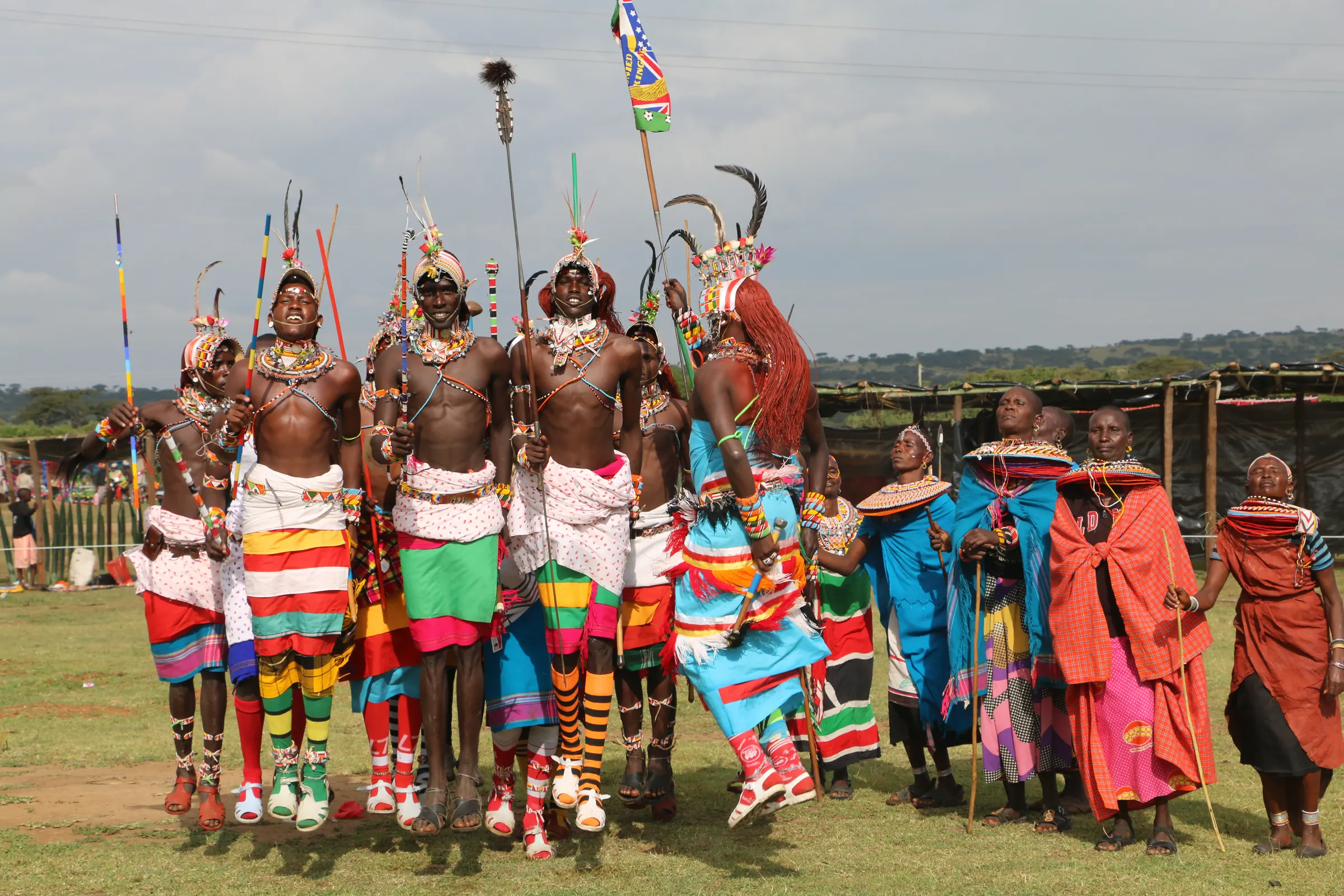
- School choirs: choral singing is a serious competitive tradition in Kenyan schools, and the national Kenya Music Festival, usually held in July and August, brings thousands of school and college choirs together for set pieces, folk songs and dances. Visiting a school choir as it prepares, or in term time afterward, is a lesson in discipline and joy for singers of any age; we arrange it with the head teacher.
- Church choirs: every congregation has at least one, and the big ones have several, from robed Anglican choirs to Pentecostal praise teams with a band, and Catholic choirs singing Kiswahili mass settings with drums.
- Music schools: workshops can be arranged with teachers from Nairobi's music schools, such as the Kenya Conservatoire of Music, on Kenyan rhythms, traditional instruments and choral style.
Sunday services
A Sunday service is where many choirs feel the trip most. All Saints' Cathedral in Nairobi, the Anglican cathedral by Uhuru Park, and the Holy Family Basilica, the Catholic cathedral in the city center, both have strong choral traditions; on the coast, Mombasa Memorial Cathedral is the Anglican cathedral of the old city. A visiting choir is usually invited to sing one or two pieces during the service, arranged with the clergy weeks ahead. Services often run two hours or more, sometimes with several in different languages through the morning, so keep Sunday afternoon light. Dress as the congregation does, smartly, and be ready for a warm welcome, tea afterward and a request to sing one more.
The song exchange
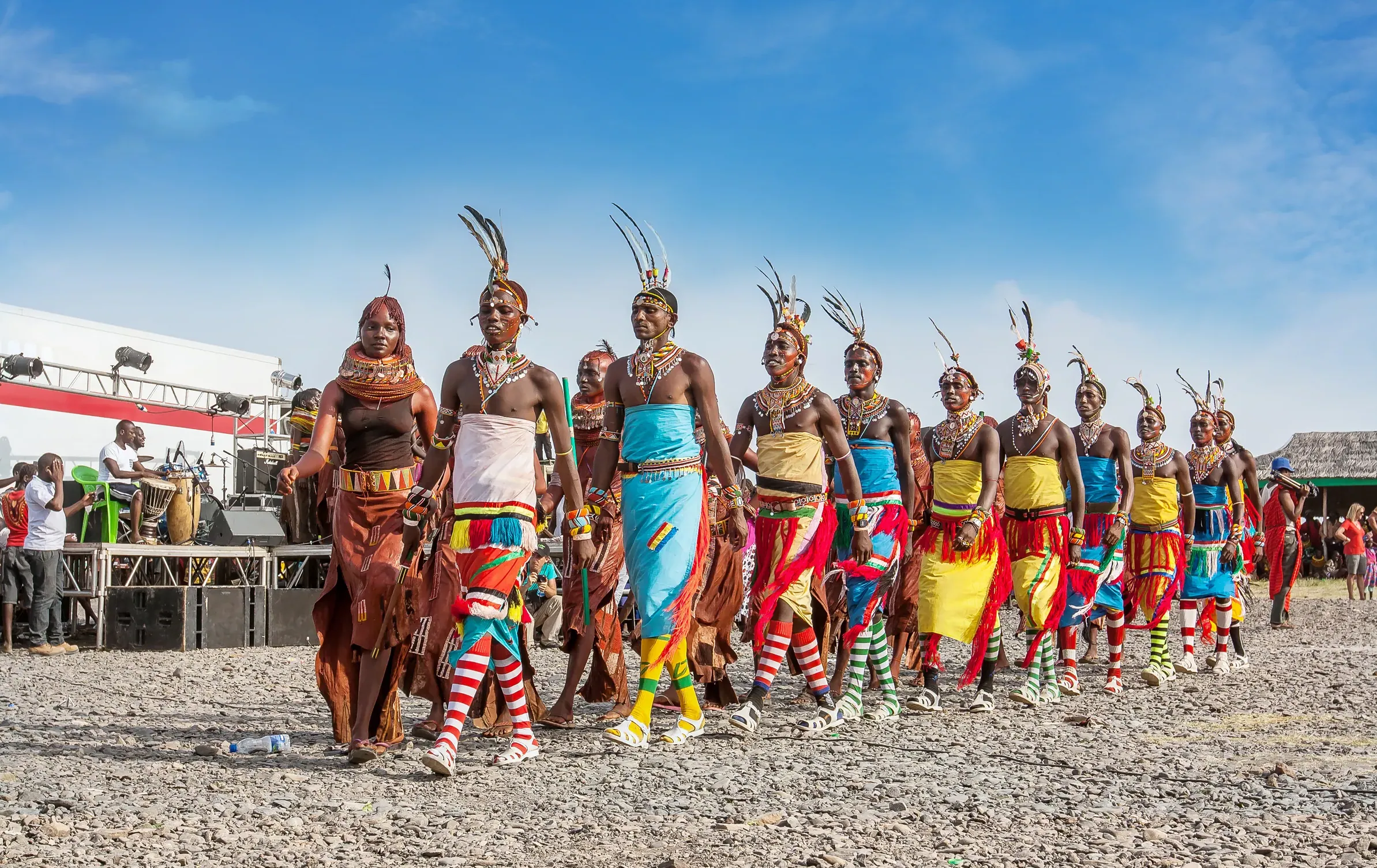
The best concerts are swaps, not shows. Bring pieces that say where you come from: spirituals, gospel, American folk songs, a hymn your congregation loves, a piece in four parts that shows off your blend. Ask your hosts to teach you a Kenyan song in return, and learn one before you arrive. The first verse of the national anthem, Ee Mungu Nguvu Yetu, sung in Kiswahili, is a gift every Kenyan audience recognizes, and our hosts can send you a Kenyan hymn or folk song with a recording months ahead. Expect Kenyan choirs to move as they sing; join in.
Venues, sound and power
- Churches and cathedrals are the usual venues, with good acoustics and a sound system run by the church's own team; send your needs ahead.
- School halls are bright, busy and loud. Concerts there are informal, with students in uniform and teachers who will ask for an encore.
- Pianos are rare outside cathedrals and music schools; most venues have an electric keyboard. Ask us what each venue has, and bring a keyboard player who can adapt.
- Power is 240 volts with type G plugs, and power cuts happen; most venues have a generator, but battery-powered tuners, lights and amplifiers are wise.
- Outdoor concerts are possible in the dry months, and gentlest in the late afternoon.
Instruments and kit
- International flights: carry small instruments in the cabin where your airline allows it, and buy a seat for a cello if you must bring one; check each airline's instrument policy before you book.
- Light aircraft: safari flights allow only 15 kg per person in soft bags, so instruments and robes travel between cities by road in our vehicles, or stay in Nairobi during the safari.
- Customs: carry a list of every instrument and its serial number, with receipts, so you can show that you are bringing them home again; ask us early whether anything needs a declaration.
- Climate: the coast is hot and humid; keep wooden instruments in their cases with humidity packs, and out of hot vehicles.
- Voices: Nairobi is at about 1,795 meters and dry, and safari roads are dusty. Drink water constantly, carry throat lozenges and rest voices on the travel days.
- Robes or concert dress: pack one set for concerts and one for services, and modest dress for Mombasa's Old Town.
Permits, money and giving
Free concerts in churches and schools are part of ordinary visitor travel, and every singer needs the $30 eTA and the $44 inbound health insurance at the time of writing. If any concert would sell tickets or pay your group, tell us early, because paid performances can need permission beyond the eTA. Retiring collections at a joint concert should go to a cause your host chooses, through its own accountable process. We never include orphanage visits.
A 10-day sample tour with a safari weekend
| Day | Where | What |
|---|---|---|
| 1, Friday | Nairobi | Arrive and rest |
| 2, Saturday | Nairobi | Workshop and rehearsal with a Kenyan choir; learn your Kiswahili piece |
| 3, Sunday | Nairobi | Sing at a Sunday service; joint concert in the late afternoon |
| 4, Monday | Nairobi | School visit and song exchange; Giraffe Centre or the Sheldrick elephant nursery |
| 5, Tuesday | Nairobi | Music workshop on Kenyan rhythms; a free evening |
| 6, Wednesday | To Mombasa | Madaraka Express train to the coast, about 5 to 6 hours |
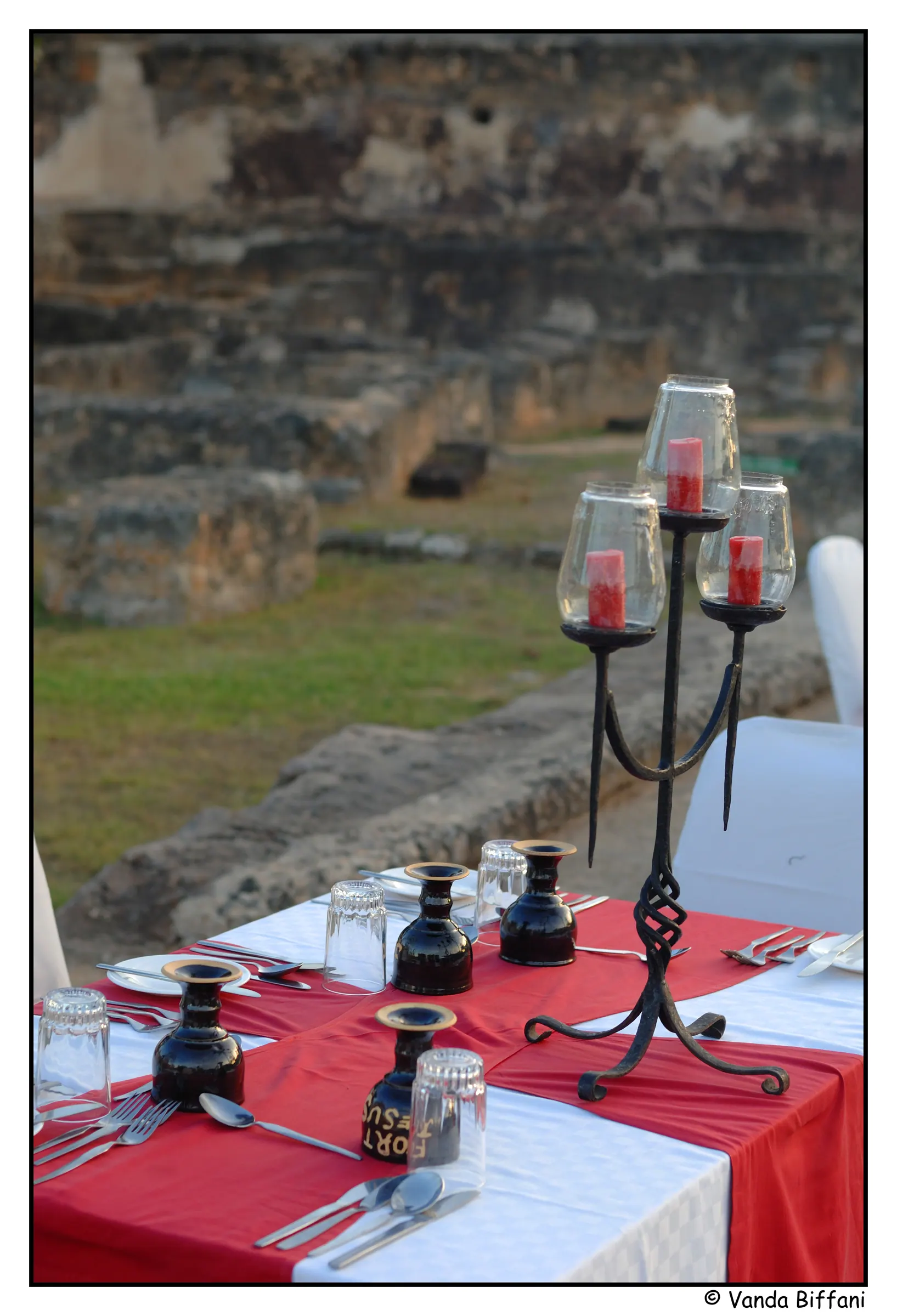
| 7, Thursday | Mombasa | Fort Jesus and Old Town in the morning; evening concert with a coast choir |
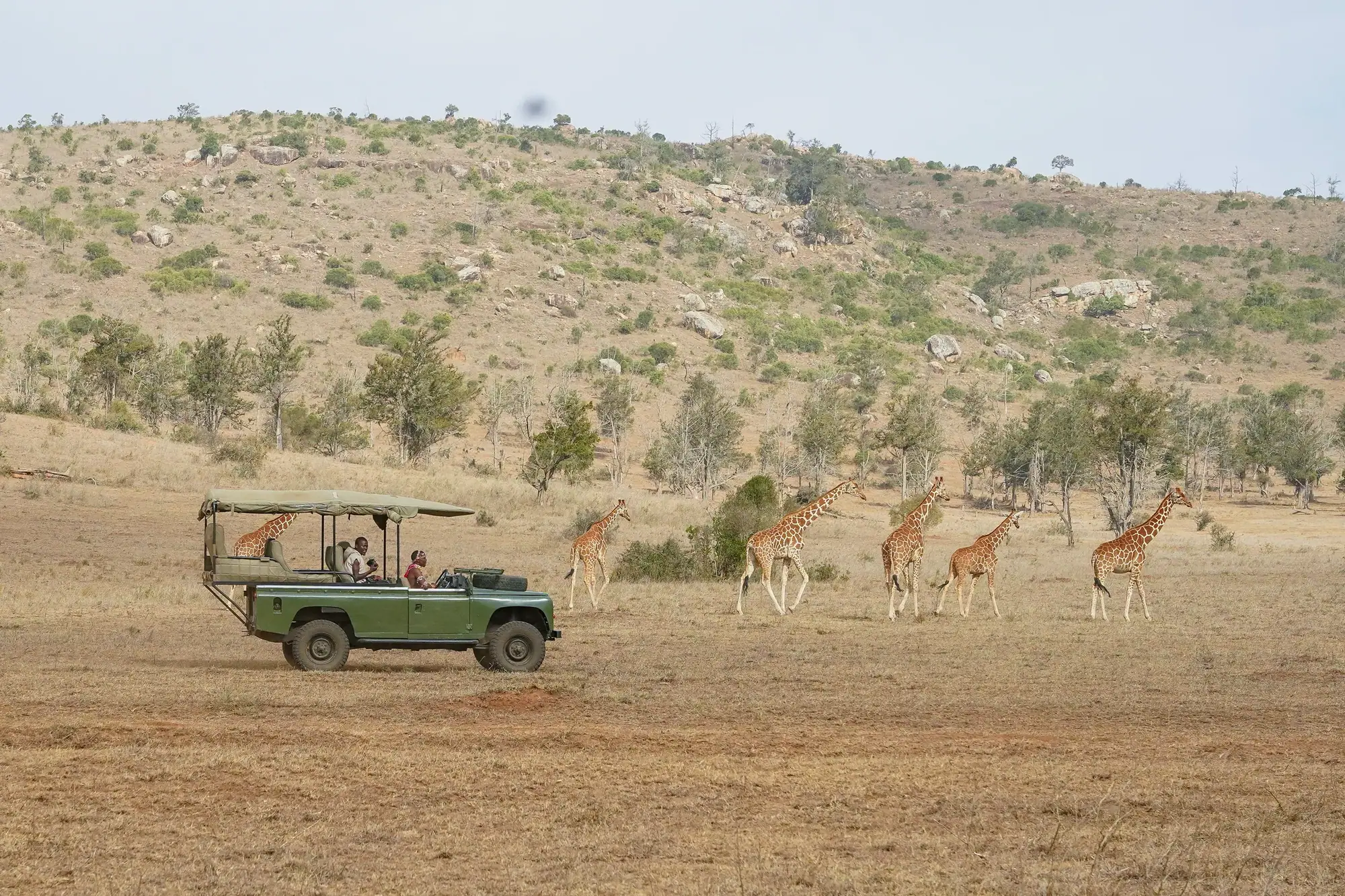
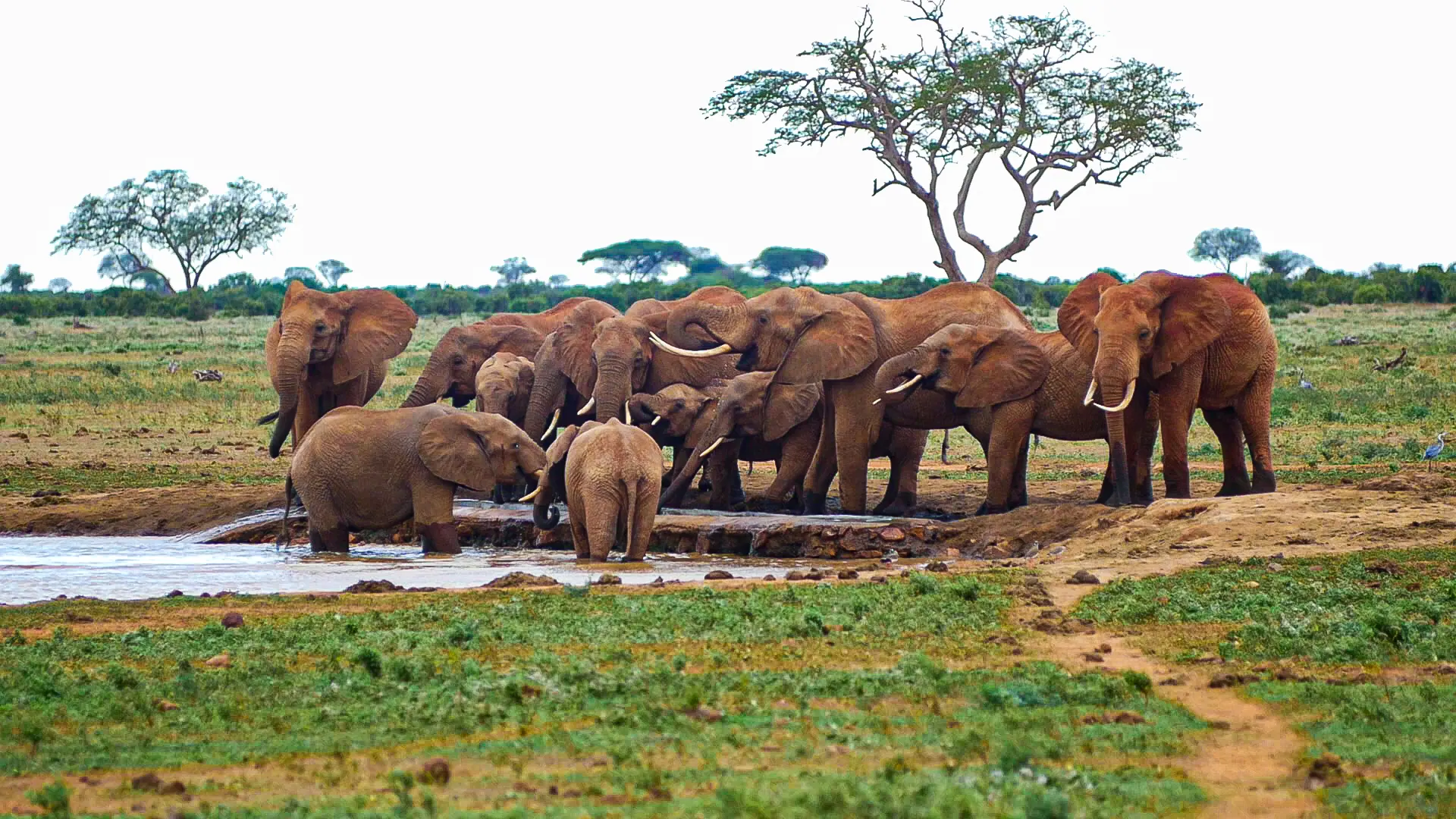
| 8 and 9, Friday and Saturday | Tsavo East | The safari weekend: game drives among the red elephants, voices rested |
| 10, Sunday | Mombasa | Sing at a Sunday service in Mombasa, then fly home via Nairobi |

When to go, and how to pay
Kenyan schools are in session for most of the year, with breaks in April, August and from November into early January, so school exchanges are easiest outside those weeks. July and August bring the Kenya Music Festival and the dry season for the safari; Easter and Advent bring the richest services, and the busiest. Each singer or family pays their own place through one group link, in full or monthly with no deposit, and the director sees who has paid on a private page. Before you book, check the current U.S. State Department advisory for Kenya with your school; our school trip safety page explains the framework for student choirs.