Group travel. Updated November 2026. 7 min read.
A parent signing a consent form for Kenya wants three answers. Who will be with my child? What happens if something goes wrong? How will I hear about it? This page gives all three, with the specific rules we run every school trip by, and the questions you should ask any operator, including us.
In short: students are with named adults at all times, at one adult to every six to eight students including our staff. They travel only in our own vehicles with our own drivers, sleep in lodges and hotels we have vetted, carry medical evacuation cover and have a doctor on call. Every family gets a daily update and a 24-hour number before departure. Before you book, check the current U.S. State Department advisory for Kenya and confirm your travel insurance covers your route.
Where school groups go
Most school trips follow one of a few well-planned routes: Nairobi, Lake Naivasha and the Maasai Mara; Nairobi, Amboseli and Diani on the south coast; or Nairobi, Ol Pejeta and Laikipia for a conservation focus. Each night is in a lodge or hotel we know, and your itinerary names every one of them, with the nearest clinic or hospital, before you commit.
| Area | What students do | How we get there |
|---|---|---|
| Nairobi | Nairobi National Park at dawn, the Giraffe Centre, the National Museum, a school exchange | Airport pickup in our vehicles; hotels in quiet suburbs |
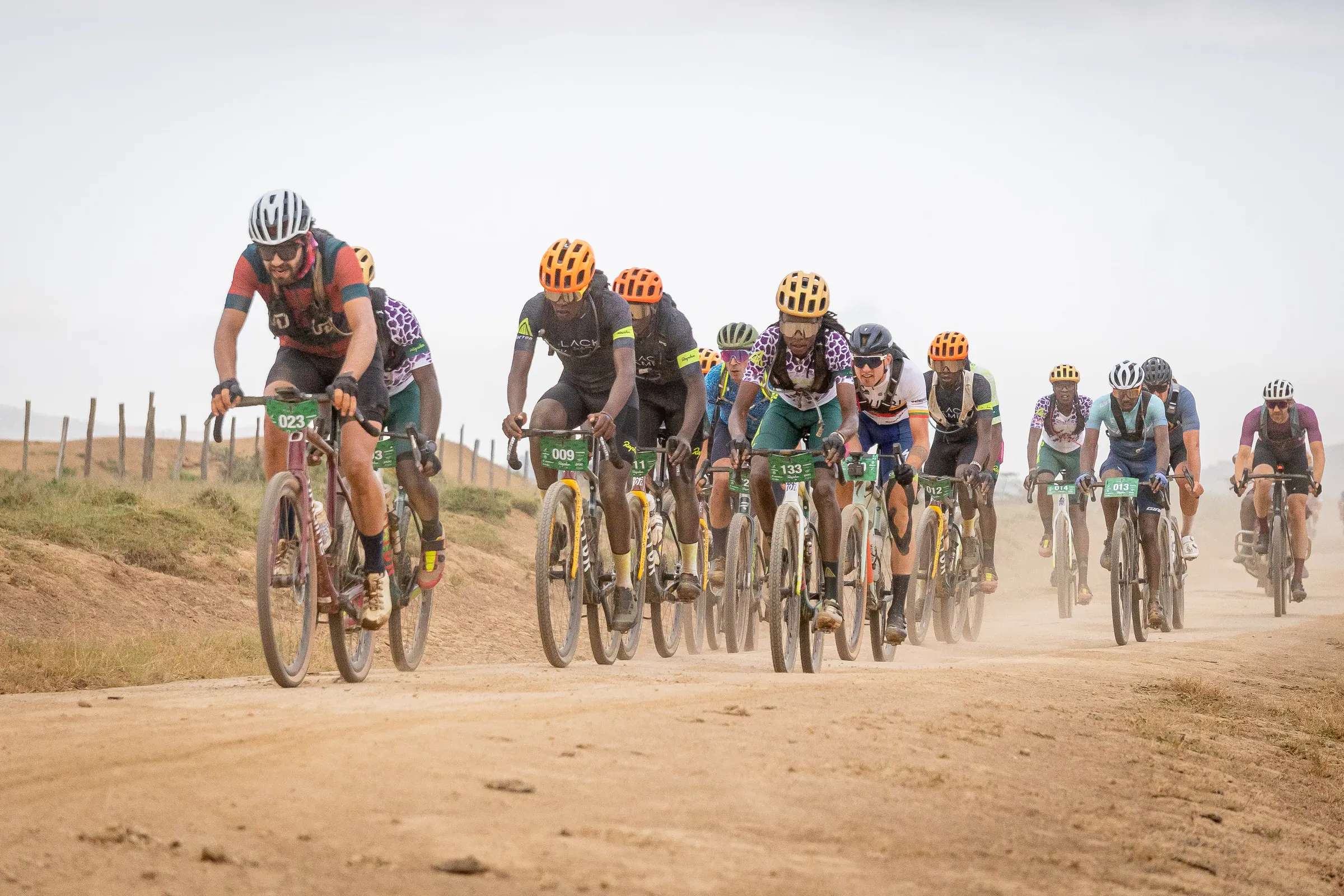
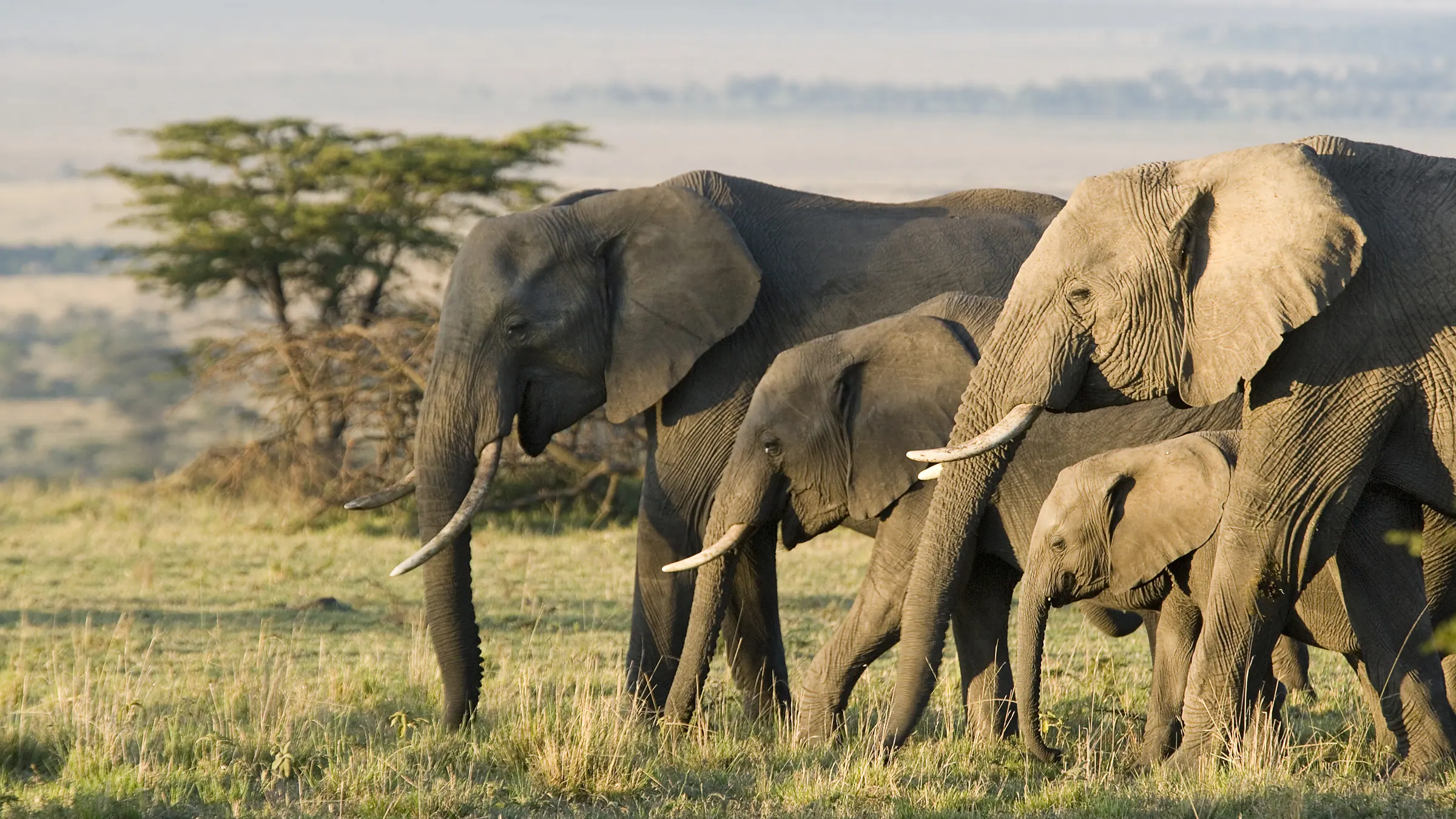
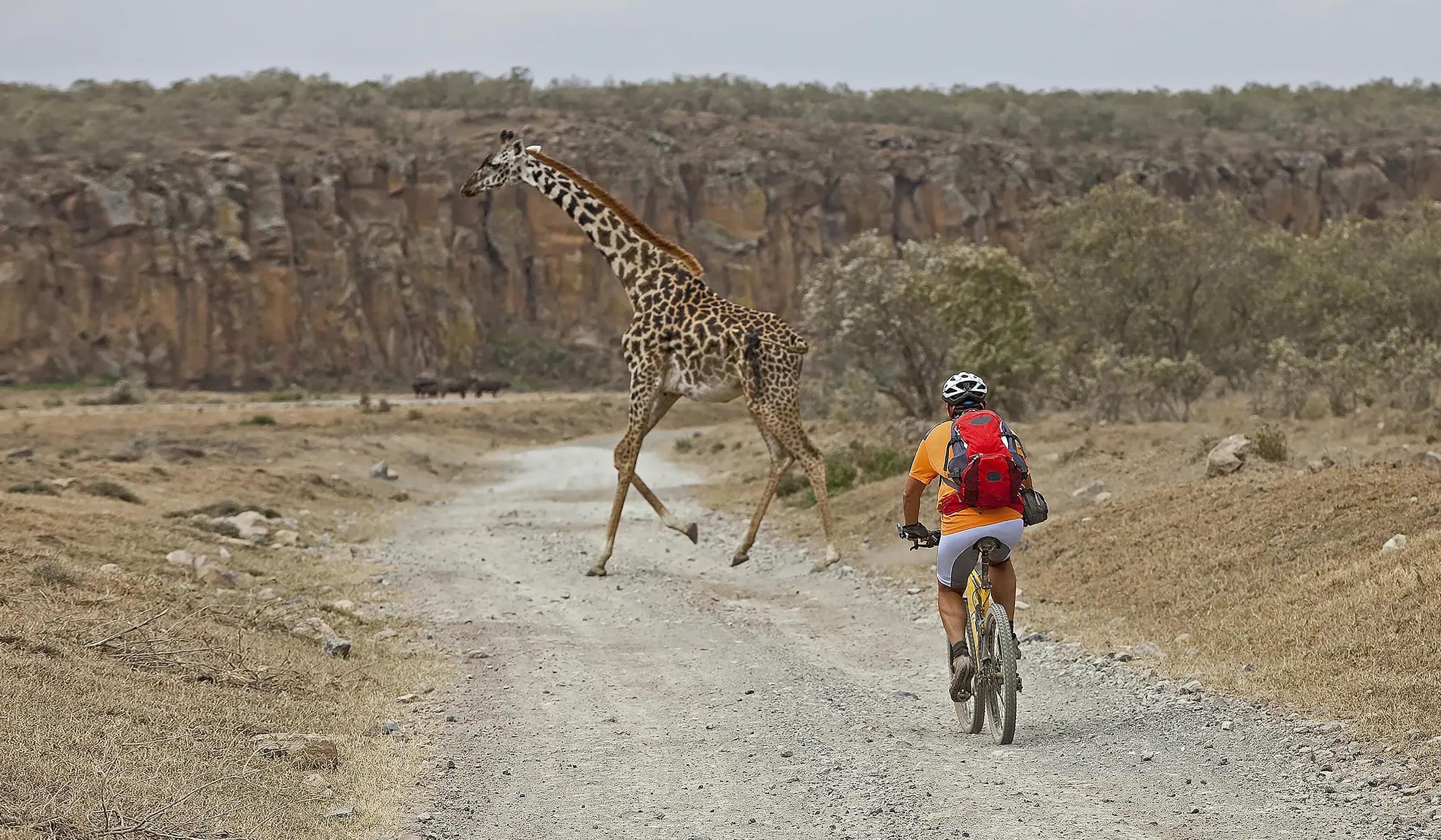
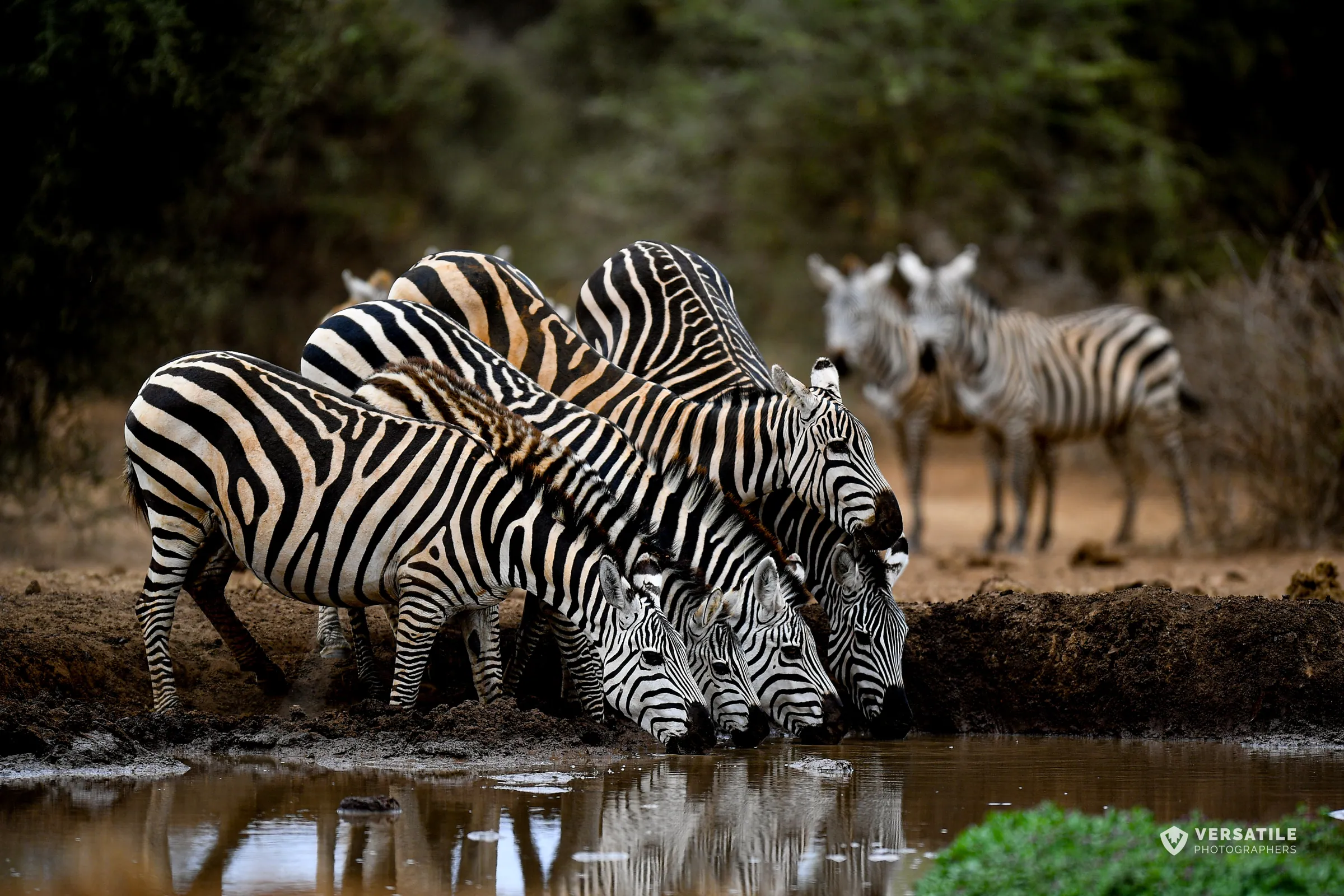
| Lake Naivasha and Hell's Gate | A boat safari, guided cycling among zebras and giraffes | By road from Nairobi, finishing in daylight |
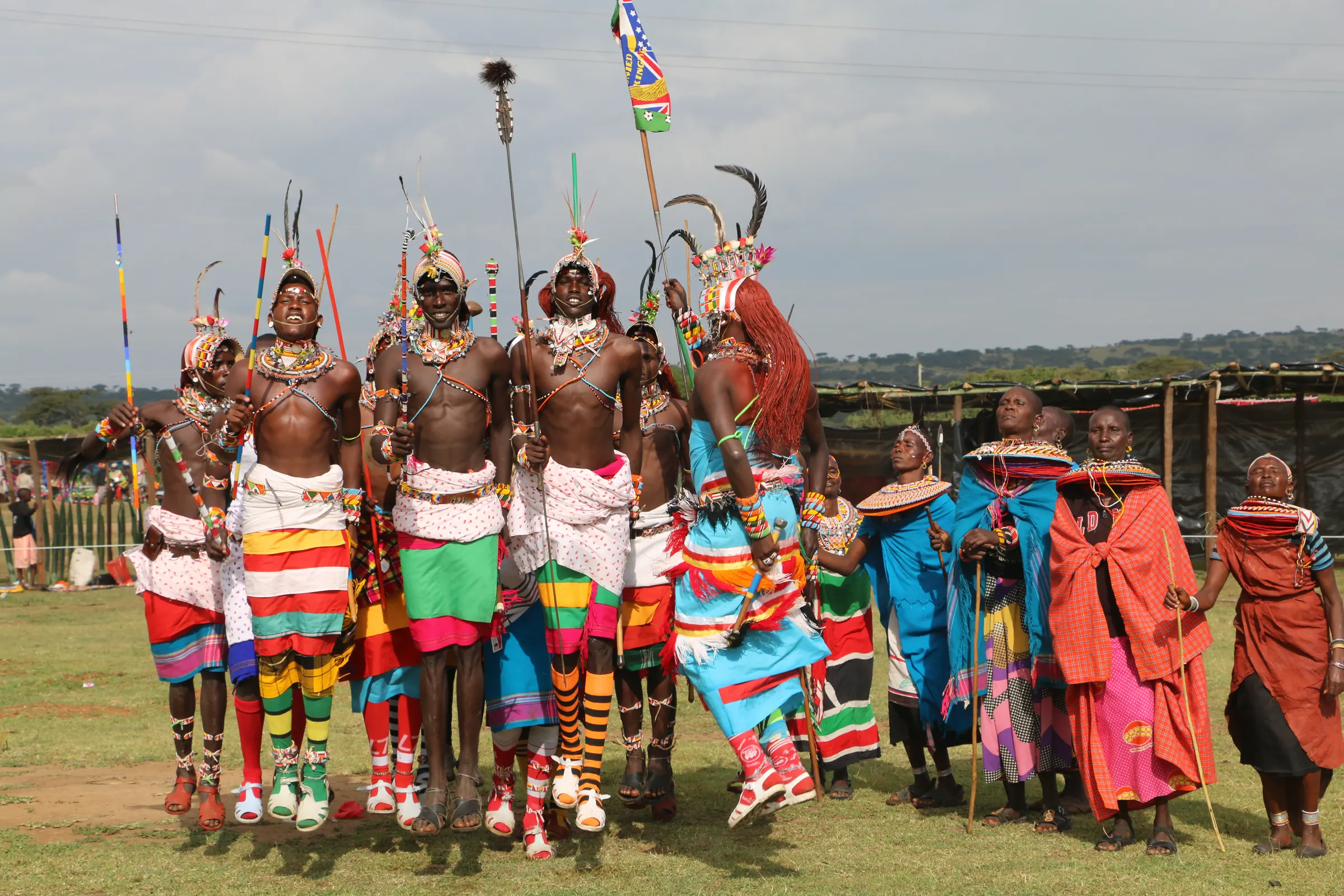
| Maasai Mara and its conservancies | Game drives, a day hosted by a Maasai community | By road from Naivasha, or a short flight from Nairobi |
| Amboseli | Elephants under Kilimanjaro, a community visit | By road from Nairobi, or by air |
| Ol Pejeta and Laikipia | Rhino conservation, ranger talks, conservancy research tasks | By road from Nairobi through the highlands |
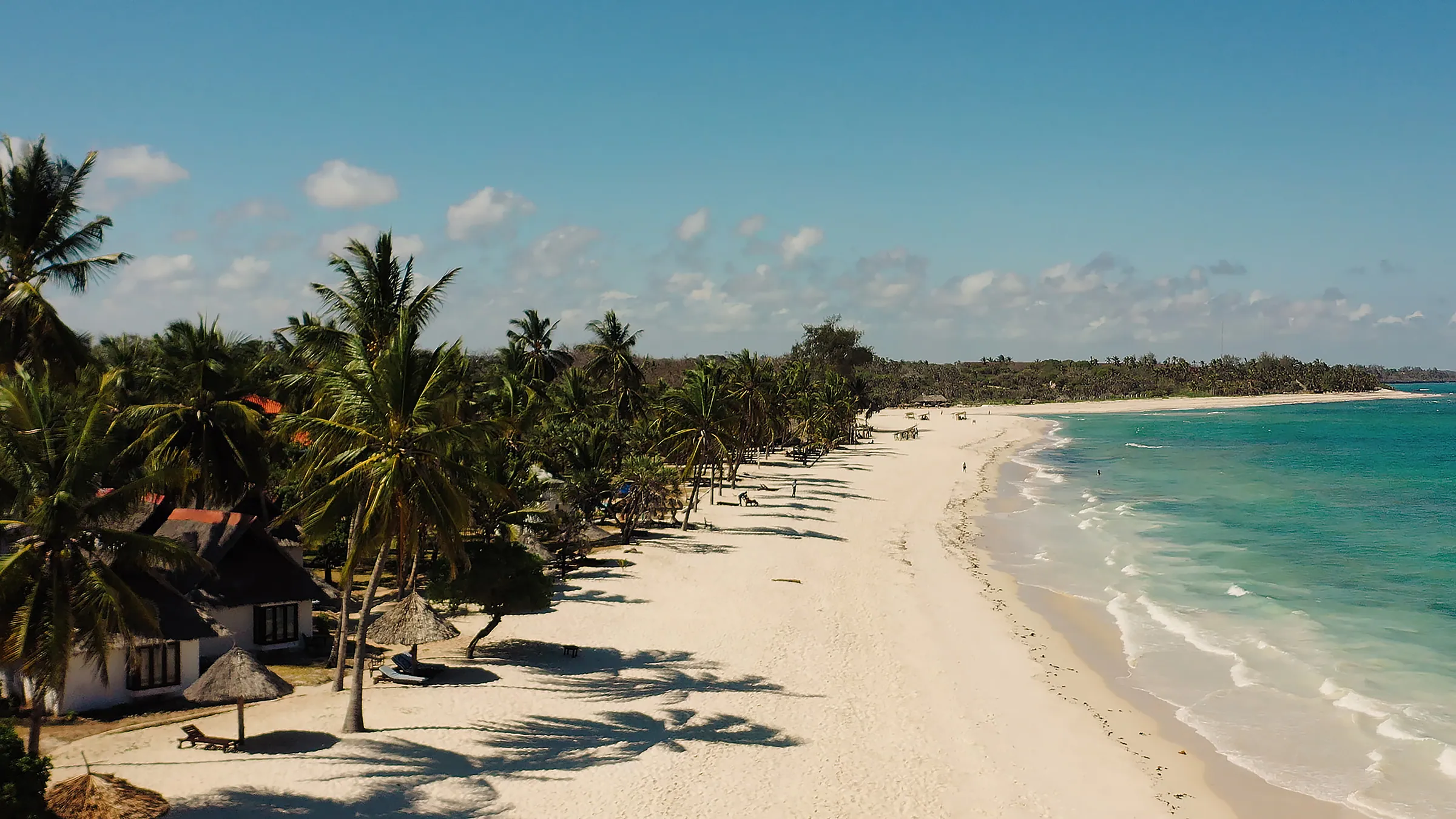
| Mombasa and Diani | Fort Jesus, the Old Town with a local guide, the beach with staff watching | A flight or the train from Nairobi |
Older students on a longer program can go further, to Lamu's Swahili old town, the Samburu country or Lake Turkana, and we plan those journeys the same way: fewer long drives, more flights, and an extra adult where the days are long.
The everyday risks, honestly
- Roads are the biggest real risk in Kenya. Students travel only in our own vehicles with our own drivers, with seat belts, and we plan drives to finish in daylight. Where a drive is long, we fly
- Petty theft happens in Nairobi and Mombasa. Students do not walk the streets unaccompanied, keep phones out of sight in town, and never go out after dark except with the group
- Malaria exists in much of Kenya. Families see a travel clinic about eight weeks before departure about tablets, and students use repellent and sleep under nets where provided
- Sun and water: we carry drinking water, enforce hats and sunscreen, and serve only bottled or treated water
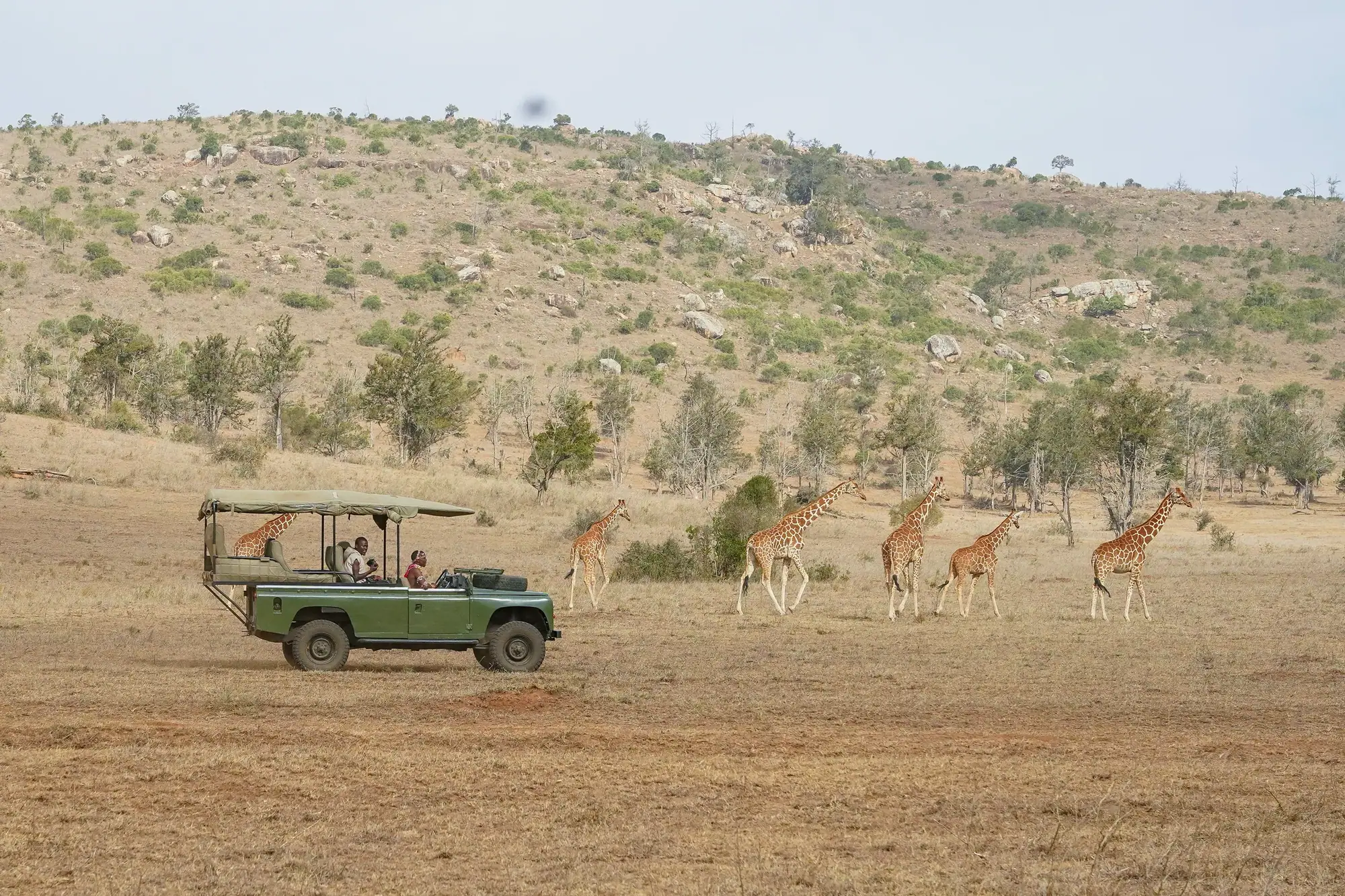
- Wildlife: the guide's instructions are final, students stay in vehicles on game drives, and walks happen only with armed rangers
- Swimming only in lodge pools or on beaches with staff watching, never in lakes or rivers
Supervision, in short
Our high school trips page sets out the full supervision checklist. In short: named adults with the group at all times, at one adult to every six to eight students including our staff; same-sex chaperones near student rooms; room checks every night; no alcohol; no free time without an adult; lodges with fenced grounds and night security; and a daily update to parents.
Health before and during the trip
Health planning starts about eight weeks before departure, when each family takes the student to a travel clinic or their own doctor to talk through routine vaccines, any vaccines recommended for Kenya, and malaria tablets. Our vaccines page and the CDC's Kenya page list what to ask about. Each family also completes a confidential health form, covering conditions, allergies, medicines and anything the trip leader should know, which we share only with the school's trip leader and our operations team.
- Medicines travel in their original packaging with a copy of the prescription, and the trip leader holds a spare list of each student's medicines
- Food allergies and dietary needs go to every lodge and hotel in writing before arrival, and our staff check each meal on the day
- Daily check-ins: the trip leader asks every student each evening how they are, including sleep, stomach and mood
- Hand sanitizer before meals, bottled or treated water only, and no street food unless our staff have chosen the stall
- Mental health: students can tell the school in advance about anything they want support with, and keep phone access to their own counselor
Medical cover and insurance
Every student has medical evacuation cover; we arrange AMREF Flying Doctors cover for school groups, and a doctor is on call throughout. Our staff carry first-aid kits and are first-aid trained. Kenya's mandatory $44 inbound health insurance, bought on eCitizen, is a separate requirement and is not travel insurance. Travel insurance experts recommend at least $250,000 of evacuation cover and $100,000 of medical cover.
Cancellation is where parents get caught out. Standard travel insurance generally pays only for the reasons listed in the policy, such as illness, and not because you have changed your mind or are worried. Only Cancel For Any Reason cover does, and it typically returns 50 to 75 percent of the cost, must be bought within 14 to 21 days of your first trip payment, and requires you to cancel at least two days before departure. If that matters to you, buy it early. The school's own insurance may cover staff and liability but not each family's trip cost, so ask.
Vetted hosts, lodges and visits
A school trip is only as good as the people it meets. Every lodge and hotel on a school itinerary has fenced grounds, night security, rooms that let chaperones sleep near students, and staff who know a school group is coming. Every school exchange, community visit and talk is with a host we know, confirmed in writing with a named contact, and paid directly. Students are never alone with children or with adults outside the group, and hosts know the group's rules on photos, phones and gifts before the day.
How you will hear from us
| Situation | Who tells you | How |
|---|---|---|
| An ordinary day | The school trip leader | A daily update to parents on WhatsApp |
| Minor illness, such as an upset stomach | The school trip leader | A phone call the same day |
| A clinic or hospital visit | The school trip leader, with our operations team | A phone call as soon as your child is with a doctor, before any group message |
| A route change, such as a road closure or protests | Our operations team, through the school | A message to all families, with the reason |
| A change to the itinerary before departure | Kenya Experience | In writing to the school and families, the same day |
| You need us urgently | You | The 24-hour number every family receives before departure |
For schools and universities: our safety framework
Study-abroad offices, principals and boards ask for the same framework, and we share it in writing before you commit. It follows the health, safety and security language of the Forum on Education Abroad's Standards of Good Practice. Ask us for our safety plan template, and we will complete it for your itinerary.
- A written risk assessment for each itinerary, reviewed before every departure
- Every night's location, the drive or flight to reach it and the nearest clinic or hospital, mapped day by day
- Vetted lodges and our own vehicles and drivers; no public transport
- Staff ratios agreed in writing, with a named program lead and safeguarding contact
- A 24-hour line in Kenya and a named U.S. contact
- Medical evacuation cover, a doctor on call, and the nearest hospital for each night of the trip
- An emergency action plan that includes STEP enrollment and the U.S. Embassy in Nairobi
- Health protocols: malaria advice, food and water hygiene, allergy plans and daily check-ins
- Conduct rules, alcohol policy and Title IX reporting lines agreed with your office
- Mental-health support: what students disclose before travel, daily check-ins, and phone access to their own counselor
- Incident reporting to your office within an agreed time, and a post-trip report
Questions every parent should ask
- Who exactly will be with my child, and what training do they have?
- Where is each night of the trip, and how far is the nearest hospital?
- What happens if my child is sick, hurt or homesick?
- What happens if the plan has to change before or during the trip?
- What insurance does the school carry, and what should I buy?
- How will I hear from the group, and how do I reach someone at 3 a.m.?