Group travel. Updated November 2026. 6 min read.
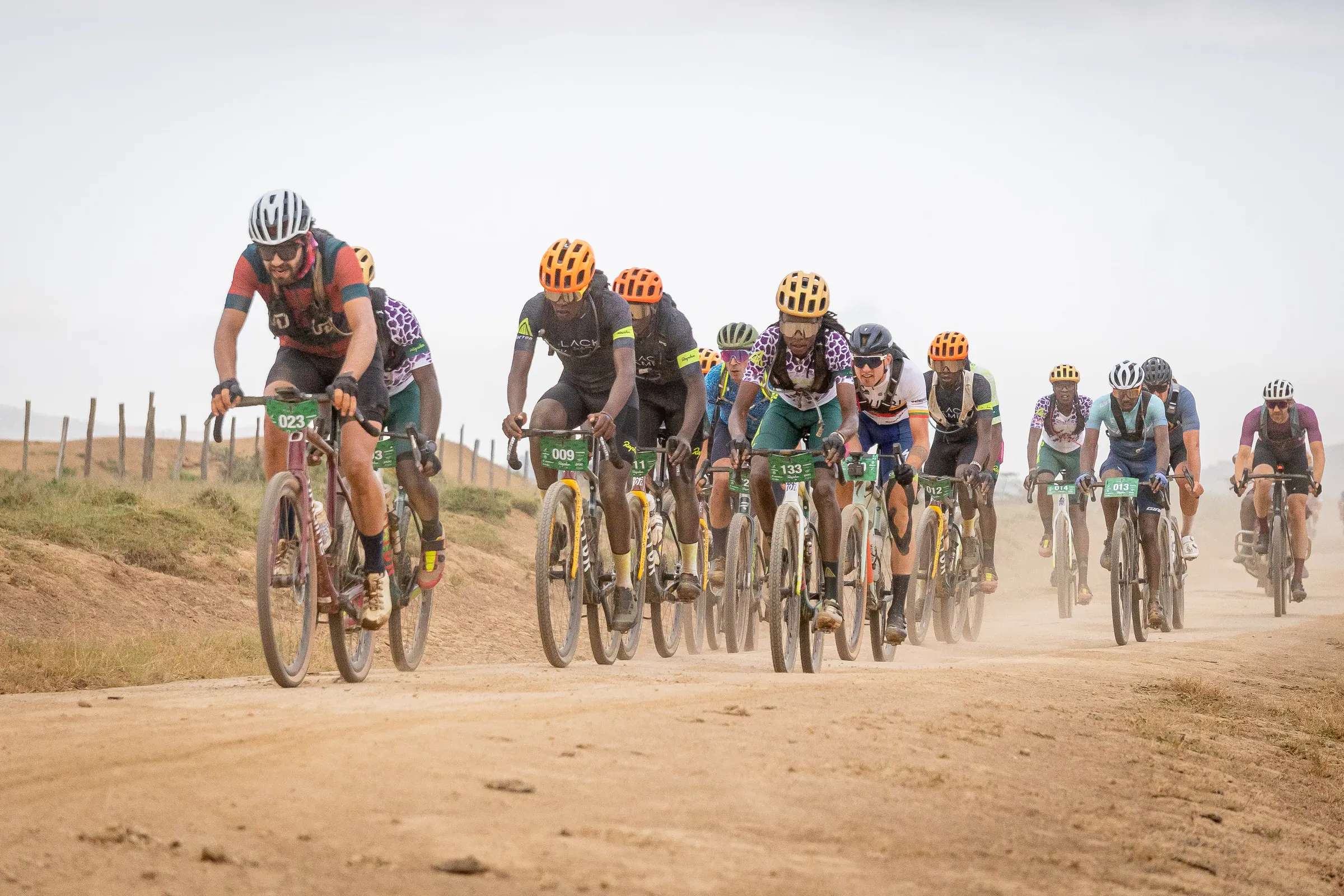
A cross-country team that runs a week of red-dirt trails above the Kerio Valley comes home faster. A rugby squad that plays a Nairobi club side in front of a crowd that sings through the whole match comes home louder. And every team that spends a morning coaching kids at a Kenyan sports charity comes home a little different. That is what a team tour to Kenya is for.
This page is for coaches and athletic directors of U.S. high school, college and club teams. In short: runners go to Iten, at about 2,400 meters, for altitude training with Kenyan coaches; rugby teams build a tour around the Safari Sevens in Nairobi; football, basketball and cricket teams play friendlies and run joint clinics with Kenyan sides; and every tour includes a session with a Kenyan sports charity and a safari. Our group trips guide explains how group bookings and payments work, and our sports page covers individual runners and golfers; here are the specifics for teams.
What each sport looks like
| Sport | Where | What the team does | Best time |
|---|---|---|---|
| Distance running and cross-country | Iten and Eldoret | Altitude camp: easy runs on dirt roads, track sessions, a long run with local athletes, coaching talks, recovery | June to September, and around the Nairobi Marathon in late October |
| Rugby | Nairobi | Matches or joint training with club sides, the Safari Sevens weekend, a coaching clinic | October, for the Sevens |
| Football (soccer) | Nairobi and the coast | Friendlies with academy and school sides, joint training, a Kenyan Premier League match as fans | Kenyan school terms, January to November |
| Basketball | Nairobi | Clinics and scrimmages with school and club teams | School terms |
| Cricket | Nairobi | Friendlies and nets at a city club | The drier months |
| Volleyball | Nairobi | Joint sessions with school and club teams in the country of the Malkia Strikers | School terms |
Altitude training in Iten
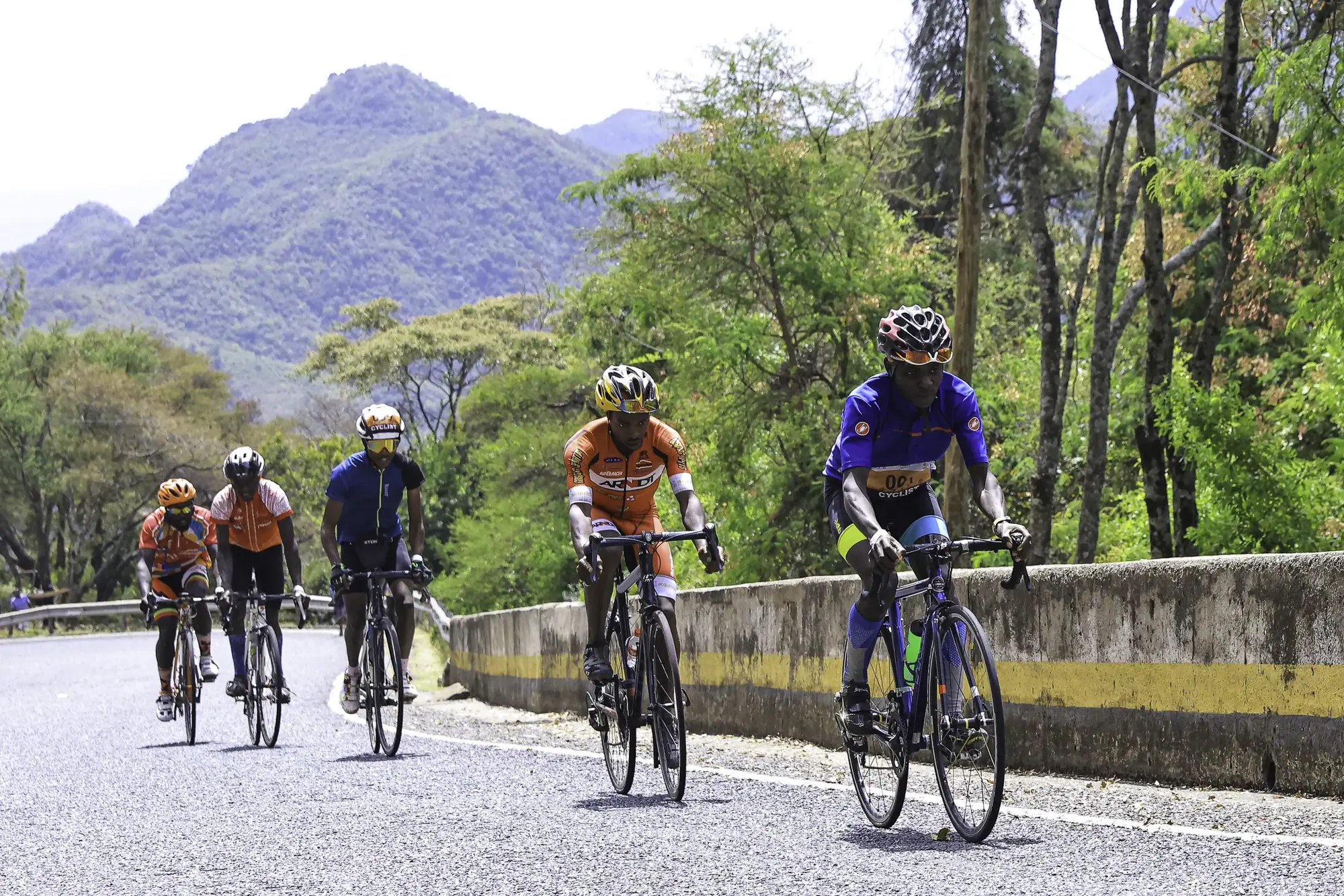
Iten, on the edge of the Kerio Valley escarpment in Elgeyo-Marakwet County, is the town that made Kenyan distance running famous, and it still hosts runners from around the world. At about 2,400 meters, the thin air forces the body to adapt, which is the point, and also the risk. Plan the first three days easy: shorter runs, slower pace, more sleep and more water. Athletes with sickle cell trait, asthma or heart conditions should see their team physician before they travel. A camp week runs on the local rhythm: an early run at 6am, breakfast, rest, a second session in the afternoon and early nights. Eldoret, about an hour away, has the airport, hospitals and bigger hotels. Our Iten and Eldoret page and our Kenyan athletics history page tell the story behind the town.
Rugby and the Safari Sevens
Kenya is a sevens nation, and the Safari Sevens is its party. The 2026 edition runs October 9 to 11 at Nyayo National Stadium in Nairobi, with tickets at KSh 300 on Friday, KSh 750 on Saturday or Sunday and KSh 1,000 for the weekend at the time of writing. A team tour can watch all three days, train with a Nairobi club such as Impala or Nondescripts in the week around it and play a fifteens or sevens fixture against a club or university side. Kenya is also due to host a leg of World Rugby's second-tier sevens series in 2027; check the date before you plan around it.
Matches, clinics and what to expect on the field
- Pitches: many school and club fields are hard, dry and uneven, with murram or patchy grass; bring firm-ground and turf boots and plenty of tape.
- Officials: we arrange qualified referees for fixtures, and agree rules, substitutions and match length with the host coach in advance.
- Level: be honest about yours. A friendly is better when it is close, and Kenyan teams play hard.
- Crowds: a visiting American team draws a crowd. Expect noise, singing and a long handshake line afterward, and plan a shared meal or drink of tea with the hosts.
- Heat: on the coast, train early or late; in Nairobi and Iten, the sun is strong even when the air is cool.
- Watching: a Gor Mahia against AFC Leopards match, the Mashemeji derby, is the loudest afternoon in Kenyan sport, and we can take the team as fans when the fixture fits.
Giving back, on the partner's terms
Most teams want to give something back, and the best way is through a Kenyan sports charity that already does the work: Moving the Goalposts, which runs football and life-skills programs for girls in Kilifi, or the Shamas Rugby Foundation, for example. Your athletes run a session alongside the charity's own coaches, play a mixed game and hear from young Kenyan players. Bring kit only if the partner asks for it and tells you what they need, and route any donation through the partner's accountable process, not a duffel bag at the airport. We never take teams to orphanages.
Logistics and kit
- Kit list: two sets of training kit, match kit, firm-ground and turf boots, shin guards or mouthguards as your sport needs, a water bottle per athlete, recovery gear, a team first-aid kit and sunscreen.
- Bags: international airlines carry sports bags as checked luggage, sometimes for a fee; check your airline. Light aircraft to safari parks allow only 15 kg per person in soft bags, so teams travel between bases by road in our vehicles, with the kit.
- Food: Kenyan team food is good fuel, with ugali, rice, beans, chicken and vegetables. Tell us about allergies and dietary needs early.
- Water: bottled or filtered only, and more of it than at home, especially at altitude.
- Health: see a travel clinic about eight weeks before departure. Malaria risk is low in Iten's highlands and higher on the coast and around Lake Victoria.
- Laundry: every team hotel we use washes kit; plan for it every second day.
Safety, insurance and supervision
Team tours follow the same safety framework as our school trips. Before you book, check the current U.S. State Department advisory for Kenya with your school and confirm your travel insurance covers your route. For minors, the ratio is one adult to every six to eight athletes, including our staff, with same-sex chaperones, room checks, no free roaming and no alcohol. Every athlete is covered for medical evacuation, and families get a 24-hour line. Check your team's insurance for sport: many standard travel policies exclude organized or contact sports, so ask for cover that names your sport and competitive play. College teams should also check with their compliance office, since NCAA rules govern foreign tours and practice time. Our school trip safety page has the full framework for parents.
What it costs per athlete
We quote per athlete once we know the dates, the squad size, the sport and the bases, and we show every line. Some costs are fixed and known now:
| Item | At the time of writing | Note |
|---|---|---|
| International flight | About $900 to $1,600 from New York | Group fares can be held early; summer costs more |
| Kenya eTA | $30 per traveler | Apply only on the official portal |
| Inbound health insurance | $44 plus fees | Mandatory since October 2026, bought on eCitizen |
| Maasai Mara reserve fee | $50 a day for students with a school letter | Against $100 to $200 a day for adults |
| Ground costs | Quoted per athlete | Lodging, meals, transport, fixtures, officials, coaching, staff and the safari |
Each family or athlete pays their own place through one group link, in full or in monthly payments with no deposit, and the coach sees who has paid on a private page. Many teams fundraise for a year; a 12-month monthly plan makes that work.
A sample 12-day running tour
| Days | Where | What |
|---|---|---|
| 1 to 2 | Nairobi | Arrive, rest, an easy run in Karura Forest, a clinic with a Nairobi school |
| 3 to 7 | Iten | Altitude camp with Kenyan coaches, a session with a sports charity, a visit to a local athletics club |
| 8 to 9 | Lake Nakuru or Naivasha | Rest days with wildlife: rhinos at Nakuru or a boat on Naivasha |
| 10 to 11 | Maasai Mara | Game drives, and a Maasai community visit |
| 12 | Nairobi | Fly home |