Safety. Updated November 2026. 7 min read.
Most people who ask us this have a headline in mind, and the trip they actually take looks nothing like it: a game drive at dawn, a camp with a night guard, a guide who knows every bend of the road, and a long lunch on the beach at the end. Most visitors to Kenya have trouble-free trips.
Here is our honest answer. The things that do go wrong on a Kenya trip are mostly ordinary: a phone lifted in a Nairobi crowd, an upset stomach, sunburn on the first game drive, a long road transfer that should have been a flight. This page goes through each risk and what to do about it: crime and scams in the cities, the roads, wildlife and park rules, health and water, and advice for women and LGBTQ+ travelers. It ends with what we do on every trip. We will not tell you any place is risk-free. We will tell you what we know from planning these trips and what we do on the ground.
Crime in the cities
Nairobi and Mombasa are big, busy cities, and most crime against visitors is petty theft: phones snatched from a hand on the street, bags opened in a crowd, cards skimmed at a careless ATM. After dark there is also a risk of mugging and carjacking, which is why the most useful habit in Kenya is a simple one: do not walk at night, even a short way.
- After dark, take Uber, Bolt or Little, or a hotel car. Order the ride from inside, confirm the plate and the driver's name, sit in the back and share your trip with someone.
- On the street, keep your phone out of sight and in a front pocket, and carry only the cash you need for the day. Passports, spare cards and most of your cash stay in the hotel safe.
- Use ATMs inside banks, malls and hotels, by day.
- In crowds, at markets and on the Likoni ferry between Mombasa Island and the south coast, keep bags zipped and in front of you.
- Expect bag checks and metal detectors at the doors of malls, hotels and offices in Nairobi. They are routine, and you will pass through them every day.
- On days when street protests are called, stay out of city centers and follow your guide's advice. Enroll in STEP so the U.S. Embassy's alerts reach you by email.
Our Nairobi transport guide covers ride-hailing, the expressway and the matatus in more detail. On our trips, guests move by car with a driver we know, door to door, so most of this is already handled for you.
Scams to know about
- Look-alike eTA websites that charge extra. Apply only on the official portal, etakenya.go.ke, and buy Kenya's inbound health insurance on eCitizen.
- Airport touts offering taxis at JKIA. Your driver meets you with a name board on our trips; otherwise use a ride-hailing app from the arrivals area.
- Beach sellers on the coast offering boat trips, tours and souvenirs. Book boat trips through your hotel or through us, and say a polite, firm no if you are not interested.
- Fake safari companies online, with prices well below everyone else's. Book with a company that gives you a written itinerary, names its lodges and will show you its partners' licences.
- Street stories that end with a request for money for school fees or a bus fare. Give through a registered charity or a project your guide knows, not on the street.
Road safety: the biggest real risk
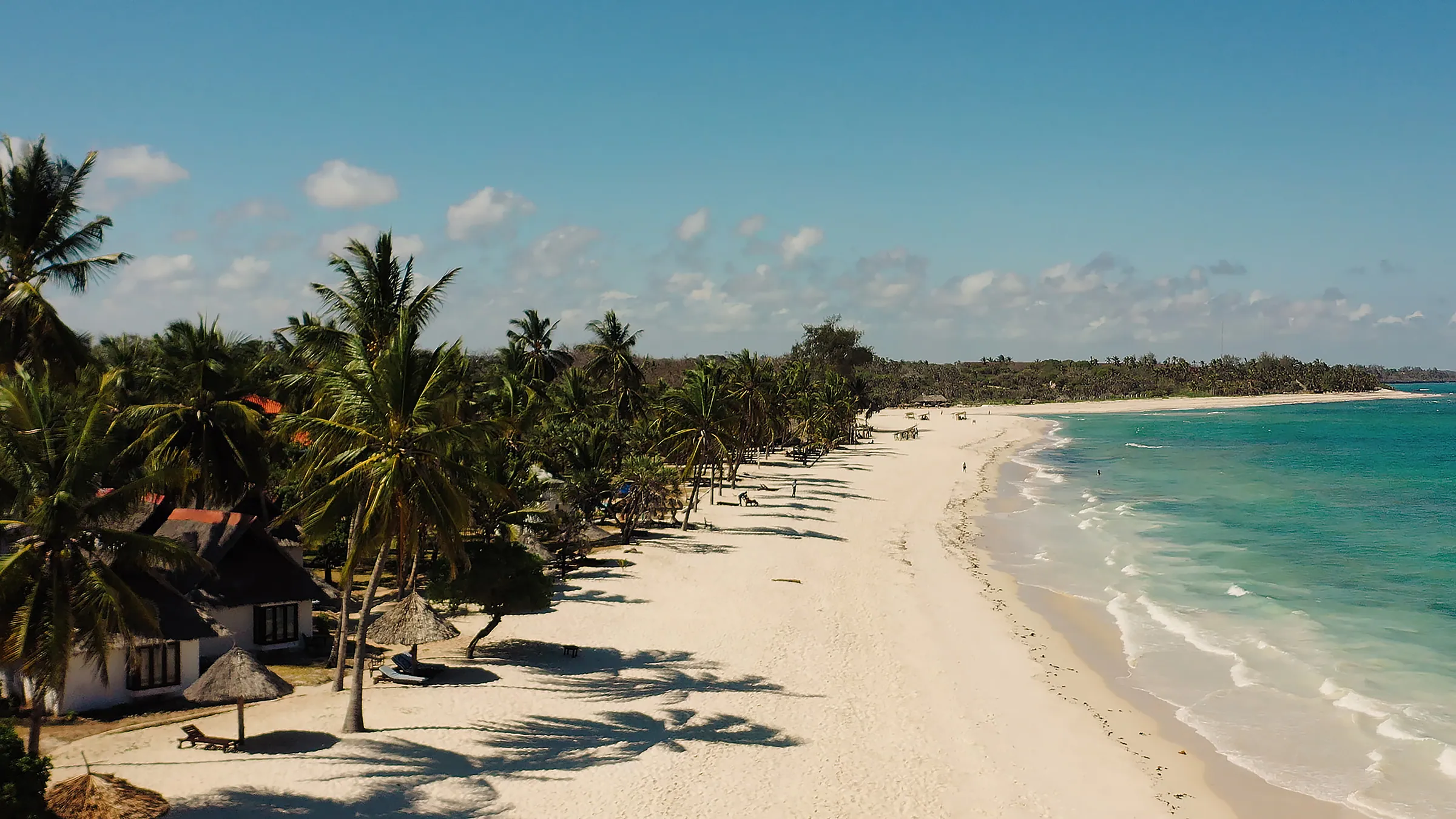
The roads are the biggest real risk in Kenya, for visitors and Kenyans alike. Trucks overtake on blind bends, matatus stop anywhere, and livestock and pedestrians share the road, especially at dusk. The Nairobi to Mombasa highway is busy with heavy trucks day and night, and the drive from Nairobi to the Maasai Mara takes about 5.5 to 6.5 hours, with a rough last stretch to the gates.
Three habits cut the risk most. Travel with an experienced driver rather than self-driving on your first trip. Plan long drives for daylight, so nobody is on the road after dark. And fly where the road is long: the Mara is about an hour by light aircraft from Wilson Airport, and the coast is about an hour from Nairobi by air. Wear your seatbelt in every vehicle that has one. Our driving guide covers self-drive if you want to try it.
Wildlife and park rules
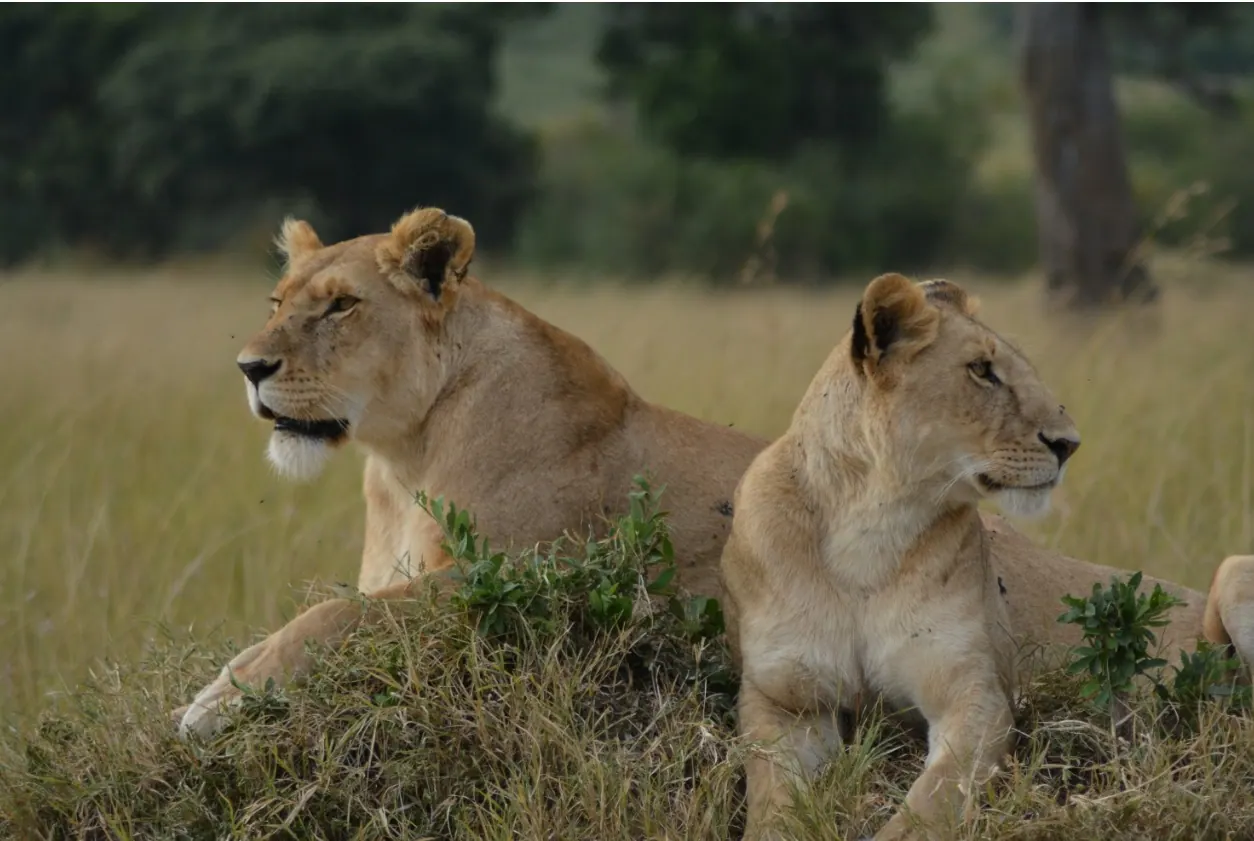
The animals in Kenya's parks are wild, and the rules exist because of that. Your guide's instructions are not optional, and good guides will hold you to them politely and firmly.
- Stay in the vehicle except at designated points, keep hands and cameras inside near animals and keep your voice down.
- Never ask a driver to move closer than the guide judges right, or to leave the track where off-road driving is not allowed.
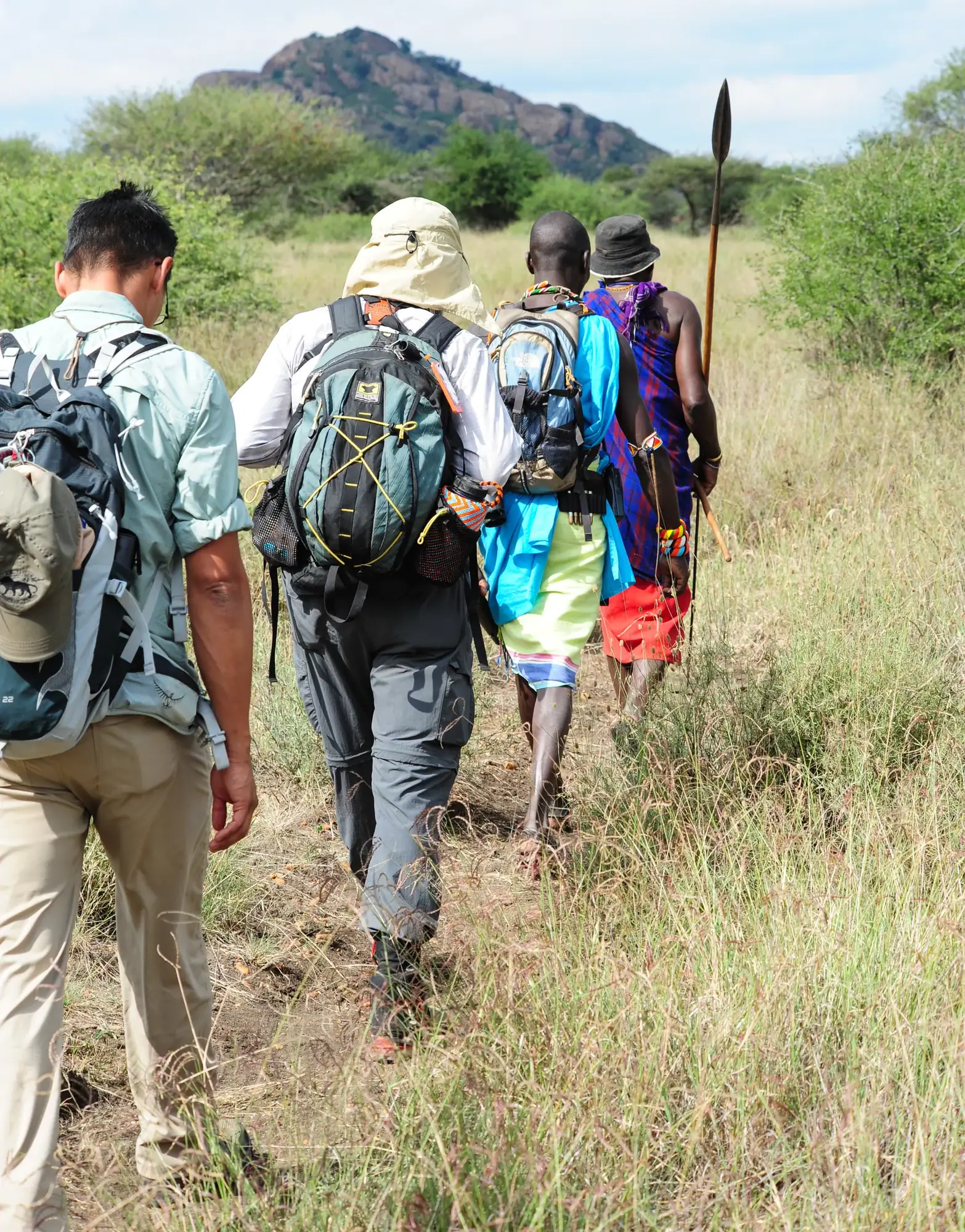
- Walk only with a trained guide, and in the conservancies with an armed ranger. Never walk on your own in the bush.
- Many camps are unfenced, and elephants, hippos and buffalo walk through them after dark. Let the camp's askari, the night guard, walk you to and from your tent.
- Do not swim in lakes or rivers. Hippos and crocodiles aside, fresh water can carry schistosomiasis, a parasite CDC warns travelers about.
- Keep food out of reach of monkeys and baboons at lodges, and zip your tent when you leave it.
Health basics
See a travel clinic six to eight weeks before you fly. No vaccine is required at the border if you fly from the U.S. nonstop or connect through Europe or the Gulf, but CDC recommends routine vaccines, hepatitis A and typhoid for most travelers, and yellow fever for most safari areas. Our vaccines page has the full list and the timeline.
Malaria is the health risk that matters most on most trips. CDC advises preventive pills for most Kenya itineraries, even though the risk in Nairobi is low, because a safari moves you between zones. Use repellent from dusk to dawn, sleep under the net, take every dose, and if you get a fever during the trip or in the months after it, see a doctor and say you were in Kenya. Our malaria page covers risk by region and the medicines clinics prescribe.
The equatorial sun burns faster than it feels, even on cool mornings, so wear a hat and high-factor sunscreen in open vehicles. Nairobi sits at 1,795 meters, which most people barely notice; Mount Kenya is a different matter. Nairobi has good private hospitals, including Aga Khan University Hospital, The Nairobi Hospital and The Karen Hospital, and serious cases from the parks are flown there.
Water and food
Drink bottled or filtered water only. Camps and lodges provide filtered water, usually in refillable bottles, because single-use plastic bottles are banned in national parks; bring your own bottle and use it everywhere. If your stomach is sensitive, brush your teeth with filtered water too. Lodge and camp kitchens cook for visitors every day and are used to allergies and special diets if you tell us before you travel. In towns, the usual traveler habits apply: food served hot, fruit you peel yourself, and busy places where the food turns over quickly. Pack oral rehydration salts in case.
Women, LGBTQ+ and solo travelers
On a guided trip a woman traveling alone moves as every guest does: met at the airport, driven by a vetted guide and walked to her tent after dark. In coast towns, cover shoulders and knees away from the beach, as men and women both do. Our guide to solo female travel in Kenya, written with the Kenyan women on our team, goes further on Nairobi, the coast and what to pack.
Kenya's Penal Code criminalizes sex between men, and public attitudes are mostly conservative, so couples of any kind are wise to keep affection private in public. We choose lodges and guides we know will treat every guest with respect. Our LGBTQ+ travel guide explains the law, how it is applied and how LGBTQ+ travelers visit. Solo travelers of any background can join one of our group departures, which costs less than a private trip and comes with company.
What we do on every trip
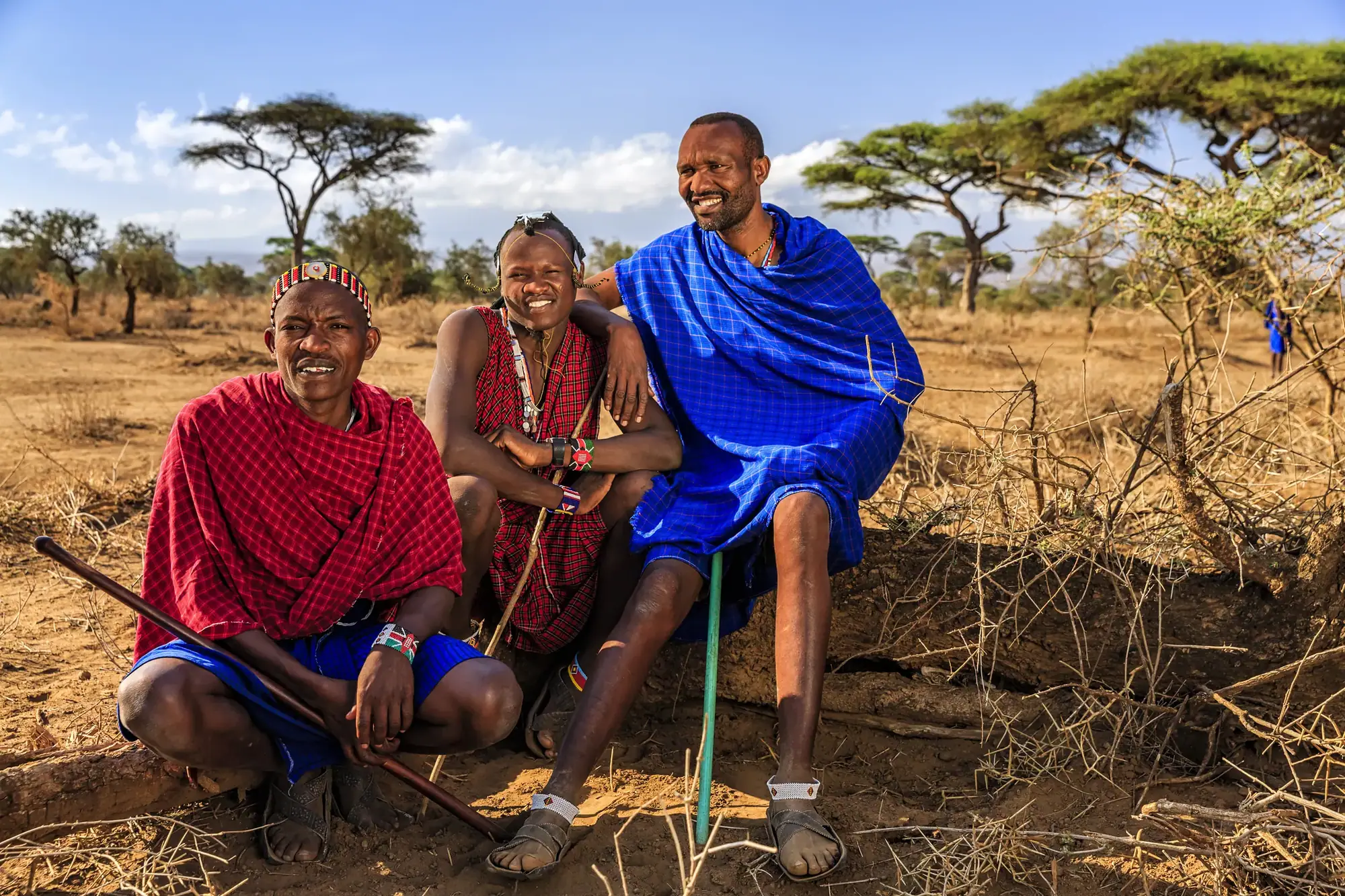
- Vetted Kenyan drivers and guides, in vehicles we know, with long drives planned for daylight
- A meet-and-greet at the airport, so you never negotiate a taxi on arrival
- Lodges and camps we know, with their own night guards
- Flights between parks where the road is long
- A 24-hour support line for the whole trip
- Emergency evacuation cover through a flying-doctor service, which flies you from a park or airstrip to a Nairobi hospital
- A reminder to enroll in STEP, and the U.S. Embassy's emergency details in your travel documents
Before you book, check the current U.S. State Department advisory for Kenya and confirm your travel insurance covers your route. Our travel insurance guide explains the three layers of cover a Kenya trip needs: Kenya's entry health policy, evacuation cover and a comprehensive U.S. policy.
How to decide
Look at your actual days rather than the country as a whole: a night in a quiet Nairobi suburb, a flight to the Mara, three nights in a conservancy camp, four on the beach. For each day, ask what could go wrong and what the plan is. Then call us with your questions. We will tell you what we know, how we run that part of the trip, and what we would do if something went wrong. We would rather answer every question before you book than have you travel worried.