Things to do. Updated November 2026. 8 min read.
Most of what is worth doing in Mombasa fits inside one island and one long day, and the best of it costs less than a cocktail at a beach hotel. The trick is order: the fort before the heat, the Old Town lanes before lunch, the giraffes in the afternoon and the water at sunset. Here is our list, ranked by people who know the city, with how long each thing takes, the best time of day and a rough cost.
If you have one day, do the top seven in this order: Fort Jesus when it opens at 8am, a guided Old Town walk, the spice stalls of Mackinnon Market, a plate of bhajia at the Blue Room, Haller Park for the 3pm giraffe feeding and a dhow dinner on the creek. With two days, add a Swahili cooking class, the ruins of Jumba la Mtwana and a morning snorkel in the marine park. Our Mombasa destination guide covers the city itself, its history, getting there and where to stay; this page is the to-do list.
The ranking at a glance
Cost bands are per person, at the time of writing: $ is under about $20, $$ is about $20 to $100 and $$$ is over $100. Entry fees are set by National Museums of Kenya and the Kenya Wildlife Service and change from time to time, so check the official sites before you go.
| Rank and activity | Best time | Time needed | Cost |
|---|---|---|---|
| 1. Fort Jesus | 8am opening, before the heat | 1.5 to 2 hours | $ |
| 2. Old Town walk with a local guide | Morning | 2 to 3 hours | $ to $$ |
| 3. Dhow dinner on the creek | Sunset and evening | An evening | $$$ |
| 4. Swahili cooking class | Morning, with a market visit | Half a day | $$ |
| 5. Mackinnon Market and the spice shops | Morning | About 1 hour | Free to browse |
| 6. Bhajia at the Blue Room | Late lunch | 45 minutes | $ |
| 7. Haller Park | Afternoon, for the 3pm feeding | About 2 hours | $$ |
| 8. Mombasa Marine Park snorkel | Morning, around low tide | Half a day | $$ |
| 9. Jumba la Mtwana ruins | Early morning or late afternoon | Half a day with the drive | $ |
| 10. Mama Ngina Waterfront at dusk | Late afternoon | 1 to 2 hours | $ |
| 11. Likoni ferry crossing | Mid-morning, away from rush hour | About 1 hour there and back | Free on foot at the time of writing |
| 12. Bombolulu Workshops | Weekday | 1 to 2 hours | $ |
| 13. Mamba Village | Afternoon | 1 to 2 hours | $ |
| 14. Nyali Beach | Mid to high tide | As long as you like | Free |
| 15. The Tusks on Moi Avenue | On the way past | 10 minutes | Free |
1 to 3: the fort, the lanes and the creek
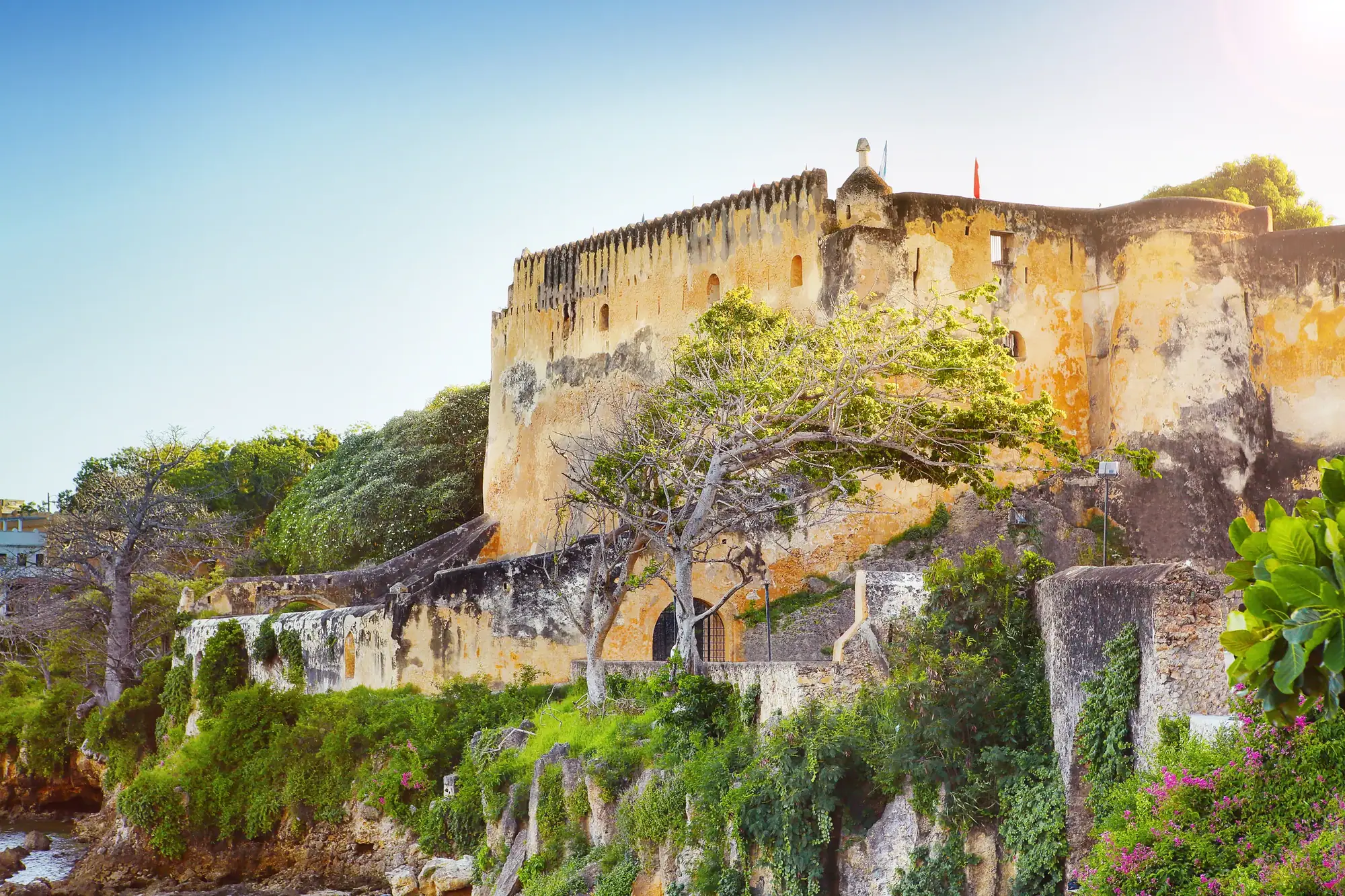
- Fort Jesus: be at the gate for the 8am opening and you will have the ramparts to yourself for half an hour. Walk the walls first for the view over the old harbor, then the museum, where the finds include pottery and timbers from a Portuguese warship that sank off the fort during the great siege of the 1690s, and the faded drawings of ships that Portuguese soldiers left on the walls. A guide at the gate makes the 400 years of sieges make sense; agree the fee before you start. Our Fort Jesus history page tells the whole story.
- Old Town walk: go with a licensed local guide, for two reasons. The lanes are a maze, and photographing some buildings near the port and government offices is not allowed, which a guide will steer you around. Ask for the Old Port, where motorized dhows still unload, the steps by Leven House, the carved doors on Ndia Kuu, the Mandhry Mosque from the outside, and a cardamom coffee at Jahazi Coffee House. We arrange this walk with guides who grew up in these lanes.
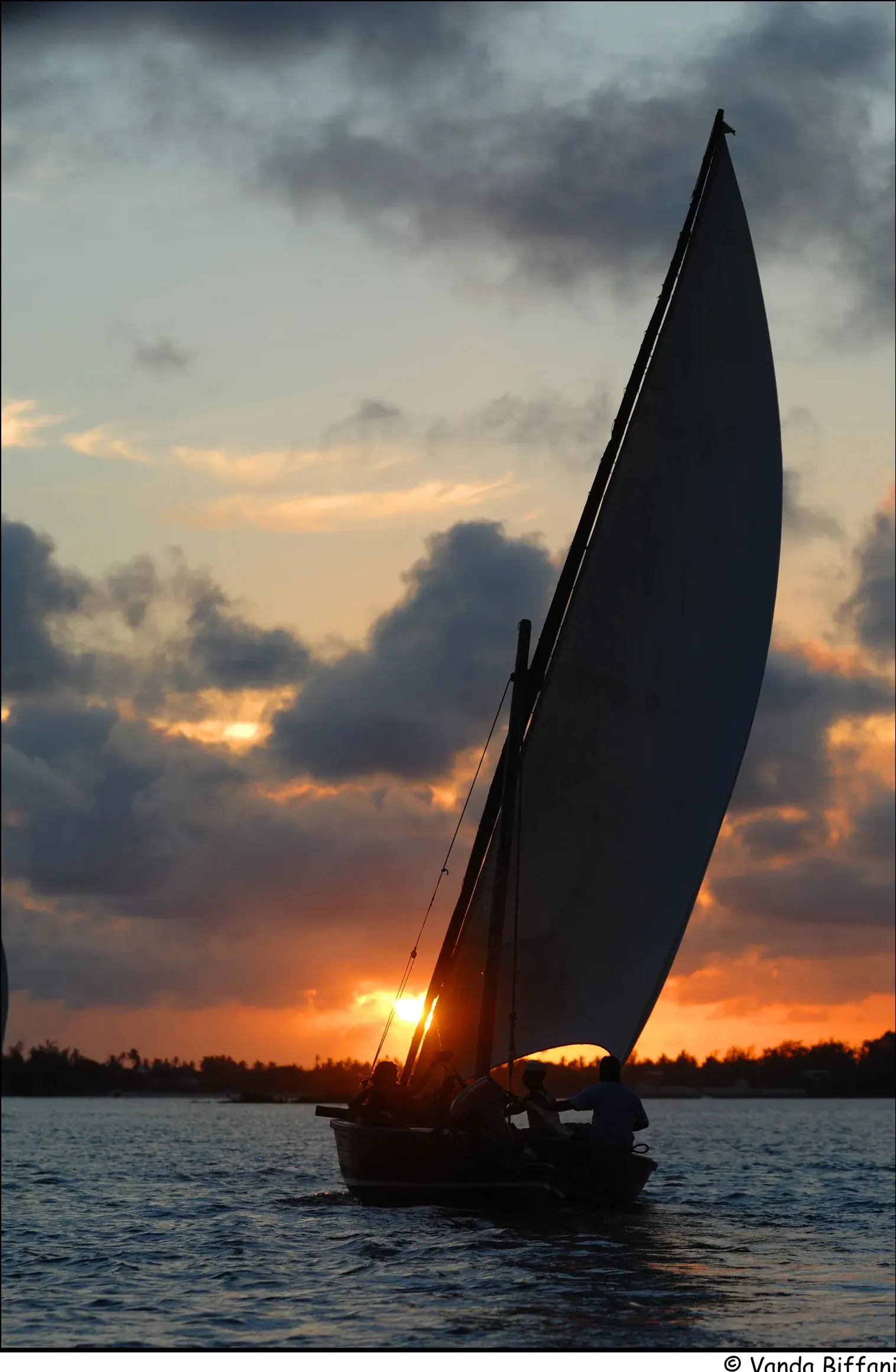
- Dhow dinner on the creek: the Tamarind dhow sails from Nyali around Tudor Creek with seafood served on board, and it is the city's classic evening out. Reserve ahead, especially in December and August, and dress smart casual. If you would rather stay ashore, sunset on the terrace of a creekside restaurant gives you the same light for less.
4 to 7: eat your way across the island
- Swahili cooking class: a morning at the market for coconuts, limes and spices, then a family kitchen where you make pilau, coconut fish curry and mahamri, the cardamom doughnuts eaten at breakfast. Classes run about $40 to $90 per person at the time of writing, and you leave with the pilau masala recipe. We book these with home cooks in Old Town; see our cooking class page.
- Mackinnon Market: the covered city market, with fruit stacked to the ceiling inside and spice sellers around the edges. Buy whole cardamom, cloves, cinnamon bark and a bag of pilau masala to take home. Prices are not fixed, so smile and bargain, and go before 11am, when it is cooler and calmer.
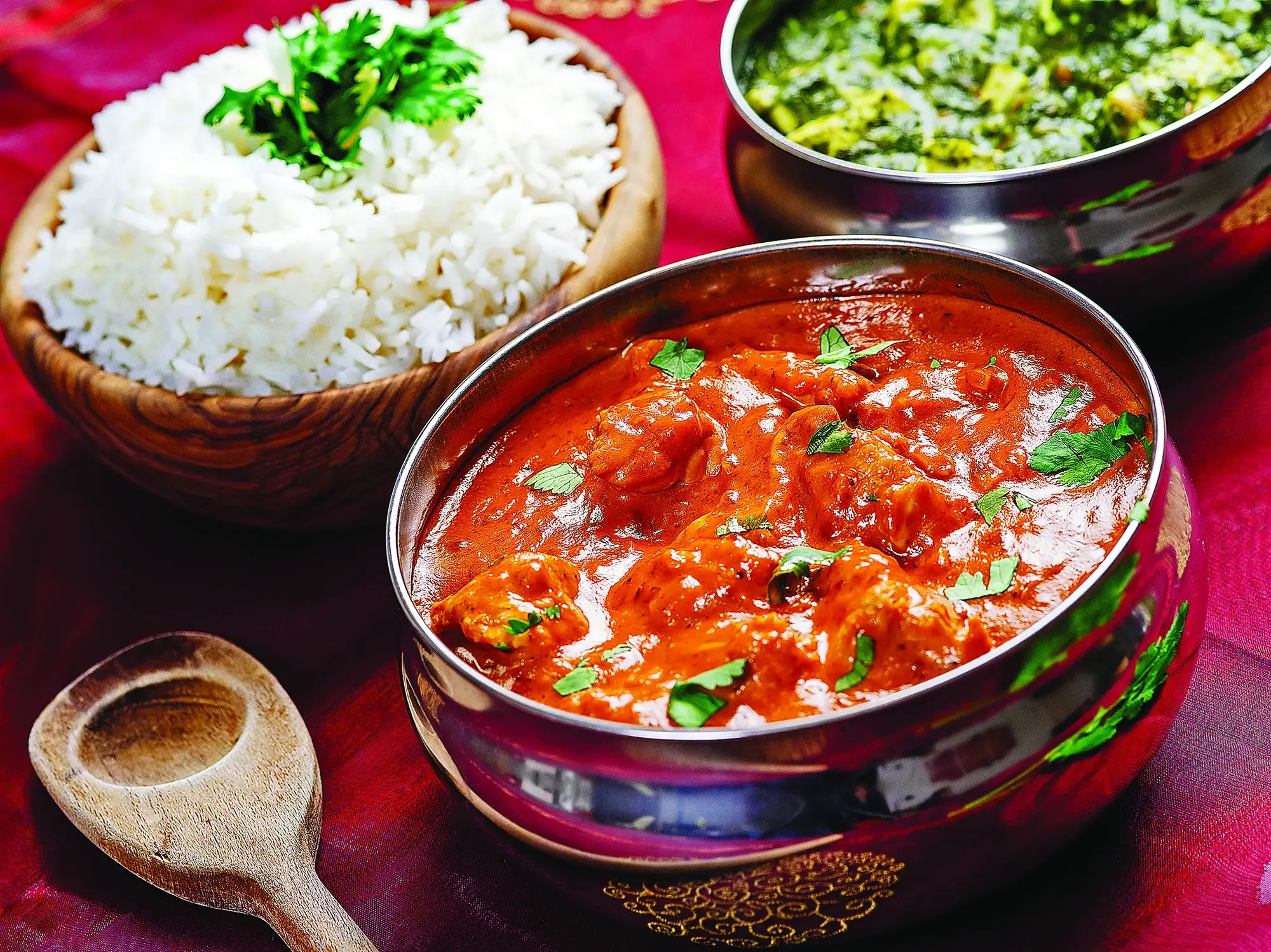
- The Blue Room: a Mombasa institution for bhajia, potato slices fried in spiced gram-flour batter, eaten with tamarind sauce. A plate costs a few dollars. It is an easy stop between the market and the afternoon.
- Haller Park: a former cement quarry in Bamburi, turned back into forest, ponds and grassland by the environmentalist René Haller over decades, and the best wildlife hour in the city. Non-resident entry is about KSh 3,000 at the time of writing, and the giraffe feeding is around 3pm, so plan your day backwards from it. Children love the giant tortoises, and the hippos are always somewhere in the ponds.
8 to 11: the water
- Mombasa Marine Park: the protected reef runs along the north coast beaches, and glass-bottom boats and snorkel trips leave from Nyali and Bamburi. Go around low tide, when the coral is closest and the water inside the reef is clear. Agree the price before you board, check that the Kenya Wildlife Service marine park fee is paid, and wear a life jacket. Never stand on the coral, and say no to anyone selling shells.
- Jumba la Mtwana: the ruins of a 14th-century Swahili town about 15 km north of the city at Mtwapa, with four mosques, tombs and coral-stone houses in a grove of baobabs that runs down to the sea. It is a National Museums of Kenya site with a small fee, and an easy half day from Nyali. Go early or late, when the light is low and the ruins are cool; our Jumba la Mtwana page explains what you are looking at.
- Mama Ngina Waterfront: the promenade at the southern tip of the island, where Mombasa families come at dusk to watch ships enter the harbor and eat roadside snacks: cassava crisps with chili and lime, roasted maize and madafu, green coconuts cut open for their water. It costs almost nothing and shows you the city at its most relaxed.
- Likoni ferry: the crossing between the island and the south coast, free for foot passengers at the time of writing, gives you the harbor mouth, the container ships and the city skyline from the water in ten minutes. Go mid-morning, never at rush hour when the decks are packed, and keep your phone and bag close. Our Diani transfers cross in the vehicle.
12 to 15: the north mainland and a photo stop
- Bombolulu Workshops: a crafts center on the north mainland where artisans with disabilities make jewelry, textiles and carvings. Watch the workshops on a weekday, when they are working, and buy direct; the prices are fair and fixed.
- Mamba Village: a crocodile farm in Nyali, popular with children, with feeding sessions in the afternoon. Ask about feeding times when you arrive.
- Nyali Beach: the city's own beach, wide and white, 20 to 30 minutes from Old Town. The tides are big, so swim at mid to high tide. Beach sellers are persistent; a firm, friendly 'hapana asante', no thank you, is enough.
- The Tusks on Moi Avenue: the crossed arches over the city's main road, a quick photo on the drive between Old Town and the north coast. Do not stop the car in the traffic; your driver will find a spot.
Day trips from Mombasa
| Trip | Time each way | What it is for | Cost |
|---|---|---|---|
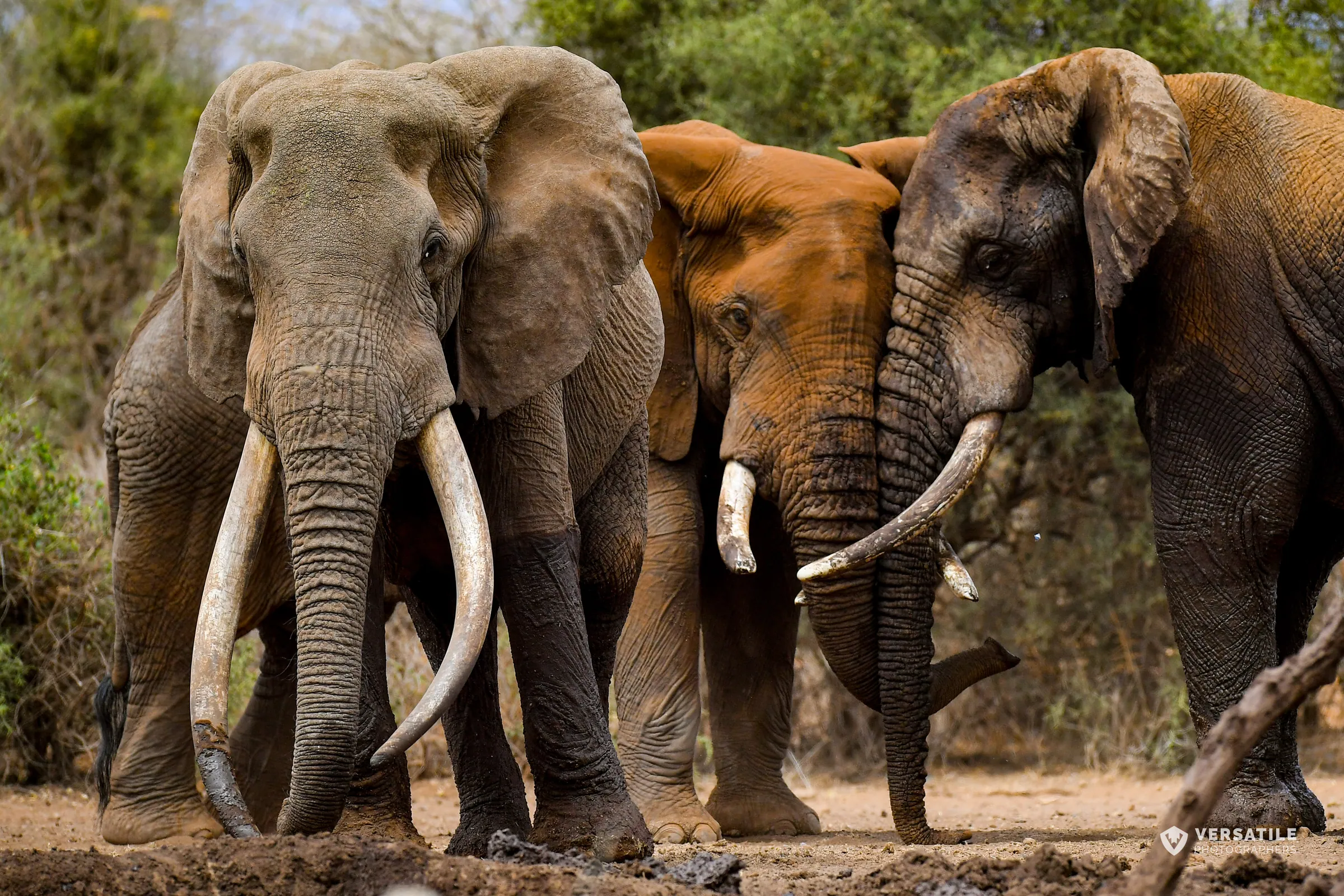
| Tsavo East National Park | About 2.5 hours | Red-dust elephants and wide plains; two nights beat one long day | $$$, about $200 to $500 per person for a day safari |
| Shimba Hills National Reserve | About 1.5 hours | Sable antelope, forest elephants and the ranger-led walk to Sheldrick Falls | $$ |
| Diani | 1 to 1.5 hours | The south coast's long beach, colobus monkeys and the Kisite dolphin trip | Transfer only |
One day or two: how to fit it together
| Morning | Afternoon | Evening | |
|---|---|---|---|
| Day one | Fort Jesus at 8am, then the Old Town walk | Market and the Blue Room, then Haller Park at 3pm | Dhow dinner on the creek |
| Day two | Cooking class, or a low-tide snorkel in the marine park | Jumba la Mtwana, or Bombolulu and Mamba Village | Mama Ngina Waterfront at dusk |
Good to know before you go
- Heat: Mombasa is hot and humid all year, hottest from January to March. Do the walking before noon and the indoor or shaded things after.
- Dress: Old Town is a conservative, largely Muslim neighborhood. Cover shoulders and knees, men and women alike; beachwear is for the beach.
- Fridays and Ramadan: midday prayers on Friday make the mosque areas busy, and during Ramadan many Old Town cafes close by day and open after sunset, when the street food is at its best.
- Getting around: tuk-tuks and Uber or Bolt for short hops, a driver for the day trips. Walk Old Town by day only, and take a car after dark.
- Rain: April and May are the long rains, when outdoor plans can wash out. The Mombasa Carnival, usually in November, closes Moi Avenue for a day of music and dance; check the county's dates.
- Before you book, check the current U.S. State Department advisory for Kenya and confirm your travel insurance covers your route. Our safety page has the everyday habits that matter in the city.