Things to do. Updated November 2026. 7 min read.
Nairobi is the only capital with lions inside the city limits, and most visitors give it a single night on the way to the bush. Give it two. Here are the twenty things we would do, ranked best first, from the Nairobi residents who plan our trips, with the time each takes and roughly what it costs.
If you only have one day, do the top four in order: Nairobi National Park at dawn, the Sheldrick elephant orphans at 11am, lunch in Karen and the Giraffe Centre in the afternoon. With two days, add the National Museum, Karura Forest and a long evening of nyama choma and live music. Most items have a page of their own on this site with hours, fees and booking details; this list is the ranking, with our honest opinion of each.
| Rank | Thing to do | Time | Rough cost per adult | Area |
|---|---|---|---|---|
| 1 | Nairobi National Park at dawn | 3 to 4 hours | $80 park fee, plus a vehicle | South, Langata Road |
| 2 | Sheldrick elephant nursery | 1 hour, from 11am | About $15 to $20, booked ahead | Edge of the national park |
| 3 | Giraffe Centre | 1 hour | About KSh 1,500 | Langata |
| 4 | Nairobi National Museum | 2 to 3 hours | About KSh 1,500 | Museum Hill |
| 5 | Karen Blixen Museum | 1 hour | Modest museum fee | Karen |
| 6 | Karura Forest | 2 to 3 hours | About KSh 600 | North |
| 7 | Nyama choma | 2 hours | From a few dollars to a set-price feast | Citywide |
| 8 | Bomas of Kenya dances | 2 hours | Small fee | Langata Road |
| 9 | Maasai Market | 1 to 2 hours | Free to browse | Moves through the week |
| 10 | Kazuri Beads workshop | 45 minutes | Free to watch | Karen |
| 11 | Nairobi Railway Museum | 1 hour | Small fee | City center |
| 12 | KICC rooftop | 30 minutes | Small fee | City center |
| 13 | A guided city history walk | Half a day | Guide, plus small entry fees | City center |
| 14 | Galleries and the GoDown | 2 to 3 hours | Mostly free | Various |
| 15 | Street food | 1 to 2 hours | A few dollars | Center and markets |
| 16 | Uhuru Gardens | 1 to 2 hours | Small fee | Langata Road |
| 17 | A matatu ride | 30 minutes | KSh 30 to 100 | Citywide |
| 18 | Ngong Hills ridge walk | Half a day | Forest fee plus a ranger | Southwest |
| 19 | A night of live music | An evening | Cover charges vary | Westlands and Kilimani |
| 20 | A day trip out of the city | A full day | Varies | Rift Valley and beyond |
1 to 3: the wild city
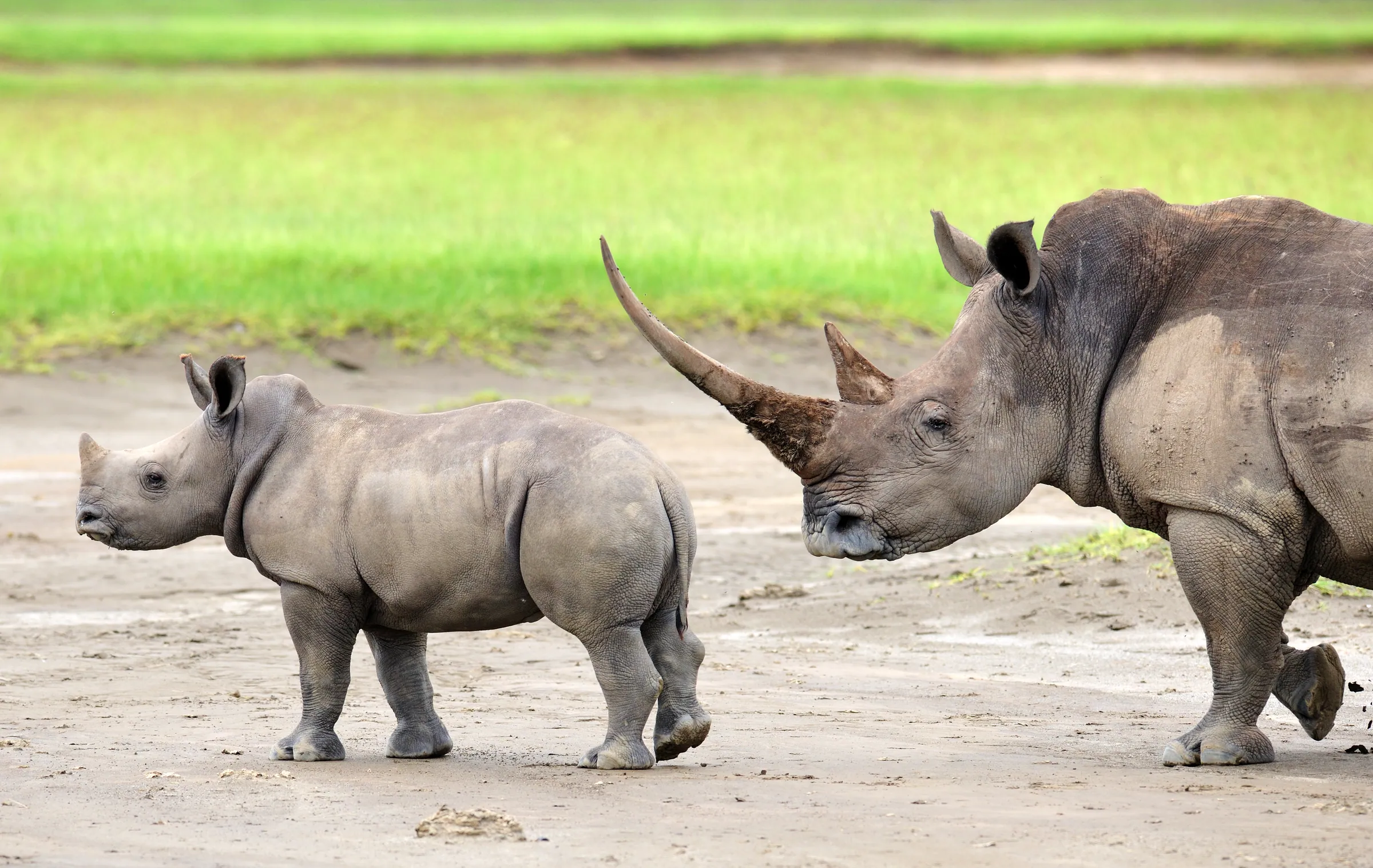
1. Nairobi National Park at dawn. Nothing else on this list comes close. Kenya's first national park is about 10 km from downtown, and at 6am, with the gates just open, you can watch a black rhino in the long grass with office towers behind it. Lions, giraffes, buffalo and hippos are all here. Three or four hours covers the highlights, including the Ivory Burning Site. The fee was $80 per non-resident adult at the time of writing.
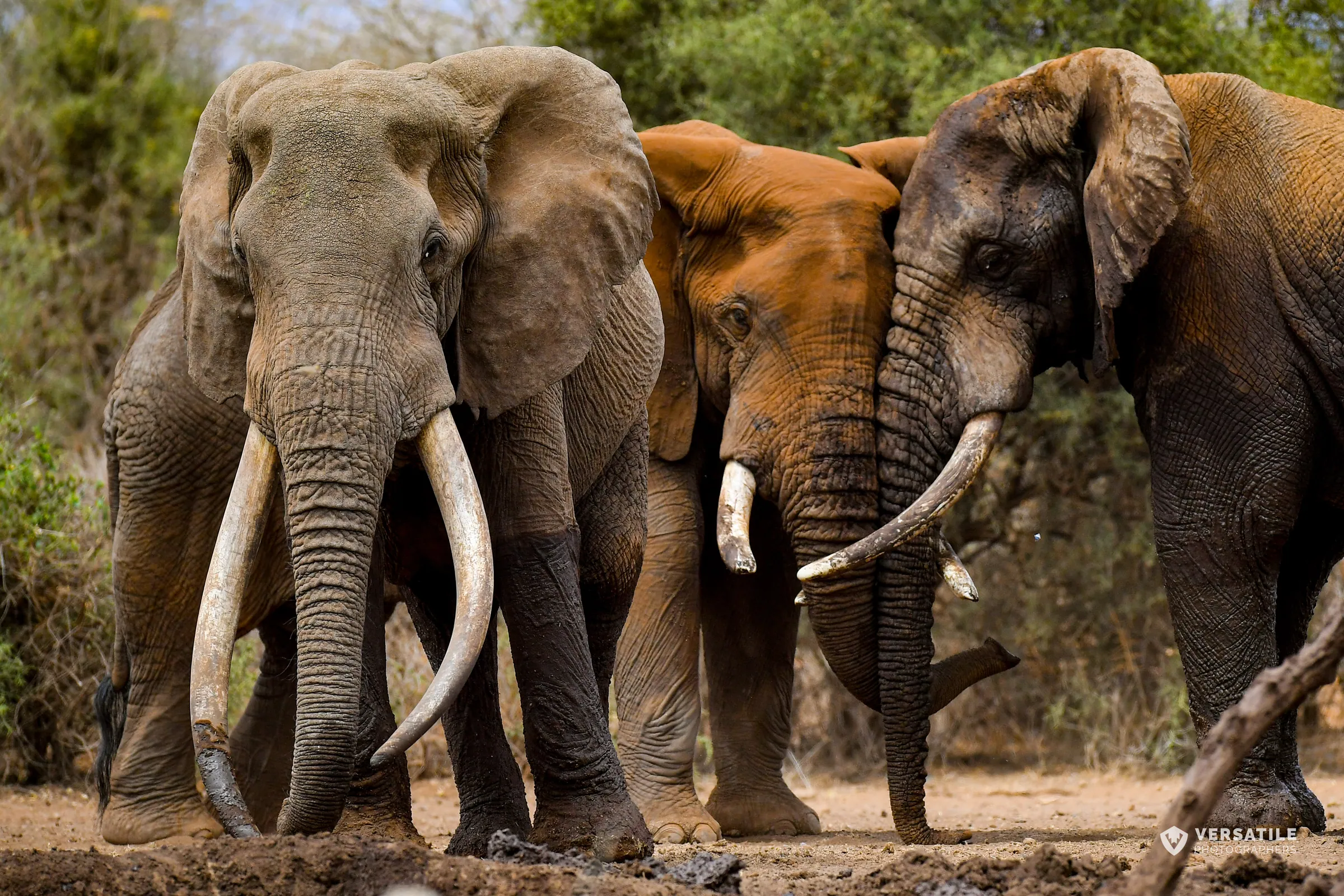
2. The Sheldrick elephant nursery at 11am. For one hour a day, keepers walk the orphaned baby elephants out to a mud wallow, feed them giant bottles of milk and tell you how each one was rescued. It is joyful and quietly heartbreaking. You must book ahead directly with the Sheldrick Wildlife Trust, and the fee has been about $15 to $20; our elephant orphanage page has the details.
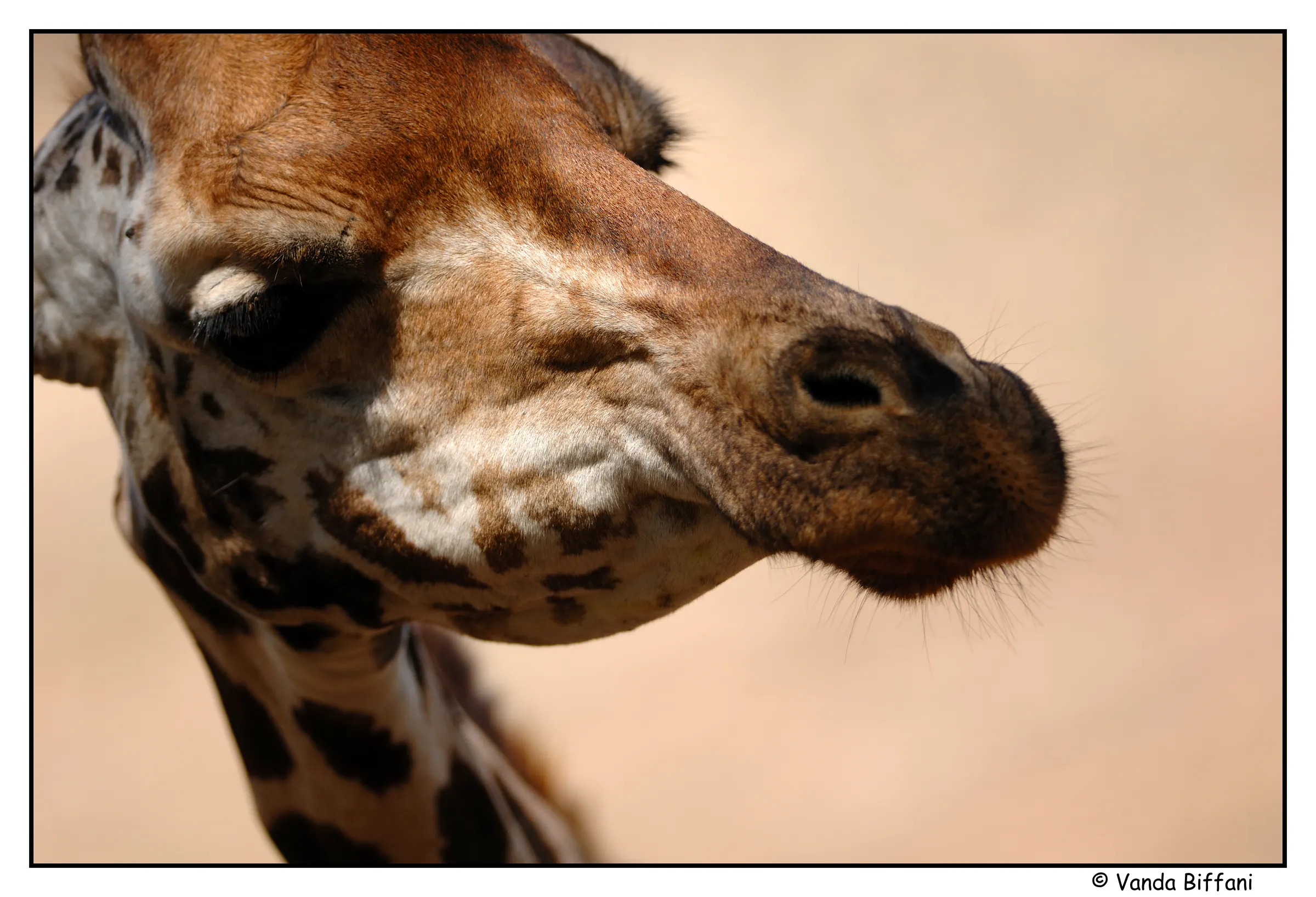
3. The Giraffe Centre. Feed endangered Rothschild's giraffes from a raised platform at head height, and learn why the species nearly vanished. It is a 15-minute drive from the Sheldrick, which makes these two a natural pair. Allow an hour, and save the nature trail across the road if you have time.
4 to 6: history and forest
4. The Nairobi National Museum. Kenya's story from the first humans to the present, with fossils from Lake Turkana, a superb bird hall and the snake park next door. Two hours is enough for the highlights, and it is the best possible preparation for a safari, because you will start recognizing birds and antelopes before your first game drive.
5. The Karen Blixen Museum. The Out of Africa farmhouse, with a short guided tour. It ranks this high because it is close to the giraffes and because a good guide uses it to explain colonial land, not just a love story. Our history page tells the fuller story.
6. Karura Forest. About 1,000 hectares of forest saved by Wangari Maathai's protests, with walking and cycling trails, a waterfall and caves. Go early on a weekday for birdsong and empty paths. Non-residents paid about KSh 600 at the time of writing.
7 to 10: food, dance and making
7. Nyama choma. Grilled goat or beef, ordered by the kilo, eaten slowly with kachumbari and ugali over a long afternoon. Carnivore on Langata Road is the famous set-price version for visitors; a local choma joint, chosen by your driver, is the real one. Do both if you can.
8. Bomas of Kenya. A cultural center on Langata Road that performs the dances of Kenya's communities in a big round hall, with drums, acrobatics and costumes. It is a good overview of the country in two hours, and children love it. Check the day's program first.
9. The Maasai Market. Beadwork, carvings, kiondo baskets, kikoys and soapstone, sold by traders who set up at different malls and city sites on different days of the week. Ask your hotel where it is today, bring small notes and bargain with good humor.
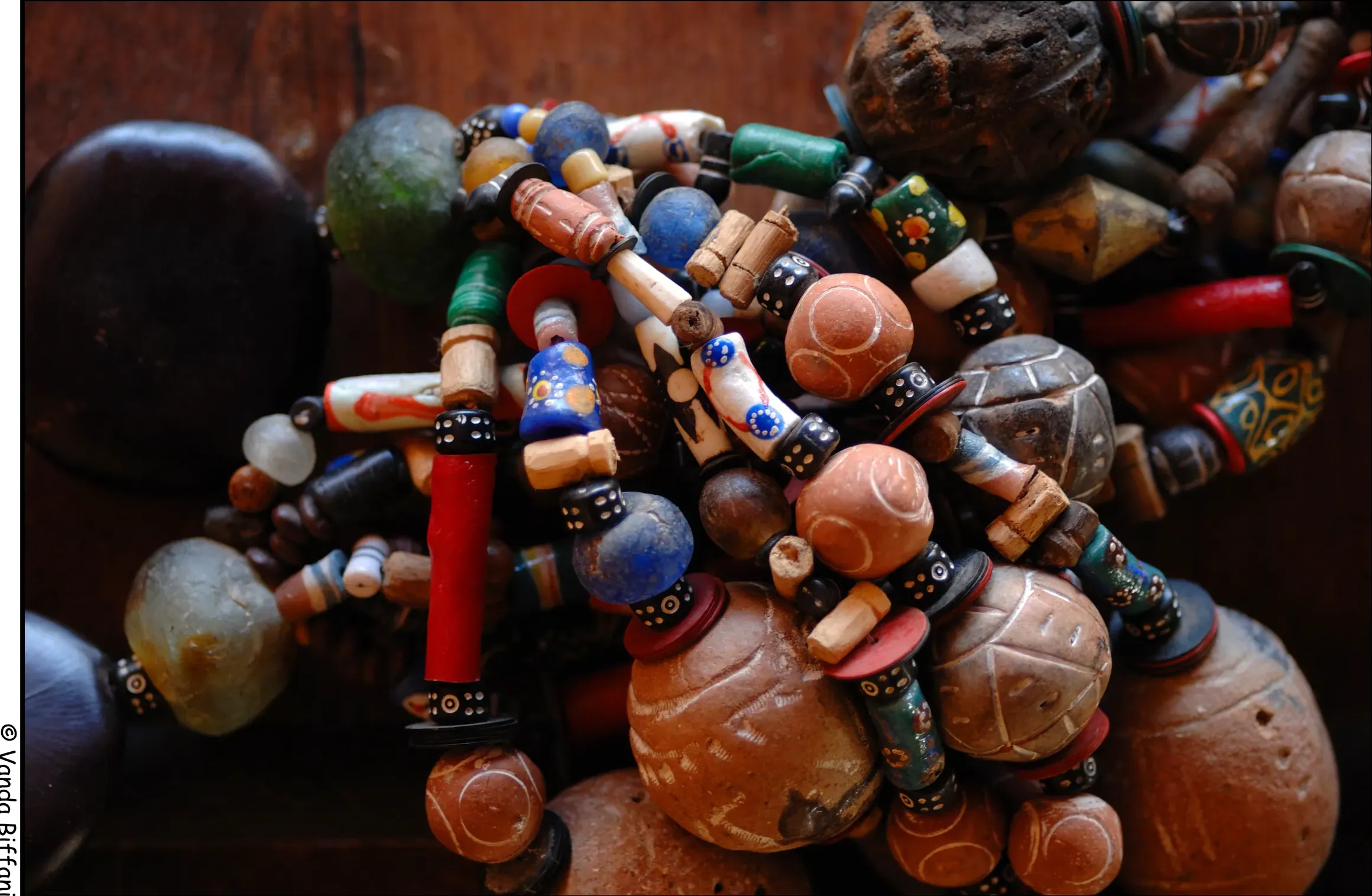
10. Kazuri Beads. A workshop in Karen where women shape, paint and fire ceramic beads by hand, a social enterprise since the 1970s. The tour is short and free to watch, and the shop is the best place for gifts that are made in Nairobi.
11 to 15: the city center
11. The Nairobi Railway Museum. Steam engines and the story of the railway that created the city, including the carriage from which a lion dragged a railway police officer in 1900. Small, dusty and much loved.
12. The KICC rooftop. For a small fee, ride up the Kenyatta International Convention Centre and walk out onto the helipad for the city's best view, with Parliament below and the Ngong Hills on the horizon on a clear day.
13. A guided history walk. The center is best seen on foot with a guide, by day: the August 7th Memorial Park on the site of the 1998 U.S. Embassy bombing, Kenyatta Avenue, City Market, Jamia Mosque and the Nairobi Gallery. Our Nairobi CBD page has the full route.
14. Galleries and the GoDown. Nairobi has the strongest contemporary art scene in East Africa, from commercial galleries to artist-run studios and the GoDown Arts Centre. Our Kenyan art page lists where to start; check opening days before you go.
15. Street food. Smokie pasua, mutura, roasted maize and mandazi, at a dollar or less a bite. Go with a guide who knows which stalls are clean and busy. Our Nairobi street food page is the guide.
16 to 20: further out and after dark
16. Uhuru Gardens. The site on Langata Road where the Kenyan flag was first raised at midnight on December 12, 1963, now a memorial park and museum. It matters most to diaspora families and anyone who wants the independence story where it happened.
17. A matatu ride. Nairobi's painted, music-blasting minibuses are a culture of their own. Ride one short stretch by day, with no luggage and a local friend. Fares are about KSh 30 to 100; our transport guide explains how.
18. The Ngong Hills. An 8 km ridge walk along the four knuckles above Karen, with the Rift Valley falling away on one side and Nairobi on the other. Pay the forest fee and walk with a ranger escort, which we arrange.
19. A night of live music. Westlands and Kilimani are the hubs, with jazz, Afro-fusion, benga and DJs. Nothing starts before 10pm. Take ride-hailing door to door; our Nairobi nightlife page has the venues and the safety rules.
20. Leave town for a day. Hell's Gate and Lake Naivasha, Mount Longonot, Lake Magadi and the Olorgesailie prehistoric site are all within about two hours. Our day trips page ranks twelve, with times and costs.
Kibera and Eastleigh, done well
Two neighborhoods sit just off this list because they need a different kind of visit. Kibera, the city's largest informal settlement, is home to artists, youth groups, schools and small businesses, and many Nairobi lists include a tour of it. The best of those are run by residents who keep the money in the community. Choose one of those, let the host set the route and the rules on photos, and treat it as meeting people rather than seeing poverty. We can arrange a walk with a resident host.
Eastleigh, east of the center, is Nairobi's Somali trading quarter: a dense grid of malls selling fabric, gold, perfume and electronics at wholesale prices, and some of the best Somali food in East Africa, from rice and goat to camel meat and sweet spiced tea. Go by day with a guide or a friend who knows it, dress modestly, carry little and keep your phone out of sight in the crowds, as you would in any busy market.
Putting it together
Day one: 1, 2, 3 and 5, all on the green southern side of the city, with lunch in Karen. Day two: 4 in the morning, 6 or 13 after lunch, and 7 and 19 in the evening. Fit 9 and 10 wherever the market falls. With a car and driver the day runs without gaps, and your bags can stay locked in the car on a last day before an evening flight.