Things to do. Updated November 2026. 5 min read.
Nairobi has a reputation as an expensive city to visit, and on a safari budget it can be: park fees, drivers and hotel dinners add up fast. But some of the best afternoons in the capital cost nothing at all, or the price of a soda. Here they are, with what each really costs and how to do it safely.
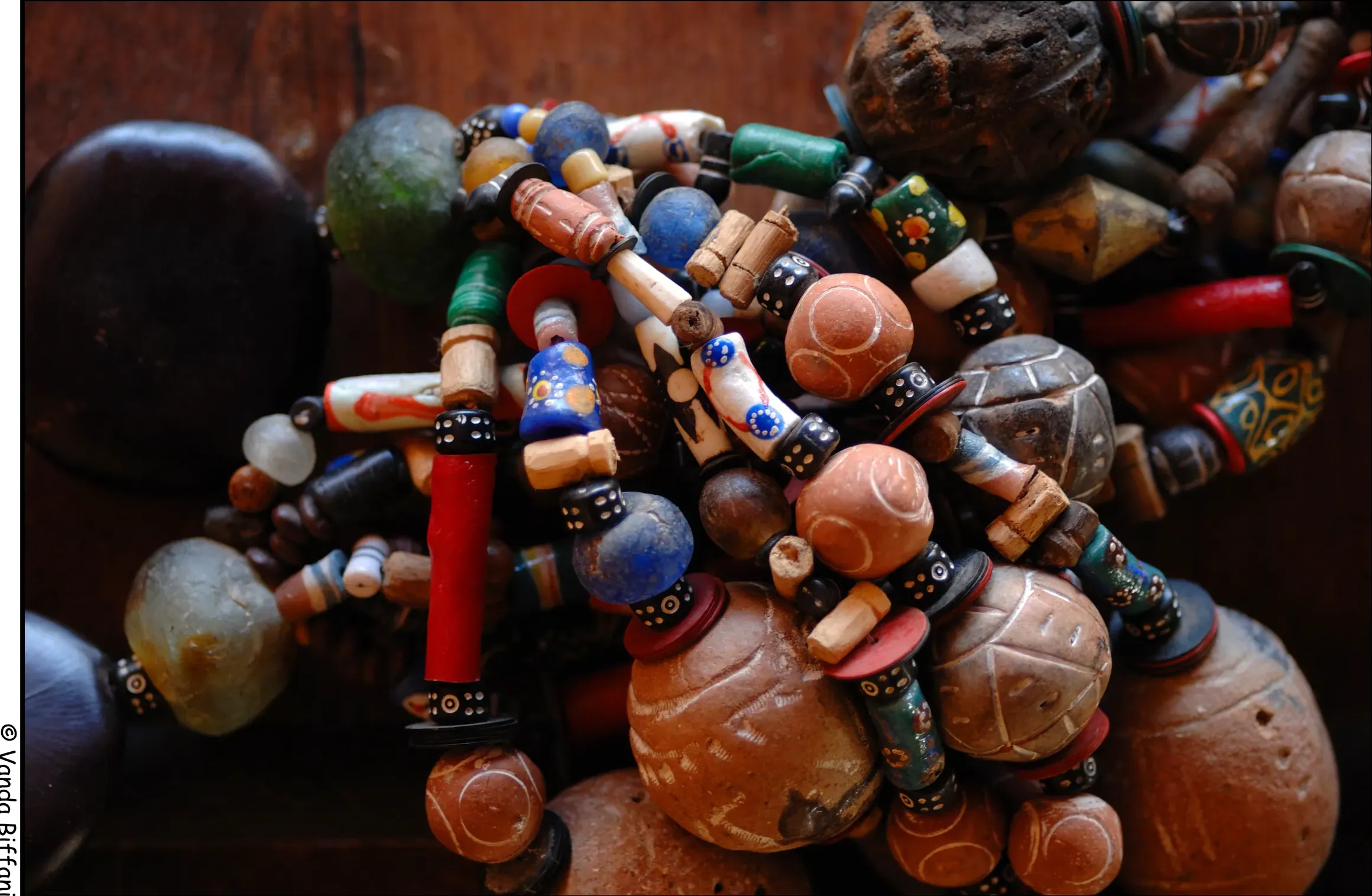
The short list of free things: Uhuru Park and Central Park, Jeevanjee Gardens, City Market, a browse through the Maasai Market, a Sunday service at All Saints Cathedral or the Holy Family Basilica, Biashara Street's fabric shops and the Kazuri Beads workshop. For a few dollars more, add the Arboretum, the August 7th memorial, the Nairobi Gallery, the Railway Museum, the National Archives and Karura Forest. Our main things to do in Nairobi list ranks the big sights; this page is only about what costs little or nothing.
| Place | Cost at the time of writing | Time | Tip |
|---|---|---|---|
| Uhuru Park and Central Park | Free | 1 hour | Liveliest on weekend afternoons |
| Jeevanjee Gardens | Free | 30 minutes | Lunchtime preachers and chess players |
| City Market | Free to enter | 30 to 60 minutes | Flowers, fruit and curios; bargain |
| Maasai Market | Free to browse | 1 to 2 hours | Moves between sites by day of the week |
| Sunday service | Free; an offering is welcome | 1.5 to 2 hours | Dress modestly, arrive early |
| Kazuri Beads workshop | Free to watch | 45 minutes | In Karen; check opening days |
| Biashara Street | Free to browse | 1 hour | Kangas, kikoys and fabrics |
| Kenyatta Market lunch | A few dollars | 1 hour | Nyama choma at local prices |
| Nairobi Arboretum | Small fee | 1 to 2 hours | Shaded trails off State House Road |
| August 7th Memorial Park | Small fee | 30 minutes | Site of the 1998 embassy bombing |
| Nairobi Gallery | Small fee | 45 minutes | African art at Point Zero |
| Nairobi Railway Museum | Small fee | 1 hour | Climb into the engines |
| Kenya National Archives | Small fee | 1 hour | Photographs and documents |
| Karura Forest | About KSh 600 | 2 to 3 hours | Waterfall and caves |
Green spaces for nothing
Uhuru Park and Central Park, either side of Uhuru Highway at the edge of the center, are where Nairobi relaxes on a Sunday afternoon: families on the grass, boats on the small lake, preachers and photographers, and the skyline over the trees. Uhuru Park also has a long political history as the city's rally ground. Jeevanjee Gardens, a smaller square in the north of the center, was given to the city by the merchant A.M. Jeevanjee in the early 1900s and still has its statue of Queen Victoria; at lunchtime it fills with office workers, chess players and open-air sermons. For quiet, the Nairobi Arboretum, off State House Road, charges a small fee and gives you shaded paths under labeled trees, with monkeys in the branches.

Markets and shopping streets
City Market, a 1930s hall in the center, costs nothing to walk through and is one of the most photogenic places in town: flower sellers at the front, fruit and fish inside, and curio stalls where bargaining is the sport. The Maasai Market sets up at different malls and city sites on different days of the week; browsing is free, and the beadwork, kiondo baskets and soapstone are cheaper here than in hotel shops. Biashara Street, near City Market, is lined with shops selling kangas, kikoys and printed fabric by the meter. If you buy, our bargaining guide has the etiquette.
Sunday services and the mosque
Nairobi is a churchgoing city, and a Sunday service is free, welcoming and often musical. All Saints Cathedral, the Anglican cathedral near Uhuru Park, and the Holy Family Basilica, the Catholic basilica in the center, both hold services that visitors attend; arrive early, dress modestly and bring a small offering if you wish. Jamia Mosque, behind City Market, is the city's main mosque and well worth seeing from outside; ask before photographing worshippers, and keep away at Friday midday prayers.
History for the price of a soda
The August 7th Memorial Park stands where the U.S. Embassy was bombed in 1998, killing more than 200 people, most of them Kenyans; the small fee keeps the garden and visitor center going. The Nairobi Gallery, run by National Museums of Kenya at the junction of Kenyatta Avenue and Uhuru Highway, holds African art in a 1913 building. The Kenya National Archives on Moi Avenue displays photographs, documents and art from the colonial years to independence. The Railway Museum, beside the old station, lets you climb into steam engines for a small fee. Our Nairobi CBD page strings these into a walking route.
A forest for under $5
Karura Forest is the best value in Nairobi. For about KSh 600 at the time of writing, non-residents get around 1,000 hectares of forest saved from developers by Wangari Maathai, with marked trails, a waterfall and caves once used by Mau Mau fighters. Walk it, run it, or hire a bike at the gate for a little more.
Eating for a few dollars
Kenyatta Market, near Kilimani off Ngong Road, is where many Nairobians go for nyama choma at local prices: pick your meat, have it grilled and eat it with kachumbari for a few dollars. Street food, from roasted maize to smokie pasua, costs less than a dollar a bite. Our Nairobi street food page explains what to eat and which stalls to trust.
Free views
The footbridges over Uhuru Highway give a free look at the Nairobi Expressway's elevated road and the skyline, especially in late afternoon light. For the full panorama, the KICC rooftop costs a small fee and is worth it on a clear day.
What is never free
Wildlife. Nairobi National Park was $80 per non-resident adult at the time of writing, the Sheldrick elephant nursery charges its own fee, and the Giraffe Centre about KSh 1,500. If you have to choose one paid thing, make it the park at dawn. Our Kenya park fees page lists every rate.
Doing it safely
- Do all of this by day. City parks and the center empty after dark, and we do not walk there at night.
- Carry small notes in shillings, a phone in a front pocket and nothing else of value.
- Pickpockets work crowded markets and bus stops; keep bags in front of you.
- Take ride-hailing between stops rather than long walks between neighborhoods. It costs a few dollars and saves time.
- Eastleigh, the Somali trading quarter east of the center, is free to wander and full of cheap, excellent food; go by day with someone who knows it, dress modestly and carry even less than usual.