Parks and reserves. Updated November 2026. 4 min read.
In January 1999 Wangari Maathai and her supporters walked into Karura Forest to plant trees on land that had been quietly handed to developers, and were attacked by hired guards. The outcry that followed helped save the forest. Today Karura is about 1,000 hectares (some 2,500 acres) of trees, streams and trails on Nairobi's northern edge, where the city comes to walk, run and cycle, and it is the best green morning you can have in Nairobi without leaving town.
The short answer: go early, enter at the main gate on Limuru Road, pay the forest fee (about KSh 600 for a non-resident adult at the time of writing), and walk or cycle a loop of one to three hours past the waterfall and the caves, then have breakfast or lunch at the River Cafe. It is gated, fenced and patrolled, easy to reach from Westlands and Gigiri, and good with children. Our waterfall hike page has the step-by-step route to the falls; this page covers the whole forest, how it is run and how to fit it into a trip.
Who runs it and why that matters
Karura is a public forest owned by the government and managed by the Kenya Forest Service together with Friends of Karura Forest, a community forest association of neighbors and volunteers formed in 2009. The partnership built the perimeter fence, the trails, the signposts and the ranger patrols, and your entry fee helps pay for them. That is why Karura feels so different from many city forests: clean paths, maps at the junctions, rangers on duty and a gate that closes at night.
The history in brief
Through the 1990s, parts of Karura were allocated to private developers. Wangari Maathai, founder of the Green Belt Movement, led the protests against it, and the attack on her and her supporters in 1999 made headlines around the world. The allocations were stopped, and in 2004 she became the first African woman to win the Nobel Peace Prize, for her work on the environment, democracy and peace. Our page on Wangari Maathai tells her story in full.
The forest holds older history too. Caves along the Karura River are known as the Mau Mau caves, said to have sheltered fighters during the struggle for independence in the 1950s.
What to see
- The waterfall on the Karura River, the most popular walk in the forest
- The Mau Mau caves, close to the river trail
- Lily Lake, a quiet pond with water lilies and birds
- Groves of bamboo and tall indigenous trees, with patches of older plantation
- Sigiria Forest, across Limuru Road, a quieter section for longer walks
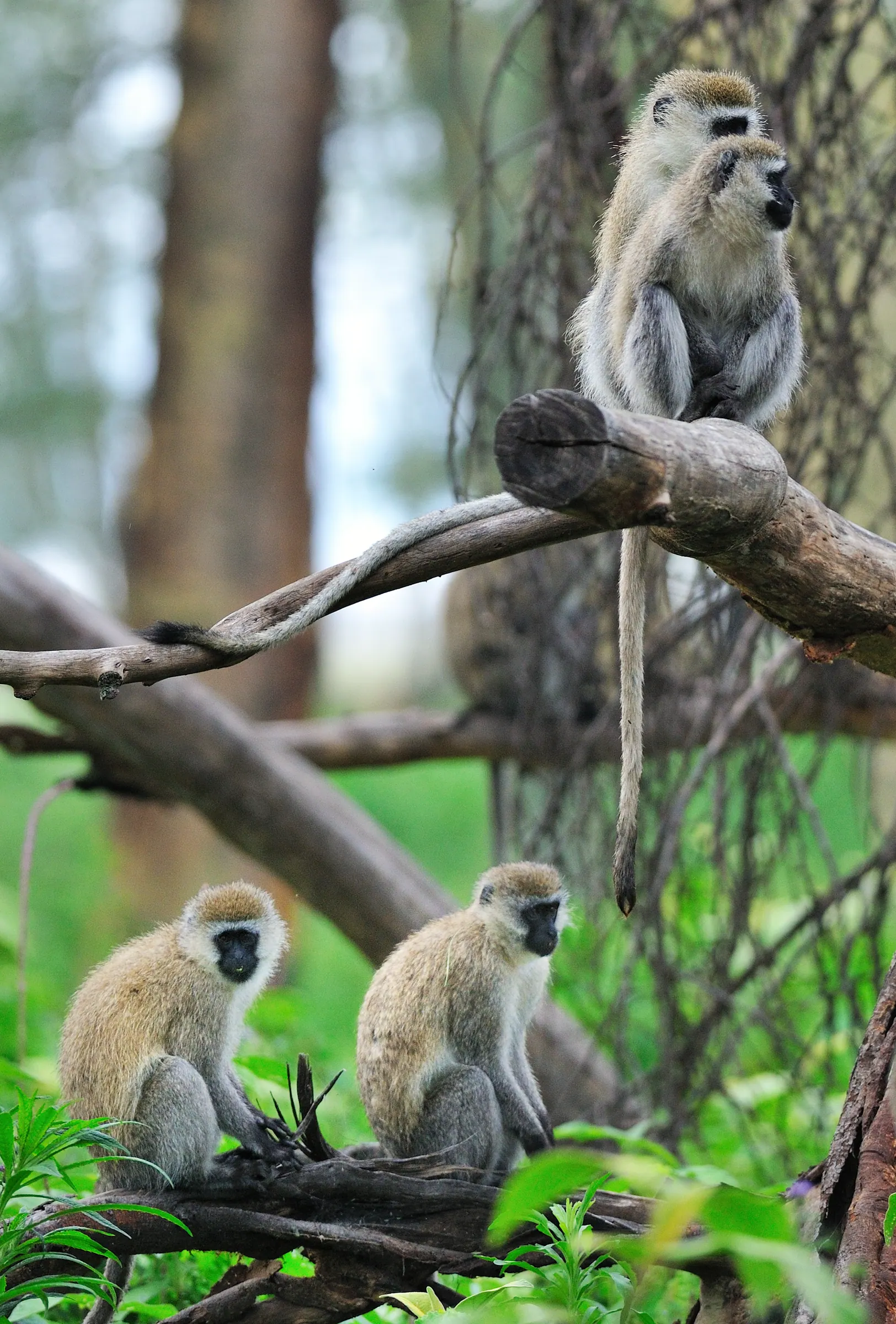
- Sykes' monkeys, bushbuck and duikers, and at dusk, if you are near the gate, bushbabies calling
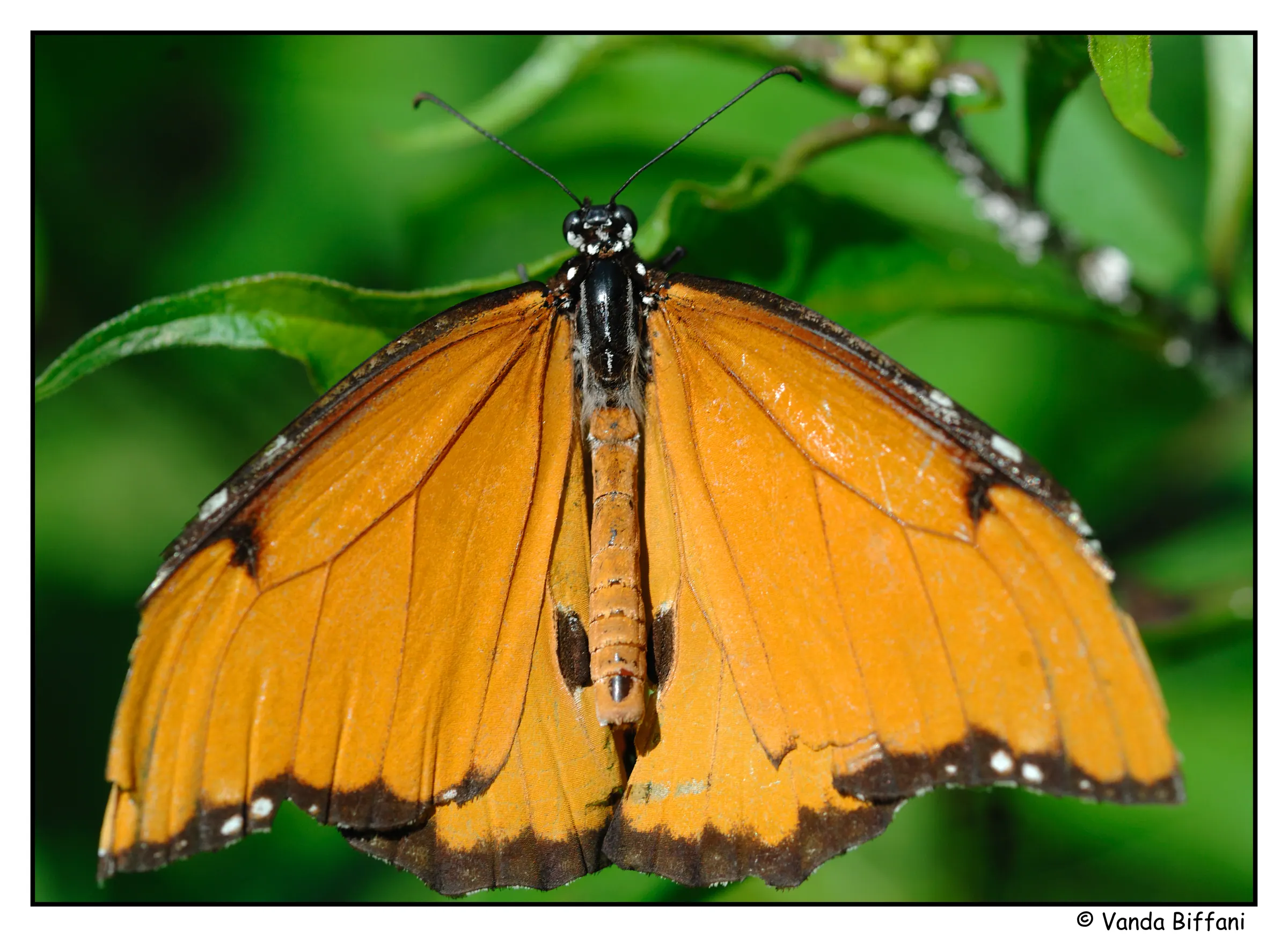
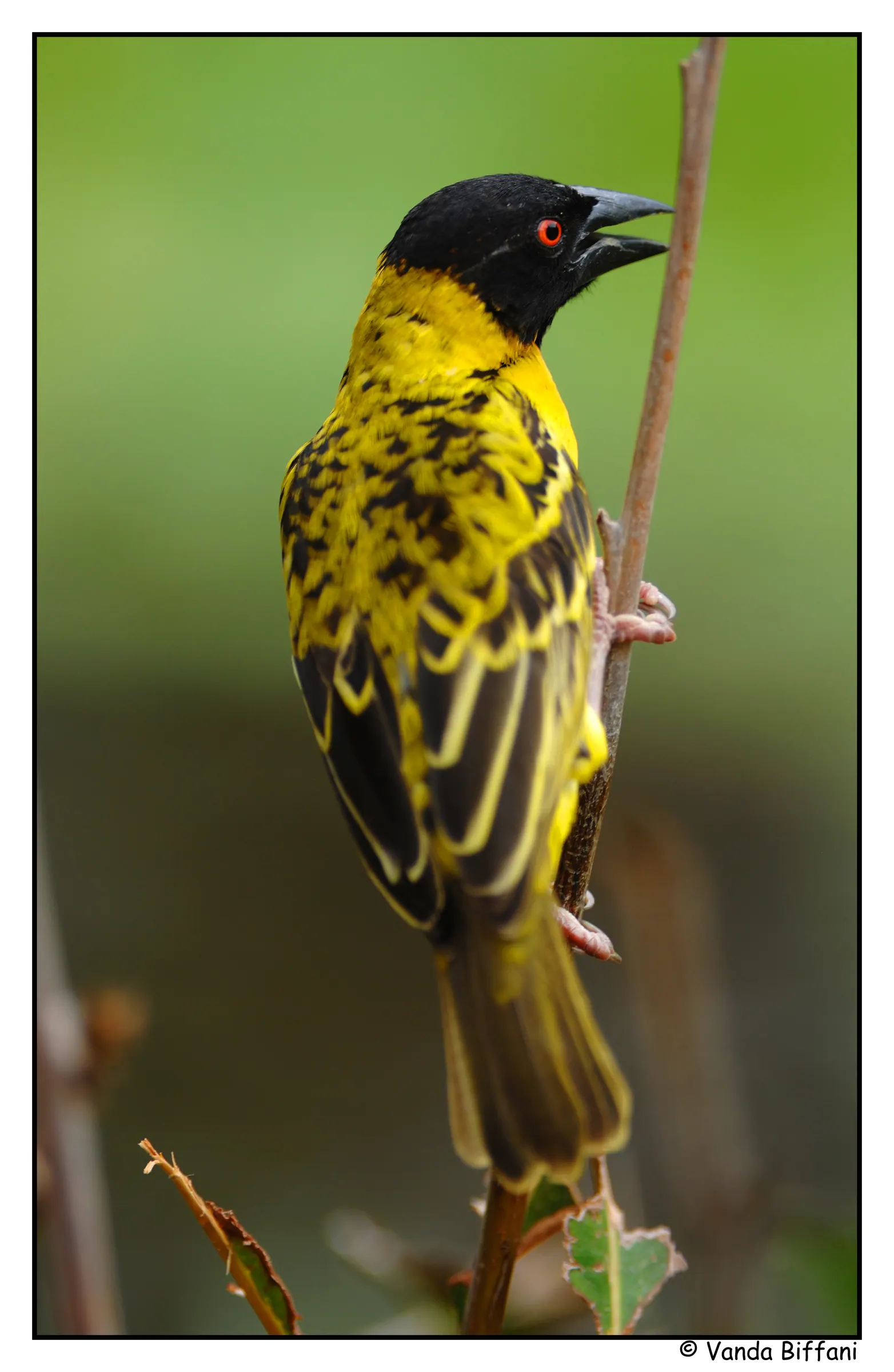
- Birds and butterflies all year, especially along the streams
Fees, hours and gates
| Item | Details |
|---|---|
| Entry, non-resident adult | About KSh 600 at the time of writing |
| Residents and citizens | Lower rates; children pay less |
| Opening hours | Daytime only, typically from early morning to early evening |
| Main gate | Limuru Road, with parking and bike hire |
| Other gates | Kiambu Road side, handy from Muthaiga and the Thika Road side of the city |
| Bikes | Hire at the main gate or bring your own |
| Food | The River Cafe, inside the forest near the main gate |
Walking, running and cycling
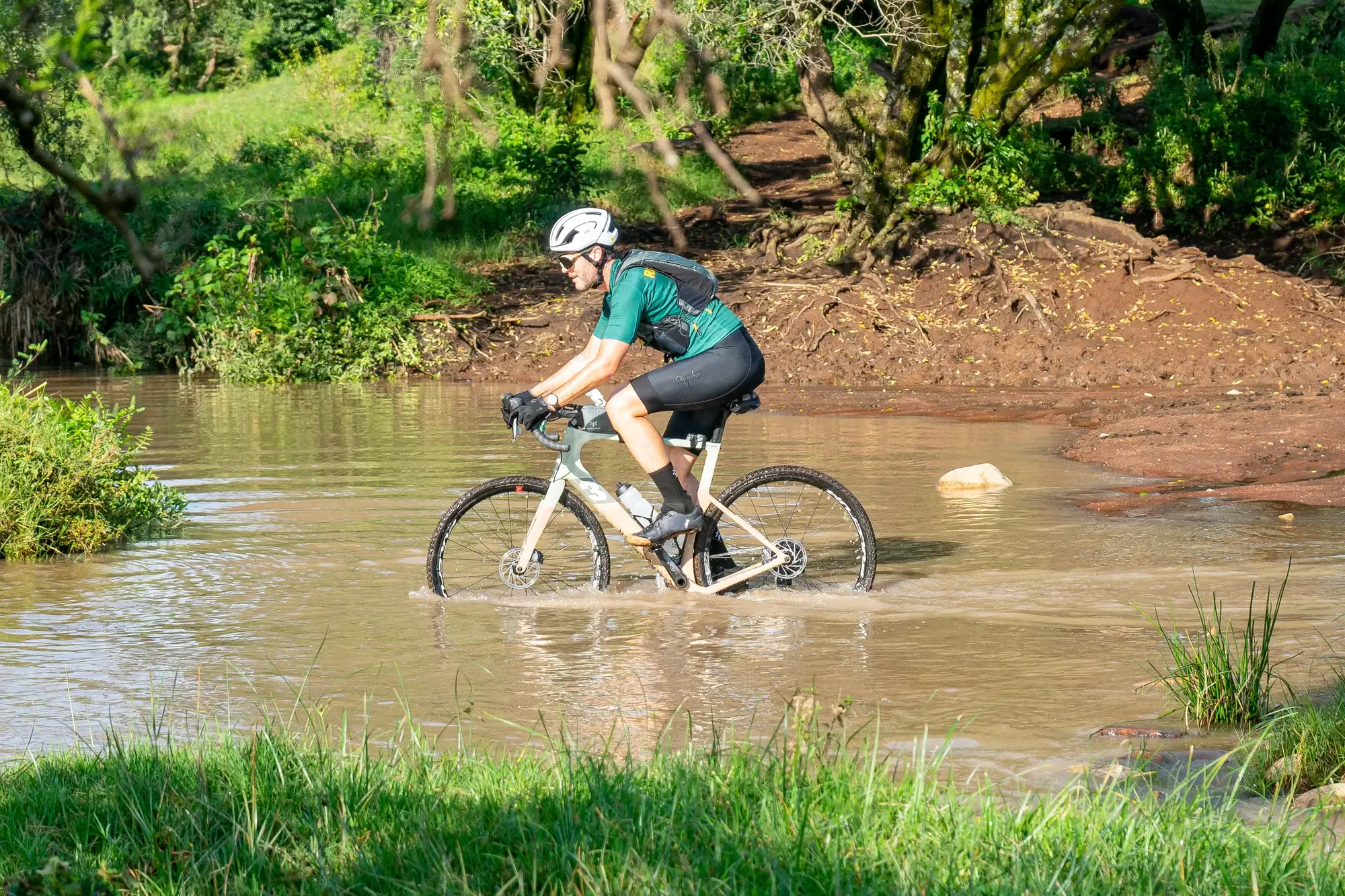
About 50 km of trails wind through the forest, marked and mapped, from short loops of a couple of kilometers to routes that take most of a morning. Paths are mostly packed earth and gravel under the trees, with a few steep sections down to the river; after rain they can be muddy. Nairobi's runners and cyclists use the forest early, especially on weekends, and it is busiest on Saturday and Sunday mornings. On a weekday you can walk for an hour and meet only a few people.
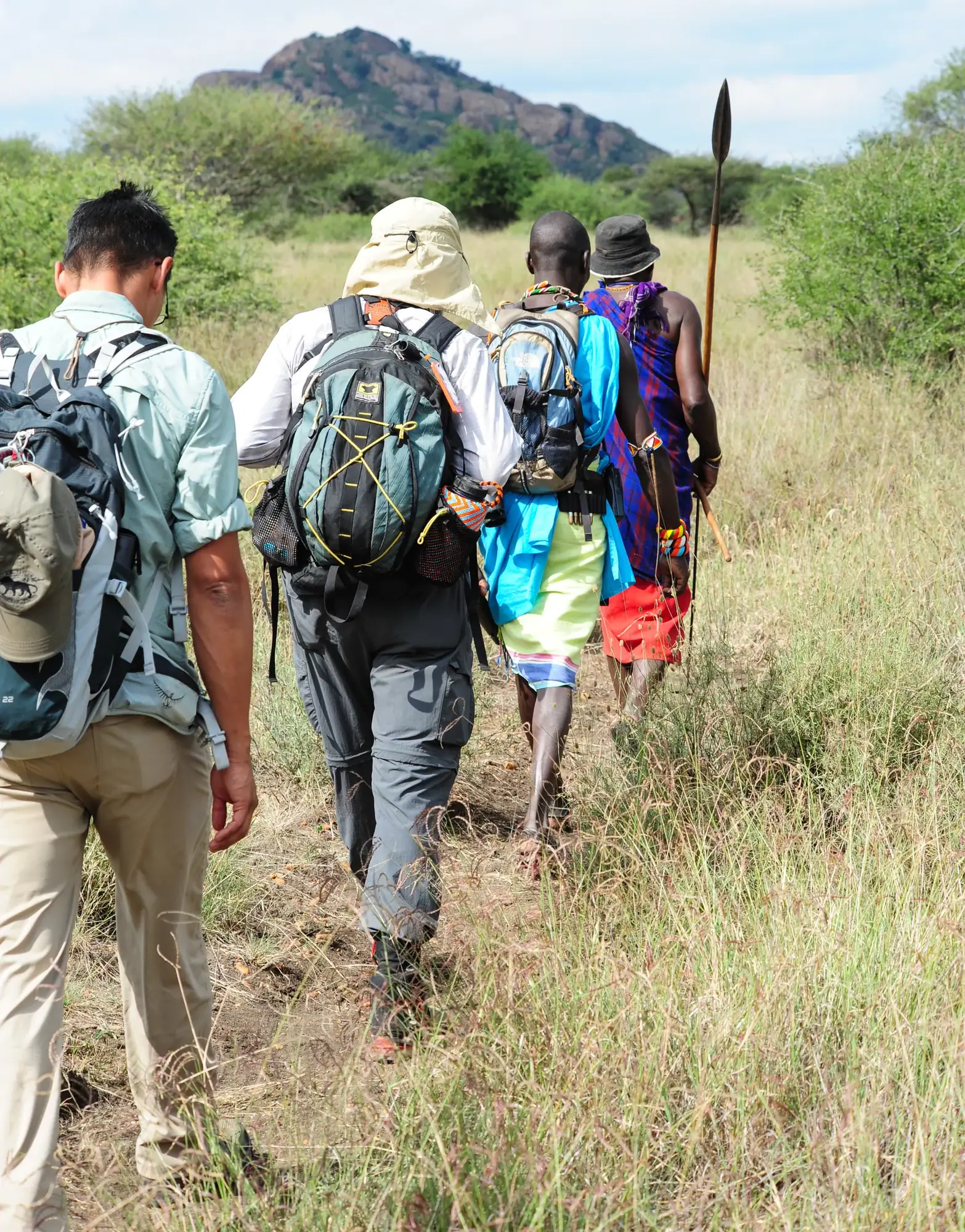
Cyclists share the trails with walkers, so ride at a sensible pace. Hire bikes are fine for the main loops; serious mountain bikers will want their own. If you would like a naturalist guide to point out birds, trees and history, we can arrange one.
Fitting Karura into your trip
- Departure day: many flights to the U.S. leave Nairobi late at night, so a morning walk, lunch at the River Cafe and an afternoon in Karen fills the day well
- Arrival day: a gentle walk is a good way to shake off a long flight before your safari starts
- With Gigiri: the UN and embassy district sits beside the forest, with the Village Market nearby
- With children: easy paths, monkeys, a waterfall and a cafe make it one of the best family mornings in the city
- With a group: school and church groups can arrange guided walks and tree planting through the forest's managers
Practical tips
- Go early: it is cooler, the birds are active and the trails are quiet
- Wear shoes that can get muddy and carry water
- Stay on marked trails and leave before closing time
- Do not feed the monkeys
- Take a ride-hailing car to the gate rather than walking along the busy roads outside
Karura is free of the crowds and traffic most people expect from Nairobi, and a morning there changes how visitors see the city. We are Kenyan-led, with two U.S. companies behind us, and we can build it into your Nairobi days. Pay in full or monthly with no deposit.