Parks and reserves. Updated November 2026. 6 min read.
Along a stretch of the lower Tana River, in patches of tall forest kept alive by the river's floods, live two monkeys found nowhere else on Earth: the Tana River red colobus, with its rust-red cap, and the Tana River mangabey, a gray-brown monkey with a crest of hair on its crown. Both are listed as Endangered by the IUCN. The Tana River Primate National Reserve was created in 1976 to protect them, and its story since then shows how much conservation depends on the people who live beside a forest.
The short answer: yes, you can visit. The reserve lies on the river between the towns of Garsen and Hola, a long road journey north from Malindi, and it rewards travelers who come for the monkeys, the birds and a part of Kenya very few visitors see. Facilities are simple, the heat is serious and a local guide is essential, because the monkeys live in scattered forest patches that only people who know the river can find quickly. Below are the two species, why their forest is so small, and how we plan a visit.
The two monkeys
| Species | What it looks like | How it lives | IUCN status |
|---|---|---|---|
| Tana River red colobus (Piliocolobus rufomitratus) | Slim and long-tailed, dark gray above and pale below, with a red-brown cap | Eats leaves high in the canopy, in social groups; rarely comes to the ground | Endangered |
| Tana River mangabey (Cercocebus galeritus) | Gray-brown and long-limbed, with a crest of hair on the crown | Forages on the forest floor and in the lower branches for fruit, seeds and insects, in groups | Endangered |
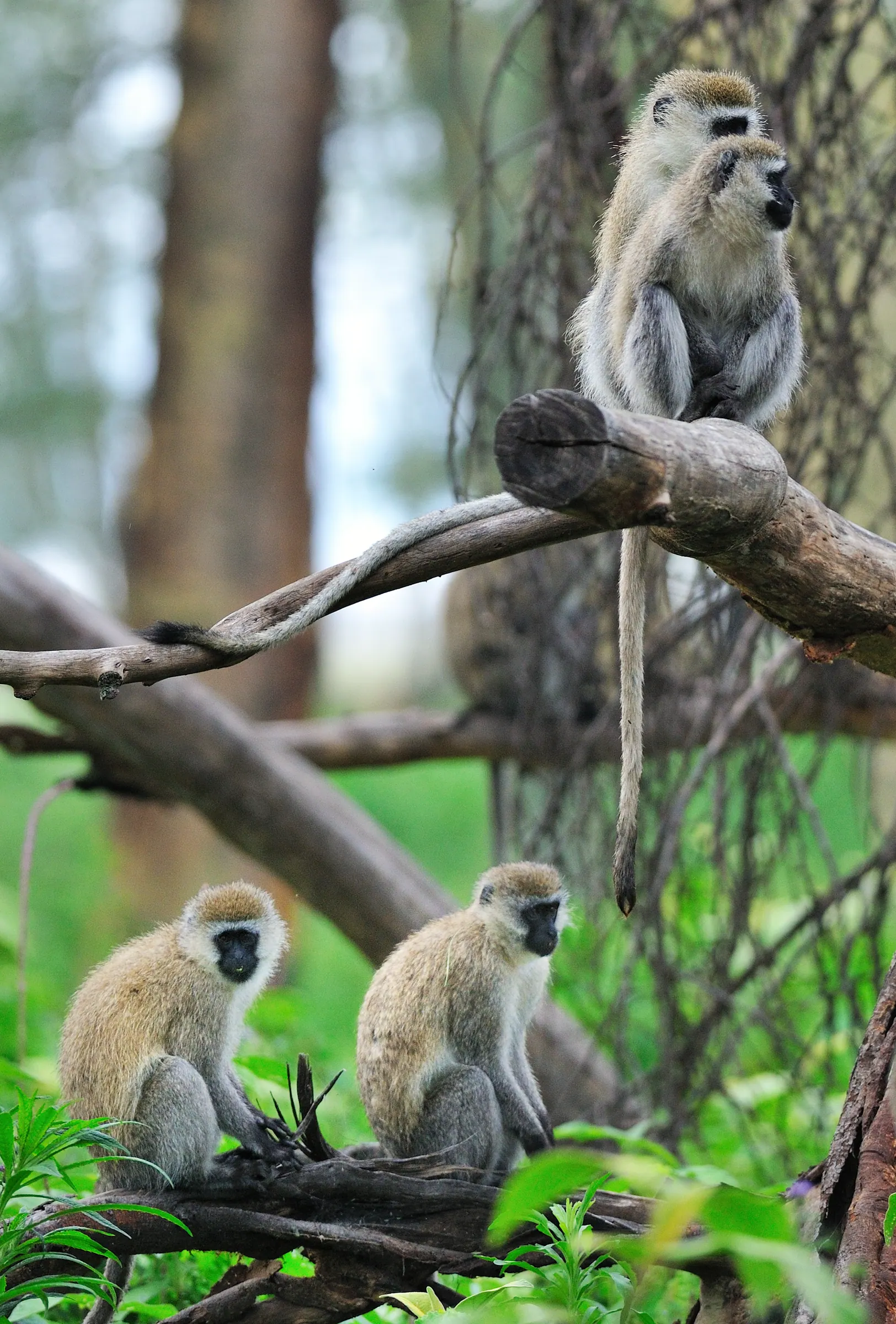
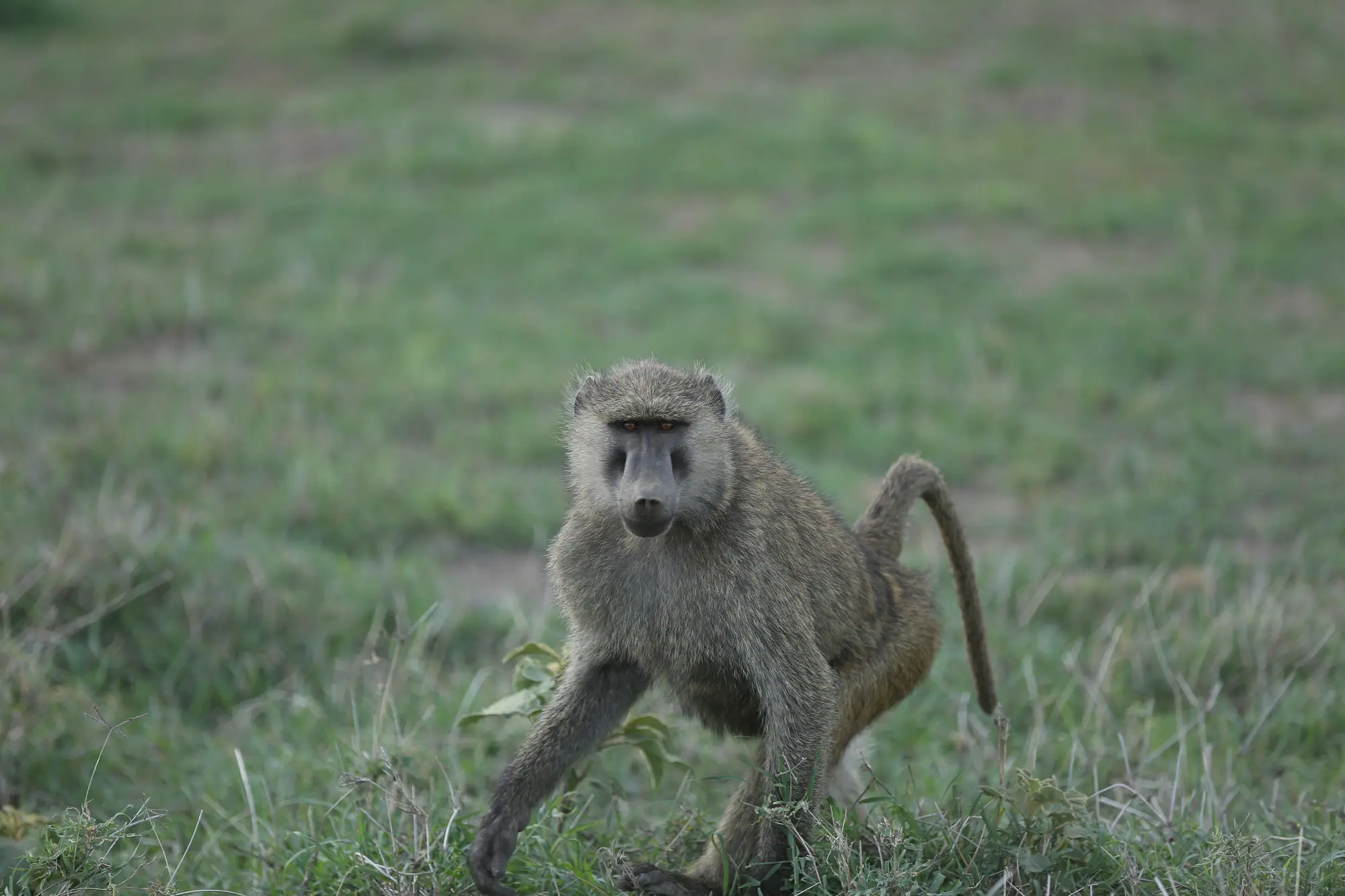
Red colobus are leaf eaters with a complex, chambered stomach, a little like a cow's, which lets them digest leaves other monkeys cannot. Mangabeys are the opposite: they spend much of the day on or near the ground, turning over leaf litter for seeds, fruit and insects, and they keep in touch with loud calls. The forests also hold more widespread primates, such as yellow baboons and vervet monkeys, which are often what people see first.
Why the forest is so small
The Tana is Kenya's longest river. Its lower course winds across a hot, dry plain, and forest survives beside it only where seasonal floods and a high water table keep the soil wet. The result is a broken chain of patches, many small, and the monkeys live only in them. Over the last half century the patches have shrunk and split further: cleared for farms, cut for building poles and canoes, and affected by changes to the river's floods after dams were built far upstream for power and water. A forest that depends on floods suffers when the floods change, and a monkey that lives only in that forest suffers with it.
A reserve with a contested status
The national reserve was gazetted in 1976 over about 170 square kilometers of forest and surrounding land along the river. It was never an easy fit. Pokomo farmers and Orma herders had long used the land and the river, and many felt the reserve had been imposed without them. A large international conservation project in the 1990s tried to combine protection with benefits for local people, and it met strong local opposition. A court case brought by residents in the 2000s then challenged the way the reserve had been created, and since then its legal status has been contested, with official sources and maps disagreeing on whether it still stands as a reserve.
What is not in doubt is that the forests and the monkeys still need protecting, and that protection works best when it has the support of the communities who live there. Conservationists have increasingly worked with those communities on protecting forest patches, replanting along the river and monitoring the monkeys, alongside Kenya Wildlife Service.
Why it matters beyond Kenya
Red colobus monkeys, across Africa, are among the most threatened groups of primates on the continent, and several kinds are close to extinction. The Tana River red colobus is an isolated population, cut off from its nearest relatives by hundreds of kilometers of dry country, so it cannot be topped up from anywhere else. If the Tana forests go, it goes with them. The mangabey is in the same position.
The river, the delta and its people
Downstream, the Tana spreads into a wide delta of grassland, mangroves and seasonal lakes before it reaches the Indian Ocean, and the delta was listed as a Ramsar wetland of international importance in 2012. The people of the lower river are mainly Pokomo, who farm and fish along the banks, and Orma, who herd cattle on the plains to the west; their lives and the forests' future are tied together. Our pages on the Pokomo and the Orma introduce both communities.
Visiting the reserve
Most visitors come by road from the north coast: from Malindi to Garsen, where the road crosses the Tana, then north along the river toward Hola. It is a full day's travel, so we plan it as a two- or three-night trip from Malindi or Watamu, or combine it with the Tana Delta, Kipini at the river mouth, and the Hola Massacre memorial upriver, a landmark of the independence struggle. Accommodation along the lower Tana is simple, so expect camping or a basic lodge rather than a safari camp, and bring your own drinking water and snacks for the drive.
| Plan | What it involves |
|---|---|
| Getting there | By 4x4 from Malindi or Watamu via Garsen; a full day each way with stops |
| Best months | January to March and July to October, when the tracks are dry; the rains of April to June and November can flood the river and cut the roads |
| Time of day | Early morning and late afternoon, when the monkeys are most active and the heat is bearable |
| Guiding | A local guide who knows the forest patches, plus a KWS ranger where one is assigned; walk quietly and keep to the paths |
| What to bring | Binoculars, long sleeves and repellent, malaria tablets, a hat, plenty of water and a camera with a long lens for the canopy |
| Combine with | The Tana Delta for waterbirds, hippos and crocodiles, Kipini, Malindi and the Watamu coast |
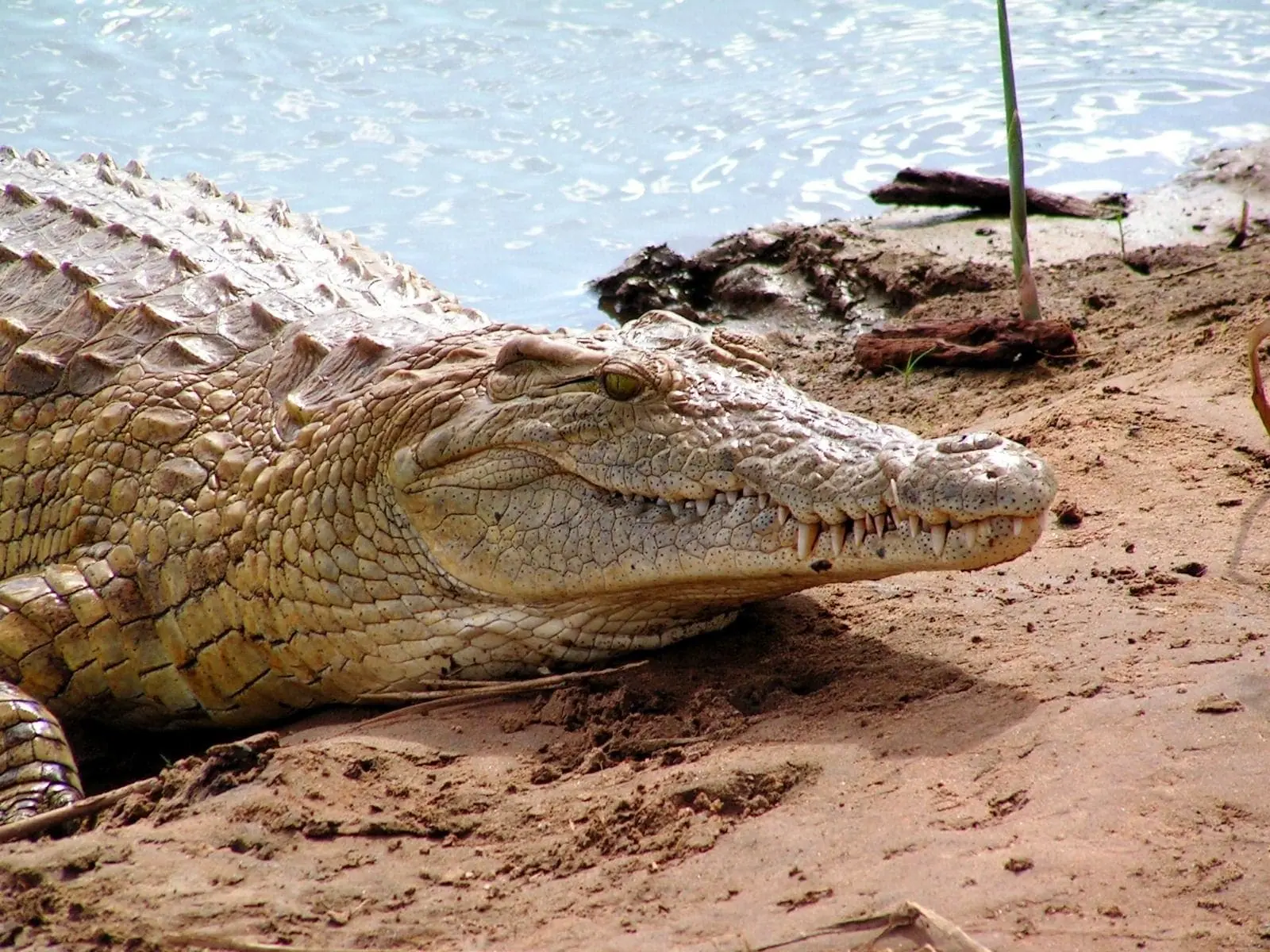
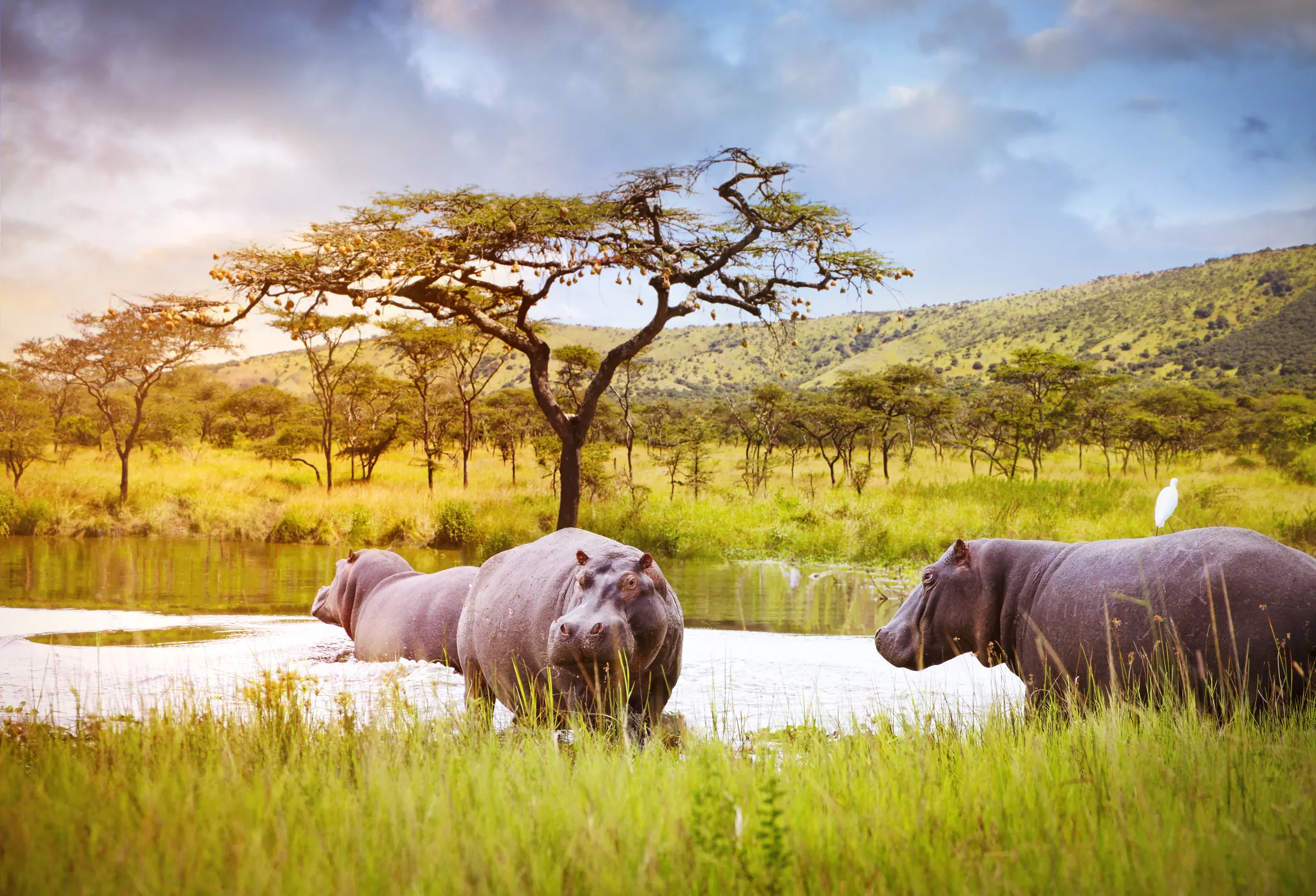
In the forest, red colobus are usually found high in the canopy, so a guide listens for movement and points you to a tree; mangabeys are easier to see on the ground in the early morning, foraging in groups and calling to each other. Keep a respectful distance, never feed them, and keep your voice down. The river itself holds hippos and crocodiles, so stay well back from the bank and follow your guide. Before you book, check the current U.S. State Department advisory for Kenya and confirm your travel insurance covers your route.
Where else to see Kenya's primates
- Diani, on the south coast: Colobus Conservation works to protect the Angolan colobus and other monkeys of the coastal forest, and its visits pay for that work
- Kakamega Forest in western Kenya: black-and-white colobus, red-tailed monkeys and blue monkeys in Kenya's last tropical rainforest
- Saiwa Swamp near Kitale: De Brazza's monkey, as well as the sitatunga antelope
- Karura Forest in Nairobi: Sykes' monkeys on any morning walk
- Mount Kenya and the Aberdares: black-and-white colobus in the montane forest
Our primates page covers every species you can see in Kenya, where to find each, and why you should never feed them. If you cannot fit the lower Tana into your trip, a visit to Colobus Conservation in Diani is the most direct way to support primate conservation on the coast. We are Kenyan-led, with two U.S. companies behind us, and we are glad to plan a route that takes in both.