Hiking. Updated November 2026. 4 min read.
Fifteen minutes from the malls of Westlands, the city noise fades and you are walking under tall trees beside a river, with Sykes' monkeys in the branches and the sound of a waterfall ahead. Karura Forest is one of the largest urban forests in the world, about 1,000 hectares of woodland inside Nairobi, and its waterfall loop is the best easy walk in the city.
In short: from the main gate on Limuru Road, a loop of about 5 kilometers takes you through the forest to a 15-meter waterfall on the Karura river, past caves once used by Mau Mau fighters, and back, in two to three hours at an easy pace. The trails are marked and patrolled, so you can walk it on your own, and there is a cafe by the gate for afterwards. It is the ideal first-day walk after a long flight.
The waterfall loop
| Stage | Distance | What you see |
|---|---|---|
| Limuru Road gate to the river | About 1.5 km | Wide forest paths under eucalyptus and indigenous trees |
| Down to the waterfall | About 1 km | Steps down to a viewing point below the 15 m falls |
| Along the river to the caves | About 0.5 km | Shallow caves in the riverbank, used as hideouts in the 1950s |
| Back through the bamboo | About 2 km | Stands of bamboo, birdsong and quieter side trails |
The waterfall is not huge, but in a forest in the middle of a city of more than four million people it feels remarkable. It is fullest in the rainy months, roughly April to May and November, when the river runs brown and fast; in the dry season it is gentler and the paths are firmer. The steps down to the viewing point can be slippery after rain.
The Mau Mau caves
In the 1950s, during the Mau Mau struggle against British colonial rule, fighters used Karura's thick forest and its riverbank caves as hiding places and meeting points, close to the city they were fighting for. Today the caves are small and shallow, but standing in them, a short walk from embassies and shopping centers, brings that history close. Our history pages tell the wider story of Mau Mau and independence.
The forest that was saved
Karura exists today because people fought for it. In the late 1990s, parts of the forest were secretly allocated to private developers. Wangari Maathai and the Green Belt Movement led protests and tree-planting to reclaim it, and in January 1999 she and other protesters were attacked while trying to plant trees in the forest. The public outcry helped stop the land grab. Today the forest is managed by the Kenya Forest Service in partnership with Friends of Karura Forest, a community group that runs the gates, the trails and the forest scouts. Your entry fee helps pay for them.
Other ways to enjoy Karura
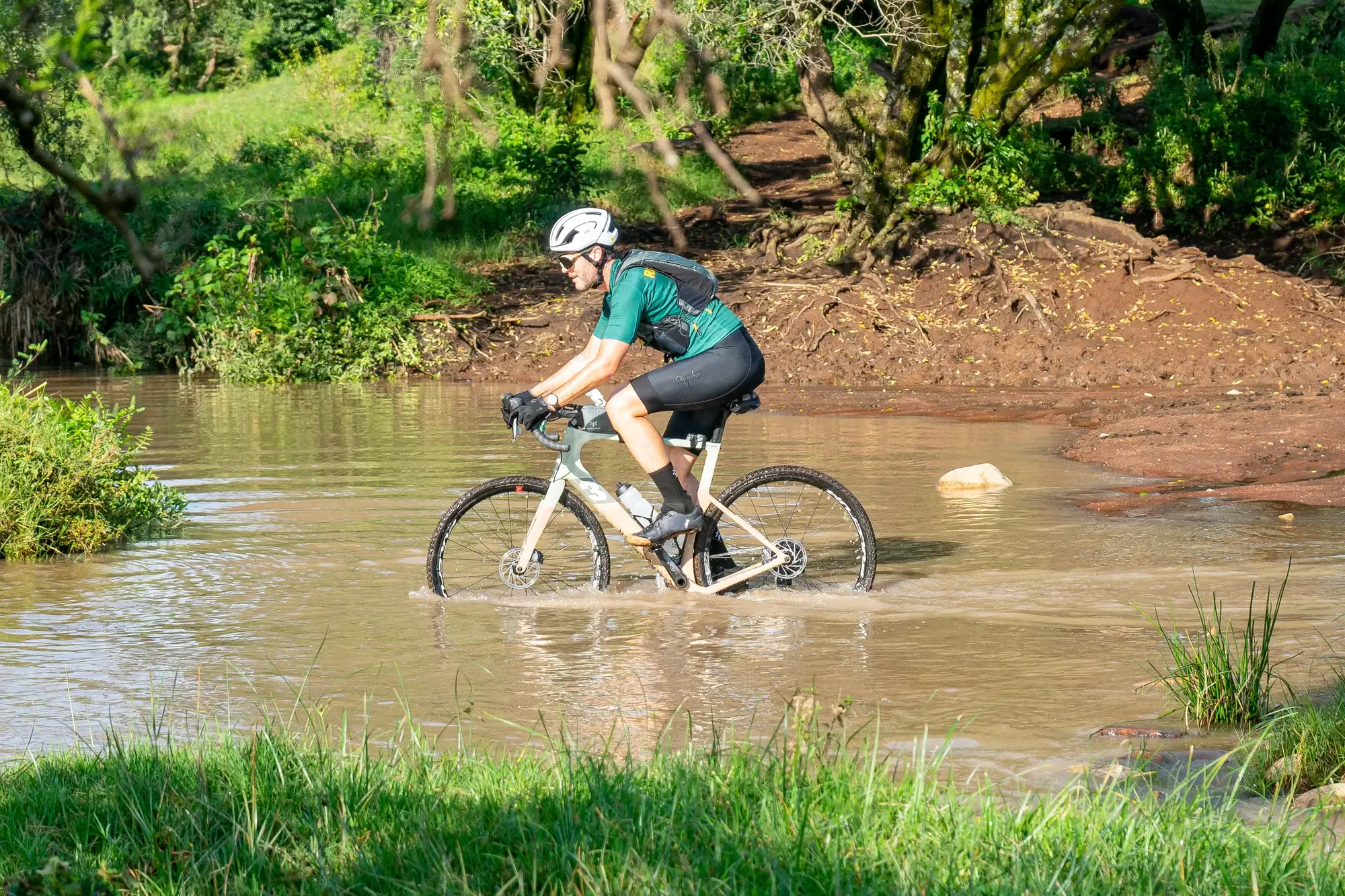
- Cycling: bikes can be hired near the main gate, and many trails are open to riders.
- Running: early mornings and weekends bring Nairobi's runners out on the loops.
- Lily Lake and the marsh: a quiet spot for birdwatching.
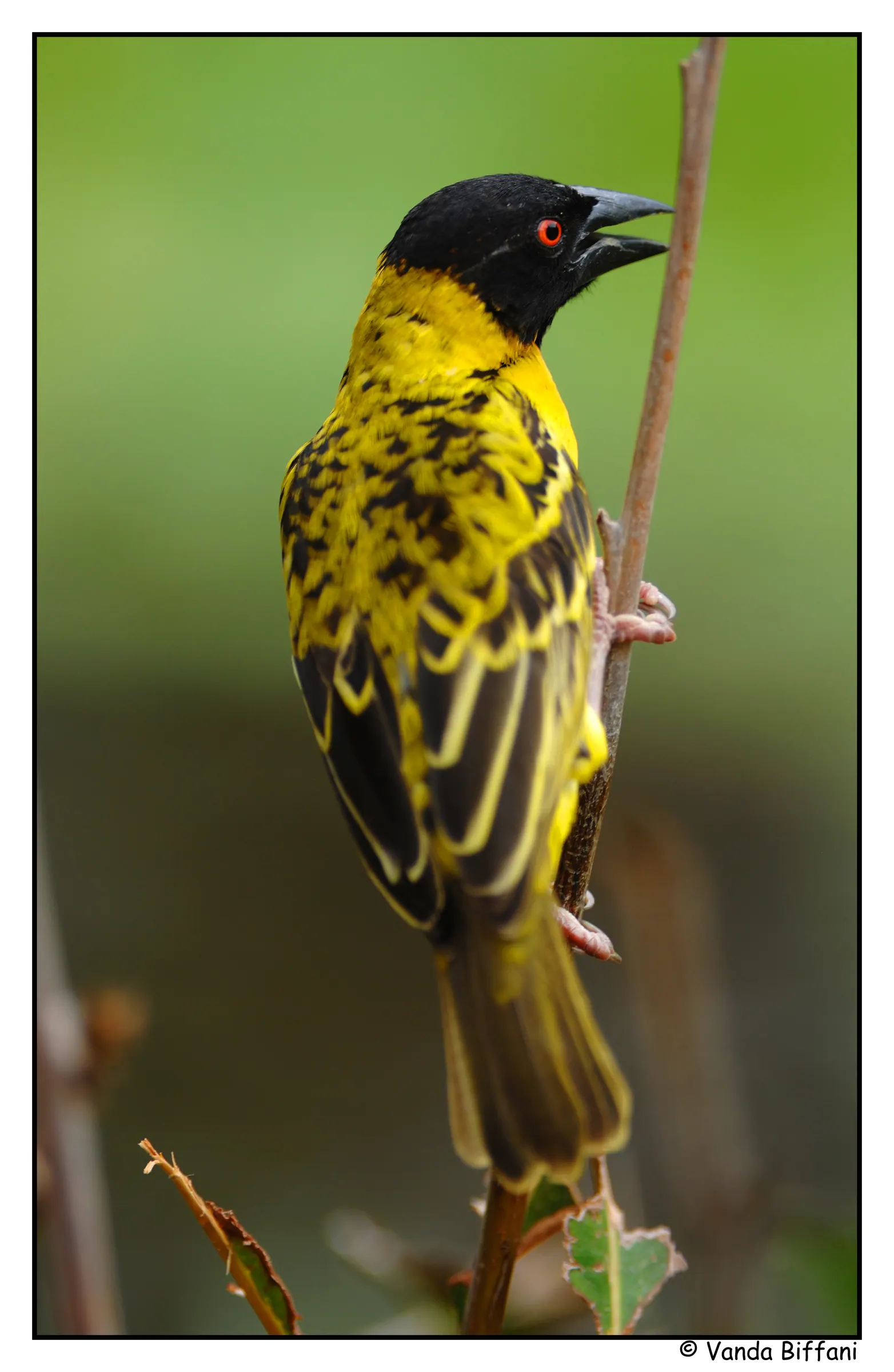
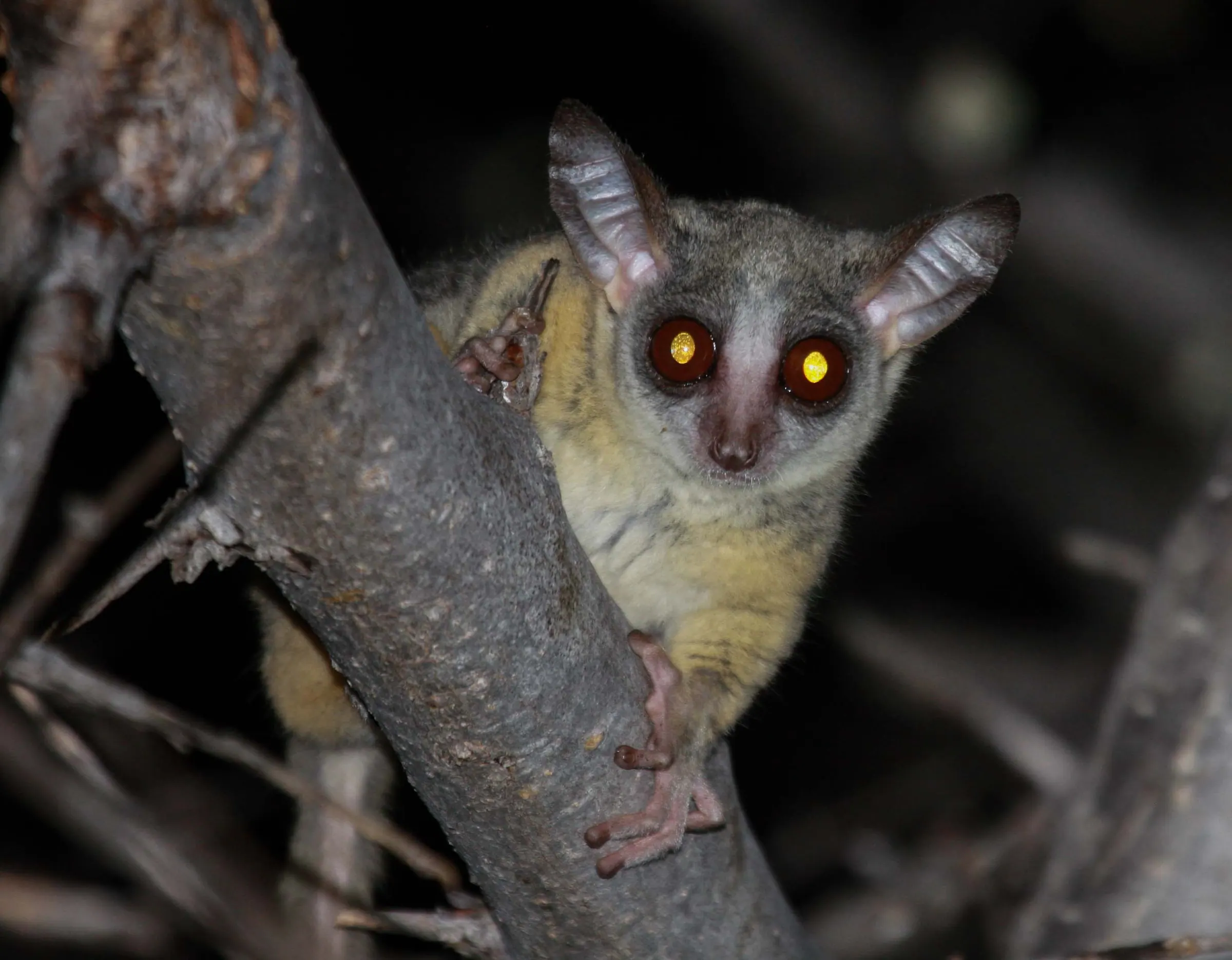
- Wildlife: Sykes' monkeys, bushbuck, duikers, bushbabies at dusk and a long list of forest birds.
- A picnic or a coffee: the cafe near the Limuru Road gate is popular after a walk.
- Guided walks: Friends of Karura can arrange a guide for groups, families and school trips.
Fees, hours and practical details
At the time of writing, the forest is open daily during daylight hours, roughly from early morning until early evening, and charges a modest entry fee in shillings, with separate rates for citizens, residents and non-residents. Payment is usually by M-Pesa or card at the gate. Fees and hours can change, so check the Friends of Karura Forest website before you go.
- Gates: the main gate is on Limuru Road; there are others on Kiambu Road and elsewhere around the forest.
- Getting there: a ride-hailing car from Westlands, Gigiri or the city center takes about 15 to 30 minutes, depending on traffic.
- Wear trainers or light hiking shoes; the paths are earth and can be muddy.
- Bring water, a light rain jacket and insect repellent.
- Walk with company if you plan to explore the quieter outer trails, and be out before the gates close.
- Stay on marked trails, take your litter with you and do not feed the monkeys.
Walking Karura with children or a group
Karura is one of the easiest places in Nairobi to bring children for a walk. The main paths are wide and well kept, the monkeys and the waterfall give them a goal, and the cafe at the end is a reward. For small children, a shorter loop to the waterfall and straight back, about 3 kilometers, is plenty; a carrier is easier than a stroller on the steps. Groups of students or church teams should book a Friends of Karura guide in advance, agree a meeting point at the gate, keep a head count at the waterfall and the caves, and plan to be back at the gate well before closing. Larger groups may be asked to pay a group rate or book ahead, so check before you arrive.
Fitting it into a trip
Karura works best on an arrival or departure day, when you have a few hours in Nairobi and want to move after a long flight. It pairs well with the Giraffe Centre or the elephant orphanage in the morning, or a rainy-day plan in the city. For families, the loop is short enough for children and the monkeys keep them interested. For school groups, the Wangari Maathai story makes it a living lesson in environmental activism.