Things to do. Updated November 2026. 4 min read.
Nairobi's rain is usually polite. In April, May and November it tends to arrive in the afternoon, often with thunder, empties the sky for an hour or two and leaves the city steaming and green. A mostly dry morning and a wet afternoon is the normal pattern, and that is the secret of a rainy day here: go outdoors early, and save the museums, galleries and a long lunch for when the clouds roll in.
The best rainy-day plan: a morning game drive or the elephant orphans while it is dry, then the Nairobi National Museum and its snake park, then a slow late lunch at the Talisman or Cultiva. If it rains all day, the Railway Museum, the Nairobi Gallery, the city's galleries, a cooking class and the malls fill it easily. Here is how to use a wet day well.
When it rains in Nairobi
| Months | What to expect | What it means for you |
|---|---|---|
| January and February | Mostly dry and warm | Few rainy days |
| March | The long rains often begin, usually late in the month | Afternoon showers start |
| April and May | The long rains, the wettest weeks of the year | Afternoon and evening storms; some roads flood |
| June to September | Dry, cool and often gray | Rain is rare; bring a fleece |
| October | The short rains may begin | Occasional showers |
| November | The short rains | Afternoon showers and storms |
| December | Showers early, drying out | Mostly pleasant |
Museums: the obvious answer, done well
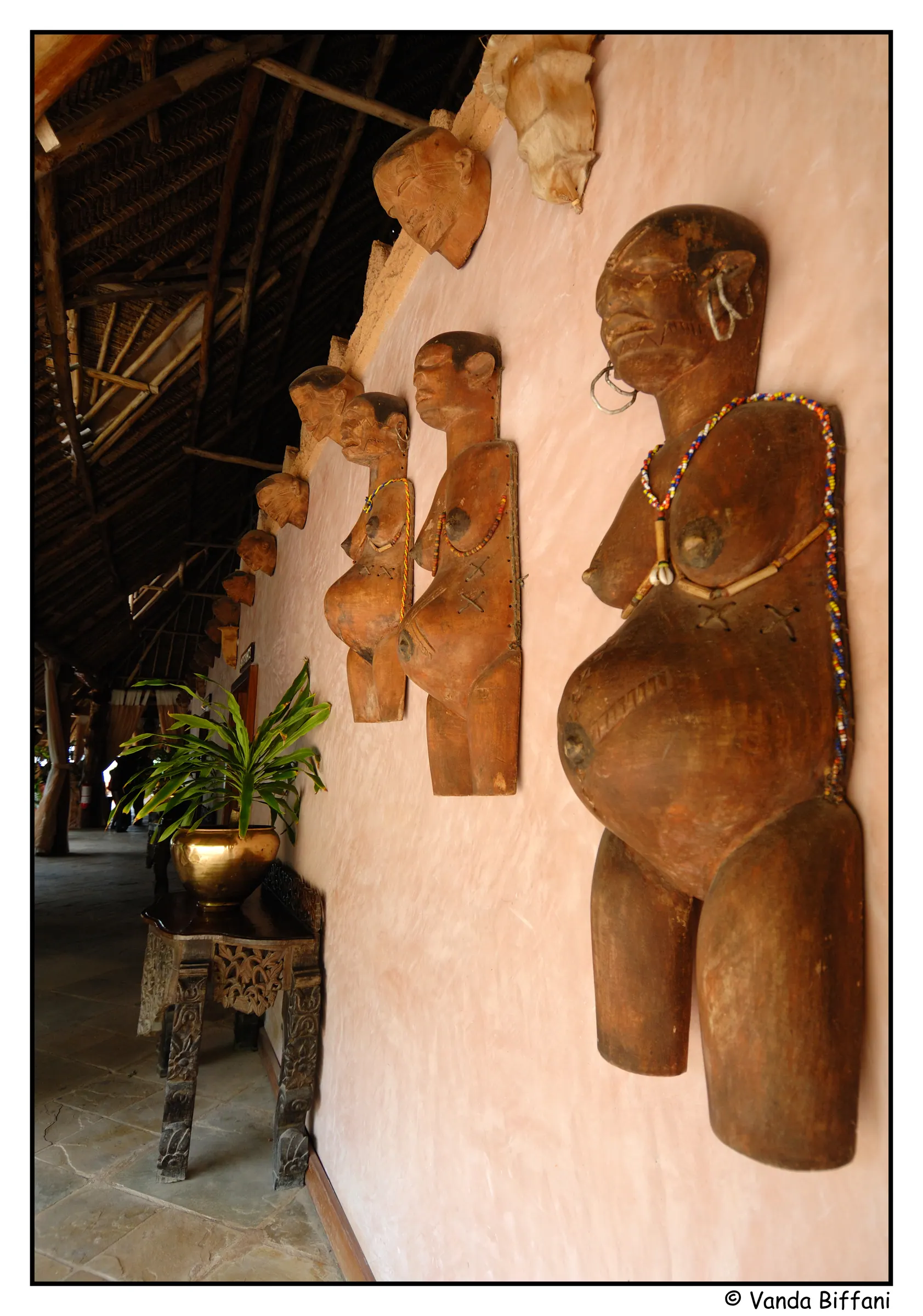
The Nairobi National Museum on Museum Hill is the best wet afternoon in the city: two or three hours of human origins, birds, mammals, Kenyan history and art under one roof, with the snake park next door. Our museum page has a two-hour route. The Nairobi Railway Museum, beside the old station, has a covered hall of photographs, models and documents as well as the locomotives outside; climb into the engines between showers. The Nairobi Gallery at Point Zero, at the junction of Kenyatta Avenue and Uhuru Highway, is small, calm and full of African art. And the Karen Blixen Museum is mostly a house tour, so it works in rain too, with the garden saved for a dry spell.
Galleries and the GoDown
Nairobi's contemporary art scene is the strongest in East Africa, and rain is the perfect excuse to see it. Commercial galleries such as Circle Art and One Off, artist collectives such as Kuona, and the GoDown Arts Centre show painting, sculpture, photography and installation by Kenyan artists, and many sell work at prices that would be unthinkable in New York. Opening days vary and some galleries open by appointment, so check before you go. Our Kenyan art page has the background and the names to know.

Make something
- A cooking class: learn ugali, chapati, sukuma wiki or pilau in a Nairobi kitchen, sometimes with a market visit first, from about $40 to $90 per person depending on the host. Our cooking class page has the options.
- Kazuri Beads in Karen: watch women shape, paint and fire ceramic beads in covered workshops, then shop for gifts made on the spot.
- Beadwork or basket weaving with a craft group, which we can arrange for groups with notice.
Malls, cinemas and spas
Nairobi's big malls are built for rainy afternoons. Two Rivers, on Limuru Road, is one of the largest in the region, with shops, restaurants and entertainment; Village Market in Gigiri mixes covered walkways, a cinema and a food court; Westgate in Westlands is compact and central. All three are good for picking up safari kit you forgot. For a slower afternoon, many of the large hotels in Westlands and Karen run spas that take non-guests by appointment; book a massage after a long flight and let the rain do its thing.
The long lunch
Nairobians answer rain with lunch. The Talisman in Karen is the classic: a rambling house of small rooms with an eclectic menu, made for staying until the storm passes. Cultiva, a farm restaurant on the Karen side of the city, grows much of what it serves. Tamambo at the Karen Blixen Coffee Garden is the other easy choice, close to the museum. Book ahead in the rainy months, as everyone has the same idea.
What rain does to the rest of your plans
- Traffic: rain slows Nairobi dramatically, sometimes doubling journey times. Leave earlier for flights, and let your driver choose the route.
- Game drives still run. Animals do not mind rain, but some tracks in Nairobi National Park get muddy, so a proper safari vehicle matters.
- Karura Forest's trails turn slippery; walk in the morning and wear shoes with grip.
- The Ngong Hills can disappear into cloud, and Hell's Gate's gorge closes after heavy rain because of flash floods.
- Light aircraft from Wilson Airport sometimes wait out a storm; build slack into tight connections.
- Never walk or drive through floodwater on Nairobi's roads. Your driver will wait it out, and so should you.

A rainy-day plan that works
Morning: the Sheldrick elephant nursery at 11am or an early game drive, while it is dry. Lunch: a long one in Karen. Afternoon: the Karen Blixen Museum or Kazuri if you stay south, or the National Museum and a gallery if you head north. Evening: dinner close to your hotel, with a car door to door. If the forecast shows storms for several days in a row, we move the outdoor plans to the mornings and keep the afternoons flexible. Rain in Nairobi rarely ruins a day; it just changes the order.