Experiences. Updated November 2026. 5 min read.
The quickest way into a culture is through its kitchen. A Kenyan cooking class puts you on a low stool with a coconut grater in Mombasa, at a charcoal stove in a family compound upcountry, or at a market stall in Nairobi choosing tomatoes and greens before you cook them. It ends the same way every time: at a table, eating what you made, with the people who taught you.
We arrange classes along the coast, in Nairobi and in homes upcountry, as a half day on any trip. Typical prices run from about $40 to $90 per person at the time of writing, depending on the kitchen, the group size and whether a market visit and transport are included. Here are the options, what you cook, and how to fit a class into your trip. Our food pages explain the dishes; this page is about getting your hands into them.
The kinds of class
| Class | Where | What you cook | Length |
|---|---|---|---|
| Swahili home kitchen | Mombasa Old Town | Pilau or biryani, coconut fish, mahamri, kachumbari | About 4 hours with a spice market walk |
| Lamu family kitchen | Lamu Old Town or Shela | Fish in coconut and tamarind, coconut rice, chapati | 3 to 4 hours |
| Resort or villa class | Diani and Watamu | Swahili seafood dishes and coconut rice, with the hotel's chefs | 2 to 3 hours |
| Nairobi market to table | A city market, then a home or studio kitchen | Ugali, sukuma wiki, chapati, a beef or bean stew | 4 to 5 hours |
| Homestay cooking | With a host family on a study tour | Whatever the family eats that night, cooked together | An evening |
| Village cooking day | A Kikuyu farm in Central Kenya or a Maasai community visit | Mukimo or githeri from the farm; roast meat and tea with Maasai hosts | Half day |
Swahili cooking on the coast
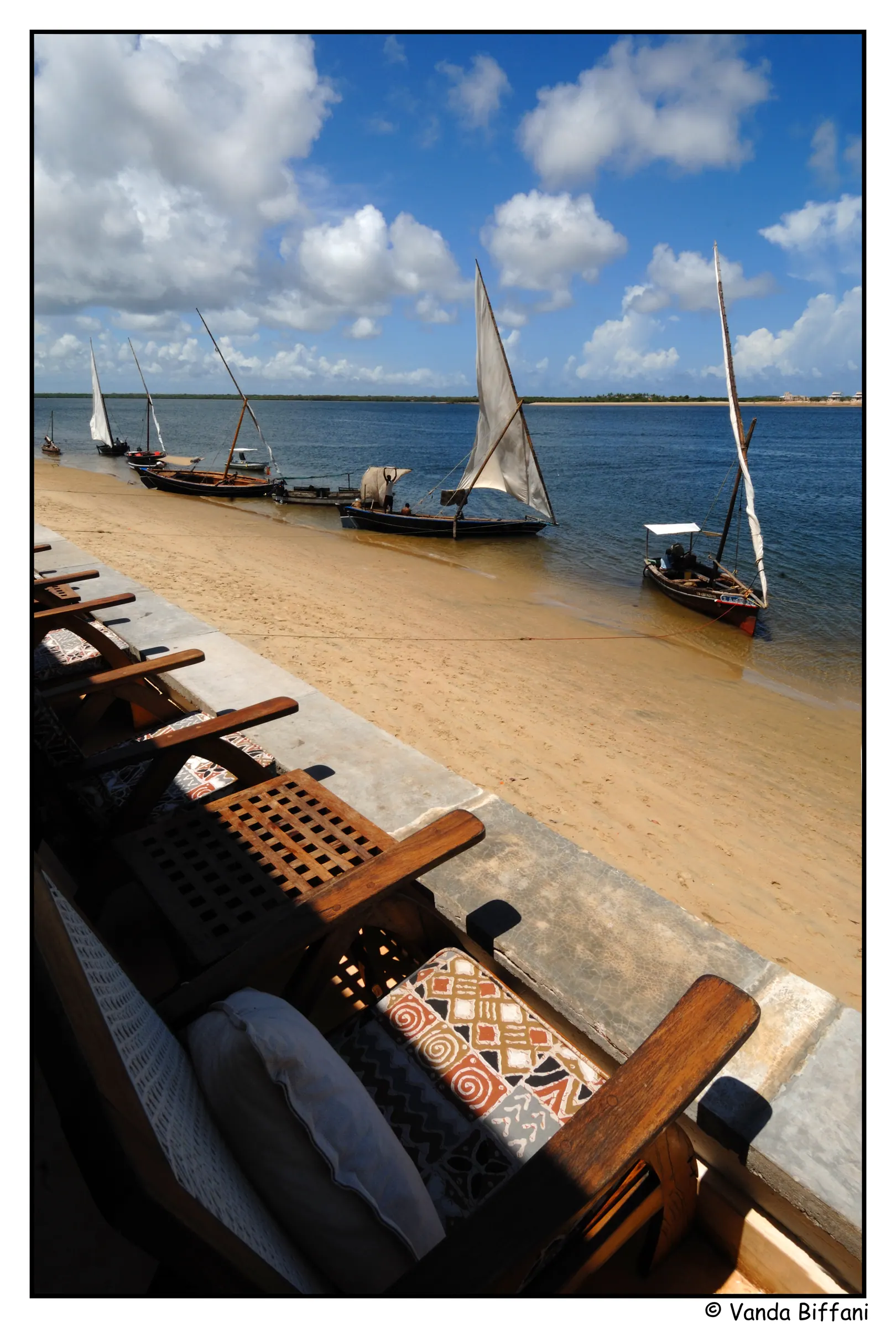
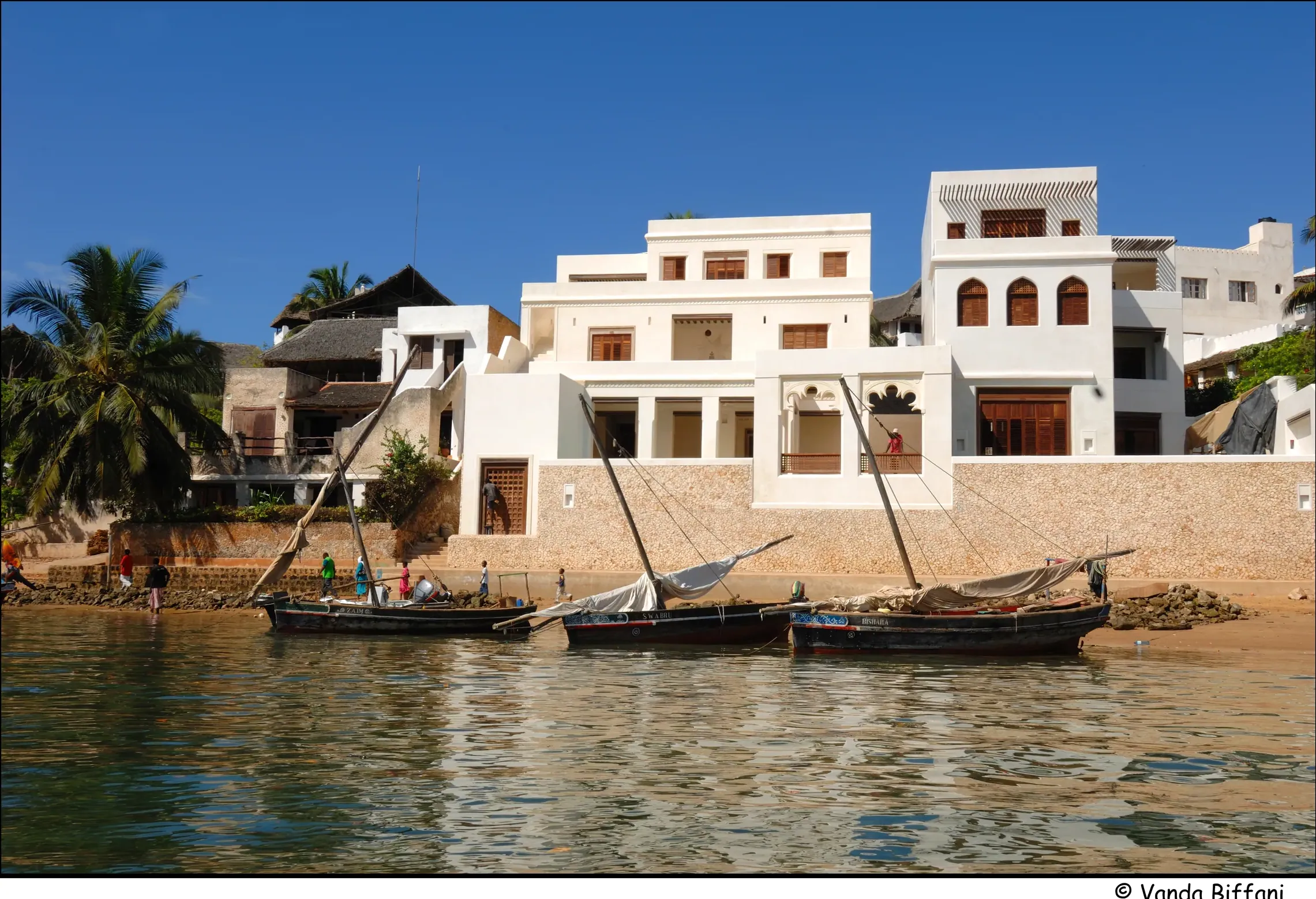
Mombasa's Old Town is the best place in Kenya to learn Swahili cooking. A typical class starts with a walk to the spice sellers, where your cook shows you whole cumin, cardamom, cloves and cinnamon and explains what goes into pilau masala. Back in the kitchen, you grate fresh coconut on a mbuzi, the traditional stool with a serrated blade, and squeeze it for thick and thin milk. Then you cook a pilau or biryani, a fish in coconut sauce and a batch of mahamri, the coast's cardamom doughnuts. In Lamu, classes are in family homes in the Old Town or in Shela, often with fish bought that morning from the dhows. Dress modestly in both towns, covering shoulders and knees.
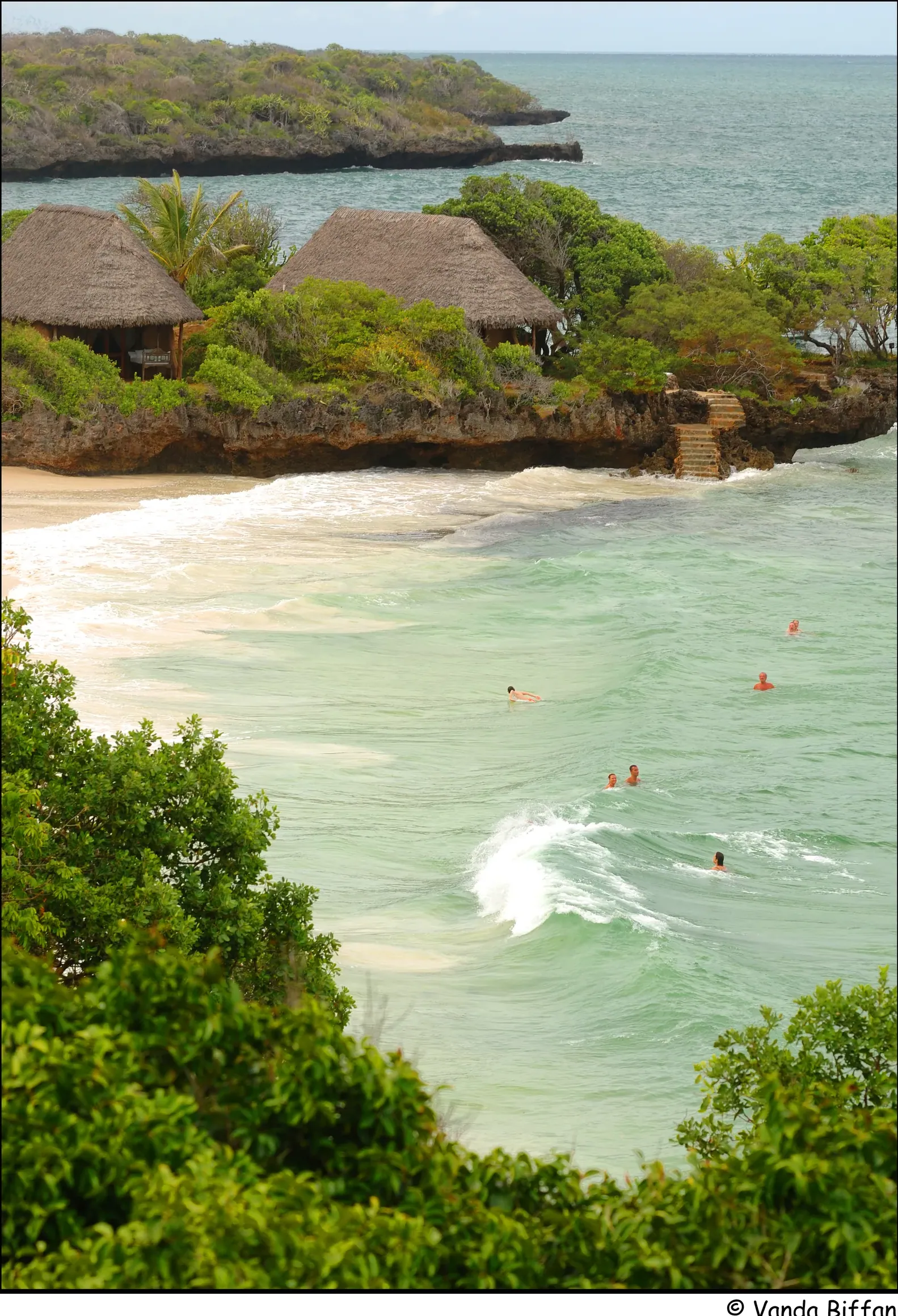
In Diani and Watamu, several resorts and villas run classes with their own chefs. These are more polished and less personal, and a good choice for families who want an easy afternoon between beach days. Our Swahili cooking page explains the dishes and spices in more depth.
Nairobi: market to table
In Nairobi, the class starts at a market. You buy greens, tomatoes, onions and maize flour with your cook, learn the Kiswahili for each, and see how Kenyans shop. Then you cook the everyday plate: ugali stirred stiff in a sufuria, sukuma wiki sliced into fine ribbons, layered chapati rolled and coiled, and a beef or bean stew. It is the class we recommend for diaspora families with children born in the U.S., who often want to learn the dishes their parents grew up on, and for students on a study-abroad program in the city.
Homestays and village cooking
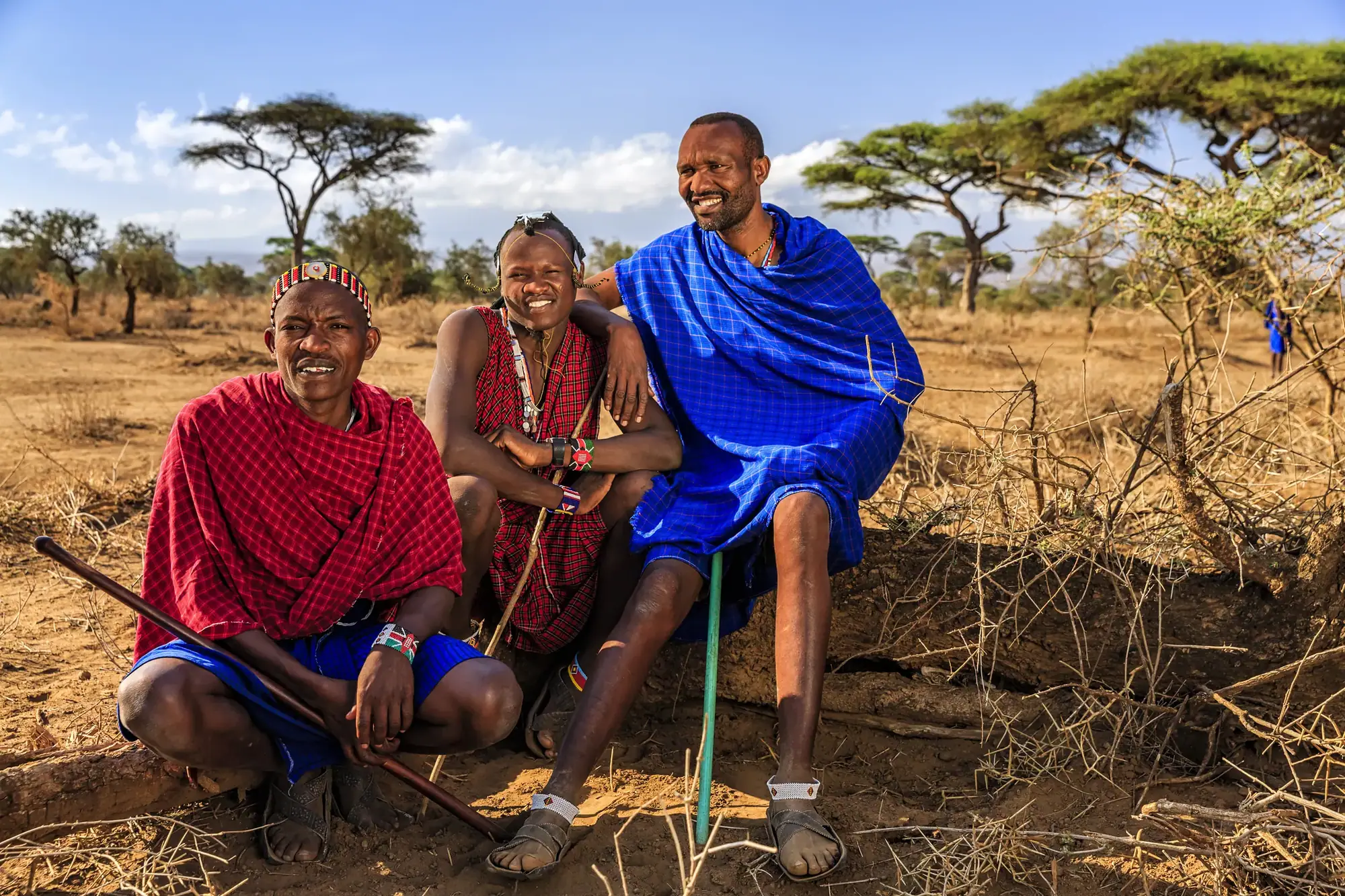
On our study tours and school trips, students often stay with Kenyan host families, and the most memorable cooking happens there: peeling potatoes for mukimo with a host mother, or learning to turn chapati on a charcoal stove. Upcountry, a village cooking day on a Kikuyu farm in Central Kenya starts in the field, picking the greens and digging the potatoes that go into mukimo. With Maasai hosts, the experience is about sharing roast meat and tea rather than a structured class; it is a cultural visit with food at its center.
What a class costs and what is included
Prices run from about $40 to $90 per person at the time of writing. The lower end is a home kitchen with a small group and no transport; the upper end includes a market walk, transport, a guide and a larger meal. Private classes for a couple cost more per person than a group of six. Most classes include ingredients, the meal, chai or soft drinks and printed recipes. Transport from your hotel is usually extra unless we bundle it into your trip. Prices change, so we confirm the exact cost when we build your itinerary.
What you take home: the pilau masala
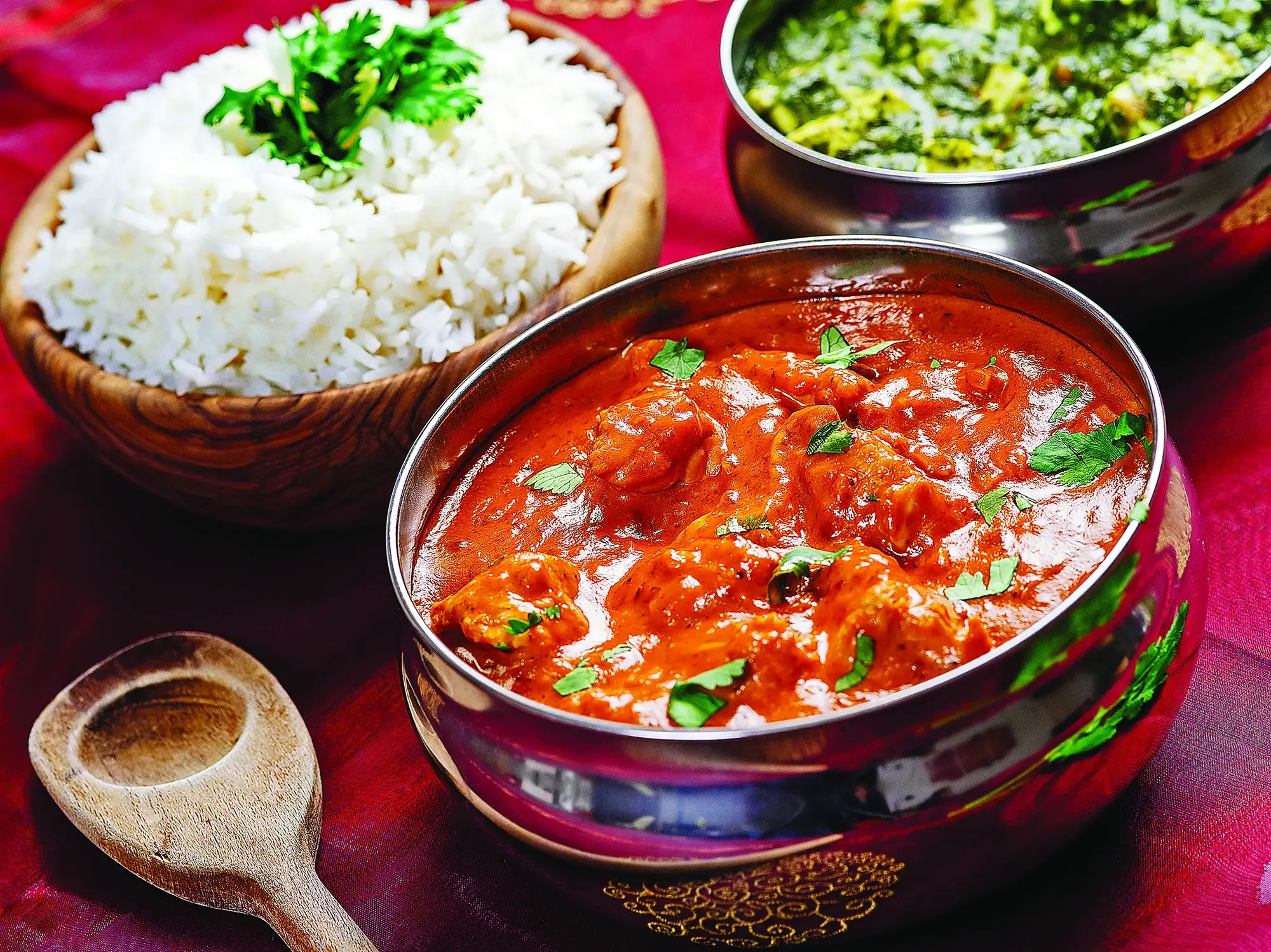
Every Swahili class sends you home with a spice blend. This is the one most coast cooks use for pilau; it keeps for months in a jar.
- 2 tablespoons cumin seeds
- 1 tablespoon black peppercorns
- 1 tablespoon cardamom pods (or 1 teaspoon seeds)
- 1 teaspoon whole cloves
- Two 3-inch cinnamon sticks, broken
- Toast everything in a dry pan over low heat for 2 to 3 minutes until fragrant, cool, then grind to a powder
- Use about 1 1/2 tablespoons for 2 cups of rice; our recipes page has the full pilau
Who it suits and how to fit it in
- Families: a cooking class is a good rest day after early game drives, and children enjoy the market and the doughnuts
- Diaspora travelers: learn the family dishes properly, or bring your U.S.-born children to cook with relatives
- Students and faculty: a class or homestay meal fits a culture, health or nutrition syllabus
- Church and community groups: cook together and share the meal with a partner community
- Food lovers: pair a Swahili class in Mombasa with a coffee farm, a tea estate and a street-food walk in Nairobi
Tell us about allergies and diets before you book; cooks adapt the menu for vegetarian, vegan and halal guests, and we brief every kitchen in writing. A class fits best on a coast stay, an arrival or departure day in Nairobi, or a homestay night on a study program.
Say it in Kiswahili
| Kiswahili | English |
|---|---|
| Jiko | Kitchen, stove |
| Kupika | To cook |
| Kusonga ugali | To stir and shape ugali |
| Mpishi | Cook, chef |
| Asante kwa chakula | Thank you for the food |