Food and drink. Updated November 2026. 5 min read.
Swahili food is what happens when coconut, cardamom, tamarind and a thousand years of Indian Ocean trade meet fresh fish. The towns of the Kenyan coast, from Vanga in the south through Mombasa and Malindi to Lamu in the north, traded with Arabia, Persia and India for centuries, and their kitchens absorbed spices and techniques from every dhow that sailed in on the monsoon. The result is the most fragrant cooking in Kenya: rice cooked in coconut milk, fish simmered in a tamarind and coconut sauce, pilau perfumed with cumin and cloves, and doughnuts scented with cardamom.
It is also everyday food, not restaurant food. The best Swahili meals happen in family kitchens and small cafes in the old towns, where women grate fresh coconut on a mbuzi, a low wooden stool with a serrated blade (the word also means goat), and the same spice blends their grandmothers used. This page walks through the dishes, how they are made and where to eat them. Our food hub covers the whole country; this is the coast in detail.
The building blocks
- Coconut: grated fresh and squeezed for milk, first a thick milk and then a thin one, used in rice, beans, fish and sweets
- Tamarind (ukwaju): the sour note in fish sauces and chutneys, soaked and strained
- Lime and chili: squeezed and sprinkled over almost everything savory
- Whole spices: cumin, cardamom, cloves, cinnamon and black pepper, the core of pilau
- Turmeric, coriander and ginger-garlic paste for curries, showing the Indian influence
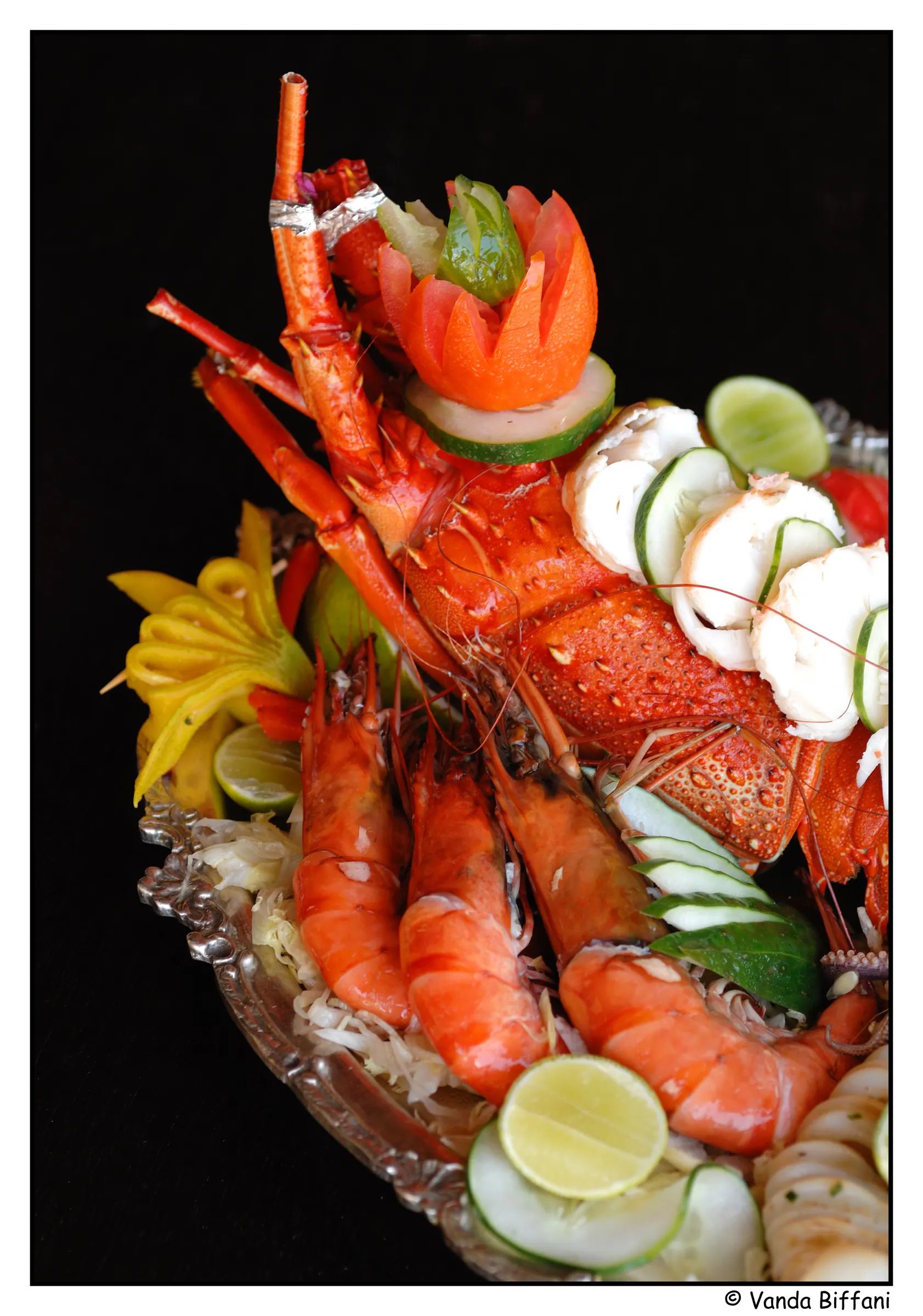
- Fish and seafood: kingfish, snapper, parrotfish, octopus, prawns and crab from the reef and the creeks
The dishes to know
| Dish | What it is | When it is eaten |
|---|---|---|
| Wali wa nazi | Rice cooked in coconut milk with salt | Lunch and dinner, with fish or beans |
| Samaki wa kupaka | Grilled fish basted with a coconut, tamarind and spice sauce | Lunch, especially on Lamu and in Mombasa |
| Pilau | Rice cooked in spiced stock with meat, browned onion and whole spices | Weddings, Eid, Fridays and family gatherings |
| Biryani | Spiced meat or chicken in a rich sauce, layered with fragrant rice and fried potato | Fridays, weddings and feasts |
| Mahamri | Triangles of fried dough with coconut milk and cardamom | Breakfast, with chai |
| Mbaazi za nazi | Pigeon peas simmered in coconut milk | Breakfast, with mahamri |
| Viazi karai | Potatoes dipped in spiced gram flour batter and fried | Afternoon snack, with chili sauce |
| Mishkaki | Small skewers of marinated beef grilled on charcoal | Evening street food |
| Kaimati | Small fried dough balls soaked in syrup | Afternoon sweet, and during Ramadan |
| Madafu | Green coconut, opened with a machete, to drink and then eat the soft flesh | Any hot afternoon |
Pilau and biryani: Mombasa's Friday dishes
In Mombasa, Friday after midday prayers is pilau or biryani day in many homes and cafes. Pilau is a one-pot dish: onions are browned deeply, which gives the rice its color, then whole spices, garlic, ginger and meat go in, followed by rice and stock, and the pot is covered and left on low heat until each grain is separate. Biryani is the richer cousin: meat or chicken cooked in a thick, spiced tomato and yogurt sauce, served with or layered under rice, and on the Kenyan coast almost always with a piece of fried potato. Both come with kachumbari and a hot chili sauce. Upcountry pilau tends to be simpler; coast cooks will tell you it is not the same dish. Our recipes page has a home version.
Breakfast on the coast
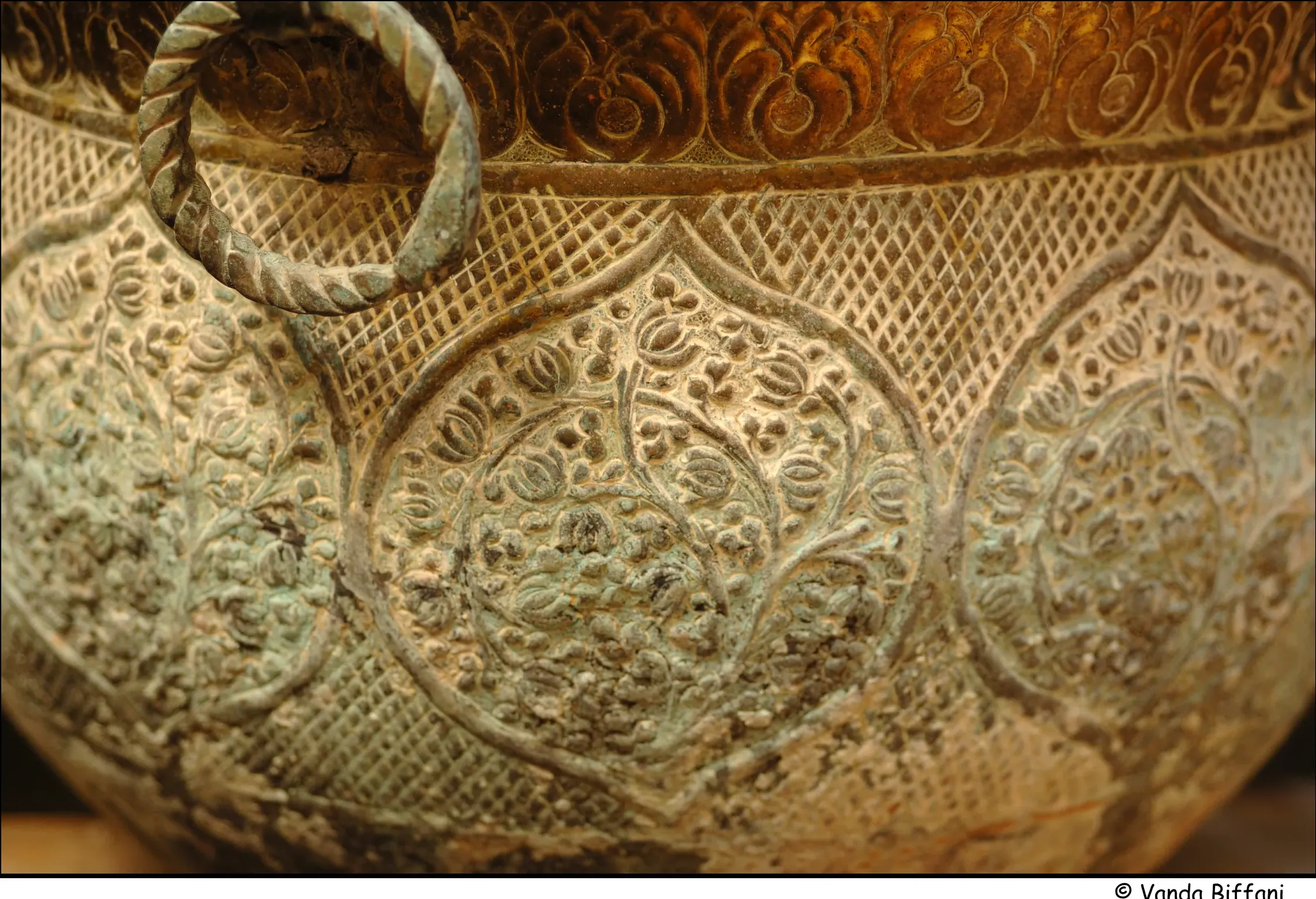
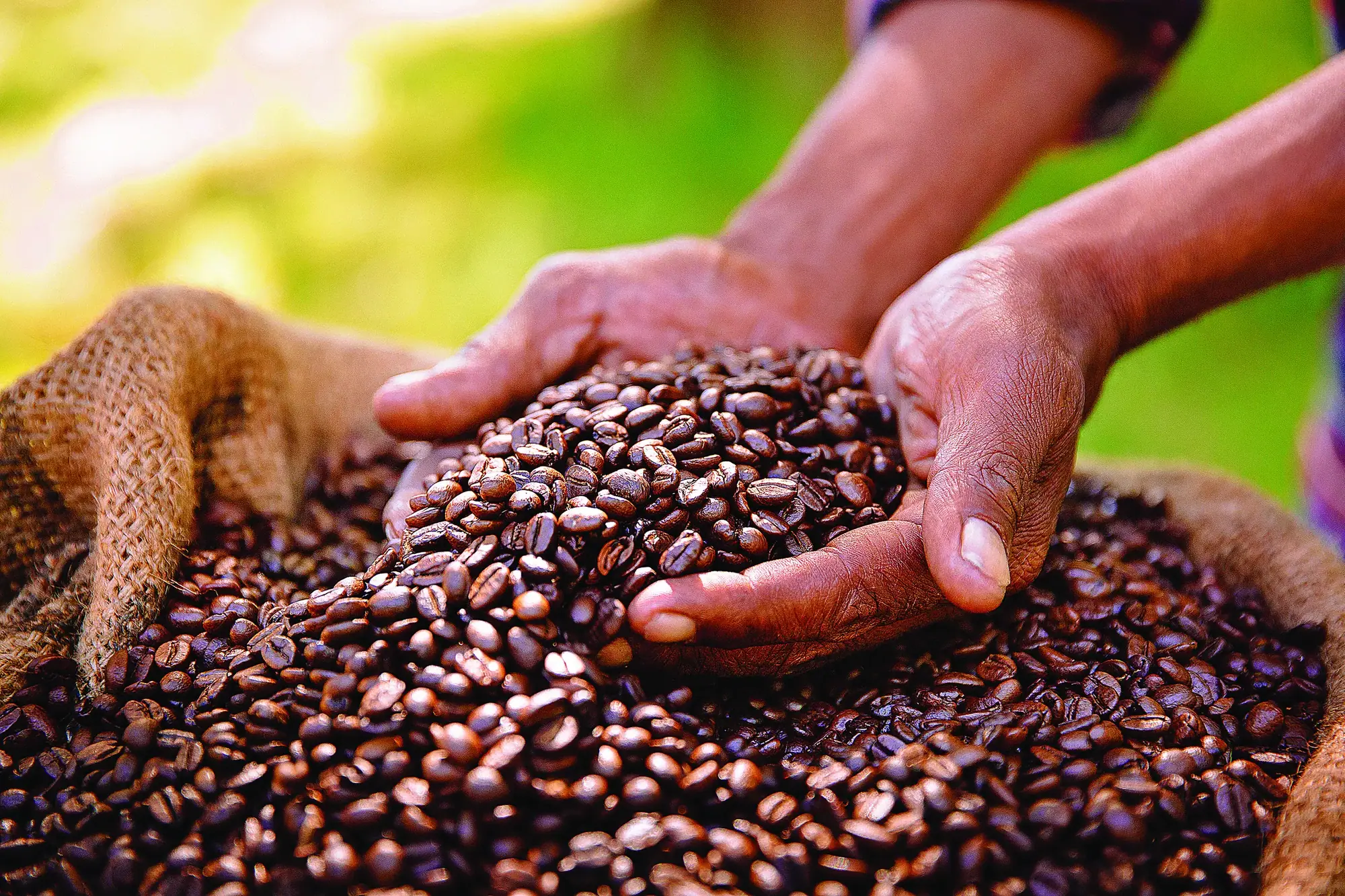
The coast breakfast is mahamri and mbaazi: warm, slightly sweet triangles of coconut dough, torn and dipped into pigeon peas cooked in coconut milk, with a glass of sweet spiced chai. Cafes in Mombasa's Old Town serve it from early morning. Vitumbua, small rice-and-coconut pancakes cooked in a dimpled pan, are the other breakfast treat. On the street, men pour kahawa chungu, strong bitter coffee spiced with cardamom, from long-spouted brass pots into tiny cups, best with a piece of halwa or a date.
Street food after dark
Coast towns come alive in the evening. In Mombasa, the stalls along Mama Ngina Drive by the ocean sell madafu, roasted cassava with chili and lime, and spicy cassava crisps. In the Old Town, grills smoke with mishkaki, vendors fry viazi karai and bhajia, and small cafes serve chicken and chips with chili sauce. During Ramadan, the daytime streets are quiet and the evening comes alive with snacks for breaking the fast: sambusa, kaimati, dates and spiced tea. It is the best time of year to eat on the coast, as long as you are discreet about eating in public during daylight.

Where to eat Swahili food
- Mombasa Old Town: small cafes around the old port and Fort Jesus serve pilau, biryani and breakfast; Jahazi Coffee House is a well-known stop for coffee and Swahili snacks
- Mombasa's markets: the spice sellers near Marikiti market sell pilau masala, whole spices and tamarind by the scoop, a good place to buy spices to take home
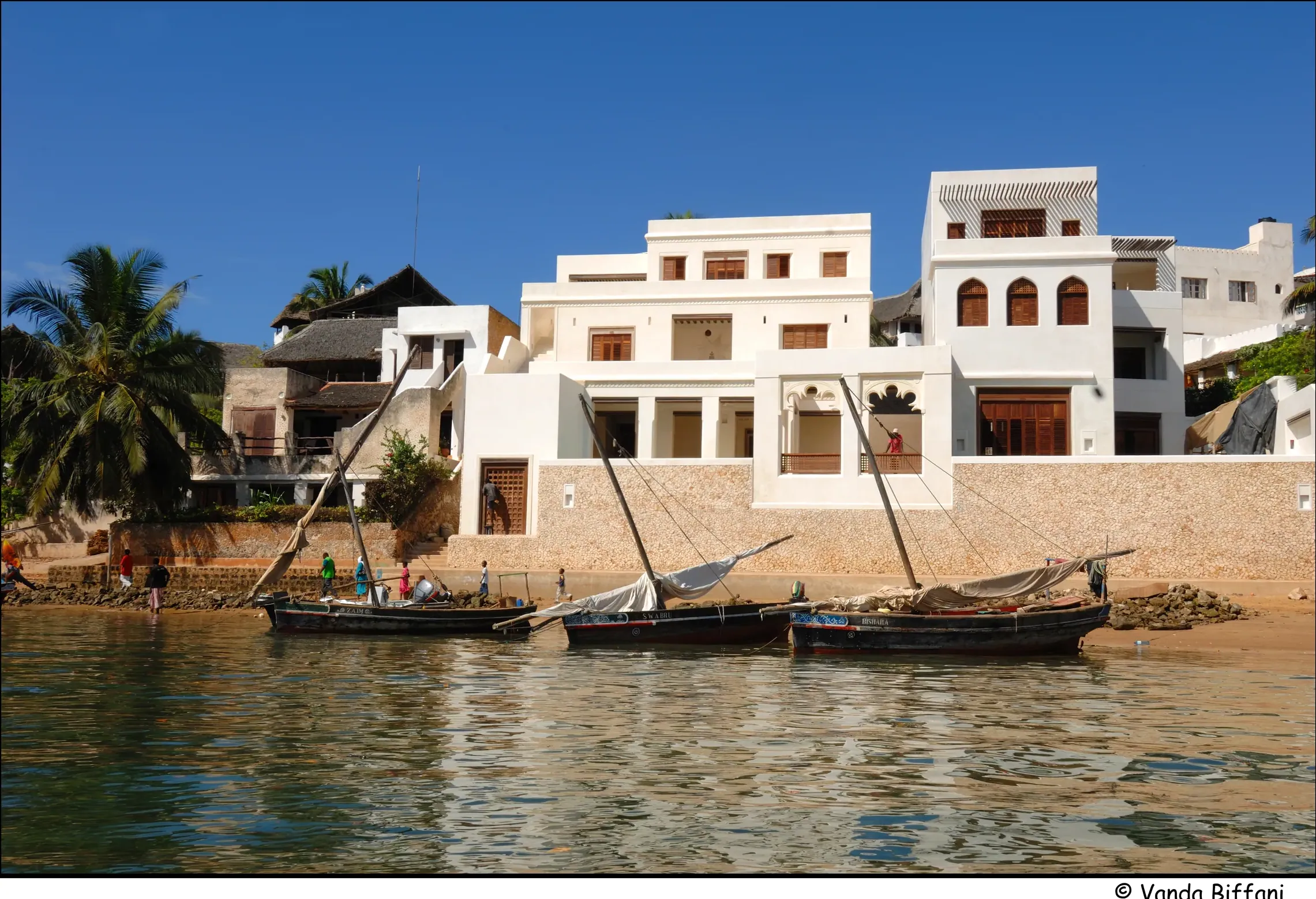
- Lamu: seafront cafes and family kitchens in Lamu Old Town and Shela, with fish straight from the dhows; Lamu is the place for samaki wa kupaka
- Malindi and Watamu: Swahili and Italian kitchens side by side, with excellent seafood
- Diani: beach restaurants serve seafood platters; for Swahili home cooking, ask us for a cooking class or a family meal
Many Swahili cafes do not serve alcohol, and the old towns are conservative: dress modestly, covering shoulders and knees, and ask before photographing people, especially women. Our Mombasa and Lamu pages cover where to stay and what else to see.
Taking the flavors home
Buy pilau masala, whole cardamom and cloves, and tamarind in the spice markets; they pack well. Canned coconut milk from a U.S. supermarket is a fine stand-in for fresh, though coast cooks would say it lacks the sweetness of milk squeezed from a freshly grated nut. If you want to learn properly, a half-day cooking class in Mombasa, Lamu or Diani shows you the coconut grater, the pilau method and the mahamri dough in a real kitchen.
Say it in Kiswahili
| Kiswahili | English |
|---|---|
| Nazi, tui la nazi | Coconut, coconut milk |
| Samaki | Fish |
| Wali | Cooked rice |
| Viungo | Spices |
| Pilipili | Chili, pepper |
| Chakula kitamu sana | The food is very delicious |