Food and drink. Updated November 2026. 5 min read.
Kenya grows the tea in a great many of the world's teabags and drinks it as chai: boiled with milk and sugar, sometimes with ginger, always strong. If you have had a breakfast blend in the U.S. or Britain, there is a good chance some of it grew on the green hills around Kericho or on the slopes of Mount Kenya. Kenya is widely reported as the world's largest exporter of black tea, producing about 553 million kilograms in 2025.
This page is about the drink and its story: where it grows, who grows it, how the leaf becomes the granules in your teabag, how it is sold, and how Kenyans make the cup. If you want to walk the rows and see a factory, that is our tea estate visit; the two pages go together.
A short history
Tea is not native to Kenya. The first bushes were planted at Limuru, just outside Nairobi, in 1903, and large commercial estates followed in the 1920s around Kericho, where the altitude, rich volcanic soils and reliable afternoon rain suited the plant. For decades tea was a settler and company crop. After independence in 1963, smallholder tea grew quickly, organized through what became the Kenya Tea Development Agency (KTDA), and small family farms now produce most of the country's tea.
Where Kenyan tea grows
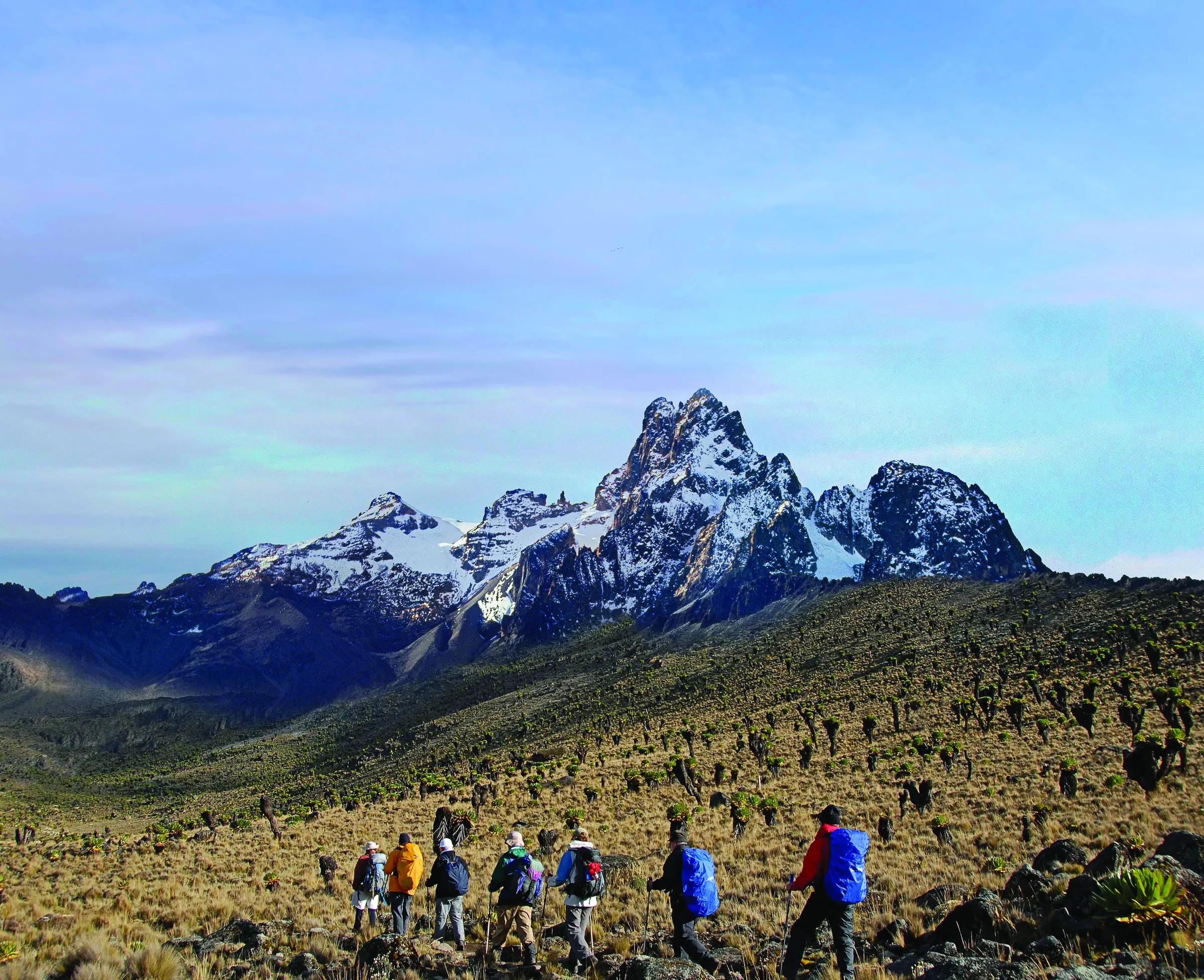
Tea grows in the highlands on both sides of the Rift Valley, at about 1,500 to 2,700 meters. The equator means there is no winter, so the bushes are plucked all year. Cool nights, bright days and regular rain give a fast-growing leaf that brews bright and strong.
| Region | Counties | Character |
|---|---|---|
| West of the Rift | Kericho, Bomet, Nandi, Kisii, Nyamira | Kericho is the heart of the industry, with big estates and smallholders side by side |
| East of the Rift | Murang'a, Nyeri, Kirinyaga, Kiambu, Embu, Meru | Mostly smallholder farms on the slopes of Mount Kenya and the Aberdares |
| Near Nairobi | Kiambu (Limuru) | Where Kenyan tea began; estates within a half day of the city |
The smallholders and KTDA
About 600,000 smallholder farmers grow roughly 60 percent of Kenya's tea, most of them on plots of an acre or two. They pluck by hand, two leaves and a bud, and carry the green leaf to collection centers where it is weighed and trucked to a factory. The factories they deliver to, about 70 under the KTDA umbrella, are owned by the farmers as shareholders; KTDA manages them, sells the tea and pays the farmers, with a monthly payment for leaf and an annual bonus when prices are good. The rest of Kenya's tea comes from large estates, many around Kericho, run by tea companies that employ thousands of pickers and operate their own factories.

How the leaf becomes tea
- Plucking: two leaves and a bud, by hand on most farms, every week or two as the bushes flush
- Withering: the leaf rests in long troughs with air blown through it, losing moisture until it is soft
- CTC: rollers crush, tear and curl the leaf into small granules, which is how most Kenyan black tea is made
- Oxidation: the granules turn from green to copper as they react with air, building the color and strength
- Drying: hot air stops oxidation and leaves the black granules you see in a teabag
- Sorting and grading: the tea is sieved into grades by size, such as BP1 and PF1, then packed for sale
CTC tea brews fast and dark, which is exactly what bag manufacturers want. A growing number of Kenyan factories also make orthodox whole-leaf teas, green and white teas for the specialty market, which is where purple tea comes in.
Purple tea
Purple tea is a Kenyan-developed tea variety whose leaves are purple rather than green, thanks to high levels of anthocyanins, the same pigments found in blueberries. It was bred by Kenya's Tea Research Institute, now part of the national agricultural research organization KALRO, and released to farmers in the early 2010s. It is usually made as a light, low-caffeine whole-leaf tea and sold for its antioxidant story. You will find it in Nairobi shops and at some estates; it makes a good gift.

The Mombasa auction
Most Kenyan tea is sold through the weekly tea auction in Mombasa, run under the East African Tea Trade Association, where brokers sell tea from Kenya and neighboring countries to buyers and blenders from around the world. Pakistan, Egypt and the United Kingdom are the biggest buyers of Kenyan tea. Prices at the auction move with global supply and the shilling, and every swing reaches the farmer's monthly pay. The auction is a trade floor, not a visitor attraction.
How Kenyans drink it
Kenyan chai is not steeped; it is boiled. Water goes on the stove, loose CTC tea goes in, then roughly as much milk again, and the pot is brought to a rolling boil, watched closely so it does not boil over, before sugar is stirred in and the tea is strained into cups. Chai ya tangawizi adds fresh ginger, and some households add cardamom or a pinch of tea masala. Black tea without milk is chai ya rangi, literally colored tea. Chai is drunk at breakfast and again at about 10 am and 4 pm, with mandazi, bread or roasted groundnuts, and every visitor to a Kenyan home is offered a cup. Our recipes page gives exact quantities.
What to buy and where
- Ketepa: the KTDA packing company's teas, in every supermarket, including loose CTC for proper chai
- Kericho Gold: a widely sold Kenyan brand with flavored and plain teas
- Purple tea and orthodox whole-leaf teas from specialty sellers in Nairobi and at some estates
- Loose CTC tea, not bags, if you want chai that tastes like Kenya; it packs well in checked luggage
- Buy at a supermarket such as Naivas or Carrefour in Nairobi for the best prices; airport shops cost more
Seeing it for yourself
Kericho is about 250 km from Nairobi, four to five hours by road, and fits between the Maasai Mara and Lake Victoria. Limuru estates are a half day from Nairobi. Our tea estate visit covers the picking, the factory and a tasting. Kericho's afternoon showers are part of the reason the tea is so green, so plan field time for the morning.
Say it in Kiswahili
| Kiswahili | English |
|---|---|
| Chai | Tea, usually with milk |
| Chai ya rangi | Black tea, no milk |
| Chai ya tangawizi | Ginger tea |
| Maziwa, sukari | Milk, sugar |
| Bila sukari, tafadhali | Without sugar, please |