Kiswahili. Updated November 2026. 5 min read.
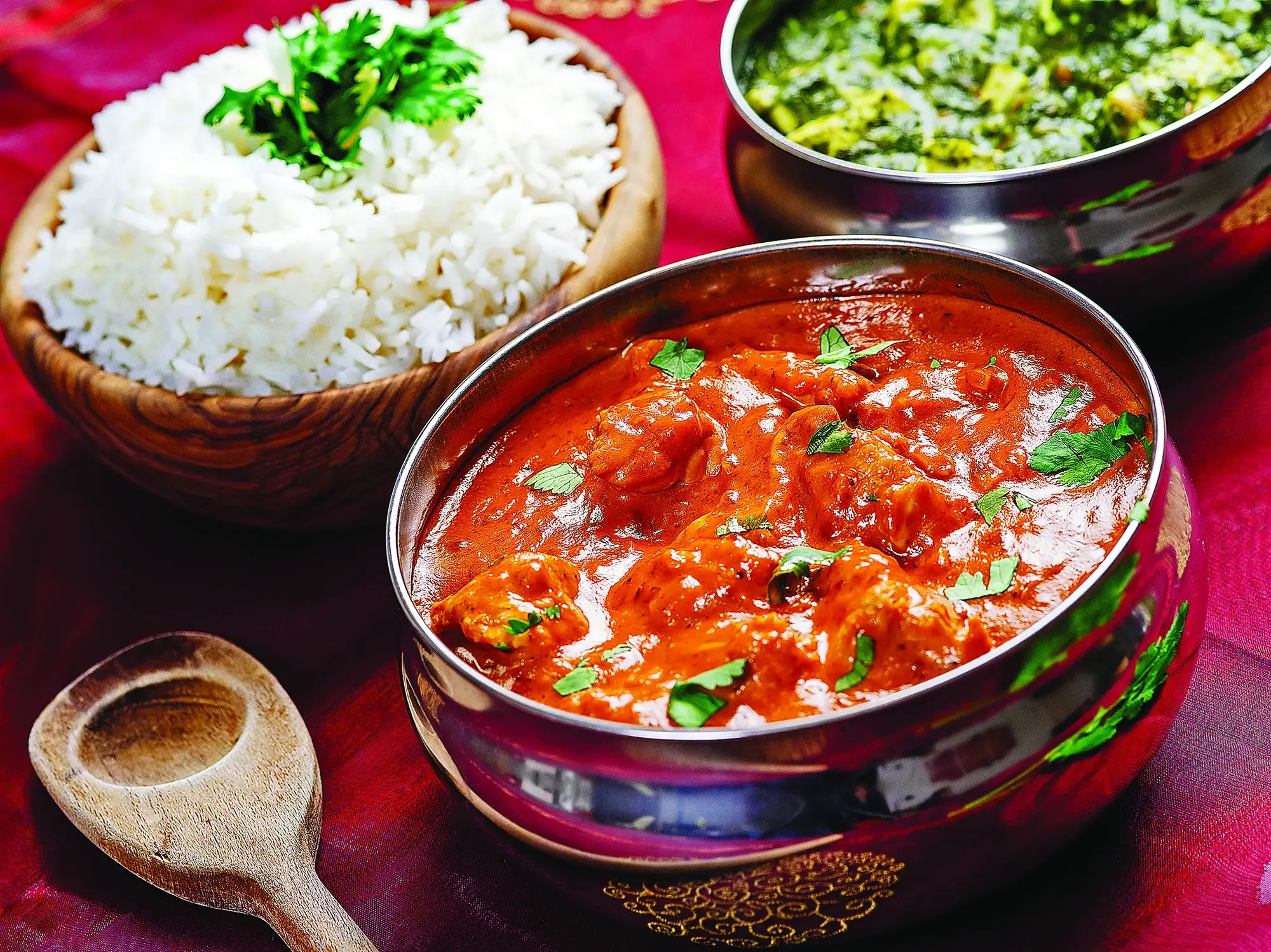
Say 'Chakula ni kitamu sana' at the end of a meal, the food is very delicious, and watch the face of the person who cooked it. Food is where a few words of Kiswahili pay back fastest: they get you the dish you wanted, without the chili you did not, and they turn a transaction into a conversation.
This is a reference glossary for travelers: everyday food and drink words, what you will see on a Kenyan menu, the phrases for ordering and paying, dietary phrases and the polite words around a meal, each with pronunciation. It is not a lesson; lesson 4 of our course, food and the market, teaches these words with a dialogue and practice. For the dishes themselves, from ugali to pilau, see our food guides.
The everyday words
| Kiswahili | Say it | English |
|---|---|---|
| Chakula | chah-KOO-lah | Food, a meal |
| Kula | KOO-lah | To eat |
| Kunywa | KOO-nywah | To drink |
| Maji | MAH-jee | Water |
| Maji ya chupa | MAH-jee yah CHOO-pah | Bottled water |
| Maji baridi | MAH-jee bah-REE-dee | Cold water |
| Chai | CHAH-ee | Tea, in Kenya usually with milk and sugar boiled in |
| Chai ya rangi | CHAH-ee yah RAH-ngee | Black tea (literally 'tea of color') |
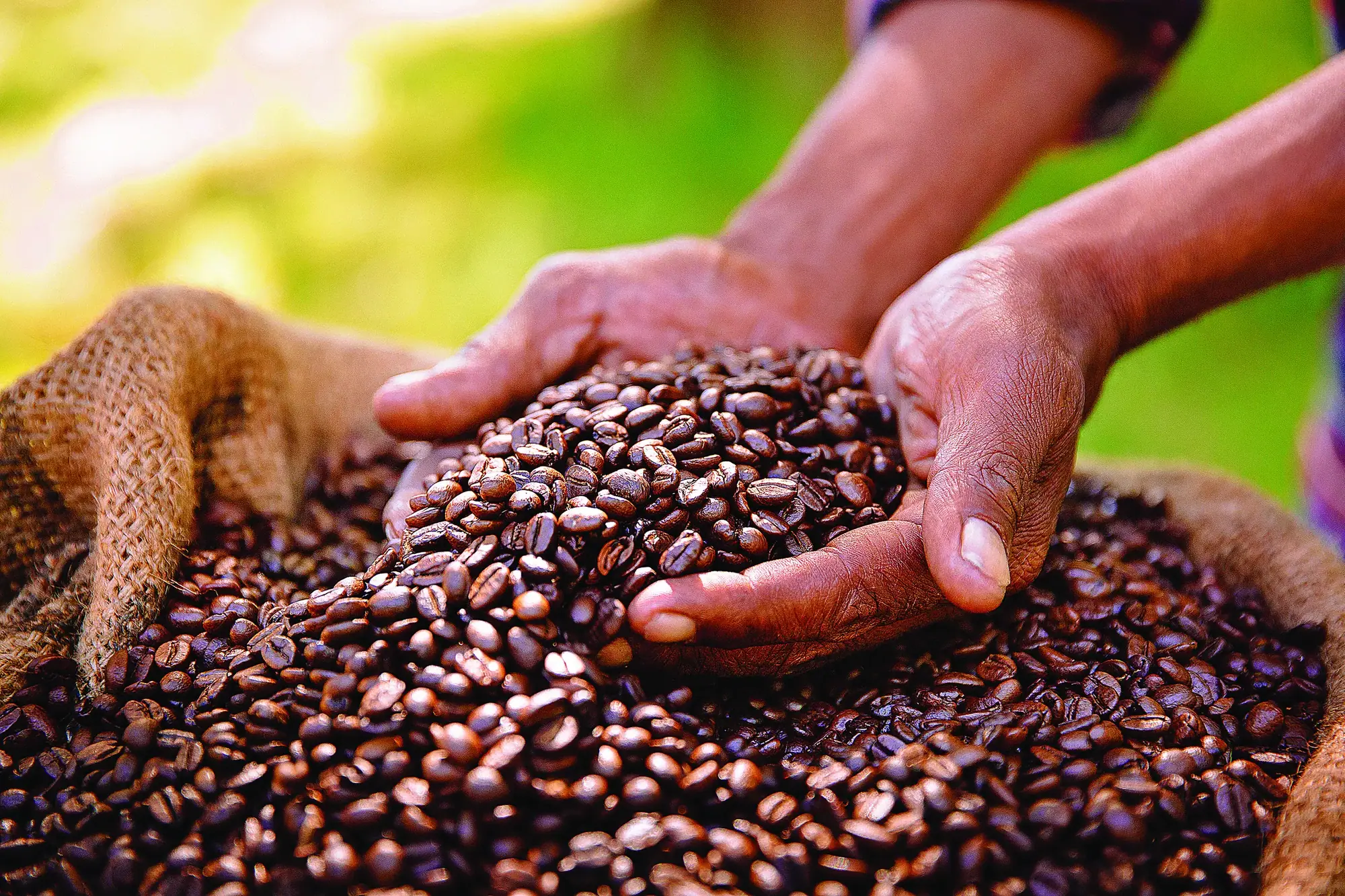
| Kahawa | kah-HAH-wah | Coffee |
| Maziwa | mah-ZEE-wah | Milk |
| Sukari | soo-KAH-ree | Sugar |
| Chumvi | CHOOM-vee | Salt |
| Pilipili | pee-lee-PEE-lee | Chili pepper |
| Mkate | m-KAH-teh | Bread |
| Mayai | mah-YAH-ee | Eggs |
| Matunda | mah-TOON-dah | Fruit |
| Mboga | m-BOH-gah | Vegetables, or the dish served with ugali |
Meat, fish and the main dishes
| Kiswahili | Say it | English |
|---|---|---|
| Nyama | NYAH-mah | Meat |
| Nyama ya ng'ombe | NYAH-mah yah NGOHM-beh | Beef |
| Nyama ya mbuzi | NYAH-mah yah m-BOO-zee | Goat |
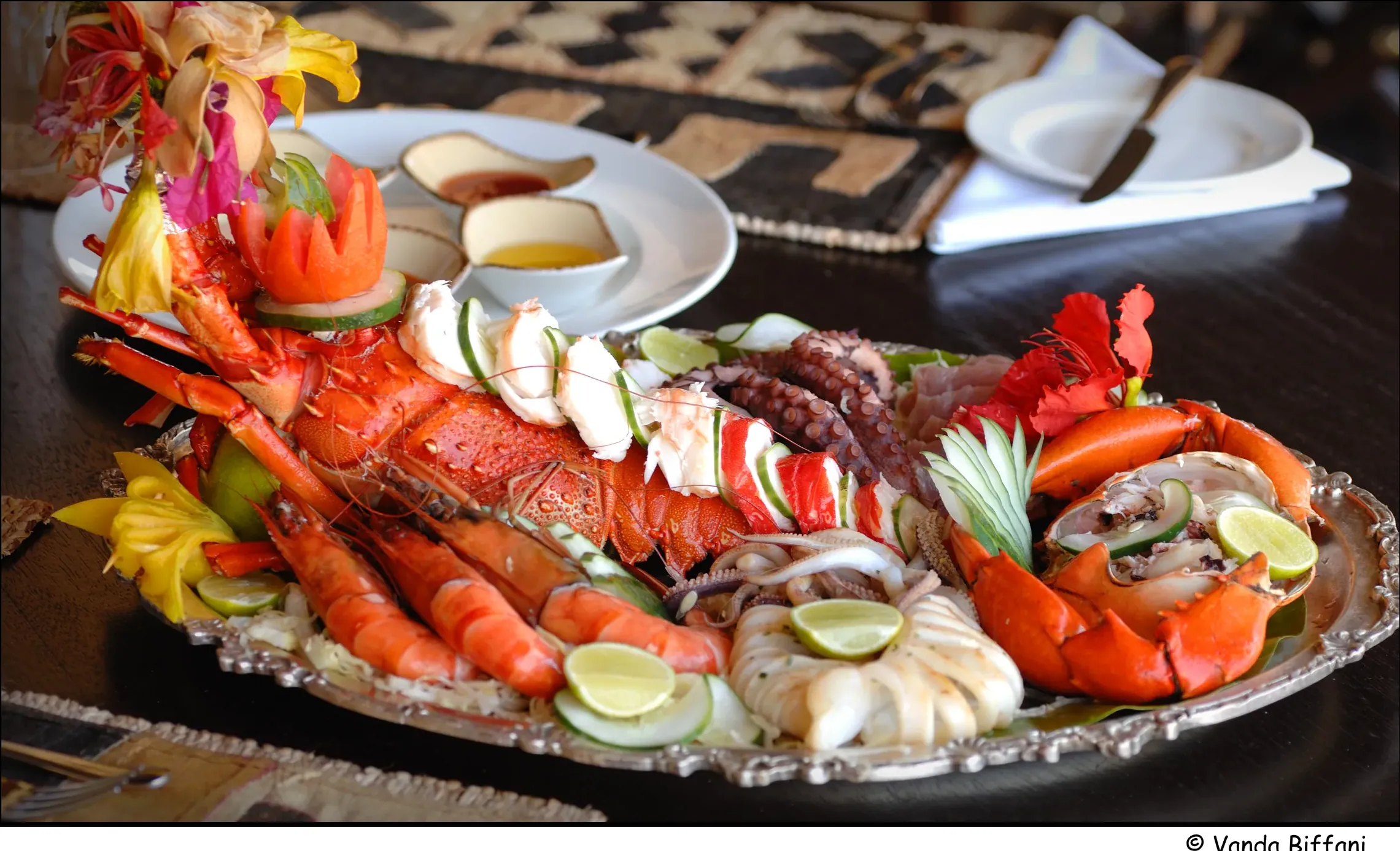
| Nyama choma | NYAH-mah CHOH-mah | Grilled meat, usually goat or beef |
| Kuku | KOO-koo | Chicken |
| Kuku kienyeji | KOO-koo kee-eh-NYEH-jee | Free-range local chicken |
| Samaki | sah-MAH-kee | Fish |
| Omena | oh-MEH-nah | Small dried fish from Lake Victoria |
| Nguruwe | n-goo-ROO-weh | Pork |
| Wali | WAH-lee | Cooked rice |
| Ugali | oo-GAH-lee | Firm maize porridge, eaten by hand |
| Chapati | chah-PAH-tee | Layered flatbread |
| Maharagwe | mah-hah-RAH-gweh | Beans |
| Ndengu | n-DEH-ngoo | Green grams (mung beans) |
| Sukuma wiki | soo-KOO-mah WEE-kee | Collard greens; literally 'push the week' |
| Viazi | vee-AH-zee | Potatoes |
| Githeri | gee-THEH-ree | Maize and beans, from the Kikuyu |
| Pilau | pee-LAH-oo | Spiced rice, a coast favorite |
| Mchuzi | m-CHOO-zee | Stew, sauce or curry |
| Supu | SOO-poo | Soup |
| Kachumbari | kah-choom-BAH-ree | Tomato, onion and chili salad |
Fruit
| Kiswahili | Say it | English |
|---|---|---|
| Ndizi | n-DEE-zee | Banana |
| Embe | EM-beh | Mango |
| Nanasi | nah-NAH-see | Pineapple |
| Papai | pah-PAH-ee | Papaya |
| Parachichi | pah-rah-CHEE-chee | Avocado |
| Chungwa | CHOON-gwah | Orange |
| Tikiti maji | tee-KEE-tee MAH-jee | Watermelon |
| Nazi | NAH-zee | Coconut |
Reading a Kenyan menu
Menus in local restaurants are often in English with Kiswahili dish names. These words tell you how something is cooked.
| Word | Meaning | Example |
|---|---|---|
| Choma | Grilled or roasted over coals | Nyama choma; mahindi choma, roast maize |
| Kukaanga, or fry | Fried | Samaki wa kukaanga, fried fish |
| Wet fry, dry fry | Kenyan menu English: in a tomato sauce, or fried dry | Beef wet fry with ugali |
| Kupaka | Grilled and coated in a coconut sauce, coast style | Kuku wa kupaka |
| Wa nazi, ya nazi | With coconut | Wali wa nazi, coconut rice; maharagwe ya nazi, beans in coconut |
| Kienyeji | Traditional, local, free-range | Kuku kienyeji; mboga za kienyeji, traditional greens |
| Mchuzi wa... | In a stew or sauce | Mchuzi wa samaki, fish curry |
| Nusu, robo | Half, quarter | Nusu kuku, half a chicken; robo kilo, a quarter kilo of nyama choma |
One word to know before you look for lunch: in Kenya a 'hoteli' is usually a small, inexpensive local restaurant, not a place to sleep, so a roadside sign that says 'Hotel' means food, often good. Nyama choma is sold by weight: you choose the meat, order by the kilo or half kilo, and it comes chopped on a board with kachumbari and ugali.
Ordering
| Kiswahili | Say it | Meaning |
|---|---|---|
| Kuna nini leo? | KOO-nah NEE-nee LEH-oh | What is there today? |
| Naomba menu | nah-OHM-bah MEH-noo | May I have the menu? |
| Naomba... | nah-OHM-bah | May I have... (the polite way to ask) |
| Nataka... | nah-TAH-kah | I want... |
| Niletee chai, tafadhali | nee-leh-TEH-eh CHAH-ee, tah-fah-DHAH-lee | Bring me tea, please |
| Bila pilipili | BEE-lah pee-lee-PEE-lee | Without chili |
| Bila sukari | BEE-lah soo-KAH-ree | Without sugar |
| Kidogo tu | kee-DOH-goh too | Just a little |
| Zaidi | zah-EE-dee | More |
| Inatosha | ee-nah-TOH-shah | That's enough |
| Ni bei gani? | nee BAY GAH-nee | How much is it? |
| Naomba bili | nah-OHM-bah BEE-lee | The bill, please |
Naomba, literally 'I request', is the word Kenyans use most when they ask for something politely. Nataka is fine, but on its own it can sound like a demand. 'Naomba maji', may I have some water, may be the most useful sentence on this page.
Dietary needs
| Kiswahili | Say it | Meaning |
|---|---|---|
| Sili nyama | SEE-lee NYAH-mah | I don't eat meat |
| Sili samaki | SEE-lee sah-MAH-kee | I don't eat fish |
| Sili nguruwe | SEE-lee n-goo-ROO-weh | I don't eat pork |
| Sinywi pombe | SEE-nywee POHM-beh | I don't drink alcohol |
| Kuna nyama ndani? | KOO-nah NYAH-mah n-DAH-nee | Is there meat in it? |
| Bila maziwa | BEE-lah mah-ZEE-wah | Without milk |
| Ni halali? | nee hah-LAH-lee | Is it halal? |
| Nina mzio wa karanga | NEE-nah m-ZEE-oh wah kah-RAH-ngah | I'm allergic to peanuts |
Two honest notes. Mboga means vegetables, but it is also the word for whatever is served with ugali, which can include meat, so ask 'Kuna nyama ndani?' if it matters. And mzio, the word for an allergy, is not widely known: for a serious allergy, carry a card in English and Kiswahili and tell your guide, who will speak to every kitchen on your trip. Vegetarian food is easy in Kenya, with beans, lentils, greens and Indian-Kenyan dishes everywhere. Vegan food is harder outside Nairobi, because of ghee and the milk in chai. Most food on the coast is halal.
Around the table
| Kiswahili | Say it | Meaning |
|---|---|---|
| Karibu chakula | kah-REE-boo chah-KOO-lah | Come and eat (an invitation you will hear often) |
| Asante | ah-SAHN-teh | Thank you |
| Chakula ni kitamu sana | chah-KOO-lah nee kee-TAH-moo SAH-nah | The food is very delicious |
| Ni tamu | nee TAH-moo | It's delicious (or sweet) |
| Nimeshiba | nee-meh-SHEE-bah | I'm full |
| Nimeshiba sana, asante | nee-meh-SHEE-bah SAH-nah, ah-SAHN-teh | I'm really full, thank you: how to decline seconds |
| Hongera kwa mpishi | hohn-GEH-rah kwah m-PEE-shee | Congratulations to the cook |
| Karibu tena | kah-REE-boo TEH-nah | Welcome back, said as you leave |
Why kitamu and not tamu? Kiswahili adjectives agree with their noun, and chakula takes the prefix ki-, so 'chakula ni kitamu'. If you forget, 'tamu sana' on its own works for anything you are eating, and nobody will mark your grammar.
Street food has its own vocabulary, from mutura to mshikaki and mahindi choma; see our Nairobi street food guide. For a hands-on way to learn the words, a Swahili cooking class teaches them over a pot of pilau.