Experiences. Updated November 2026. 6 min read.
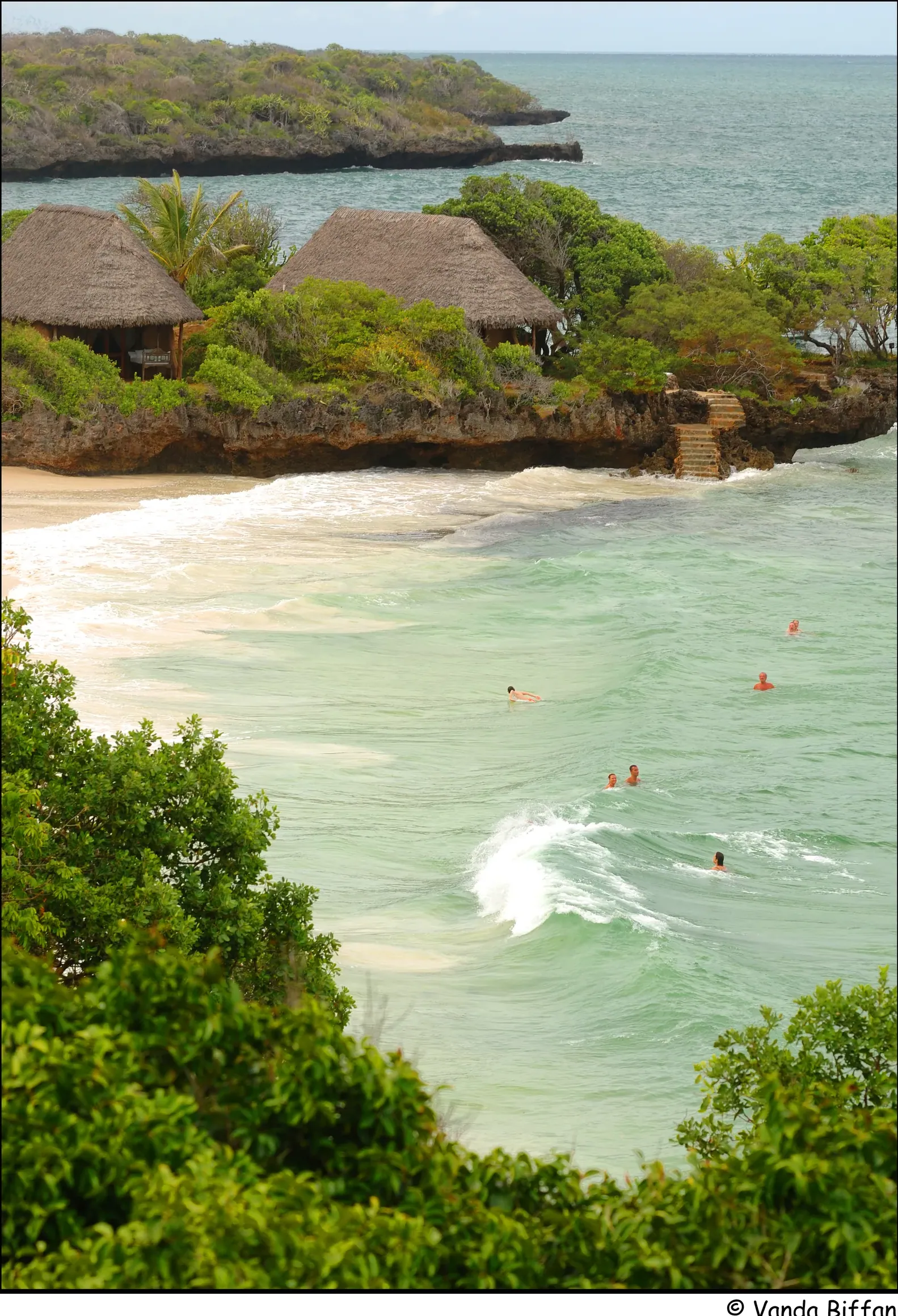
Most people come to Kenya for the savanna and discover the reef by accident: a glass-bottom boat at Watamu, a snorkel stop on a dhow day at Kisite, a turtle grazing on seagrass below their mask. Kenya's coral coast runs the full length of the shore, fringed by a reef that shelters warm, shallow lagoons, and in a few places it opens into deeper walls, channels and a wreck. It will not replace the Red Sea for hard-core divers, but for a safari traveler with two or three beach days, it is a wonderful second act.
The short answer: for the best snorkeling and diving, go to Kisite-Mpunguti Marine Park off Shimoni, on the far south coast, or to the Watamu and Malindi marine parks on the north coast. Diani has dive centers, a long reef and the MV Alpha Funguo wreck for advanced divers. Visibility is usually best from about October to March, when the sea is calm, and whale sharks are most often seen off the south coast from about November to February. Turtles are with you all year.
The sites
| Site | Best for | Level | Good to know |
|---|---|---|---|
| Kisite-Mpunguti, Shimoni | The healthiest coral and the clearest water on the south coast; dolphins on the way | Snorkelers and all divers | A full day from Diani, with lunch on Wasini Island |
| Diani reef | Easy reef dives and drift dives a short boat ride from the beach | All levels | Several dive centers along the beach |
| MV Alpha Funguo wreck, Diani | A sunk vessel colonized by coral and fish | Advanced divers | Deeper water; dive with an experienced guide |
| Watamu Marine National Park | Coral gardens, turtles, rays and reef fish; snorkeling from boats at low tide | Snorkelers and all divers | Protected since 1968, one of Kenya's first marine parks |
| Malindi Marine National Park | Coral gardens by glass-bottom boat and snorkel | Snorkelers and beginners | Twenty minutes north of Watamu |
| Mombasa Marine National Park | Reef off Nyali and Bamburi, close to the city hotels | Snorkelers and beginners | Good if you are staying in Mombasa |
| Kilifi | Quieter reef and the creek | Divers who like it quiet | Between Mombasa and Watamu |
| Manda Toto, Lamu | Some of the best snorkeling on the north coast | Snorkelers | A boat trip from Lamu or Shela, often part of a dhow day in the archipelago |
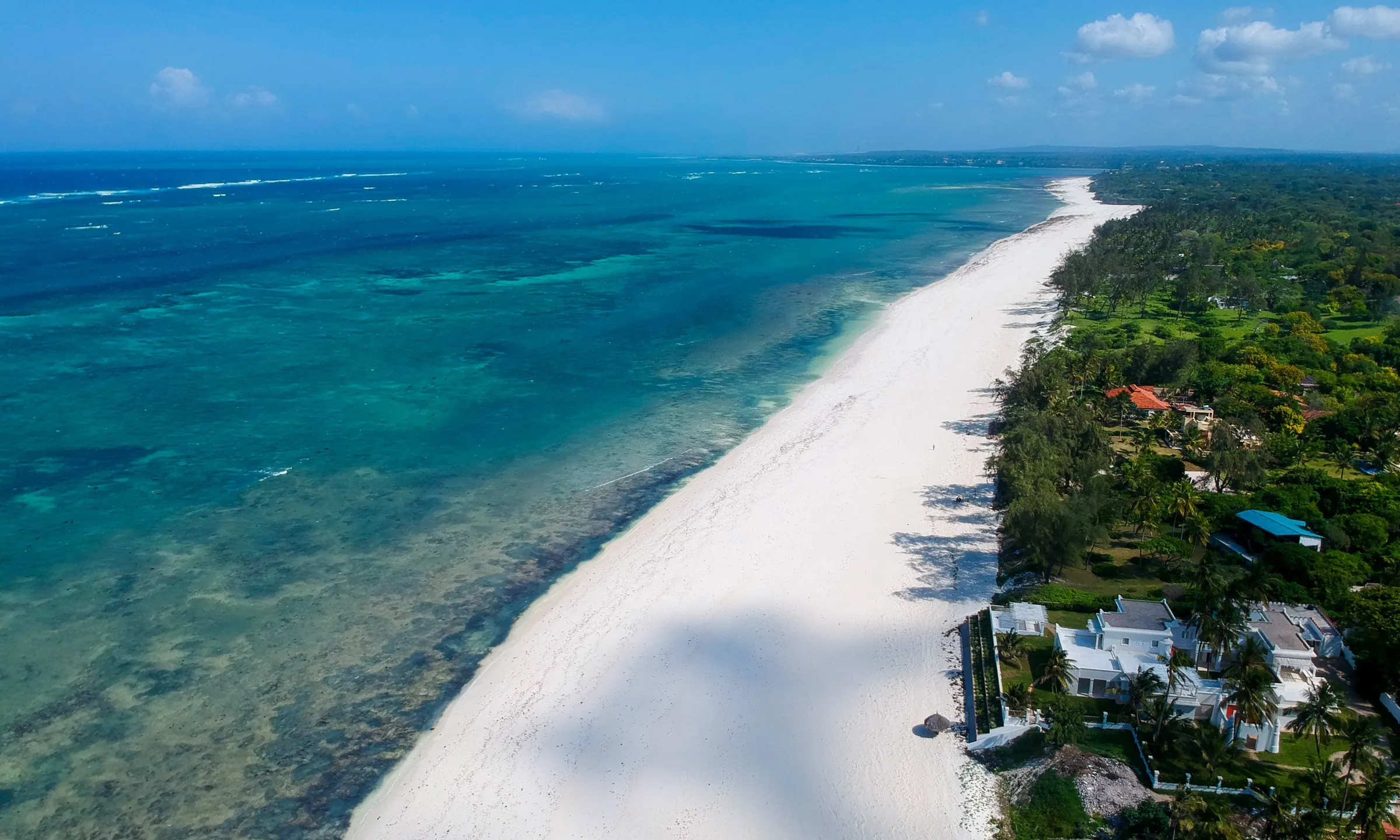
Kisite-Mpunguti and the south coast
Kisite-Mpunguti is the jewel. The marine park protects a group of small islands and reefs off Shimoni, and boats from Shimoni stop at the coral gardens for snorkeling and diving, usually after a search for dolphins in the channel. Expect hard and soft corals, groupers, parrotfish, triggerfish, moray eels and turtles, and in the whale shark months, a chance of the biggest fish in the sea. Diani's dive centers run trips to Kisite as well as their own reef sites along the beach, from easy shallow dives for beginners to the Alpha Funguo wreck. Our Kisite-Mpunguti page covers the dhow day and Wasini Island, and our dolphins page covers the dolphins.
Watamu and Malindi
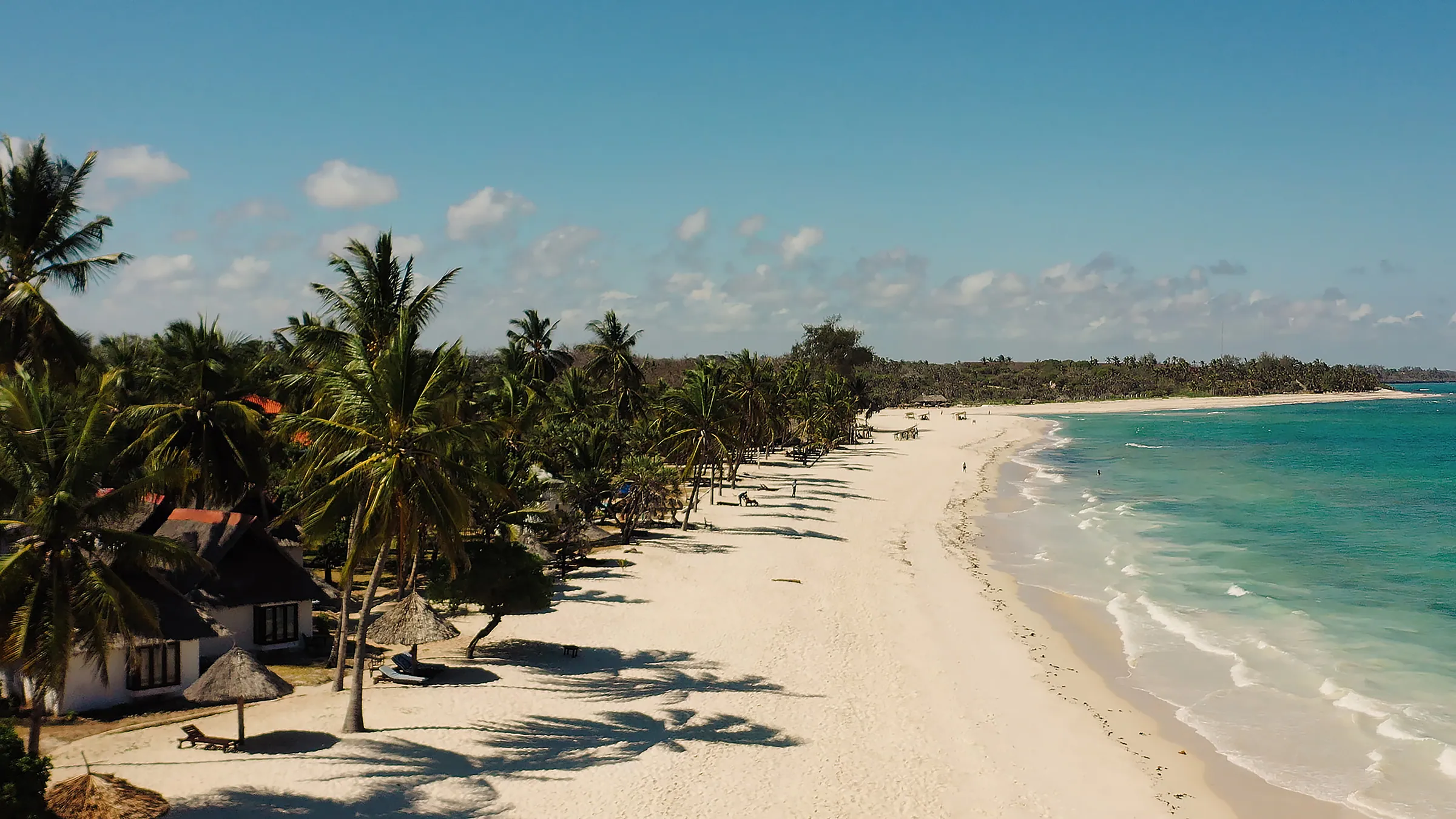
On the north coast, the Watamu and Malindi marine parks form one of the oldest marine protected areas in Africa. In Watamu, boats take snorkelers out over the coral gardens at low tide, when the lagoon is calm, and dive centers lead reef dives on the outer reef with turtles, rays and big schools of fish. Malindi's park is famous for glass-bottom boats, which suit non-swimmers and small children. Watamu's sea turtles have their own page, and so does the marine park.
When to go
| Months | Visibility and sea | What you might see |
|---|---|---|
| October to March | Usually the best visibility and the calmest sea, in the northeast monsoon | Whale sharks off the south coast, about November to February |
| April to June | The long rains; runoff and wind reduce visibility, and some dive centers close or slow down | Fewer boats, quieter reefs when you can get out |
| July to September | The southeast monsoon brings swell; outer reef dives depend on the day | Humpback whales passing offshore, roughly July to October |
Tides matter as much as months for snorkeling. On Kenya's reef-fringed coast, the lagoons are shallow and calm at low tide, and that is when boats go out to the coral gardens. Ask your hotel or dive center for the tide times, and plan your snorkel around them.
Learning to dive
The dive centers in Diani, Watamu, Malindi and Mombasa run PADI courses, from a single Discover Scuba Diving session in a pool and on a shallow reef to the full Open Water Diver course over about three to four days. PADI's Junior Open Water course starts at age 10, so families can learn together. If your beach time is short, do the theory online at home before you fly, then spend your Kenya days in the water. You will need to fill in a medical questionnaire, and some conditions require a doctor's sign-off before you can dive, so check it before you travel.
Snorkeling without diving
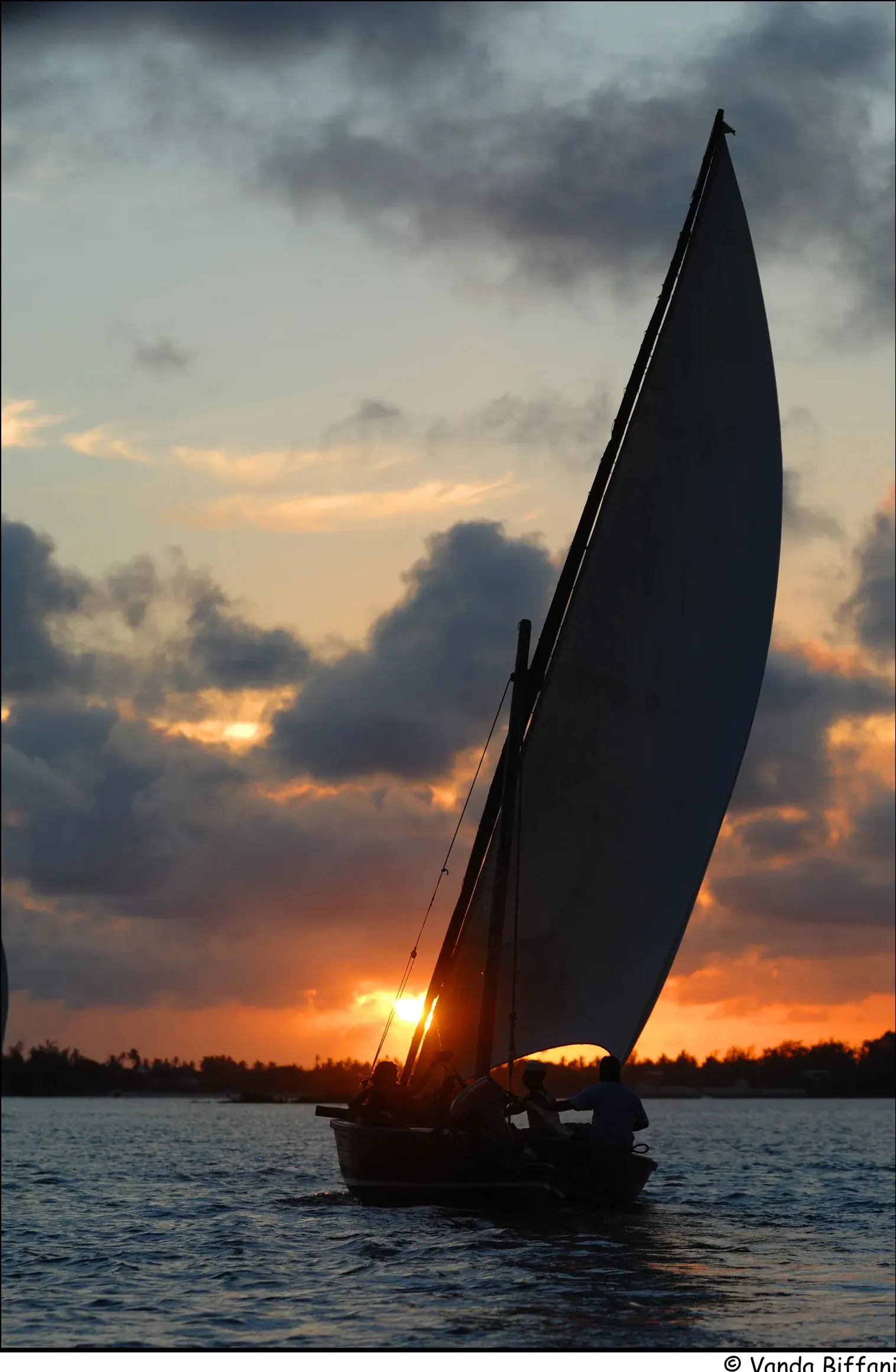
You do not need to dive to see Kenya's reef. A snorkel stop at Kisite, a low-tide trip over the Watamu coral gardens or a glass-bottom boat at Malindi shows you the corals, fish and often turtles. Bring your own well-fitting mask if you have one, wear a rash vest or a T-shirt against the sun, and use fins on the boat trips, where currents can pick up.
Costs and fees
Kenya Wildlife Service charges a fee to enter each marine national park, per person per day, and it is usually built into the price of a boat trip or dive. Fees were last quoted at around $17 for a non-resident adult in the Malindi park, and KWS raised many of its fees in October 2025, so check the current schedule or ask us. Dive prices vary by center, the number of dives and whether equipment is included. Courses are priced as packages. Ask what is included: equipment, boat, park fee, guide and transfers.
Diving before a safari flight
This is the rule most beach-and-safari travelers do not think about. After diving, the nitrogen in your body needs time to clear before you fly. Standard guidance from dive training agencies is to wait at least 12 hours after a single dive and at least 18 hours after several dives or several days of diving. That includes the light aircraft from Ukunda or Malindi to the Mara and the flight home. If you are diving at the end of your trip, plan a dry last day, and tell us your dive days so we schedule flights around them.
Reef manners
- Never touch, stand on or kick coral; it is alive and grows very slowly.
- Do not take shells, coral or starfish. Taking anything from a marine park is illegal.
- Keep your fins up and your buoyancy under control, and stay off the bottom.
- Give turtles room and never chase or ride them.
- Wear a rash vest instead of heavy sunscreen, or a mineral sunscreen if you must.
- Choose operators who use moorings rather than anchoring on the reef.
Kenya's reefs have suffered, like reefs everywhere, from warming seas: a severe bleaching event in 1998 killed much of the shallow coral along the coast, and others have followed. The marine parks are where the reef has recovered best, which is a good reason to pay the fees and use them.
Who it suits and where it fits
Snorkeling suits almost everyone who can swim, from children to grandparents. Diving suits certified divers and anyone keen to learn, with courses that fit into three or four beach days. Most of our travelers put it at the end of a safari: fly from the Mara to Ukunda for Diani or to Malindi for Watamu, spend three to five nights on the coast, and fit in one dhow day at Kisite or two or three dives. Our Diani versus Watamu guide helps you choose the coast.
Ask us for our partners' details and dive center recommendations. Kenya Experience is Kenyan-led, with two U.S. companies behind it; pay in full or monthly with no deposit.