Wildlife. Updated November 2026. 5 min read.
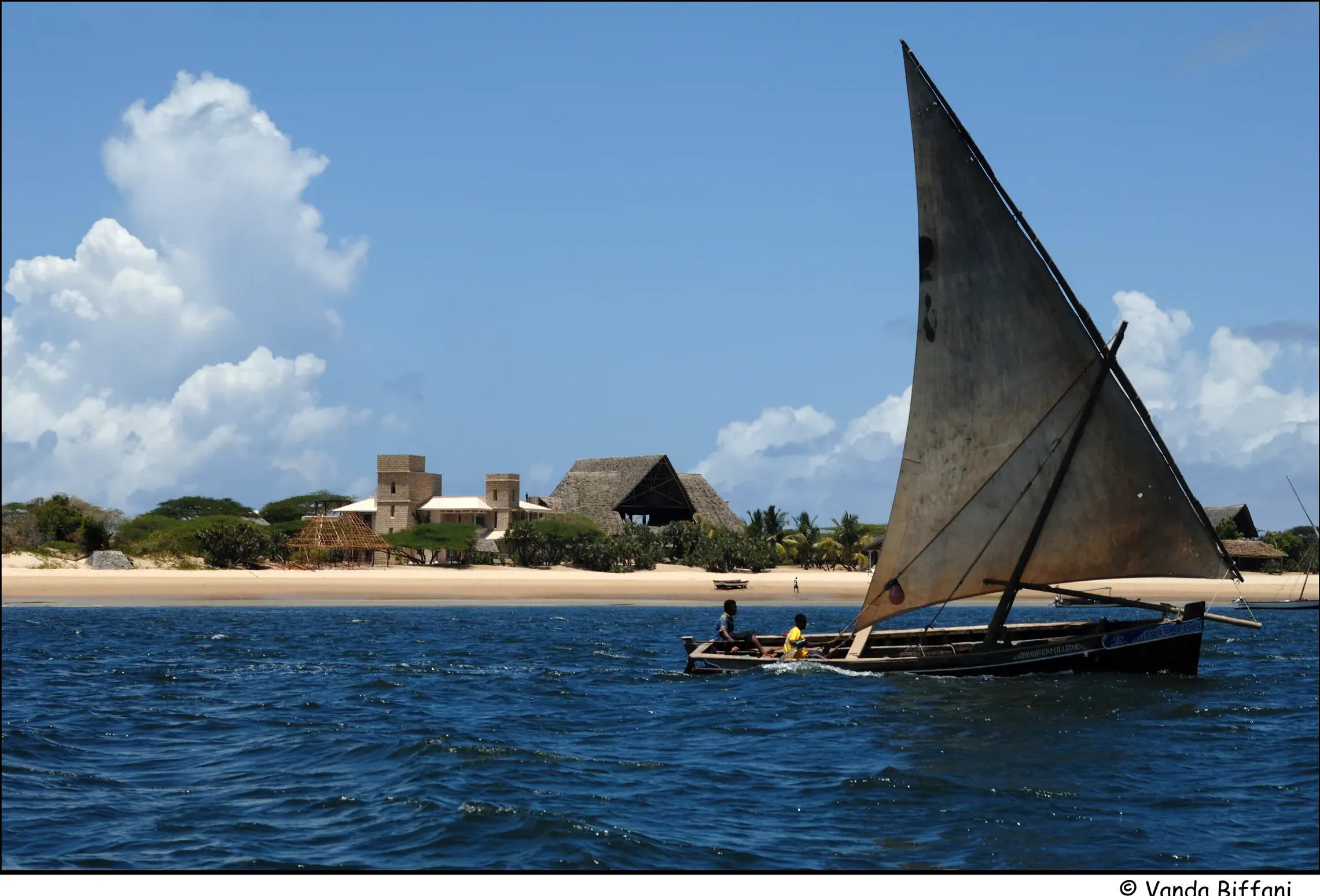
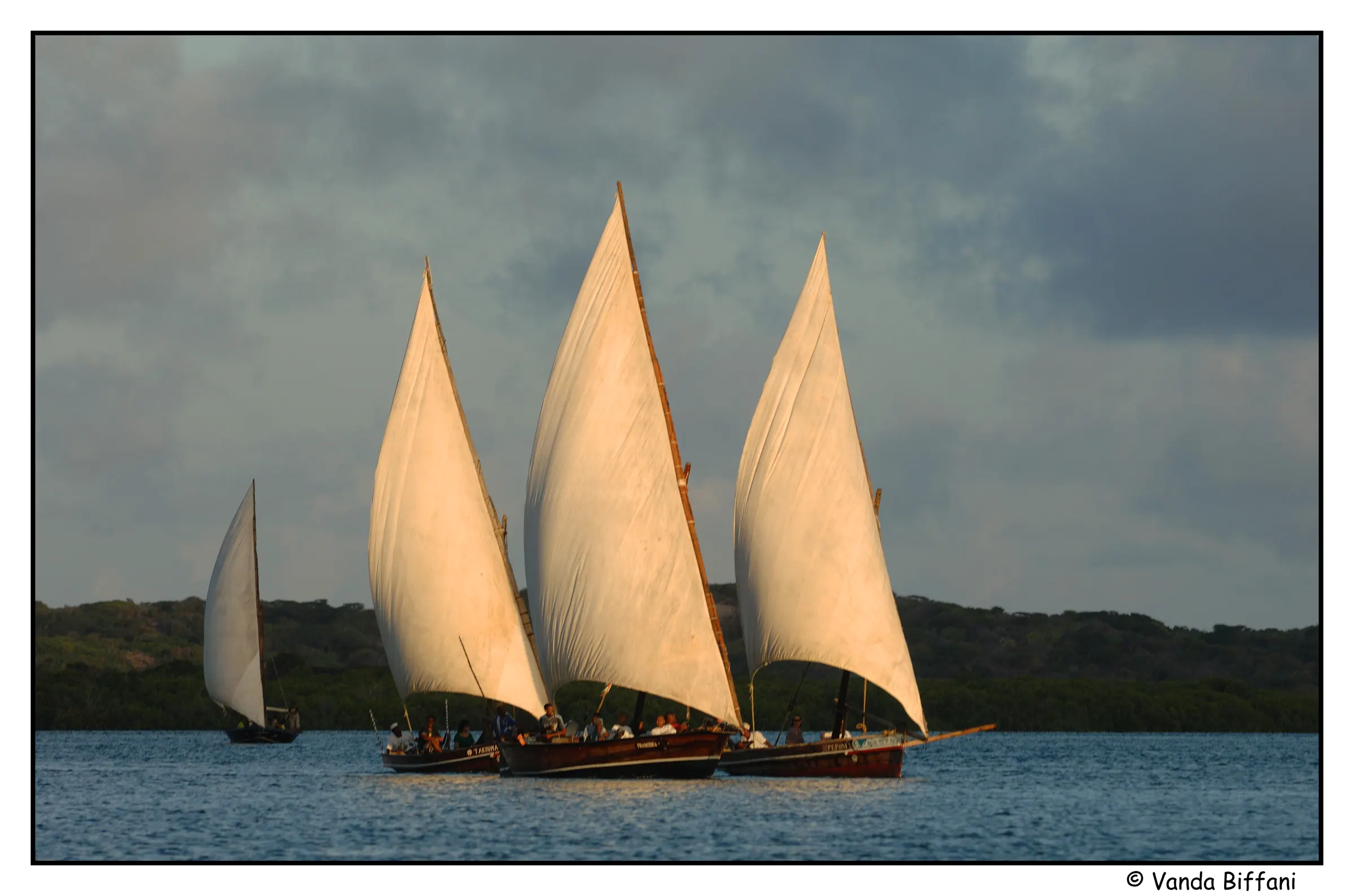
The dhow leaves Shimoni in the soft morning light, the crew raising the sail as the engine cuts. Twenty minutes out, someone points: a curved fin, then three, then a mother and calf surfacing together beside the hull. On the south Kenyan coast, that happens on most mornings. Whales are the bigger show, but dolphins are the everyday magic of the Kenyan sea.
The short answer: for dolphins, go to Kisite-Mpunguti Marine Park off Shimoni, about an hour and a half south of Diani, where Indo-Pacific bottlenose dolphins are seen on many trips all year and humpback dolphins live close to shore. On the north coast, Watamu has resident dolphins in and around its marine park, with big pods of spinner dolphins farther offshore. For humpback whales, come between about July and September, when they pass the coast on migration. Choose an operator who follows the code of conduct, and you will watch them the way they should be watched.
Who lives off the Kenyan coast
| Animal | Where | When | Good to know |
|---|---|---|---|
| Indo-Pacific bottlenose dolphin | Kisite-Mpunguti, Wasini Channel, Watamu, Malindi | All year | The dolphin you are most likely to see, in groups of a few to a few dozen |
| Indian Ocean humpback dolphin | Shallow water close to shore, especially in the south | All year | Shy, with a long beak and a hump below the fin; Endangered on the IUCN Red List |
| Spinner dolphin | Deeper water offshore, especially off Watamu | All year, depending on sea conditions | Large, fast pods that leap and spin |
| Humpback whale | Offshore from Watamu and Malindi to Diani and Shimoni | Usually July to September, sometimes into October | Breaching, tail slaps and mothers with calves |
| Whale shark | South coast near Diani and Kisite | Usually about November to March | A fish, not a whale; covered on our whale and whale shark page |
| Dugong | Seagrass beds, historically Lamu and the south coast | Very rarely seen | Close to disappearing from Kenyan waters; do not expect one |
Kisite-Mpunguti and Wasini
Kisite-Mpunguti, a marine national park and reserve off Shimoni, is Kenya's best-known dolphin water, and Kenya Wildlife Service promotes it as the home of the dolphins. The usual day is a dhow or motor boat from Shimoni, a search for dolphins in the channel and around the islands, snorkeling over coral in the park, and a Swahili seafood lunch on Wasini Island before the boat heads back. Bottlenose dolphins are seen on many days through the year, and on lucky days humpback dolphins appear close to the reef. From July to about October, the same boats can pass humpback whales. The sea is calmest from about October to March; from about June to September the southeast monsoon, the kusi, can make the crossing choppy. Our Kisite-Mpunguti page covers the park, the boats and the Wasini lunch.
Watamu and Malindi
The north coast has the best-studied dolphins in Kenya. The Watamu Marine Association, a group of local conservation organizations, hotels and community groups, has recorded whales and dolphins off Watamu for years, and the area's waters are recognized as an Important Marine Mammal Area. Bottlenose dolphins use the bay and the edge of the reef, and spinner dolphins travel in larger pods in deeper water beyond. Dolphin trips leave from Watamu in the morning, and in the July to September window whale-watching trips go farther out. The Watamu Marine Association's code of conduct asks boats not to chase dolphins, to limit the number of boats and the time spent with a group, and not to put swimmers in the water with dolphins inside the protected area. Good operators follow it, and you should ask before you book.
When to go
| Months | Dolphins | Whales | Sea |
|---|---|---|---|
| October to March | Good, with calm, clear water | Whale sharks in the south, about November to March | Usually calmest; the kaskazi, northeast monsoon |
| April to June | Seen, but rain and wind cut trips short | Few | Long rains; rougher, cloudier water |
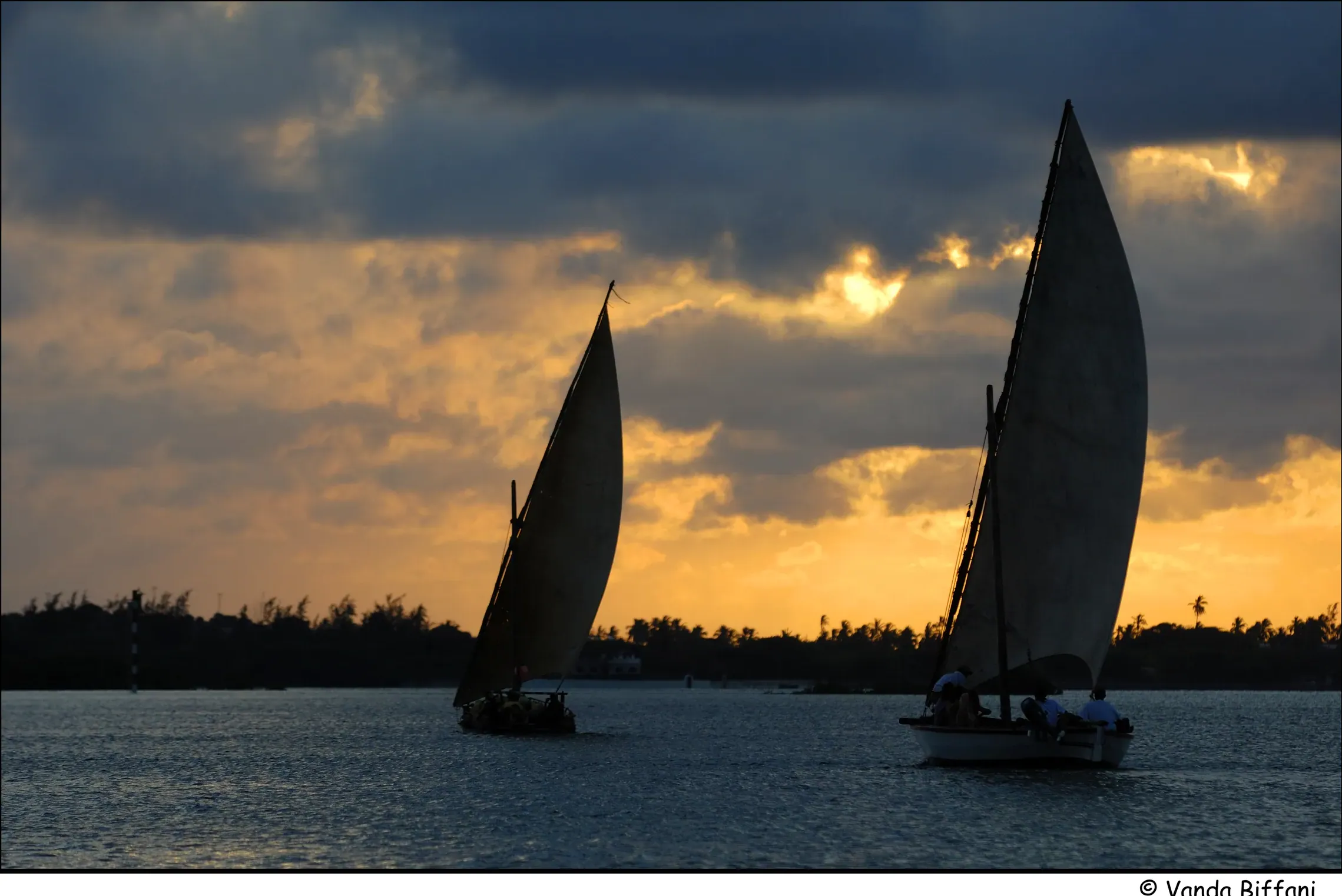
| July to September | Seen, between swells | Humpback whales passing | The kusi, southeast monsoon; choppier, so choose a stable boat |
Mornings are best in every month: the sea is flatter, the light is softer and dolphins are often more active close to shore. Sightings are never guaranteed. These are wild animals that move freely, and a good crew will tell you so before you leave.
Watching dolphins responsibly
- Choose a licensed operator who includes park fees and briefs you on the code of conduct.
- Boats should slow down near dolphins, approach from the side or behind, and never drive through, chase or circle a group.
- Only a few boats should be with one group at a time, for a limited time, before moving away slowly.
- Let the dolphins decide. If they come to the bow, enjoy it; if they move off, let them go.
- Do not swim with dolphins inside the protected area, and never try to touch or feed them.
- Keep noise low, keep plastic off the boat, and wear a rash vest instead of heavy sunscreen when you snorkel.
Some boats advertise swimming with dolphins. Dolphins that are repeatedly approached by swimmers can be disturbed while resting and feeding, so we do not book swim-with-dolphin trips, and we choose crews who watch from the boat and snorkel the reef separately.
Three things most people do not know
First, the humpback dolphin is not a small humpback whale. It is a separate dolphin species with a raised hump below its fin, and it lives so close to shore that it is especially exposed to fishing nets. Second, spinner dolphins spin for reasons scientists still debate, possibly to communicate, to shed parasites or simply because they can. Third, the dugong, the gentle seagrass grazer behind many mermaid stories, was once common enough on the Kenyan coast to give its name to places; today only a handful are thought to remain in Kenyan waters.
Photographing dolphins and whales
A zoom lens around 70 to 300 mm covers dolphins near the boat and whales farther out. Use a fast shutter speed, 1/1000 of a second or more, and continuous autofocus, and keep both eyes open so you see the next surfacing coming. Shoot slightly ahead of the last fin you saw. Protect your camera from spray with a towel or dry bag, and keep a small action camera for any snorkeling later in the day.
Conservation
The IUCN lists the Indian Ocean humpback dolphin as Endangered and the Indo-Pacific bottlenose dolphin as Near Threatened at the time of writing. The main threats on the Kenyan coast are entanglement in fishing nets, disturbance from boats, and coastal development. The dugong's East African population is critically endangered. Kenya's marine parks protect important habitat, and local groups work with fishermen on bycatch and on safer fishing gear. Your park fee, and your choice of a careful operator, are the two simplest ways to help.
A dolphin morning fits any coast stay. From Diani, Kisite is a full day. From Watamu, a morning trip leaves time for the beach or the turtle rescue center. Tell us your dates, and we will pick a calm-sea day and a crew that follows the code.